A grocery budget comes together one shelf at a time. Compare two jars of sauce, check the price of pasta, decide whether the larger package is worth it.
For shoppers, the calculation depends on a basic expectation: the displayed price should be clear and match the checkout total.
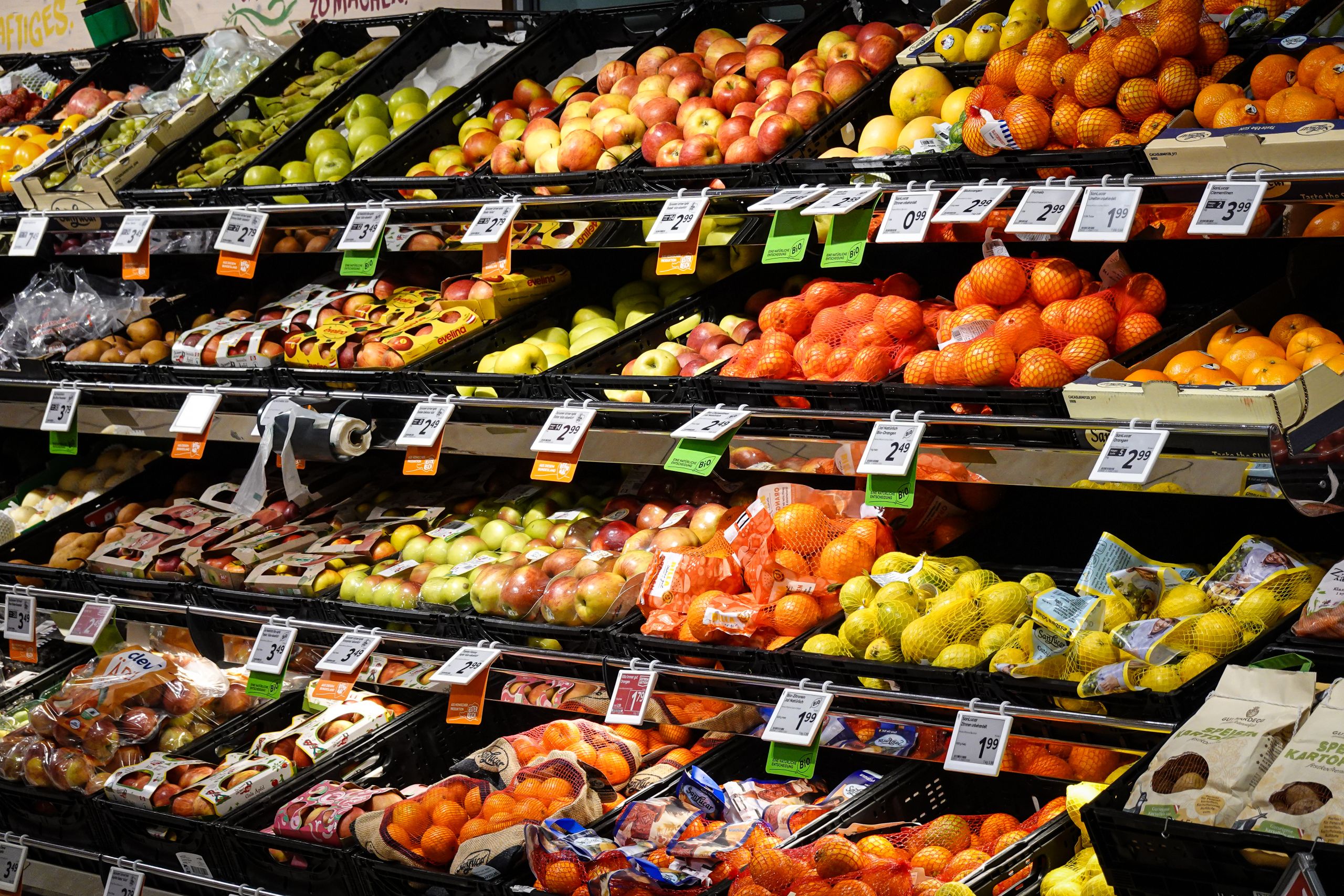
Now the small labels carrying those numbers are at the center of a growing dispute between organized labor and major retailers.
The United Food and Commercial Workers International Union is renewing its demand for lawmakers to ban electronic shelf labels and surveillance pricing in grocery stores.
Retailers defending the technology say it replaces time-consuming paper-tag changes, improves accuracy, and does not automatically determine what customers pay.
The disagreement raises a practical question for anyone filling a cart: does changing the way a price is displayed also change the rules behind it?
What the Union Is Asking For
In a November 4 statement following the midterm elections, UFCW International President Milton Jones urged lawmakers to prohibit both surveillance pricing and electronic shelf labels in grocery stores.
The union, which says it represents 1.2 million workers across North America, connects the demand to affordability and protecting grocery jobs.
Its position is preventive. The UFCW wants lawmakers to restrict tools it believes could facilitate pricing practices that disadvantage shoppers, while preserving work currently performed by store employees.
The union is asking lawmakers to act. Its demand is not a nationwide ban.
The renewed appeal makes the technology part of the union’s legislative priorities rather than simply a discussion about store equipment.
What Electronic Shelf Labels Actually Do
Electronic shelf labels are digital displays that replace printed price tags. They allow approved information to be updated remotely instead of requiring an employee to replace each paper label.
Think of the distinction between the display and the decision behind it.
A label communicates a price. A retailer’s pricing process determines the number that appears.
Digital displays can make updates easier, but that capability does not prove a store changes prices constantly, responds to individual shoppers, or raises prices during busy periods.
A paper tag can display a higher price, too. The central question is how the retailer sets prices and what controls apply, not simply whether the number appears on paper or a screen.
For customers comparing products, the immediate concern remains familiar: a readable price, clear offer conditions, and consistency at checkout.
Why Workers Are Concerned
Replacing a repetitive task can mean different things to different people.
For a retailer, less time spent changing labels may mean employees can spend more time stocking shelves or helping customers. For workers, the concern is whether saved labor time will instead translate into fewer hours or positions.
The UFCW’s November statement frames protecting jobs as part of its reason for seeking a ban.
The union’s concern is about how retailers may use the time saved, while retailers defending the technology say employees can focus on other store tasks.
Shoppers’ and workers’ questions meet in the aisle. Customers want help finding products and understanding prices. Employees want to know what changing store technology will mean for their work.
A faster labeling process does not, by itself, settle either issue.
How Walmart Describes Its System
On its official pricing and digital shelf label information page, Walmart says the labels display prices established through its pricing processes rather than independently setting them.
The company says the technology reduces manual errors and helps align shelf prices with checkout prices. It says the time saved lets associates focus on stocking, fulfilling orders, and serving customers.
Walmart also states that its labels contain no cameras or microphones, cannot identify shoppers, and do not collect customer information.
For prices it controls, the retailer says customers at a given store see and pay the same base price regardless of their identity or perceived willingness to pay.
It also says it does not use labels or artificial intelligence to automatically increase those prices because of short-term demand, such as a heat wave.
Those commitments describe Walmart’s system; other retailers may use different equipment and policies.
Digital Labels and Personalized Prices Are Different
The terms in this debate can sound interchangeable, but they describe different things.
Electronic shelf labels are display hardware. Dynamic pricing generally refers to prices changing with conditions such as demand or inventory. Surveillance pricing concerns using personal information to determine what an individual is charged.
One does not automatically establish the others.
In Business Insider’s reporting on the union’s renewed demand, retailers defended electronic labels as tools for efficiency and accuracy. The report also noted statements from Walmart and Target rejecting the use of personal information to charge shoppers higher individualized prices.
Loyalty discounts add another distinction. A clearly identified membership offer is not the same proposition as secretly estimating the highest price a particular shopper might accept.
Keeping those categories separate helps customers evaluate an actual policy rather than assume every digital tag works the same way.
What Shoppers Can Check Now
Customers do not need to resolve the legislative debate before shopping.
Check the product size, displayed price, and any membership or promotional conditions. If the checkout price differs, ask an employee to review it and explain the store’s policy.
A photograph of the shelf label can help identify the item and offer involved.
The larger debate remains open: the union wants restrictions before potential harms develop, while retailers defending the technology emphasize its operational benefits and their pricing safeguards.
What would give you more confidence in a digital grocery aisle: clearer pricing rules, stronger worker protections, or a simple guarantee that the shelf and checkout prices will match?