Water does not look exciting, and that is exactly why people underestimate it. It has no luxury label, no miracle promise, and no dramatic wellness language. Yet your body and brain notice when you keep pushing through the day underhydrated.
The problem is that poor hydration does not always scream for attention. Sometimes it shows up as brain fog, crankiness, headaches, snack cravings, darker urine, and that heavy afternoon slump people blame on age, stress, or laziness. These ten points explain why ignoring water can quietly make daily life harder than it needs to be.
Your Brain May Feel Foggy Before Lunch
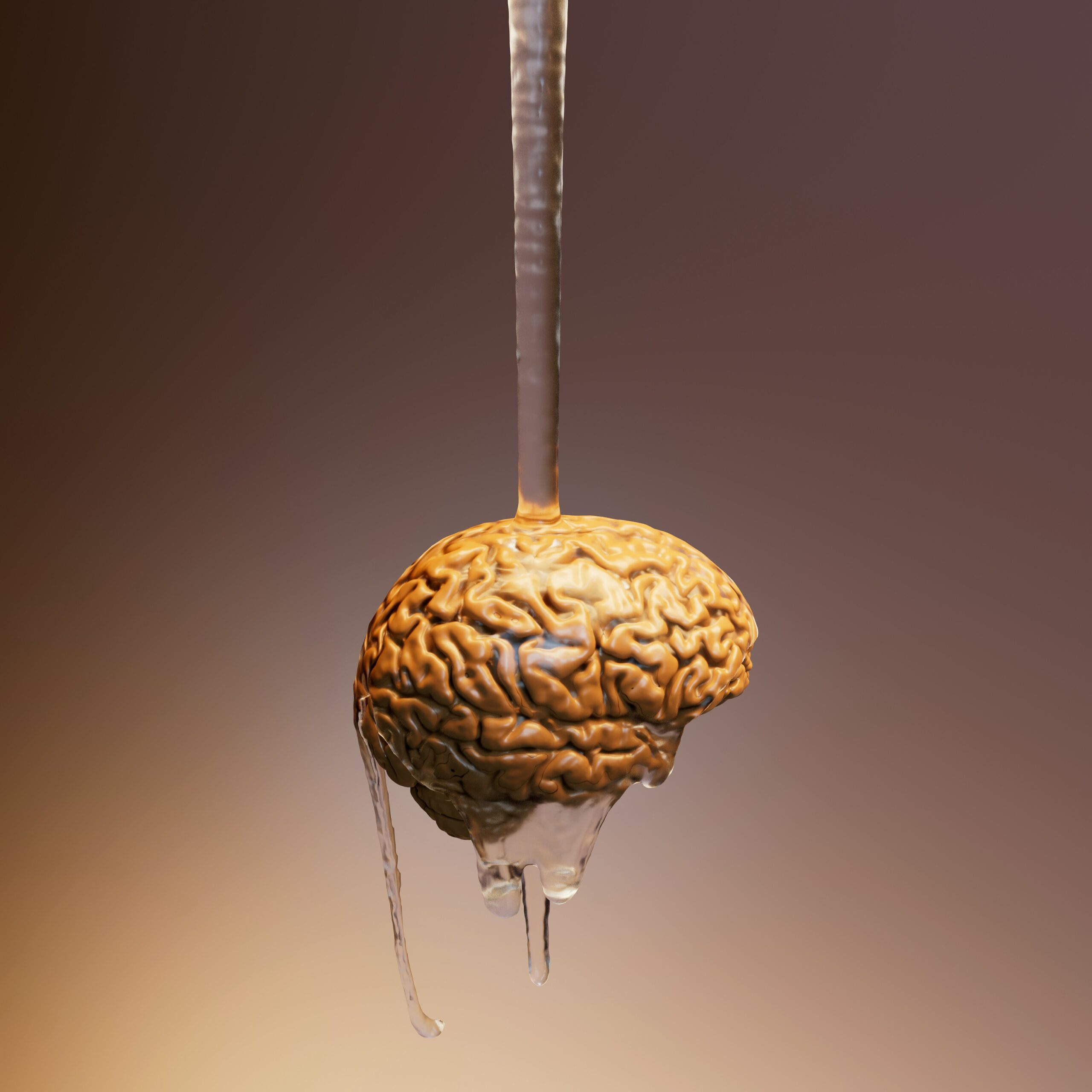
Poor hydration can turn a normal morning into mental mud. You may read the same line twice, lose your train of thought, or feel oddly slow during simple tasks. The linked experiment found that better hydration was associated with clearer mood and fresher energy, which makes sense because the brain depends on steady fluid balance to function well. Water will not make anyone a genius overnight, but ignoring it can make focus feel harder than it should. When the mind feels dusty, the bottle beside you may be the easiest first fix. It is boring, cheap, and easy to forget, which is exactly why people miss it so often.
Your Mood Can Get Irritable for No Obvious Reason
Dehydration can make small annoyances feel bigger than they are. A noisy room, a long email, or one delayed reply may suddenly feel personal when your body is already running low. The original experiment noticed a better mood after building a water routine, and that is the part many readers will recognize. Hydration will not solve stress, heartbreak, or burnout, but it can remove one physical trigger that makes patience thinner. Sometimes the attitude problem is partly a fluid problem in disguise. Before blaming the whole day, check whether your body has had enough water first today, properly too.
Headaches May Keep Sneaking Into Your Day
A dull headache can come from screens, tension, poor sleep, skipped meals, or caffeine changes, but low water intake can join that messy lineup. In the water challenge, fewer headaches became one of the most noticeable benefits. That does not mean water is a cure for every headache, and ongoing pain deserves medical attention. Still, if the same afternoon ache keeps arriving, hydration is too simple to ignore. A glass of water may not fix everything, but it can stop dehydration from adding fuel to the fire. At the very least, it gives your body one less reason to complain later again today.
Your Energy Can Crash Without Drama
Poor hydration does not always make you collapse. Sometimes it simply drains the color out of your afternoon. You keep working, answering messages, and moving through the day, but everything feels heavier than it should. The writer in the source article felt less sluggish after drinking more consistently, which gives the habit a practical edge. Energy depends on sleep, food, movement, stress, and health, but water belongs in that conversation. Ignoring it can make tiredness feel like your default personality. That is a cruel trick for something so easy to correct with attention and routine daily.

Snack Cravings Can Start Lying to You
Thirst can masquerade as hunger, especially when you are busy, distracted, or eating out of habit. You may reach for chips, candy, or another quick bite when your body actually wants fluid and a pause. The source experiment found that drinking more water reduced cravings for unhealthy snacks. That does not mean water should replace meals, because real hunger deserves real food. But before you blame weak willpower, check the basics. Sometimes the craving is not a character flaw. It is a dry signal with bad timing. A quick drink can help you read the message more clearly before you start snacking.
Your Urine May Expose the Truth
Your body often leaves clues before you feel seriously thirsty. Darker urine may suggest you need more fluids, while a lighter shade can point toward better hydration. The source article used urine color as one practical sign during the week-long challenge. It is not a perfect test because vitamins, medications, foods, and health conditions can also change color. Still, it is an easy, everyday warning light. If your body keeps sending the same dark signal, pretending not to notice will not make the message disappear. Sometimes the bathroom gives the most honest review of your habits each day, quietly.
Your Workouts Can Feel Harder Than They Should
Sweat changes the hydration equation fast. A walk in hot weather, a gym session, a long shift, or a busy day outdoors can increase your fluid needs without asking permission. When you do not keep up, normal movement may feel tougher, slower, and more uncomfortable. This is why one fixed water target cannot fit everyone perfectly. Activity level, climate, body size, and health all matter. The danger is treating water like an afterthought, then wondering why your body feels irritated before the day is even done. Hydration should be part of movement, not an apology after it ends badly again.

Your Digestion May Get Stubborn
Water helps keep the body’s ordinary systems moving, and digestion is one of the first places people may notice trouble. Too little fluid can increase the risk of constipation, especially when your meals include fiber but your water intake stays low. Fiber needs fluid to work comfortably. Without it, healthy eating can still leave you feeling stuck and bloated. Water will not fix every stomach problem, but it supports the boring basics that matter. Ignore those basics long enough, and your body may complain in uncomfortable ways. No wellness routine feels glamorous when your gut is protesting.
You May Turn Hydration Into a Dangerous Competition
The ugly twist is that more water is not always smarter. Some people turn hydration into a challenge, forcing themselves to drink huge amounts because they think clear skin, perfect focus, or instant wellness is waiting at the bottom of the bottle. Drinking too much too fast can be unsafe because the body needs balanced electrolytes, not endless fluid. People with kidney, heart, or medical issues should be extra careful and follow professional advice. The goal is steady hydration, not winning a water-drinking contest nobody asked for. Health should feel sensible, not extreme, pressured, or performative at all times.
You May Miss the Easiest Health Upgrade
Water is not glamorous, which is probably why many people ignore it. No complicated app, expensive powder, or dramatic morning ritual is required. Keep a bottle nearby, drink with meals, refill after bathroom breaks, add lemon or mint, or pair water with routines you already do. The original experiment worked because the habit became easy to remember, not because it demanded perfection. That is the real lesson. When a basic habit can improve daily comfort, ignoring it starts looking less like freedom and more like self-sabotage. The simplest fix is often the one hiding in plain sight, too.

Conclusion
Ignoring water can make ordinary life feel rougher than it needs to be. Your brain may feel cloudy, your mood may feel sharper, your energy may dip, and your body may send signals you keep brushing aside. Hydration will not solve every health issue, but it supports enough daily functions to deserve more respect.
The smartest approach is steady, flexible, and realistic. Drink regularly, adjust for heat and activity, pay attention to thirst and urine color, and avoid turning hydration into an extreme challenge. Sometimes the most useful health habit is also the least dramatic one, sitting right beside you.