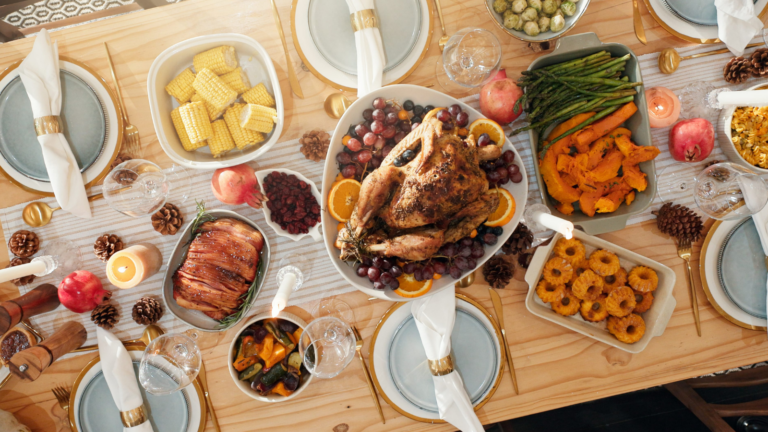
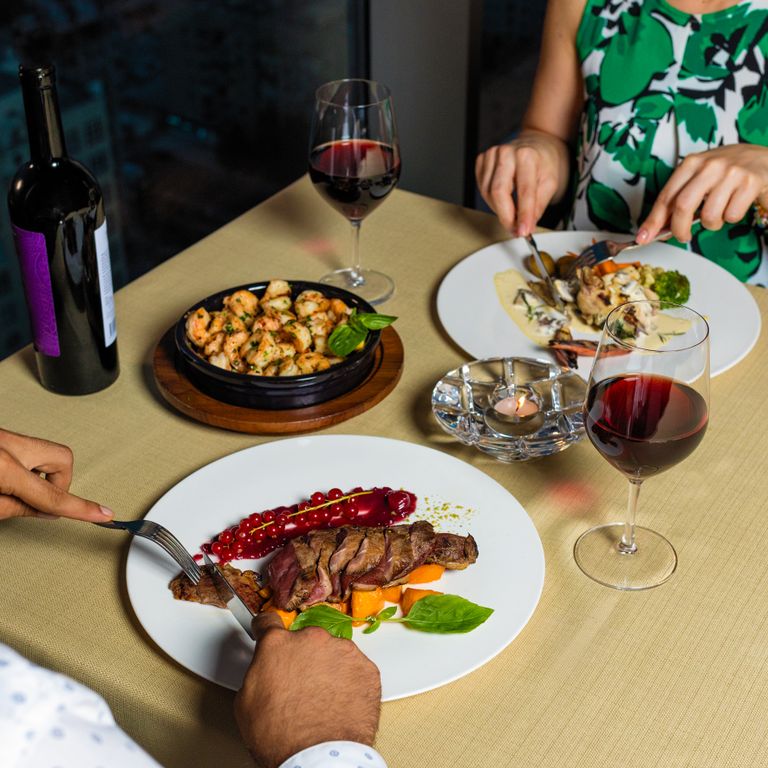
The presents are only part of the holiday bill. Before the wrapping paper comes out, there may be a family dinner to plan, a contribution to a neighborhood gathering and a host gift to pick up on the way.
Each purchase can seem manageable on its own. Together, they compete for the same money.
This holiday season, Americans are balancing the desire to celebrate with concerns about what those celebrations will cost. Some expect to spend more, but that does not necessarily mean buying more gifts or planning a bigger dinner.
For households juggling presents and holiday meals, the challenge is deciding which purchases belong on the list and which can be left behind.
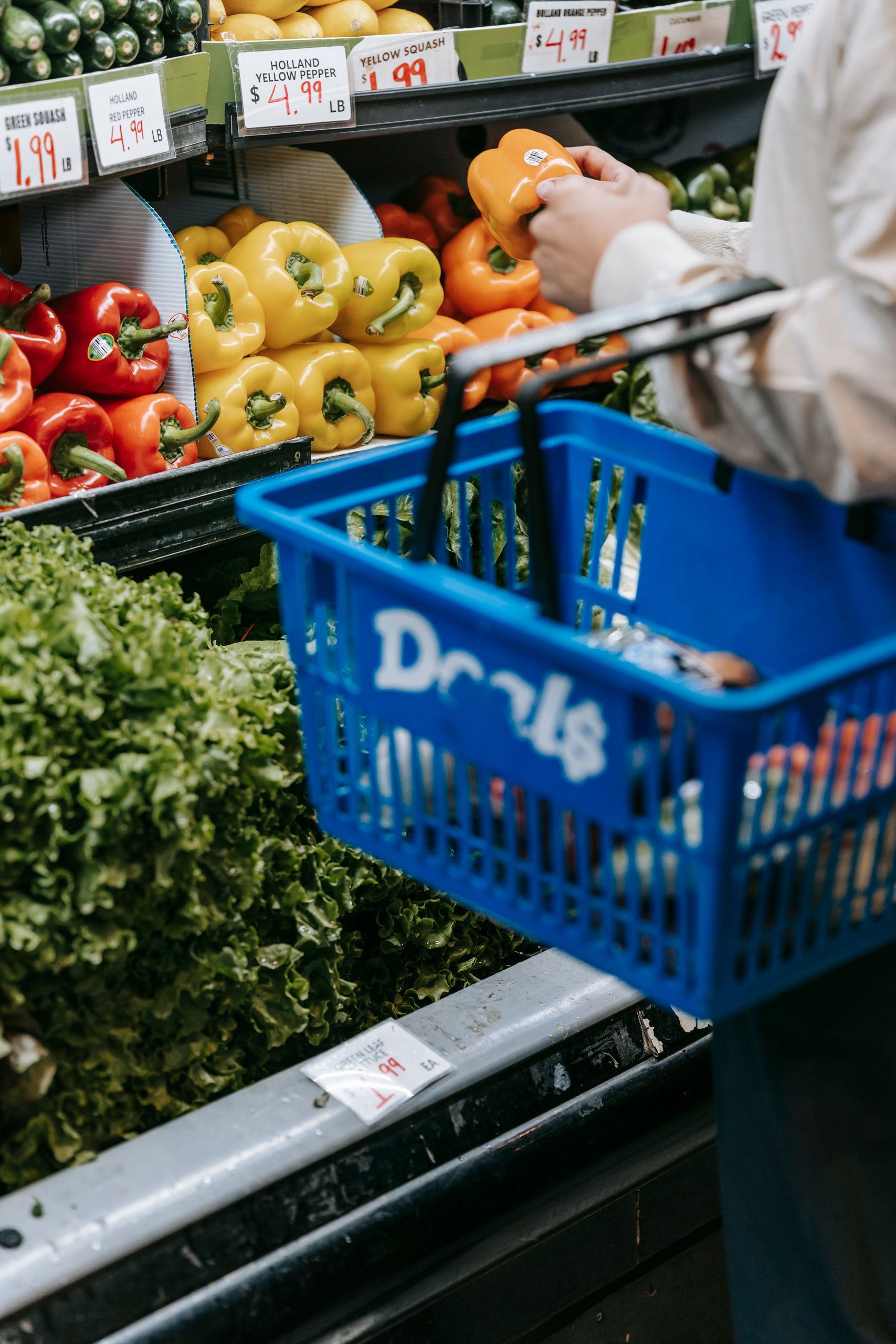
A Bigger Spending Plan Does Not Mean a Bigger Celebration
According to Deloitte’s 2026 Holiday Retail Survey, consumers plan to spend an average of $1,654 this season, up 4% from $1,595 in 2025.
The online survey included 4,000 U.S. consumers and was conducted from August 26 through September 10. The total spending covers retail purchases and holiday activities, not gifts alone.
These are intentions, not completed purchases. The increase also does not mean holiday prices have risen by the same percentage.
Still, 79% of respondents expected higher prices ahead. Deloitte also found that shoppers expected to spend more on goods and less on activities.
For your household, the national average is background information, not a target. Put presents, groceries, outings, and hosting supplies on the same page before deciding what each category deserves.
That gives dinner ingredients a place in the conversation before gift shopping absorbs all the attention.
Shoppers Are Looking for Value, Not Just More Purchases
Price concerns are influencing how people approach the season. Circana’s 2026 U.S. Holiday Purchase Intentions Study, which surveyed 3,534 consumers, found that 74% expect to adopt money-saving behaviors.
Those strategies include seeking deals, purchasing promotional items, buying store brands, and reducing discretionary spending. Among respondents expecting to spend more, over half identified higher prices as the primary reason.
A discounted kitchen appliance still needs room in the budget. So does a gift basket assembled from several inexpensive items.
Before checking out, return to the original list. Is this something you intended to buy? Would the recipient use it? Have you included delivery, packaging, or anything else needed to complete the gift?
A sale can improve a planned purchase. It does not have to create another obligation.

Put the Holiday Table on the List Early
For people who enjoy cooking, the celebration begins long before dinner. There are recipes to choose, ingredients to buy, and decisions about what guests might bring.
Leaving those expenses until the end can make the menu compete with purchases already made.
Circana reports that more than one-third of shoppers are canceling or delaying holiday travel because of higher costs. Its findings also point to more attention on at-home celebrations, entertaining, and gift-giving.
Staying home is not automatically cheaper. The cost depends on what replaces the trip and how much hosting a household takes on.
Start with what matters most about the meal. That might be a favorite main dish, a family dessert, or enough time to sit together.
Build around that priority. Keep one elaborate recipe and simplify the accompaniments. If guests would welcome contributing, agree on specific dishes rather than leaving everyone to guess.
Choose the arrangement that fits your budget and the gathering you want to host.
When Dinner Becomes Part of the Gift
A meal can also belong on the gift list, not just the hosting budget.
Half of Deloitte’s surveyed shoppers planned to give an experience, up 11 percentage points from 2024. Restaurant gift cards or in-person meals led its experience-gift list, at 37%.
Among respondents planning experience gifts, 79% expected to pair them with physical items.
For someone who loves cooking, that could mean a cookbook accompanied by an invitation to make a recipe together. For another recipient, it might mean a small present tucked beside dinner plans.
The shared occasion need not replace a wrapped gift. It can make the present more personal.
Be clear about what you are offering, whether that is dinner at home, a restaurant outing, or a contribution toward an evening out. Consider the recipient’s preferences and make arranging the date straightforward.
The gesture does not have to be elaborate. Its purpose is to offer something the person would enjoy, with time together built into the invitation.
Give Gifts a Purpose Before Giving Them a Price
Deloitte found that 47% of respondents prefer giving one meaningful, higher-cost gift rather than several smaller ones.
Meaning, however, does not require an expensive purchase.
Ask what someone would use before guessing. Perhaps a cooking enthusiast needs to replace a worn tool or would enjoy an ingredient they rarely buy.
For food gifts, price the whole project, including containers and wrapping. Homemade can be personal without automatically being cheaper.
Families can also discuss spending limits or agree on an adults-only gift exchange before shopping begins. The aim is shared understanding, not making one household’s finances everyone else’s standard.
Make Room for What Matters Most
The broader retail outlook points toward growth. Reuters reported on November 5 that Visa forecasts U.S. holiday retail sales will rise 4.5% in November and December compared with a year earlier.
That national forecast does not predict what any particular family will spend.
Your own plan can be more specific: a meal worth gathering for, a present chosen with care and extras that remain optional.
The point is not to strip the holiday of pleasure. It is to preserve the parts you value without letting every invitation, display, or promotion decide what you should buy.
When the dishes are cleared and the wrapping paper is gone, what would you most like your holiday spending to have made possible?