Selling gift cards for cash sounds easy until the wrong move turns free money into a fresh headache. Americans are cleaning out drawers, unused wallets, holiday leftovers, and digital inboxes, hoping to turn unwanted cards into something more useful. Yet the process can get messy fast when people rush, trust the wrong buyer, or ignore small warning signs.
A gift card can feel harmless because it looks simple and familiar. That is exactly why people sometimes treat it too casually when money sits behind the code. Before anyone turns that plastic or digital balance into cash, these mistakes deserve a closer look.
Trusting Random Buyers Too Quickly

The biggest mistake starts when people trust a stranger just because the offer sounds friendly. A buyer may seem polite, quick, and eager, but that does not mean the deal is safe. Would you hand cash to someone in a parking lot after a charming text message?
Gift card scams often work because sellers want speed. The buyer asks for the card number, the security code, or a screenshot before sending payment. Once that information leaves your hands, the balance can vanish faster than your motivation on laundry day.
A safer approach starts with patience. Sellers should use platforms with clear rules, buyer checks, and payment protection. When selling gift cards for cash, trust should be earned, not gifted like leftover holiday candy.
Ignoring The Platform Reputation
Some people choose the first website that appears during a search. The homepage looks shiny, the promise sounds easy, and the payout seems tempting. That is not research, friend, that is internet roulette.
A reliable platform should have clear contact details, transparent rules, and real user feedback. It should explain how payments work and what happens if a deal goes wrong. If the site hides basic information, that silence is already talking.
Reputation matters because gift card deals rely on trust. A weak platform can delay payment, undervalue the card, or leave sellers stuck with no support. FYI, a fancy logo does not pay your bills.
Sharing Card Details Before Payment Clears

Many sellers make the risky move of sharing card information too early. They send the code, wait for payment, and then watch the buyer disappear. That kind of lesson stings because it feels preventable.
Gift cards work like cash once someone has the details. A scammer can drain the balance before the seller even refreshes the payment app. By the time the seller complains, the money may already be gone.
The safer rule is simple. Never release usable card details until the payment process protects both sides. If a buyer pressures you to move faster, that pressure may be a warning.
Forgetting To Check The Balance First
Some sellers list gift cards without verifying their actual balance. They assume the card still holds the full amount because nobody remembers using it. Then the deal becomes awkward when the buyer finds that the value is less than promised.
An imbalance can make an honest seller look careless. It can also lead to disputes, refunds, negative ratings, and wasted time. Nobody wants drama over a card that was supposed to simplify life.
Checking the balance before listing keeps the process clean. It also helps the seller set a fair price and avoid surprises. A tiny balance check can save a very loud headache later.
Accepting Deals That Sound Too Good
A high offer can make people ignore common sense. If a buyer offers almost full value for a card that others discount heavily, something may feel off. Why would a stranger overpay unless they expect to win another way?
Too-good-to-be-true deals often hide tricks. The buyer may send a fake payment notice, reverse the payment, or request additional verification details. The seller feels lucky at first, then suddenly needs a nap and a fraud report.
Smart sellers compare offers before accepting anything. They look for realistic payouts rather than fantasy money. IMO, fast cash should not come with a mystery plot twist.
Using Unsafe Payment Methods

Payment choice can make or break the sale. Some methods give sellers little protection if the buyer disputes, cancels, or reverses the transaction. That creates a painful gap between sending the card and actually keeping the money.
Unsafe payment methods often benefit the scammer. They can make a fake receipt, claim a transfer is pending, or vanish after receiving the code. The seller may feel trapped because the platform cannot help outside its rules.
A secure payment process should feel boring in the best way. It should confirm funds clearly and protect the transaction from sneaky reversals. Boring money is better than exciting regret.
Overlooking Expiration Rules And Fees
Some gift cards come with details people forget to read. There may be inactivity rules, usage limits, brand restrictions, or conditions that affect resale value. That tiny print can quietly decide how much cash the seller actually gets.
Buyers care about these rules because they affect the usefulness of the product. A card that seems valuable may become less attractive if it carries restrictions. Sellers who ignore these details may price the card too high and wonder why nobody bites.
Reading the terms helps sellers avoid embarrassment. It also helps them describe the card clearly and honestly. The more accurate the listing, the smoother the sale.
Selling Cards From Risky Sources
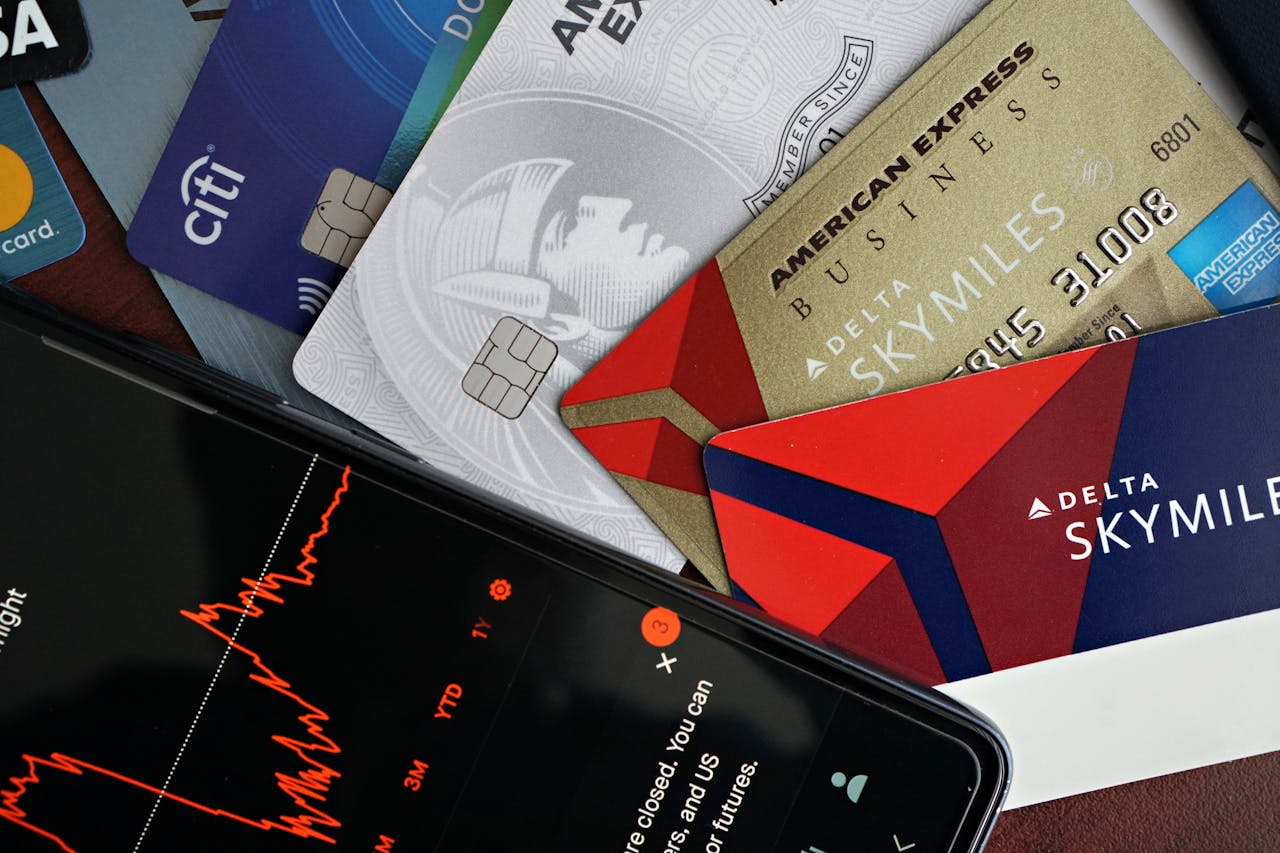
A gift card may feel sellable just because it is in your hands. Still, sellers should know where the card came from before listing it. Cards tied to questionable refunds, unknown senders, or suspicious promotions can create trouble.
Platforms may reject cards that raise concerns. Buyers may also report problems if the card later gets blocked or flagged. That can leave the seller with frozen funds and a very unpleasant customer service conversation.
Clean origin matters when selling gift cards for cash. Sellers should only list cards they own, understand, and can explain. If the source feels shady, walking away may save more money than selling it.
Forgetting About Personal Information
Digital gift cards can carry hidden personal details. Emails, screenshots, receipts, names, order numbers, and account links may appear in places sellers overlook. That can turn a simple sale into a privacy mistake.
People often focus on the balance and forget the background information. A screenshot might reveal an email address or account clue. That is the kind of tiny leak that feels harmless until it becomes annoying.
Sellers should clean up what they share before sending proof. They should reveal only the details needed to complete the sale safely. Privacy is not paranoia, it is basic housekeeping for your money life.
Chasing Speed Instead Of Safety

The final mistake is rushing the whole process. People want quick cash, so they skip checks, accept weak offers, and ignore their own doubts. Speed feels useful until it starts acting like a trap.
Scammers love urgency because it shuts down careful thinking. They push sellers to send codes now, confirm now, decide now, and trust now. Funny how panic always seems to benefit the person asking for your money, right?
Safe selling takes a little patience. It means checking the balance, choosing a trusted platform, reviewing the buyer, and confirming payment. A slower sale can still feel better than a fast disaster.
Conclusion
Selling unwanted gift cards can be a smart way to recover value from money sitting unused. Many people would rather have grocery cash, gas money, or bill money than a card for a store they rarely visit. That makes the idea practical, especially when budgets feel tight.
Still, the process deserves caution. The most terrifying mistakes people make when selling gift cards for cash usually come from rushing, trusting too quickly, or ignoring small details. A gift card may look simple, but the balance behind it needs protection.
The best sellers act like calm detectives. They check the balance, compare offers, protect personal details, and choose secure payment methods. They do not let a pushy buyer or shiny website rush them into a bad decision.
Turning gift cards into cash should feel helpful, not hazardous. With the right steps, sellers can avoid scams, reduce stress, and walk away with money they can actually use. That is the whole point, because nobody needs extra drama from a card that was supposed to be a gift.