A beach vacation can make almost anything taste better. The salt air, the flip flops, the sunburned shoulders, the kids asking for fries, and the promise of “fresh catch” all work together like a sales pitch. By dinner, many Americans are ready to pay tourist town prices for seafood because it feels like part of the trip.
That is where the trap begins. Some beach town seafood restaurants are unforgettable for the right reasons, but others coast on location, nostalgia, and ocean views while serving meals that feel overpriced, overfried, or underwhelming.
A lobster roll beside the water can be magic, but a soggy basket of shrimp with a $28 price tag can leave a family quietly doing math at the table.
The problem is not seafood itself. The problem is how easily travelers confuse “near the beach” with “fresh,” “busy” with “good,” and “famous” with “worth it.” Before we let a pretty view talk us into a disappointing dinner, these are the seafood restaurant traps Americans should watch for in beach towns.
Paying Oceanfront Prices for Average Fried Seafood

The easiest trap in any beach town is assuming a waterfront table guarantees a great meal. Many restaurants charge premium prices because they have a view, not because the kitchen is doing anything special.
A fried shrimp platter can look exciting when it lands beside a cold drink and a sunset, but the thrill fades fast when the coating is greasy, the fries are limp, and the seafood tastes as if it came from the same supplier as every other spot on the strip.
We should not dismiss a restaurant just because it is touristy, but we should pay attention to what the plate actually delivers. A strong seafood spot usually has crisp batter, clean oil, balanced seasoning, and seafood that still tastes like itself under the crunch.
A weak one hides everything under breading, sauce, and a pile of fries. If the view is doing more work than the kitchen, the bill will sting later.
Believing Every “Fresh Catch” Claim on the Menu
“Fresh catch” may be the most abused phrase in beach dining. It sounds local, clean, and honest, but it does not always tell us much. Fresh from where? Caught when? Landed by whom? A restaurant can sit a few steps from the ocean and still serve fish that traveled through the same distribution chain as an inland chain restaurant.
The better places are more specific. They name the fish clearly, explain the preparation, and often know where the seafood came from. In places like Maui, Maine, Charleston, Destin, and San Francisco, the best restaurants understand that sourcing is part of the story.
When a server can explain the day’s catch without sounding confused, that is a good sign. When the menu uses vague language, and the staff cannot answer basic questions, we should be careful.
Falling for Famous Names Without Checking the Current Experience
Some seafood restaurants earn legendary status over decades. That kind of history matters. Joe’s Stone Crab in Miami Beach, Swan Oyster Depot in San Francisco, The Clam Shack in Maine, and Mama’s Fish House in Maui all carry reputations built over time. The trap comes when travelers assume every famous name still fits every budget, mood, or expectation.
A famous restaurant can still be excellent and still be the wrong choice for a tired family, a tight budget, or a casual dinner after a long beach day. Lines may be long. Reservations may be hard. Prices may be high.
Portions may not match what a visitor imagined. Before we chase a name, we should decide what we actually want: a bucket list meal, a quick lobster roll, a raw bar experience, or a low stress family dinner.
Letting Long Lines Trick Us Into Ignoring Better Options
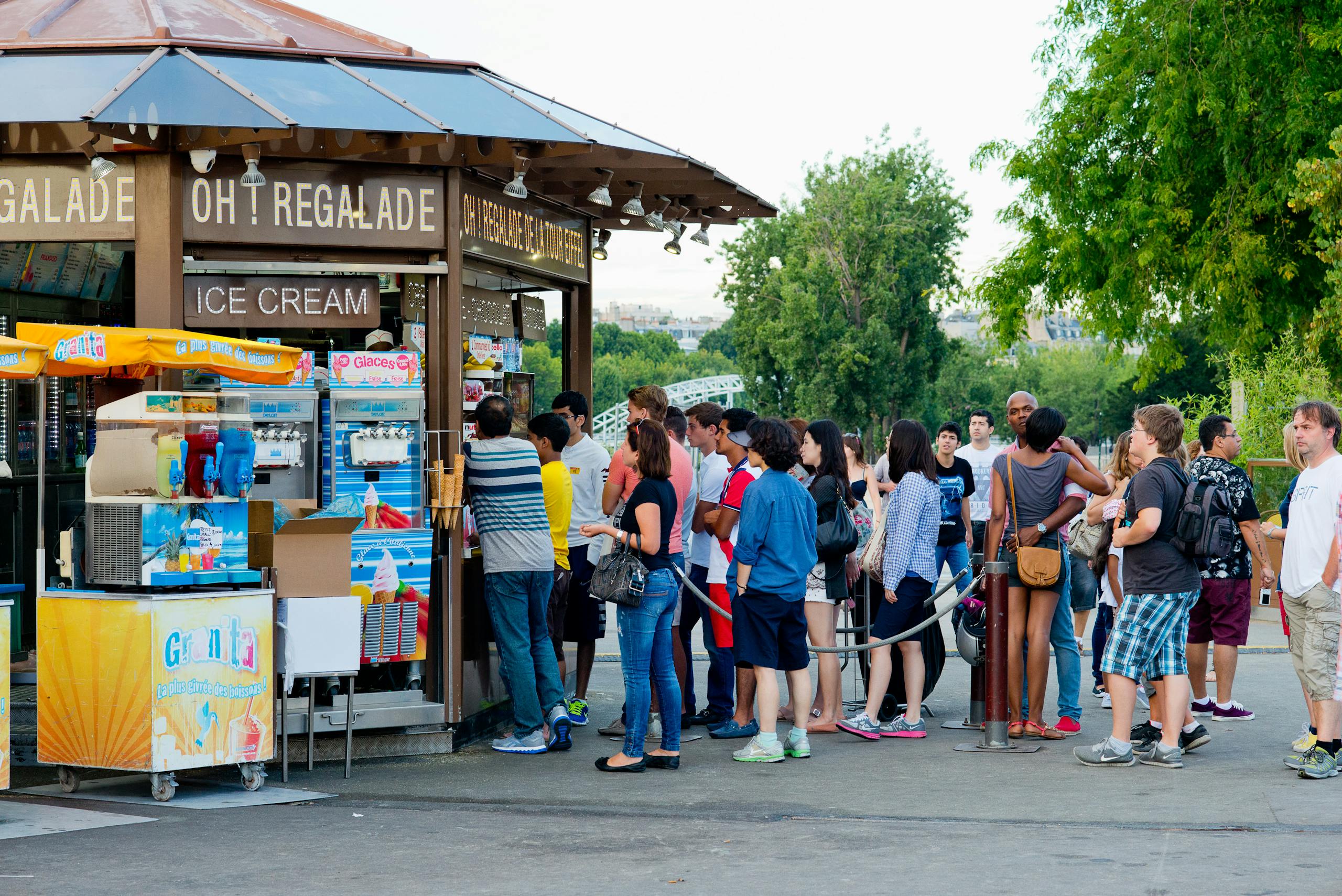
A line outside a seafood shack can mean the food is outstanding. It can also mean the restaurant is famous on social media, short staffed, badly organized, or simply located where everyone walks by. In summer beach towns, crowds often gather because tourists do not know where else to go.
That creates a loop: people see a line, assume it means quality, join the line, and help make the place look even more important.
We should treat long lines as a clue, not proof. If the menu is focused, the turnover is fast, and locals seem to be eating there too, the wait may be worth it. If the line is mostly confused tourists staring at phones, the food may not justify an hour in the sun. The smartest travelers keep a backup seafood spot nearby so hunger does not make the decision for them.
Ordering Lobster Rolls in Places That Do Not Specialize in Lobster
The lobster roll has become beach town bait. It looks good in photos, sounds luxurious, and makes a menu feel coastal. The problem is that not every beach town is lobster country. A lobster roll in Maine or Boston can be the star of the trip. A lobster roll in a place where the kitchen is better known for shrimp, oysters, crab, or grouper may be an expensive mistake.
We should order by region. In Maine, get lobster rolls, fried clams, chowder, haddock, and steamed lobster. On the Gulf Coast, focus on shrimp, oysters, crab, grouper, crawfish, and chargrilled preparations.
In the Pacific Northwest, look for oysters, salmon, crab, and clams. In Hawaii, fresh fish should lead the meal. The best seafood order usually follows the coastline, not the trend.
Mistaking Huge Portions for Good Value
Beach town seafood plates can be enormous. A mountain of fries, hush puppies, coleslaw, fried shrimp, and tartar sauce can make a table feel like it won something. But big does not always mean good value. If most of the plate is filler and the seafood is small, bland, or buried in breading, the restaurant is selling volume instead of quality.
Good value means the meal feels fair after the excitement wears off. A smaller plate of excellent oysters, sweet crab, crisp fried clams, or properly cooked fish can beat a giant basket that tastes heavy halfway through. We should look for quality signals: fresh texture, clean flavor, careful cooking, and a plate that does not rely on sauces to hide weakness.
Ignoring Local Seafood Traditions

One of the biggest mistakes travelers make is treating every coastal restaurant the same. Seafood is regional. New Orleans chargrilled oysters are not the same experience as Rhode Island raw oysters. Charleston shrimp and grits carry a different history from San Francisco crab cocktails. A Maine clam shack is built around different expectations than a Maui fish house.
The best meals happen when we let the place guide the plate. Felix’s in New Orleans makes sense for chargrilled oysters and Gulf flavor. The Ordinary in Charleston fits oysters, shellfish, and Lowcountry seafood.
Swan Oyster Depot belongs to the counter service seafood tradition of San Francisco. The Original Oyster House in Gulf Shores works because it leans into Gulf oysters and Southern seafood comfort foods. When we ignore regional identity, we miss the real reason to eat by the coast.
Choosing the Most Convenient Restaurant Near the Hotel
After a long beach day, convenience becomes powerful. Nobody wants to drive, park, wait, or argue over dinner. That is how many travelers end up at the closest seafood restaurant with the biggest sign. Sometimes it works. Often, it leads to the kind of meal people describe later as “fine,” which is usually polite code for forgettable.
A little planning can save the night. We should check menus before hunger takes over, look for places with clear seafood specialties, and avoid restaurants that seem designed only to catch tired tourists. The best beach town seafood restaurants do not always sit directly beside the hotel.
Sometimes the better meal is a short drive away, near a working dock, an old counter, a local oyster bar, or a family run spot that does not need neon to survive.
Forgetting That Raw Bars Require Trust
Raw oysters, clams, and seafood towers can be the highlight of a coastal meal. They can also be risky choices when a restaurant does not appear careful, clean, or knowledgeable. A good raw bar should feel organized. The oysters should be cold, properly shucked, and identified by type or origin. The staff should know what they are serving and how to describe flavor differences.
We should be extra selective with raw seafood. Busy, respected raw bars usually move product quickly, which helps freshness. Places known for oysters, such as Matunuck Oyster Bar, Hog Island Oyster Co., Elliott’s Oyster House, Swan Oyster Depot, and The Ordinary, build their identity around shellfish quality. A random tourist bar with a vague oyster special and no clear sourcing may not deserve the same trust.
Assuming Casual Means Cheap

Some of America’s most beloved seafood spots look simple. Picnic tables, counter seats, handwritten menus, paper baskets, and walk up windows can make diners expect bargain prices. Then the total arrives, and suddenly that casual lobster roll lunch feels closer to a full dinner bill. Seafood is expensive, labor is expensive, rent near the water is expensive, and famous casual spots know what people will pay.
The trick is not to avoid casual seafood restaurants. The trick is to understand the value before ordering. A high priced lobster roll can still be worth it if the lobster is generous, sweet, and fresh. A pricey oyster bar can make sense if the shellfish is excellent. But we should not let a paper plate fool us into thinking the meal will be cheap. A casual atmosphere does not always mean casual pricing.
Conclusion
Beach town seafood can be one of the great American vacation pleasures, but it can also become one of the easiest ways to overspend. The ocean view, the famous name, the long line, and the promise of “fresh catch” can make almost any restaurant look better than it is. That is why the smartest diners look past the mood and judge the details.
The best seafood restaurants usually have a clear identity. They respect their region, serve dishes that match the coast, move seafood quickly, and do not rely on tourist decor to create excitement. A great lobster roll in Maine, chargrilled oysters in New Orleans, stone crab in Miami Beach, fresh fish in Maui, or Gulf shrimp in Alabama can become a real vacation memory.
The trap is believing every beach restaurant deserves that trust. Some do. Some only sell the view. When we choose carefully, order regionally, and stop letting hunger make expensive decisions, we give ourselves a better chance at the seafood meal every beach trip promises.