A tidy home should make life easier, not turn every drawer, shelf, cabinet, and closet into a store display. The problem is that many home organization products promise order but quietly create the exact opposite. They look beautiful online, photograph well, and feel productive in the shopping cart, but once we bring them home, they often demand more space, more maintenance, and more money.
We should treat an organization like a practical system, not a decorating trend. The best organizing tools help us see what we own, reach what we use, and stop buying duplicates.
The worst ones hide clutter behind pretty packaging, create extra steps, or solve a problem we never really had. Before we spend another dollar on bins, baskets, labels, racks, dividers, and specialty holders, we need to know which products often become clutter in disguise.
Pricey Decorative Baskets That Do the Same Job as Cheaper Ones

Expensive baskets are one of the easiest traps in the home organization aisle. They look warm, polished, and stylish, especially when stacked neatly on a shelf, but they rarely offer more function than a simple, lower cost bin.
We may pay extra for woven texture, trendy colors, matching handles, or a designer look, yet the actual storage capacity stays almost the same. A basket does not become more useful just because it looks expensive.
The bigger issue is that decorative baskets often encourage us to hide clutter instead of sorting it. We toss cords, toys, mail, beauty products, or random household items inside, then forget what we stored. Over time, the basket becomes a soft looking junk drawer.
We get a cleaner surface, but not a better system. A smart alternative is to use affordable, sturdy, easy to clean containers that match the size and purpose of the items we actually need to store.
Opaque Storage Bins That Hide What We Need
Opaque bins may look neater than clear containers, but they create a daily guessing game. We cannot see what is inside, so we open box after box looking for seasonal clothes, craft supplies, pantry refills, holiday decorations, or old documents. That extra friction matters. When a storage product makes retrieval harder, it fails the most basic test of organization.
Clear bins usually work better because they reduce the need for memory. We can glance at a shelf and know what belongs where. If we still want a polished look, we can use clear bins inside cabinets, closets, pantries, or laundry rooms where function matters more than display.
For open spaces, we can combine simple labels with semi-clear containers, but fully opaque bins should be reserved for items we rarely use and can label with extreme clarity.
Vertical Earring Holders That Require Too Much Effort
A vertical earring holder looks charming on a dresser, but it often becomes annoying in real life. Many designs require threading each earring through tiny holes or hooks. That may feel fine on a quiet weekend, but after work, school, errands, or a long night out, we are less likely to carefully place every pair back in its exact spot. The result is familiar: earrings end up beside the holder, not on it.
A good organization should match our real habits. For earrings, shallow trays, velvet compartments, small drawer inserts, or lidded jewelry boxes often work better. We can drop each pair into a visible section without wrestling with tiny holes. If the system takes two seconds, we will probably use it. If it feels like a delicate craft project every night, it will slowly turn into a decoration.
Banana Stands That Waste Kitchen Counter Space
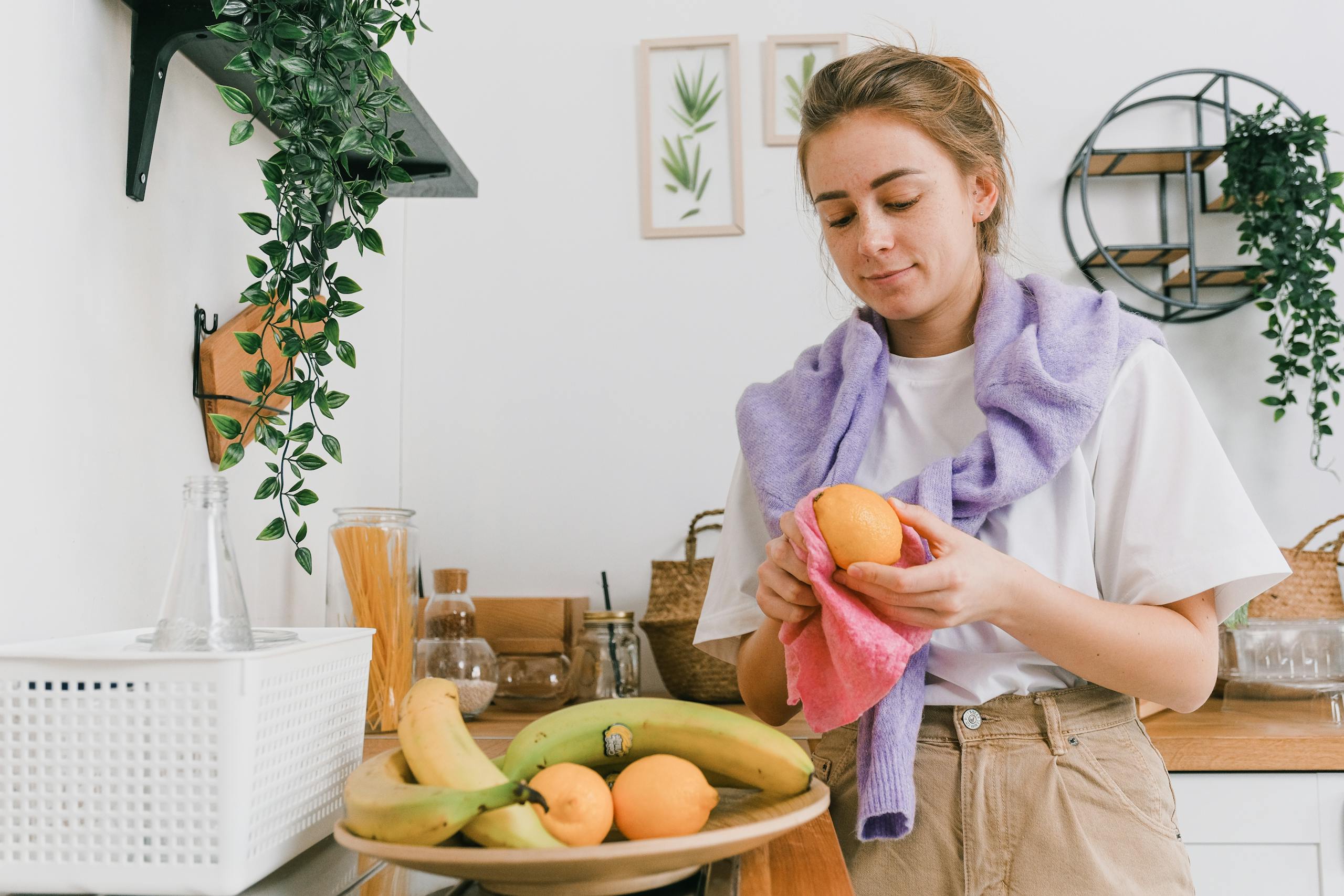
A banana stand solves one very narrow problem. It holds bananas. That is it. For kitchens with limited counter space, a single purpose stand can become more irritating than useful. We may use it for a few days after grocery shopping, then watch it sit awkwardly once the bananas are gone. It cannot easily hold apples, onions, citrus, avocados, or snacks without looking strange or wasting space.
A fruit bowl, wire basket, colander-style container, or tiered produce basket gives us more flexibility. We can store bananas when we have them, then switch to oranges, tomatoes, garlic, or snack bars when we do not. In a practical kitchen, every visible item should earn its spot. A banana stand may look cute, but it often fails the flexibility test.
Tiny Divided Baskets That Limit What We Can Store
Dividers can help when we need separation, but tiny fixed compartments often create more problems than they solve. They force items into narrow spaces that may not match real household needs.
We buy a divided basket for bathroom products, office supplies, baby items, pantry snacks, or cleaning tools, then discover that the compartments are too small for bottles, too shallow for packets, or too awkward for mixed items.
We should choose adjustable storage whenever possible. Large open bins, removable dividers, modular drawer organizers, or baskets with wider sections allow us to change the setup as our needs shift. A good organizer adapts to us. A bad one forces us to adapt to it, then makes us buy another product when it no longer fits.
Divided Laundry Hampers That Sound Smarter Than They Are
Divided laundry hampers promise instant sorting, but many households do not use them consistently. The compartments fill unevenly, bulky items spill over, and family members may ignore the labels. We may end up with whites mixed into darks, towels crammed into a small section, and delicate items buried under everyday clothing. The hamper looks organized at first, then becomes a confusing fabric pile.
A simpler laundry system often works better. We can use one main hamper for regular clothes and a smaller basket for delicates, uniforms, towels, or items that need special washing. This avoids the bulky footprint of a divided hamper and gives us more control. Laundry organization should reduce sorting time, not create an oversized container that still needs sorting later.
Suction Cup Bathroom Organizers That Fall at the Worst Time

Suction bath organizers seem convenient because they do not require drilling, but they often struggle with moisture, steam, weight, soap residue, and textured tile. They may hold well for a few days, then suddenly slide down with shampoo bottles, razors, soap, and sponges crashing into the tub. That is not an organization. That is a delayed mess.
Bathrooms need storage that can handle humidity and weight. Tension pole caddies, over the showerhead organizers with strong grips, adhesive systems rated for wet environments, or wall mounted shelves installed properly usually perform better. If we rent and cannot drill, we should still choose products designed for damp spaces rather than trusting weak suction cups with heavy bottles.
Open Shelving That Turns Everyday Items Into Visual Clutter
Open shelving looks beautiful in staged kitchens and magazine homes, but real homes collect dust, grease, crumbs, mismatched dishes, children’s cups, spices, mugs, mail, and random odds and ends. Without constant styling, open shelves can make a room look busier. We may start with ceramic bowls and glass jars, then slowly add medicine, school papers, snacks, and half empty containers.
Closed cabinets are often more forgiving. They protect items from dust and let us store practical things without turning them into part of the room’s visual design. Open shelving can work for a few carefully chosen items, but it should not replace serious storage unless we genuinely enjoy maintaining display level neatness. For most households, doors and drawers are still the quiet heroes of organization.
Vacuum Sealed Bags That Create Wrinkled, Forgotten Storage
Vacuum sealed bags can save space, but they can also turn closets into compressed mystery piles. Clothes, blankets, pillows, and seasonal linens may come out wrinkled, flattened, or hard to identify. We may save space today, then spend time steaming, shaking, refluffing, or searching later.
If we overuse these bags, we may also avoid the deeper question: why do we own so many items that they need to be compressed into plastic bricks?
They make the most sense for bulky seasonal items, guest bedding, or clothing we truly plan to use later. They do not make sense as a permanent fix for an overcrowded closet. Before buying more vacuum bags, we should declutter first, then store only the pieces worth keeping. Space-saving products should support good decisions, not postpone them.
Label Makers That Make Organization Feel More Complicated
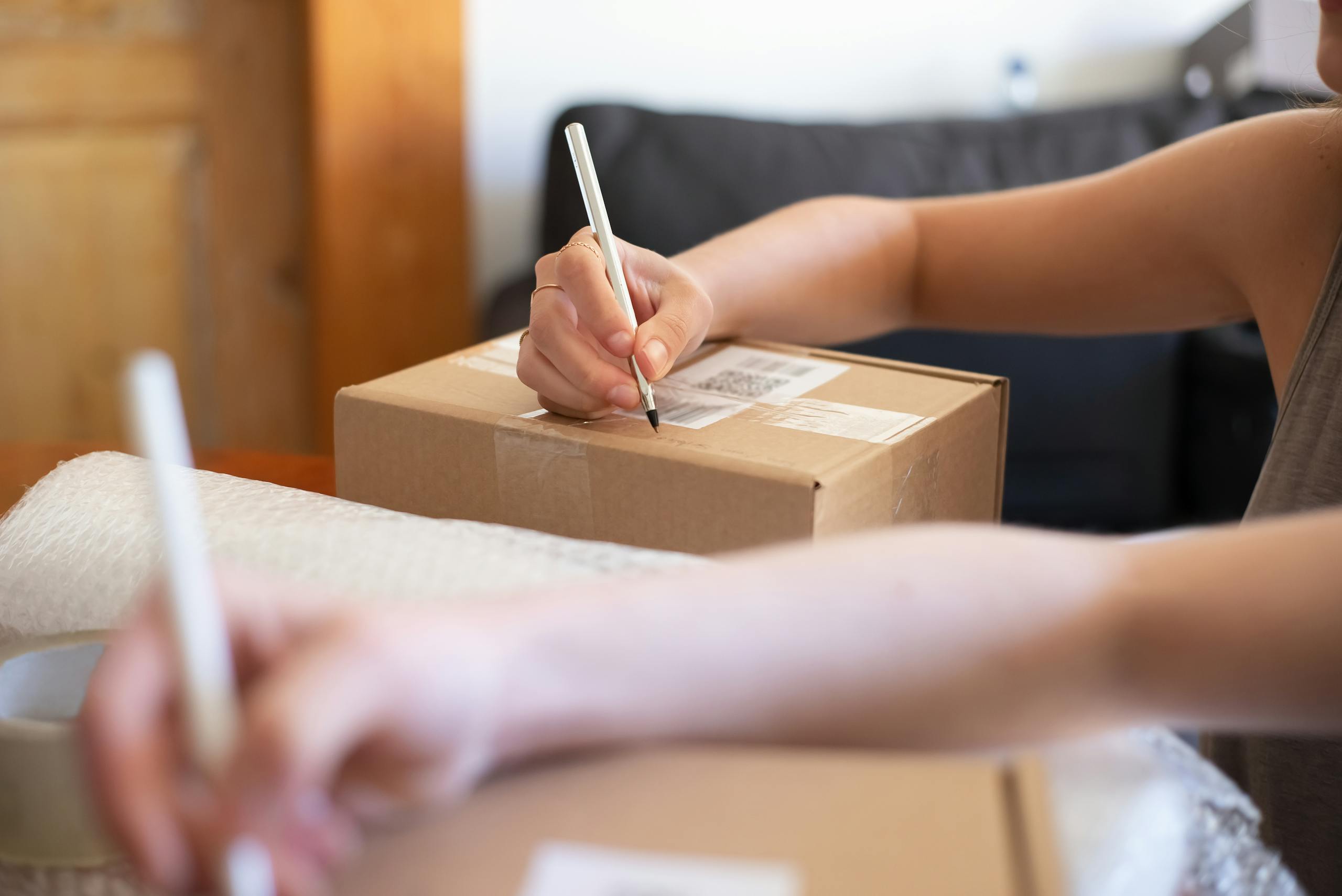
Label makers can be useful for serious filing systems, shared storage rooms, classrooms, offices, or professional setups. For everyday home organization, they are often unnecessary. We may buy one because the printed labels look neat, then barely use it after the first burst of motivation. The device needs batteries, tape refills, and time, which turns a simple task into a small project.
Plain adhesive labels, masking tape, chalk labels, index cards, or a permanent marker can do the job quickly. The goal is not to create perfect pantry typography. The goal is to help everyone in the house know where things belong. A handwritten label that gets used is better than a beautiful printed label we never get around to making.
Conclusion
The biggest home organization mistake is buying products before understanding the mess. Baskets, bins, shelves, racks, dividers, and labels can help, but they can also become expensive clutter when they do not match daily life.
We do not need a perfect pantry, a showroom closet, or a bathroom that looks staged for a catalog. We need storage that saves time, protects what we own, and makes ordinary routines easier.
When we choose simple, flexible, visible, and durable storage, the whole home feels calmer. When we chase every organizing trend, we may spend more money and still feel buried under stuff. The smartest system starts with fewer items, clearer categories, and products that work quietly in the background. That is how we stop organizing clutter and start reducing it.