A $10 dinner of chicken à la king might not sound outrageous today, but in 1927, Chicago’s Congress Hotel charged that much for a meal on the night of a major boxing championship. Two years earlier, a Springfield restaurant advertised a Thanksgiving feast featuring lobster Newburg for just $1.25. The Roaring Twenties certainly knew how to make a dinner menu interesting.
According to historical menus preserved by the Grolier Club and the Sangamon County Historical Society, American dining rooms of the 1920s served dishes that might leave modern diners scratching their heads.
Some were prestigious delicacies, others were elaborate hotel specialties, and a few eventually found their way into ordinary kitchens. Here are eight foods that tell the delicious, sometimes curious story of another dining era.
Diamondback Terrapin à la Maryland
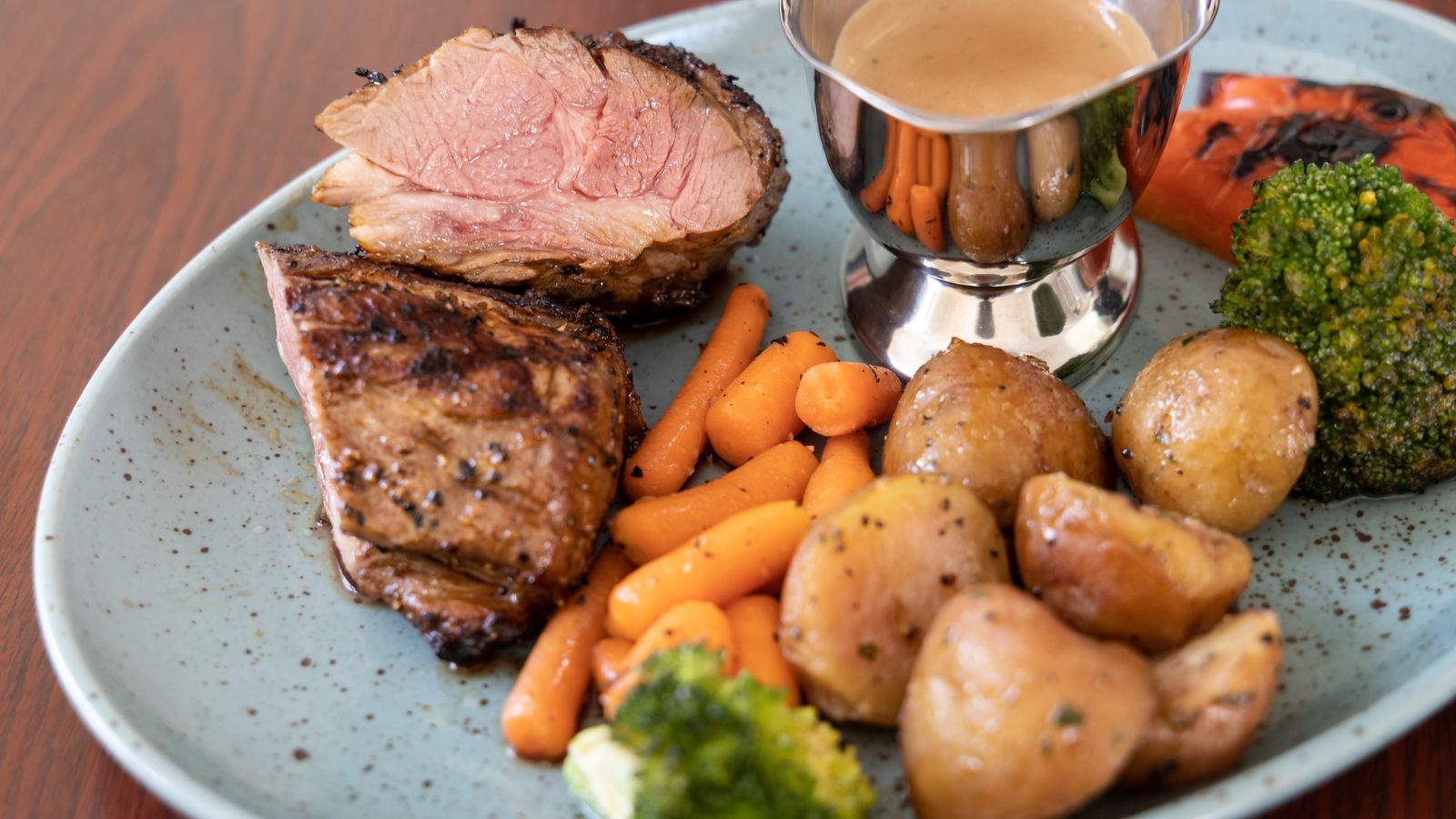
At one point, serving turtle at dinner signaled sophistication. Diamondback terrapin, a small coastal turtle, became associated with prestigious restaurants and private clubs long before the 1920s.
Historical-menu researcher Nan K. Chase documented ramekins of diamondback terrapin à la Maryland on the Grove Park Inn’s extravagant Christmas menu in 1928. It shared the table with numerous other elaborate courses.
But luxury came at a cost beyond the dinner bill. NPR’s historical reporting explains that intense harvesting contributed to dwindling supplies, while Prohibition and changing dining habits affected demand.
The dish eventually lost its prominent place in American fine dining. Its history shows how quickly a fashionable delicacy can become a culinary relic.
Green Turtle Soup Printanière Royale
Soup was hardly an afterthought at the Grove Park Inn’s 1928 Christmas dinner. Among the opening courses was clear green turtle soup prepared Printanière Royale, featuring delicate spring vegetables and custard.
According to Edible Asheville’s examination of the historic menu, this soup appeared alongside diamondback terrapin, demonstrating that the two distinct turtles were used in separate dishes.
Today, the story carries an important environmental dimension. The National Oceanic and Atmospheric Administration identifies 11 protected green turtle population segments, with three classified as endangered and eight as threatened under the Endangered Species Act.
That makes this particular 1928 luxury-hotel preparation more than a forgotten recipe. It reflects an era when fashionable dining and wildlife conservation occupied very different places in the public conversation.
Roast or Broiled Squab
A plate of broiled squab with currant jelly sounds like something served beneath sparkling chandeliers. At the Grove Park Inn’s 1928 Christmas banquet, that combination was part of the celebration.
Squab refers to young pigeons specifically raised for food, not birds gathered from city streets. The distinction matters because the dish still has a place in specialty dining.
In May 2025, journalist Lena Beck explored America’s squab industry for Ambrook’s Offrange, interviewing producers who supply restaurants. Her reporting described a relatively small domestic industry that continues serving specialized markets.
Squab hasn’t disappeared from American tables entirely. It has simply remained a specialty rather than becoming the everyday poultry choice that chicken is. The 1928 menu reminds us how differently prestigious dinners once looked.
Braised Sweetbreads
Some old-fashioned dishes had names that could fool an unsuspecting diner. Sweetbreads, despite their charming name, aren’t pastries or sweet rolls. They’re organ meats, commonly from calves or lambs.
Their place in elaborate hotel cooking is documented in chef Victor Hirtzler’s 1919 Hotel St. Francis Cook Book. His collection includes braised sweetbreads Marie Louise and another preparation served with Soubise sauce.
These recipes offer a glimpse into the sophisticated cooking traditions that carried into the 1920s. Braising, carefully prepared sauces, and elaborate presentation helped turn a particular ingredient into a formal dinner course.
Sweetbreads still appear in some restaurants, so declaring them extinct would be a stretch. Yet Hirtzler’s 1919 cookbook preserves a style of grand hotel cooking that feels far removed from a simple modern weeknight dinner.
Celery Victor
Celery might be the last vegetable you’d expect to receive glamorous treatment. Yet in the grand dining culture surrounding San Francisco’s Hotel St. Francis, it had a dish bearing the chef’s name.
Celery Victor appeared in Clarence Edwords’ 1914 Bohemian San Francisco, and Victor Hirtzler included the recipe in his 1919 cookbook.
The original preparation was anything but ordinary. Hirtzler called for six celery stalks cooked in stock made with chicken and veal bones, then cooled and served with oil, tarragon vinegar, and seasonings.
Rather than treating celery as a crunchy garnish, the recipe made it the centerpiece of a carefully prepared salad.
Its documented origins predate the 1920s, but it captures the elaborate hotel-cooking tradition that helped shape the decade’s fashionable dining scene.
Chicken à la King
Chicken à la King sounds regal enough, but its documented appearance at a major sporting event gives it an especially colorful history.
On September 22, 1927, Chicago’s Congress Hotel offered a $10 meal featuring chicken à la king. According to the Grolier Club’s historical-menu exhibition, the occasion coincided with the championship rematch between boxers Jack Dempsey and Gene Tunney.
An estimated 150,000 spectators attended the fight, while hotels and restaurants welcomed crowds preparing for the evening’s excitement.
The $10 covered the meal, not necessarily the price of chicken à la king alone.
That distinction matters. The dish wasn’t reserved exclusively for wealthy diners, but its appearance on this prestigious 1927 event menu shows how an otherwise familiar chicken preparation could become part of a glamorous occasion.
Lobster Newburg
Lobster Newburg has an elegant name that seems made for a formal dining room. Yet one fascinating 1925 menu shows that it wasn’t confined to America’s most exclusive hotels.
According to the Sangamon County Historical Society, the Oriental Café in Springfield, Illinois, advertised a Thanksgiving meal featuring lobster Newburg, oyster soup, and turkey for $1.25.
The restaurant operated from 1924 to 1955 and served both Chinese and American dishes. Its holiday offering reveals how elaborate preparations could appear in more varied dining settings.
That $1.25 price doesn’t prove the meal was affordable to everyone, but it does challenge the idea that lobster Newburg belonged exclusively to wealthy households.
Sometimes culinary history is more interesting when the evidence complicates the familiar story of luxury and privilege.
Jellied Consommé and Madrilène
Modern diners generally expect soup to arrive steaming, but fashionable menus once made room for chilled preparations that challenged that expectation.
A historical Hotel Lafayette/Hotel Brevoort menu dated July 14, 1925, lists consommé en gelée, or consommé served in jelly. The menu survives through the New York Public Library’s historical-menu collection.
Madrilène was another established consommé preparation. Victor Hirtzler’s 1919 cookbook includes a version featuring sorrel, vermicelli, and diced tomato, although that recipe does not establish that every madrilène was served chilled.
These preparations show how sophisticated restaurant cooking experimented with temperature and presentation. A century later, jellied broth feels more closely tied to vintage dining traditions than to the familiar bowl of hot soup.
It’s a fascinating reminder that even something as simple as soup has followed changing fashions.
When Fine Dining Had a Different Flavor
The 1920s dining world wasn’t defined by a single ingredient or price tag. A $10 Chicago hotel dinner in 1927 and a $1.25 Springfield holiday meal in 1925 reveal just how varied restaurant experiences could be.
Some of these eight dishes remain specialty foods, while others survive mainly through historical menus and cookbooks. Their stories remind us that culinary fashion never stands still.
What once commanded attention beneath grand dining-room chandeliers may eventually become a fascinating footnote in America’s food history.