Love was once about connection, shared laughter, and the thrill of discovery. Today it often feels like a marketplace where every gesture, dinner, and compliment is measured by its cost or return. The line between affection and calculation has blurred, leaving many to question whether genuine emotion still has a place.
These eight harsh realities reveal how modern dating is quietly turning romance into a transaction.
Overspending to Impress

Dating in the modern age is often framed as a performance, where the price of a meal or the elegance of a gift can outweigh the meaning of a conversation. People feel compelled to display wealth or generosity as proof of their value, as if love can be bought with a card or a reservation.
This constant pressure creates an environment where emotions are overshadowed by material expectation. Relationships begin to hinge on appearances rather than authenticity, and the joy of simple, shared moments diminishes.
Financial imbalance becomes glaring when one partner cannot match the perceived standard, and tension builds under the weight of unspoken expectations. The excitement of connection is replaced by anxiety over whether the next gesture will be impressive enough.
Romance becomes less about knowing someone and more about keeping up a façade. The thrill of emotional intimacy is replaced with a ledger of who spends what, leaving both parties exhausted.
Social Media Validation

Romance has migrated online, and public approval now dictates perceived success in relationships. Couples often feel compelled to post curated images and moments to earn likes and comments, turning personal intimacy into a performance for strangers.
Emotional exchanges lose their privacy and spontaneity, becoming content designed to impress an audience rather than deepen a bond. Real affection is often measured in reactions, shares, and digital applause.
This constant need for validation can distort priorities, making social recognition more important than genuine connection. Individuals may choose partners based on how photogenic or socially advantageous they appear rather than true compatibility.
The pressure creates a transactional dynamic where attention and approval are traded like currency. Love becomes a strategy rather than a heartfelt experience, eroding authenticity.
Strategic Dating Decisions
Modern romance increasingly relies on calculated decisions instead of natural chemistry. People weigh potential benefits such as status, career connections, or lifestyle alignment before investing emotionally.
This pragmatic approach can lead to partnerships built on strategy rather than passion. The excitement of unpredictable love is replaced by spreadsheets of potential outcomes and expected returns.
Relationships become negotiations, where each action is evaluated for gain or loss. Emotional risk is minimized, but the cost is vulnerability and authenticity. Partners may prioritize optics over feelings, creating a cycle in which genuine affection is sidelined. Love starts to feel like a series of trades rather than an experience of mutual growth.
Ghosting as an Exit Strategy
The ease of digital communication has made avoidance a common tactic in modern dating. Ghosting, or disappearing without explanation, has become a transactional shortcut to escape emotional complexity. Instead of addressing disappointment or incompatibility, individuals sever ties to avoid effort or confrontation.
This behavior emphasizes convenience over empathy and reinforces the idea that relationships are disposable. Repeated exposure to ghosting can create a fear-driven dating culture, where trust is scarce and connection is shallow.
People begin to preemptively guard their emotions, treating each new romance like a calculated investment. Emotional transparency is devalued while self-preservation takes center stage. Bonds are tested by convenience rather than commitment, weakening the foundation of lasting love.
Dating Apps as Marketplaces

Modern dating platforms have commoditized human connection, presenting potential partners as profiles to be browsed and selected. Swipes and matches transform intimacy into a game of choice and competition.
People are evaluated for attractiveness, career, and social status, reducing their humanity to a series of data points. Romance becomes transactional, with emotional labor weighed against perceived desirability. This environment fosters impatience and superficiality, as options feel endless and commitment feels optional.
Conversations are often shallow, focusing on impression management instead of genuine dialogue. Users approach relationships with a mindset of efficiency rather than exploration. The thrill of discovering a unique connection is replaced by metrics and comparison.
Conditional Generosity
Acts of kindness or affection are increasingly performed with strings attached, creating subtle transactional dynamics. Compliments, gifts, or favors are offered with the expectation of reciprocation or reward.
Genuine generosity becomes rare, overshadowed by strategic gestures aimed at gaining emotional or material advantage. Love is measured by return on investment rather than the joy of giving. This conditional approach breeds mistrust and emotional caution, as both parties constantly analyze motives.
Relationships may appear warm on the surface but lack depth or resilience. When actions are transactional, vulnerability is risky, and intimacy struggles to grow. Connections become negotiations of benefit rather than expressions of care.
Fear of Being Left Behind
In a culture obsessed with comparison, dating often feels like a race against peers. Individuals measure themselves against friends or social networks, fearing they will miss out on ideal partners or experiences.
This anxiety can drive rushed decisions, strategic dating, and prioritization of status over compatibility. Love becomes a competition rather than a journey. This fear amplifies transactional behavior, as people seek partners who can deliver social proof or lifestyle advantages.
Emotional risk is minimized, and authenticity is compromised. Relationships are approached with calculation instead of curiosity, and the thrill of natural connection is lost. Modern dating culture incentivizes performance over presence, turning intimacy into an exchange.
Emotional Investment as a Bargaining Tool
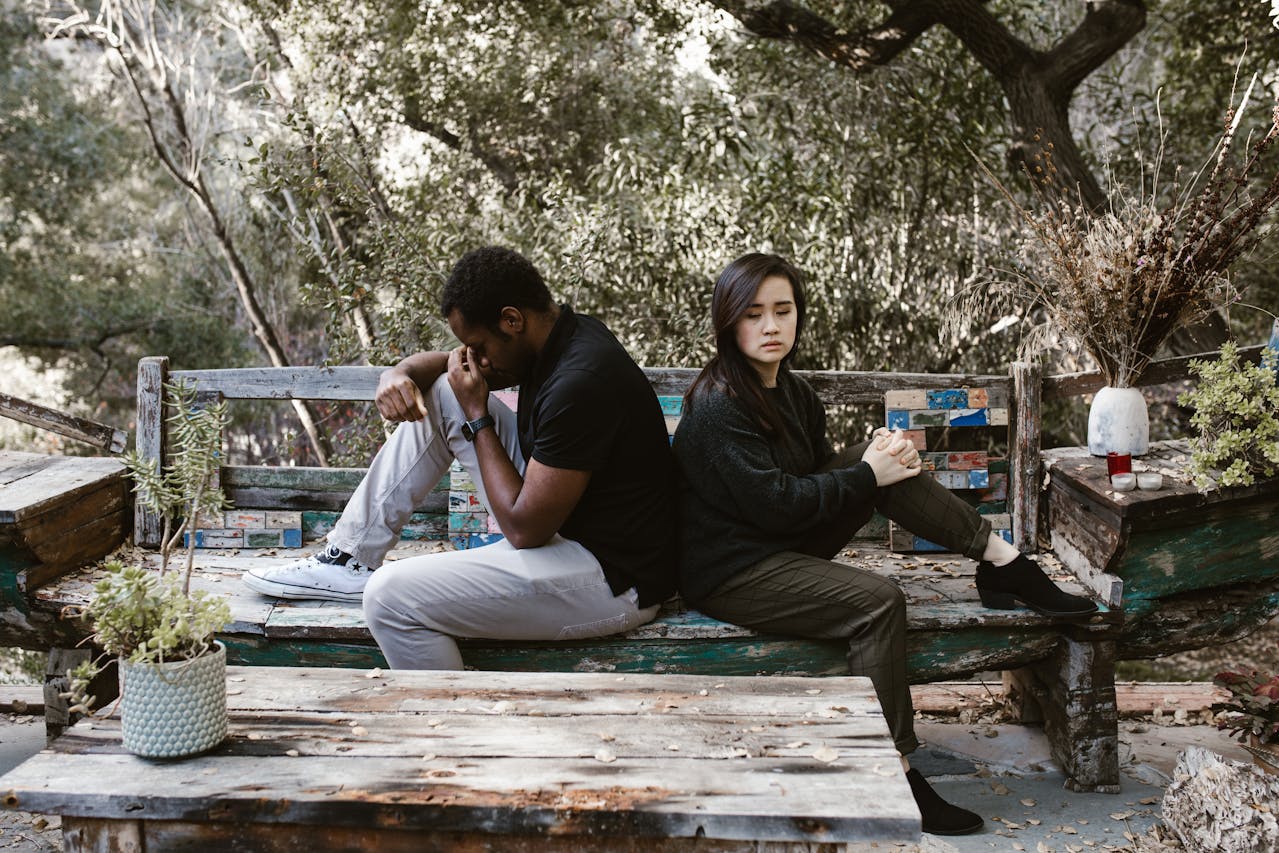
Modern relationships often treat emotional commitment as leverage, using affection and attention to elicit concessions or loyalty. Love can be withheld to test boundaries or manipulate behavior. This approach reduces connection to a form of negotiation rather than mutual respect.
Emotional manipulation is subtle but pervasive, transforming relationships into arenas of power and control. The constant evaluation of emotional worth fosters insecurity and resentment, undermining the potential for trust.
When love is conditional and contingent, vulnerability is risky, and raw connection is scarce. Partners become cautious, investing only when a measurable benefit is clear. Romance loses its spontaneity, replaced with a climate of bargaining and calculated exchange.
Conclusion
Modern dating is fraught with subtle and overt transactional pressures that transform affection into negotiation. Overspending, social media validation, strategic choices, ghosting, apps, conditional generosity, social comparison, and emotional bargaining all erode the core of authentic connection.
The result is a dating landscape where romance is frequently overshadowed by performance and calculation. Reclaiming love requires resisting these transactional impulses and prioritizing honesty, empathy, and genuine curiosity in every encounter.
Real connection survives only when emotion is valued over measurement and presence outweighs presentation.