Flying already has enough stress baked into it. There are security lines, gate changes, packed overhead bins, crying babies, delayed flights, and that one passenger who acts shocked that their giant suitcase cannot magically fit above row 19.
A plane cabin is a strange little world. Hundreds of strangers sit shoulder to shoulder, share the same air, and silently negotiate armrests, legroom, noise, smells, patience, and personal space. One careless move can turn a calm flight into the kind of story people tell for years.
The worst flying mistakes are not always dramatic. Sometimes they look like blasting a video without headphones, standing too early after landing, stuffing trash into the seat pocket, or pretending the flight attendants are personal servants. These habits may seem small, but at 35,000 feet, small annoyances feel much bigger.
Ignoring the Safety Briefing
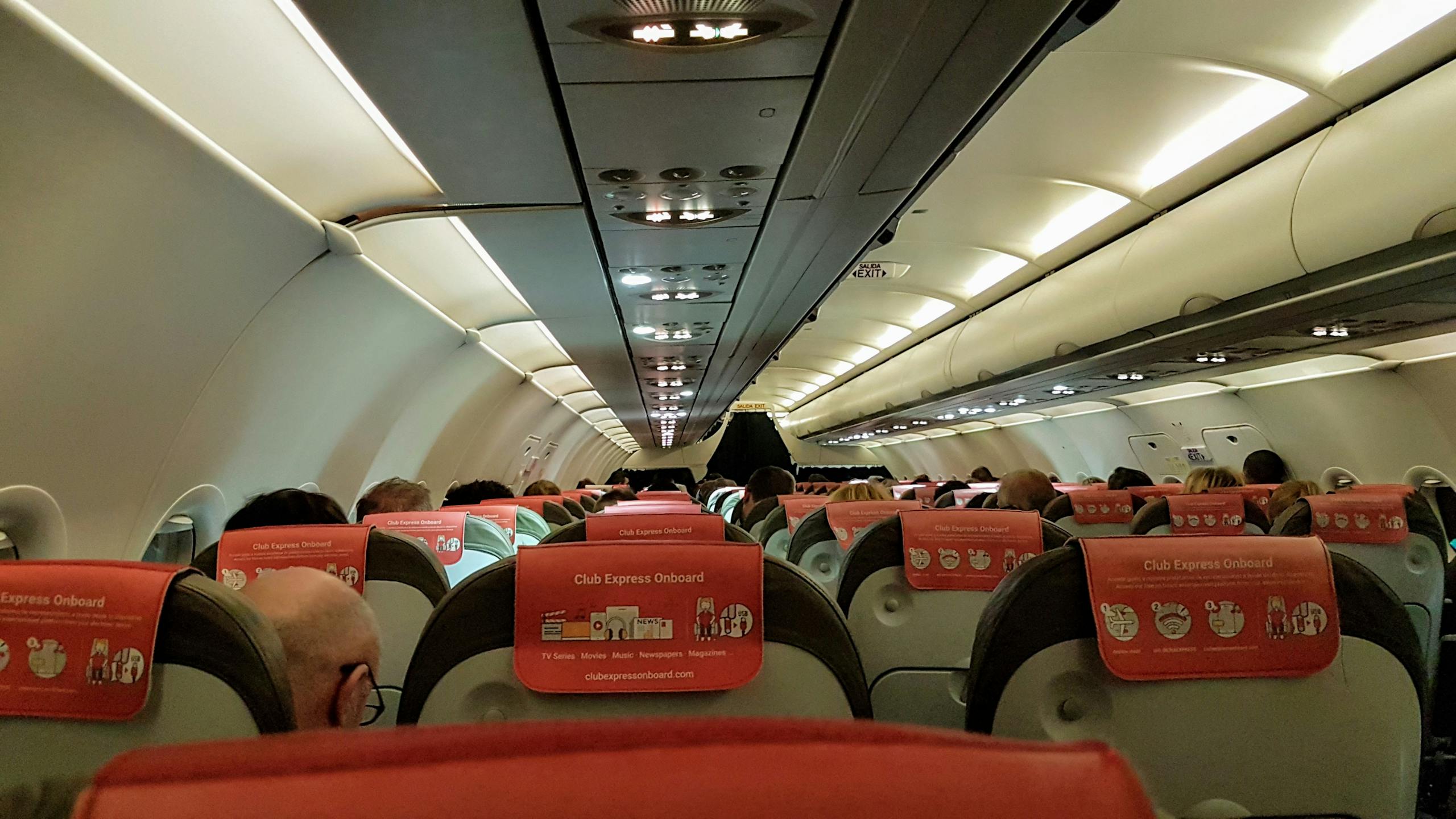
The safety briefing may feel repetitive, especially for frequent flyers, but tuning it out is a mistake. Every aircraft is a little different, and the exit you assume is closest may not be the safest one in an emergency. The seat pocket card, oxygen mask instructions, and crew demonstration are there because panic can make people forget simple steps quickly.
A smart traveler gives those few minutes the attention they deserve. Look for the nearest exit, listen to crew instructions, and locate your life vest or flotation device. It is not about being nervous; it is about being prepared when everyone else may be confused.
Refusing to Keep Your Seat Belt Fastened
Many passengers unbuckle the second the seat belt sign turns off, as if the belt is personally insulting them. That is risky because turbulence can happen without much warning, and a relaxed cabin can become chaotic in seconds. The FAA advises keeping seat belts fastened at all times because turbulence-related injuries are often preventable.
We should treat the seat belt like basic travel protection, not a punishment. Keep it low and snug while sitting, even during smooth parts of the flight. You can still stretch, stand, and use the lavatory when it is safe, but sitting unbuckled for hours is one of those quiet mistakes people only regret after something goes wrong.
Drinking Too Much Before Takeoff
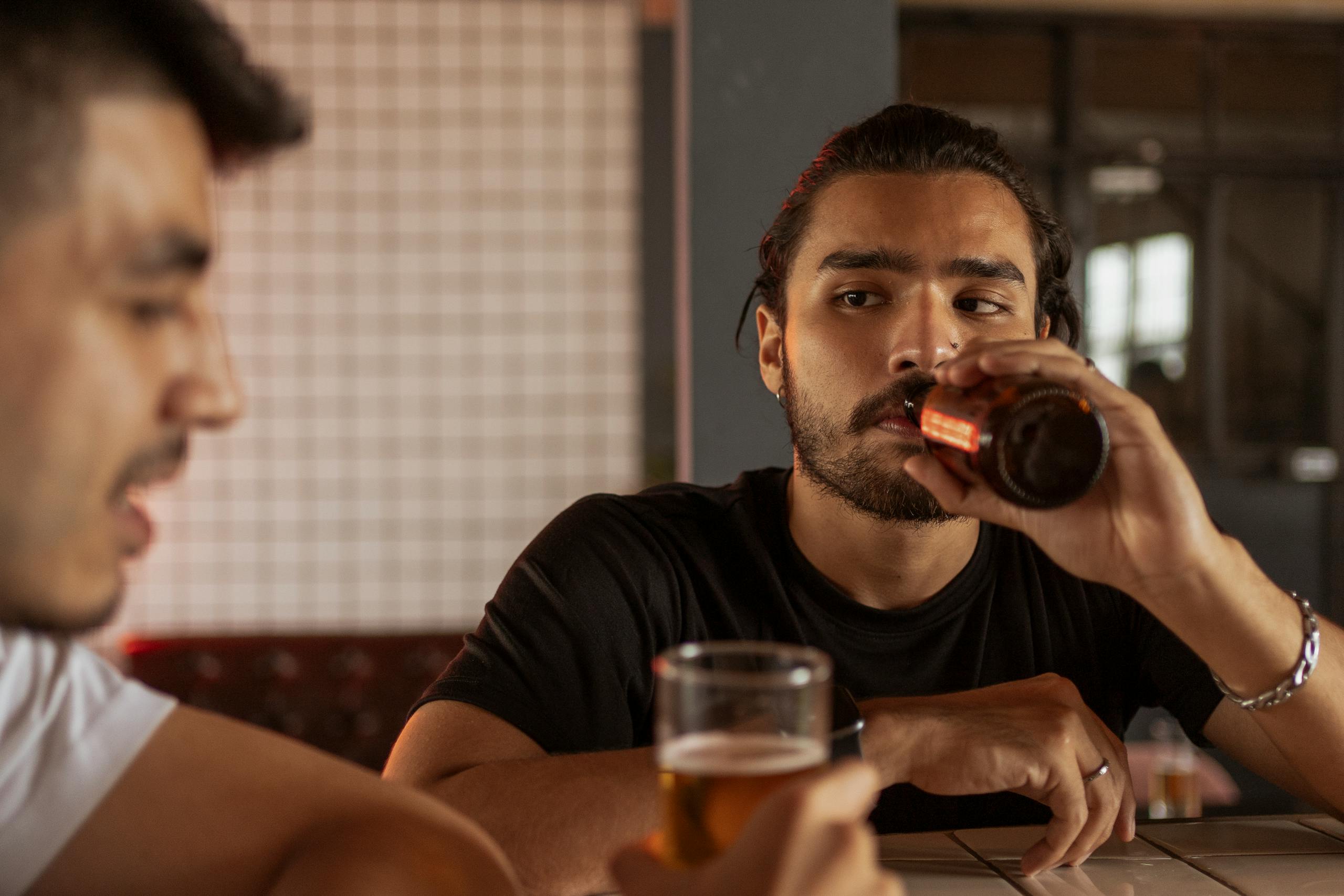
A drink before boarding may feel like a harmless way to calm the nerves, but too much alcohol can make flying miserable. Cabin air is dry, seats are tight, and alcohol can make passengers more tired, dehydrated, impatient, and careless. That is a bad combination when you are stuck in a crowded metal tube with nowhere to go.
The problem gets worse when a passenger becomes loud, demanding, or unsteady before the plane even takes off. Airlines can refuse boarding to travelers who appear intoxicated, and nobody wants to become the person holding up the flight at the gate. Save the party mood for the destination, where your choices will not affect 180 strangers trying to get home.
Bringing Your Own Alcohol Onboard
Those tiny liquor bottles may look harmless, but drinking your own alcohol on a plane is not a clever travel hack. Airlines control alcohol service for safety reasons, and crew members need to know how much passengers are drinking. When someone sneaks drinks from a bag, the crew loses that control.
A plane is not the place to play bartender. If you want alcohol, order it from the crew and accept their decision if they stop serving you. The passenger who hides drinks in the cabin is usually the same passenger everyone hopes does not sit near them on the return flight.
Overloading the Overhead Bin
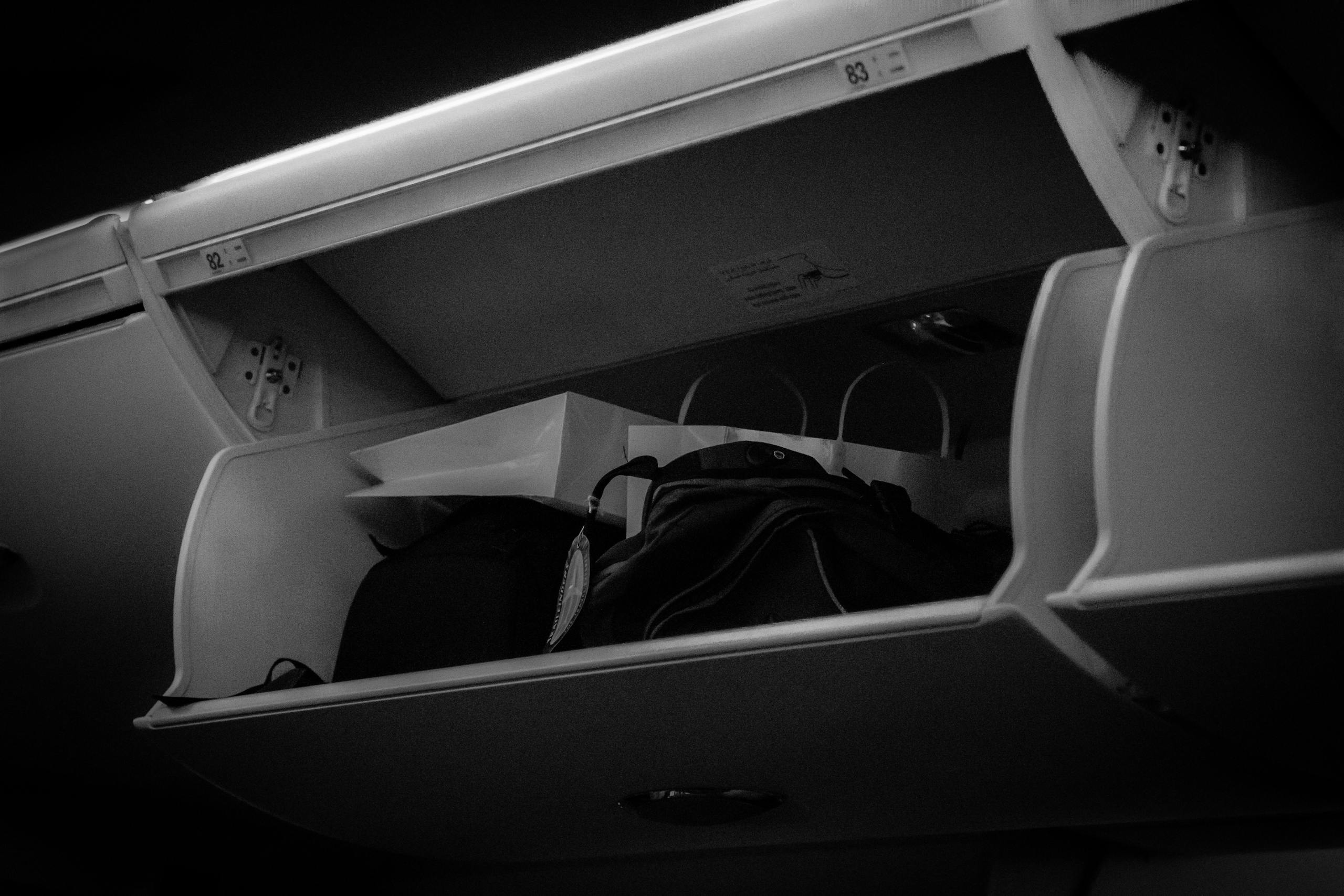
Overhead bin space brings out a strange kind of airport selfishness. Some passengers shove oversized bags, coats, backpacks, shopping bags, and fragile items into the bin as if it were their family’s alone. The result is slow boarding, irritated passengers, and crew members forced to act as luggage referees before the plane can leave.
Pack with reality in mind. Your roller bag should fit properly, your personal item should go under the seat when possible, and your coat does not need its own penthouse suite above the aisle. Boarding moves faster when people stow their bags quickly, sit down, and stop treating the cabin like a storage auction.
Blocking the Aisle During Boarding
Few things test people’s patience faster than a passenger who stops in the aisle to reorganize their entire life. They unzip bags, hunt for chargers, remove sweaters, search for snacks, and debate where to place a laptop while a line of tired travelers waits behind them. That one delay can ripple through the whole boarding process.
The better move is to prepare before stepping onto the plane. Keep your book, earbuds, medication, charger, and snacks in an easy-to-reach pocket or pouch. Once you reach your row, place the bag where it belongs, step out of the aisle, and let the cabin breathe.
Playing Videos Without Headphones
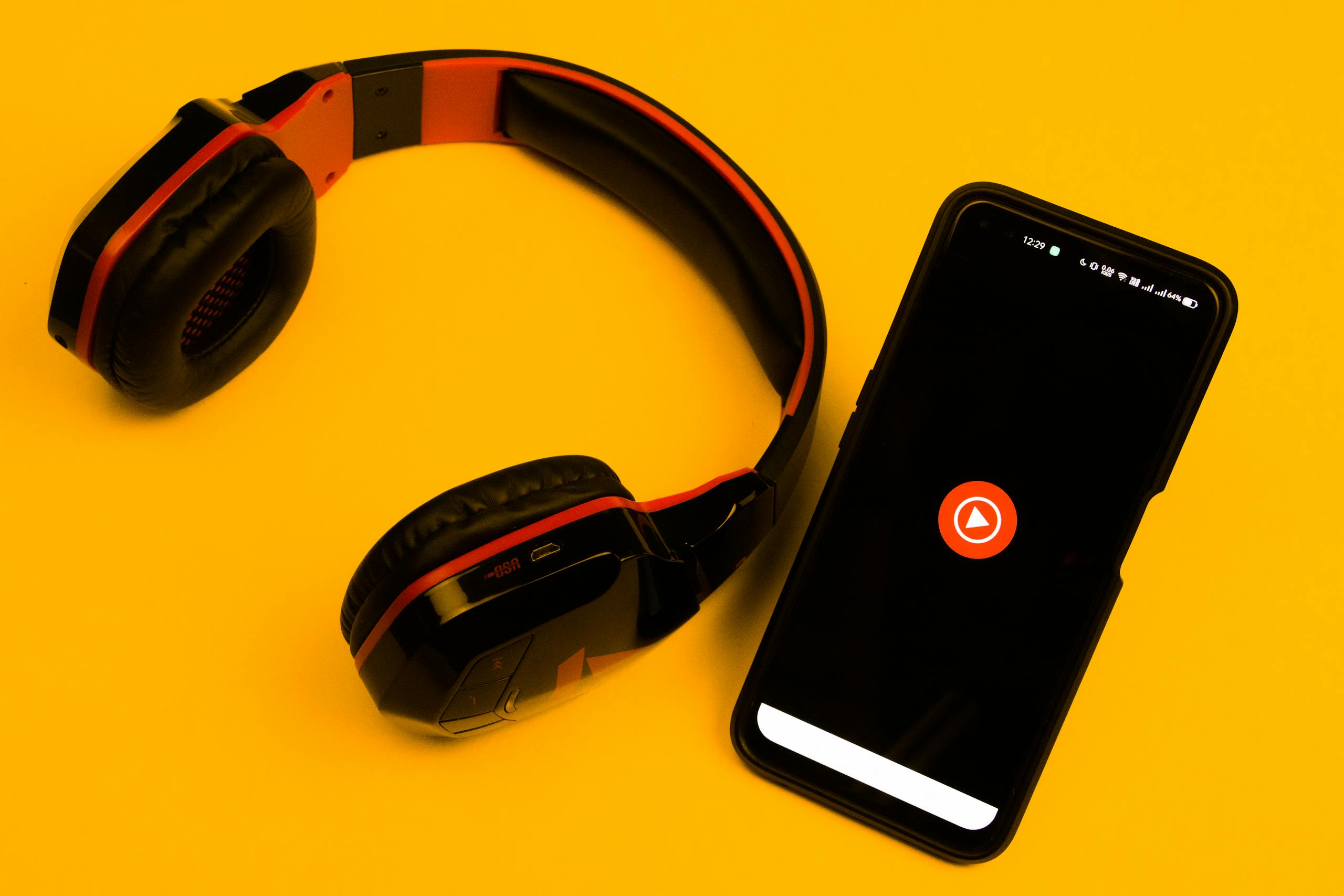
No one boards a flight hoping to hear someone else’s TikTok feed, movie scene, mobile game, or speakerphone conversation. Sound travels sharply in a plane cabin, especially when the lights are dim and people are trying to sleep. What feels like “just a quick video” to one passenger can feel like public punishment to everyone nearby.
Headphones are no longer optional; they are basic flying etiquette. That rule applies to adults, children’s tablets, games, voice notes, and music. If you forgot headphones, the quiet option is still available, and the whole row will silently thank you for choosing it.
Reclining Without Checking Behind You
Reclining your seat is one of the most debated parts of flying because both sides have a point. The seat may be designed to recline, but the person behind you may have a laptop open, a drink on the tray, or knees already pressed into the seatback. A sudden recline can spill coffee, crush a screen, or start a silent war that lasts until landing.
The polite approach is simple. Recline slowly, check behind you first, and avoid doing it during meal service. You do not need to ask for a signed agreement, but a little awareness can keep your comfort from becoming someone else’s problem.
Taking Over the Armrest and Legroom
Airplane space is already tight, so passengers notice every elbow, knee, bag, and foot that crosses into their area. The middle seat usually has the roughest deal, with no aisle freedom and no window wall to lean against. When someone spreads out as if lounging at home, the whole row feels smaller.
Respect the invisible borders. Keep your feet in your own space, your knees under control, and your bags where they belong. A little restraint can make economy class feel less like a battle and more like a temporary agreement between strangers.
Standing Up the Second the Plane Lands

The wheels touch the runway, and suddenly, half the cabin acts like the doors are already open. People pop up, grab bags, block the aisle, and stand hunched over while the plane is still taxiing. It rarely gets anyone off faster, and it creates unnecessary risk when the aircraft is still moving.
Stay seated until the seat belt sign turns off. Once the door opens, rows should leave in order unless someone has a tight connection and politely asks to pass. The fastest exits happen when passengers behave like adults, not like shoppers fighting for the last sale item.
Conclusion
Flying is easier when everyone remembers that the cabin is shared. Your sound, smell, bags, elbows, attitude, and patience all affect the people sitting inches away from you. Good flying etiquette is not about being fancy; it is about being aware.
The best passengers do not need first-class seats to travel well. They listen, prepare, stay calm, respect the crew, and avoid turning small inconveniences into public drama. At 35,000 feet, courtesy is not just nice; it is survival for everyone’s sanity.