A formal Army portrait has placed a young face on an increasingly dangerous conflict thousands of miles from Texas. Pvt. Isabella Gonzales of Carrollton was only 19 when she was killed during an Iranian attack on Muwaffaq Salti Air Base in Jordan on July 17, 2026, according to the Pentagon. Her death has transformed a distant struggle over missiles and shipping lanes into a personal loss for North Texas.
The Pentagon said Gonzales was one of two active duty soldiers killed in the attack. First Lt. Tyler James Feehan, 25, of Ewa Beach, Hawaii, also died. Both were supporting Operation Inherent Resolve, the U.S. mission against the Islamic State group, when Iranian ballistic missiles and drones targeted the base.
From a Carrollton Classroom to an Overseas Mission
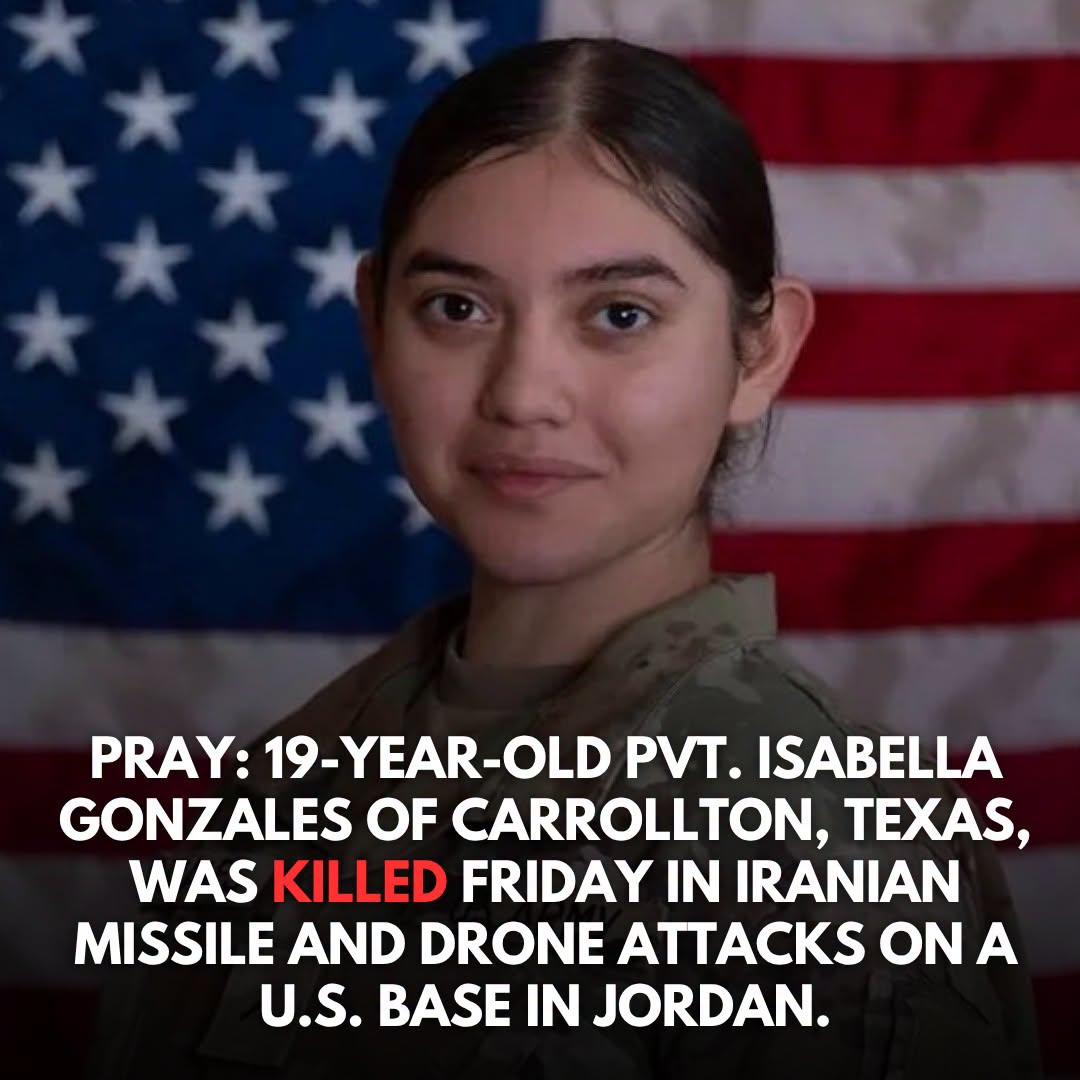
Gonzales graduated from Hebron High School in Lewisville Independent School District in spring 2025. Barely a year later, she was serving overseas with an Army air defense unit protecting American forces in one of the world’s most volatile regions.
Friends remembered her as outgoing, spontaneous and passionate about dancing. One friend told CBS Texas that Gonzales wanted others to see her as disciplined and brave. Lewisville ISD said she had recently walked its halls as a student, classmate and friend, and described the district as heartbroken.
The Army assigned Gonzales to the 1st Battalion, 57th Air Defense Artillery Regiment, part of the 52nd Air Defense Artillery Brigade and the 10th Army Air and Missile Defense Command in Ansbach, Germany. Air defense soldiers operate in a battlefield where danger may arrive without warning through the sky rather than across a visible front line.
That reality shaped the attack in Jordan. U.S. Central Command said American personnel were defending against Iranian ballistic missiles and drones when the base was struck. Four other service members were evacuated to hospitals and later discharged, while others treated for minor injuries returned to duty.
A Deadly Attack With Questions Still Unanswered
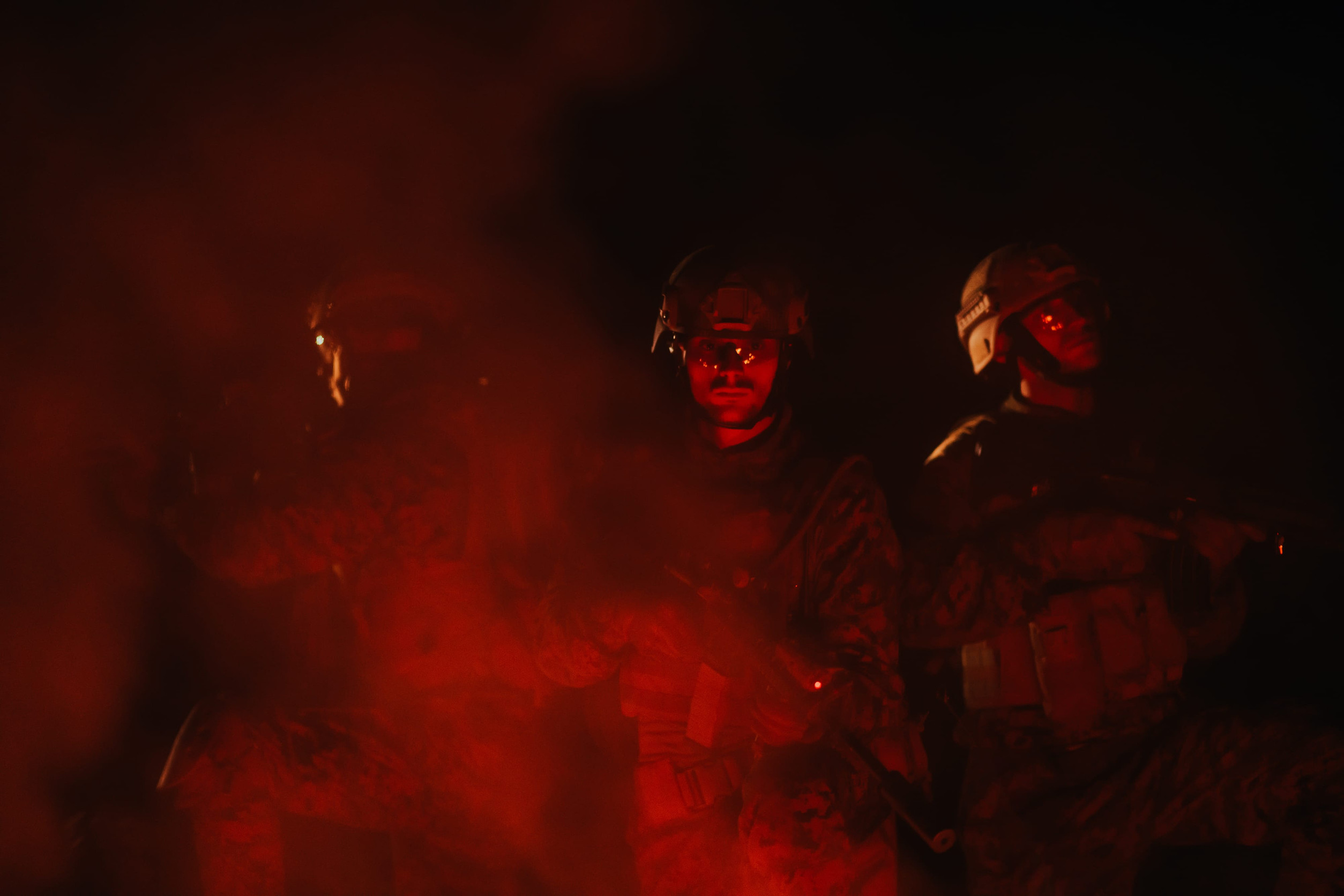
The Pentagon said the incident remains under investigation and has not released a detailed account of the precise circumstances surrounding Gonzales’ death. CENTCOM also reported that another service member was missing and that unidentified remains were later recovered. Officials said the identification process was continuing.
Feehan served with the 2nd Battalion, 55th Air Defense Artillery Regiment at Fort Bragg, North Carolina. His death and Gonzales’ death became the 15th and 16th U.S. military fatalities linked to the conflict at the time they were identified. A separate service member was killed in northern Iraq on July 18 during the controlled detonation of unexploded ordnance from a downed Iranian drone, raising the reported total to 17.
The Jordan strike showed how quickly the conflict has spread beyond Iran’s borders. American troops stationed across the Middle East operate from bases in allied countries, making locations in Jordan, Kuwait, Bahrain and Iraq potential targets as Tehran retaliates against U.S. military action.
The Fight Over the Strait of Hormuz Escalates
The attack came as the United States intensified operations aimed at weakening Iran’s ability to threaten commercial shipping in the Strait of Hormuz. U.S. forces completed a ninth consecutive night of strikes, hitting command centers, air defense sites, coastal surveillance systems, missile and drone launch locations and maritime capabilities.
By July 21, the campaign had moved into a tenth consecutive night, according to U.S. Central Command and the Associated Press. Iran continued launching attacks against U.S. sites and American allies in Bahrain, Kuwait and Jordan.
The Strait of Hormuz is more than a narrow strip of water on a map. It is a critical global energy corridor, and fighting there threatens tankers, civilian crews and oil supplies far beyond the Middle East. Recent attacks on vessels have made control of the route a central objective for Washington and Tehran.
President Donald Trump warned that Iran would pay “many times over” for American military deaths. Defense Secretary Pete Hegseth wrote, “Godspeed, heroes,” adding that their sacrifice had strengthened the administration’s resolve. The statements signaled that Gonzales’ death was already influencing the political language surrounding the next phase of military action.
Carrollton Remembers One of Its Own
Texas Gov. Greg Abbott said Gonzales’ courage and sacrifice represented “the very best of Texas.” The City of Carrollton called her a national hero and extended condolences to her family, friends and fellow soldiers.
The most powerful detail may be her age. Gonzales had only recently finished high school and begun building an adult life when she entered a mission shaped by forces far larger than any one soldier. Her photograph now stands beside military statements and headlines about retaliatory strikes.
Wars are often described through maps, weapons and strategic objectives. In Carrollton, this one is now measured by an empty place in a family, a former student remembered by her school and a 19-year-old soldier whose service ended far from home.