Some symbols do not need to be carved into a haunted mansion wall to make people nervous. They can sit on a dollar bill, glow from an energy drink can, appear on a coffee cup, or stand outside an airport where tired travelers are already one delayed flight away from losing patience.
Then the internet does what it does best. Someone zooms in, adds creepy music, and turns an ordinary design into the opening clue of a conspiracy documentary. Suddenly, a logo, statue, number, or street map starts looking less like design and more like a secret message.
That is why alleged satanic symbols remain so fascinating. They sit at the strange American crossroads of religion, branding, horror movies, mythology, old rumors, and online suspicion. The word alleged matters because most of these claims are not proof of satanic intent.
Many are misunderstandings, old symbols with layered meanings, marketing choices, or conspiracy stories that grew louder than the facts.
The Inverted Pentagram
The inverted pentagram is the symbol that changes the mood the moment it appears. A regular five-pointed star can feel patriotic, festive, or harmless. Flip it upside down, and suddenly it looks like something from a midnight ritual scene where the curious person should have stayed in the car.
This symbol appears on tattoos, jewelry, album covers, occult merchandise, horror posters, and dark fashion. The five-pointed star has carried many meanings across history, including protection, perfection, humanity, magic, and, later, darker readings, which is why the pentagram’s shifting history makes it so easy to misunderstand.
The inverted version gained more attention because it appears in the Sigil of Baphomet, one of the most recognized symbols linked with modern Satanic imagery.
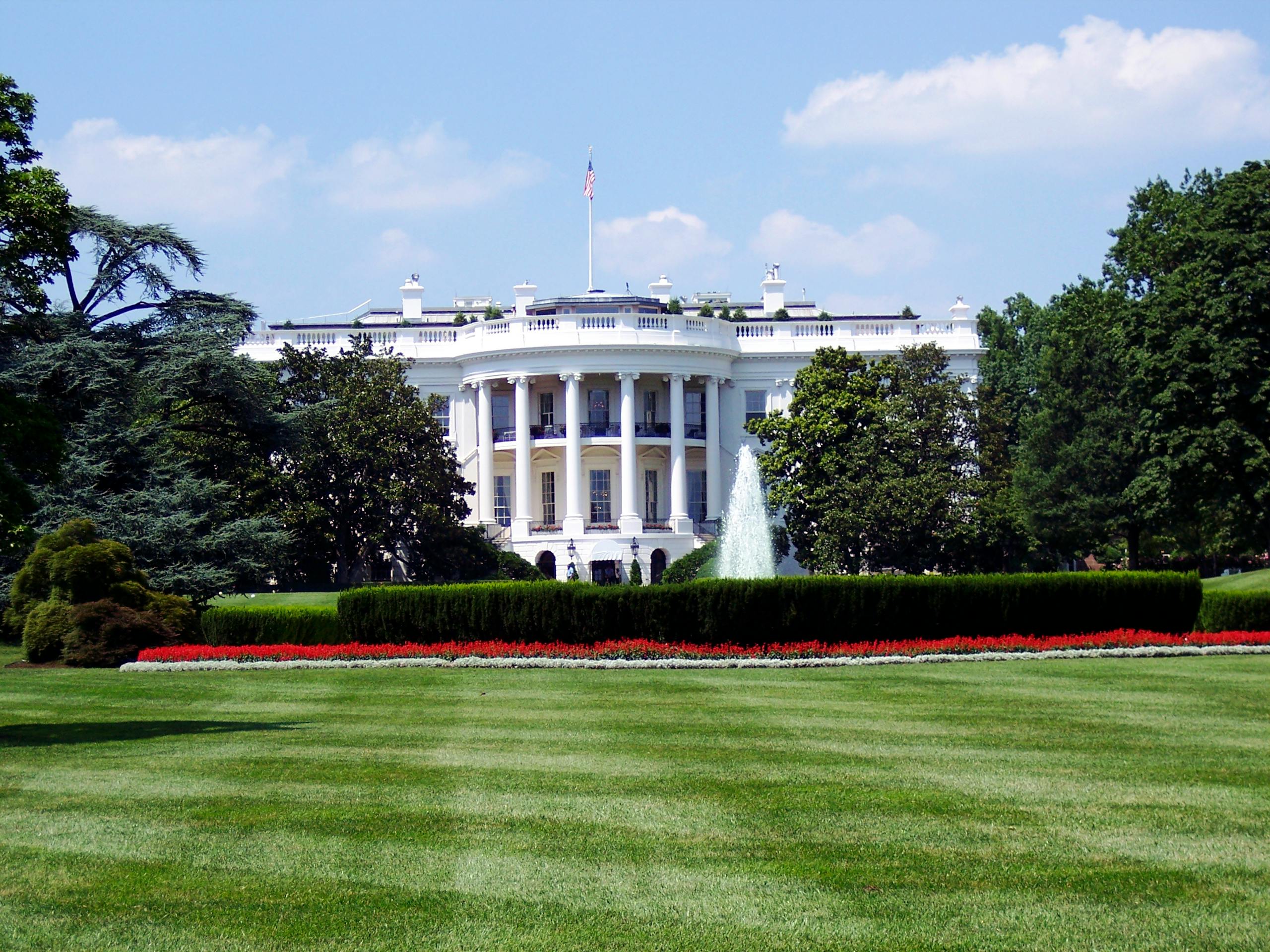
The American twist comes when people start looking for pentagrams in places never designed as occult symbols. Washington, D.C., is often pulled into these theories because its diagonal streets, circles, and avenues create unusual shapes from above.
The more realistic explanation is that it stems from old urban planning, symmetry, and dramatic civic design. Still, once people believe a city map is a puzzle, every intersection starts looking suspicious.
Baphomet
Baphomet does not look like it wandered into conspiracy culture by accident. The goat’s head, horns, wings, human body, and intense stare make it one of the most dramatic figures in modern occult imagery. It has the kind of face that makes people lower the TV volume even when they are alone.
Americans often see Baphomet-style imagery in heavy metal art, tattoo flash sheets, horror merchandise, occult jewelry, and online conspiracy posts. The image feels dark because pop culture has trained people to see it that way.
Horns, shadows, and ritual-looking artwork carry instant visual power, especially in a country raised on horror trailers, Halloween aisles, and true-crime thumbnails.
This is also why unusual public art gets dragged into the conversation. Denver International Airport has become one of America’s favorite conspiracy playgrounds because of eerie murals, gargoyles, underground rumors, and the giant blue horse statue known by many locals as “Blucifer.”
Stories about Denver airport legends show how quickly strange public art can become national folklore.
The Number 666
Nothing turns a normal checkout line into a tiny supernatural event faster than seeing $6.66 on a receipt. Someone buys coffee, gum, and a snack, then suddenly wonders whether to add a candy bar to change the total. That is the cultural power of 666.
The number is widely known from Revelation, where it is identified as the number of the beast. American pop culture has never let it rest. Horror movies, sermons, metal bands, Halloween marketing, and internet jokes have turned 666 into shorthand for evil.
Monster Energy is one of the most famous modern logos associated with this allegation. Online theories claim that the three claw marks resemble symbols associated with 666, while others point to the cross-like mark in the logo’s “O.”
The brand’s dark colors, aggressive styling, and “Unleash the Beast” slogan make the rumor easier to sell, even though bold branding is not proof of hidden satanic intent. For most people, it is just caffeine in a can. For conspiracy-minded viewers, it becomes a gas station mystery.
The Upside-Down Cross
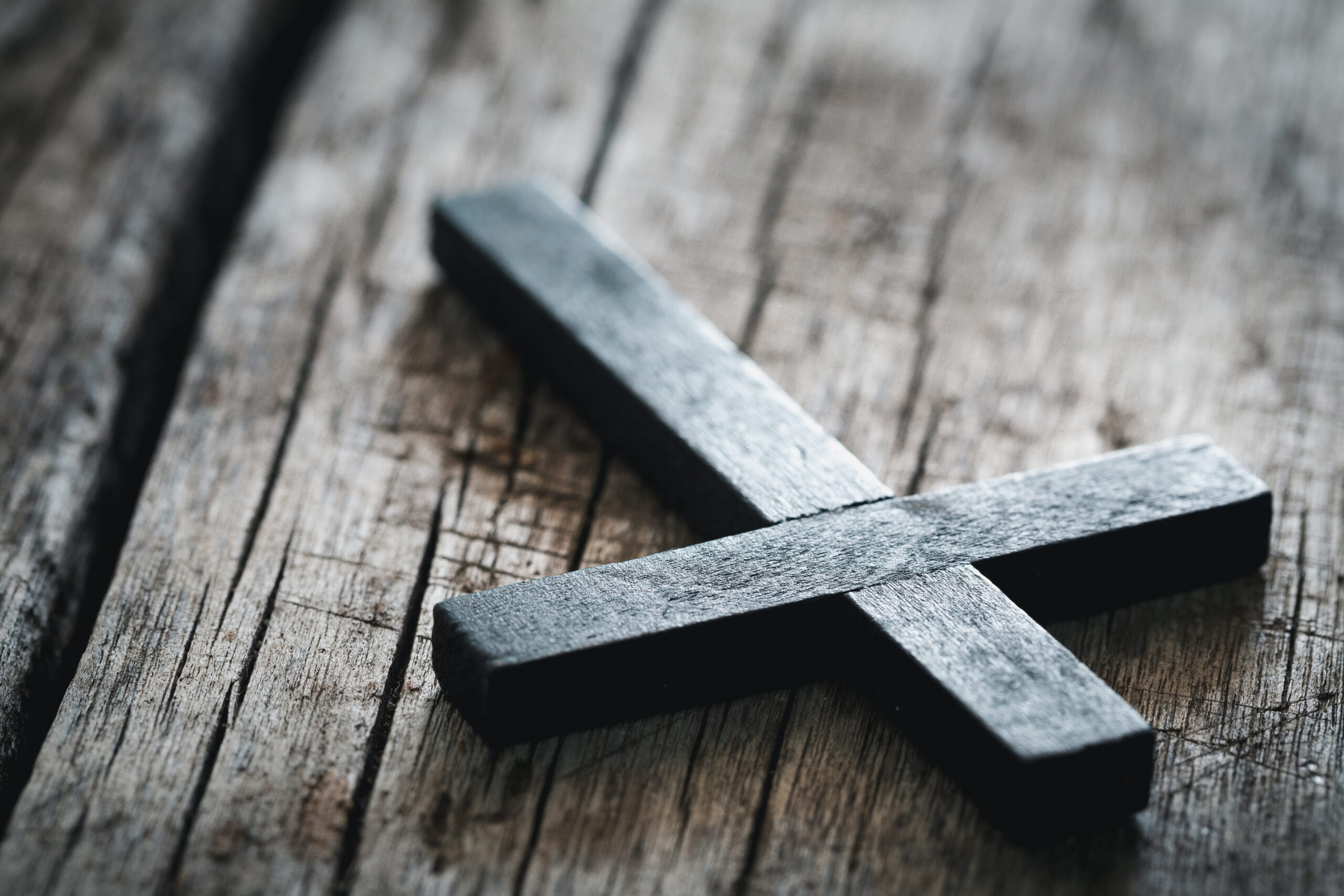
The upside-down cross is one of horror culture’s favorite shortcuts. A movie camera pans across a quiet bedroom, the cross on the wall flips, and viewers instantly know something has gone wrong. It is simple, visual, and unsettling.
The strange part is that the symbol is not automatically satanic. Christian tradition links the inverted cross to St. Peter, who was believed to have been crucified upside down because he felt unworthy to die in the same way as Jesus.
That gives the symbol a religious meaning very different from its appearance in horror movies, music videos, and haunted attractions.
Still, pop culture has changed how many Americans read it. Put the upside-down cross on a black T-shirt, in a music video, or inside a dimly lit room, and most people will not think of humility. They will think of rebellion, blasphemy, or demonic energy. That is how symbols get rewritten. A meaning can be old, but the movie version often wins in the public mind.
The Goat Head
A goat can be harmless on a farm sign, funny in a sports meme, or flattering when someone calls an athlete the GOAT. But place a goat head inside a dark circle, sharpen the horns, add heavy shadows, and the whole image changes. Suddenly, it feels less like a barnyard animal and more like something that belongs on a forbidden door.
The goat’s head’s darker reputation stems from its association with Baphomet and older ideas about wilderness, sacrifice, lust, rebellion, and the untamed side of human nature. In modern Satanic imagery, the goat head inside or near a pentagram is one of the clearest visual signals people recognize.
That is why red-eyed or horned-looking public art often gets pulled into the same rumor machine. Denver’s famous blue horse statue is technically not a goat, but its glowing red eyes and strange presence make people treat it like part of the same dark-symbol family.
It proves how much atmosphere matters. Make something large, eerie, and hard to explain at first glance, and people will build a legend around it before baggage claim.
The All-Seeing Eye
The all-seeing eye may be the most famous alleged hidden symbol in America because it sits right there on the one-dollar bill. People use it to buy coffee, tip bartenders, slip cash into birthday cards, and pay for vending machine snacks. Most never think twice about the eye above the pyramid until someone points at it and says, “Look closer.”
That is when the theories start. Some people connect the eye to secret societies, hidden elites, occult control, or dark spiritual power. The more traditional explanation links it to divine watchfulness and providence, since the Great Seal’s Eye of Providence was depicted as an eye within a triangle, surrounded by glory.
The all-seeing eye works so well as a “hiding in plain sight” symbol because it is familiar and strange at the same time. It is not locked away in a museum or hidden inside an old church. It sits in wallets, cash registers, tip jars, and gas station counters across the country.
That everyday placement makes it feel like the perfect secret message, even when history gives it a less sinister explanation.
The Starbucks Siren

The Starbucks siren is one of the most recognizable logos in America. She appears on cups in office elevators, airport terminals, college libraries, Target stores, and minivans during the morning school run. Most people see coffee. Some people see something darker.
The logo features a twin-tailed siren, a mythological figure associated in popular imagination with beauty, temptation, and danger. Starbucks explains its maritime-inspired symbol through the story of the Starbucks siren, tying it to the pull of coffee and the brand’s seafaring roots.
Still, that old-world look has made the logo a favorite target for internet theories claiming it carries occult or satanic undertones.
The more grounded explanation is branding. Starbucks used the siren to suggest mystery, attraction, and maritime identity. Still, the logo’s mythological roots give conspiracy-minded viewers enough mystery to work with. For most Americans, it means caffeine. For others, it becomes a temptation with whipped cream.
The Horned Hand Sign
The horned hand sign may be the most misunderstood gesture in American pop culture. People flash it at rock concerts, wrestling shows, tailgates, selfies, and football games. In Texas, it can mean Longhorn pride. At a metal concert, it can mean “rock on.” In a conspiracy video, it suddenly becomes something sinister.
That is the problem with hand signs. They depend completely on context. A college fan using the gesture at a stadium is not saying the same thing as a performer using it under red lights during a dark stage show. Yet internet theories often flatten every use into one dramatic meaning.
The horned hand became associated with heavy metal, rebellion, and devilish stage imagery because music culture loves theatrical darkness. That does not make every person who uses it satanic. It does show how quickly people attach fear to gestures once they appear in the right setting.
The same hand sign can be school spirit on Saturday afternoon and alleged occult symbolism by midnight on YouTube.
Black Candles
Black candles are everywhere now. They sit in Halloween aisles, gothic home-decor shops, moody restaurants, tattoo studios, luxury bathrooms, and influencer apartments, where everything looks expensive and slightly haunted. A single black candle can look elegant.
A circle of black candles in a dark room can make people suddenly remember they left something in the car.
The candle itself is not proof of anything. Black candles can represent mourning, protection, banishing, gothic style, witchcraft aesthetics, or simple decoration. The meaning changes with the setting. On a dinner table, it may be an atmosphere. In a horror movie, it becomes a warning.
That is why dark-themed businesses sometimes attract rumors. A bar with black walls, skull art, dim lighting, and candlelit corners may simply be selling a vibe. A boutique with gothic fonts and black candles may be chasing a dramatic aesthetic.
But Americans raised on horror films know how quickly candlelight can move from romantic to ritual-like once the shadows start doing too much.
Conclusion

Alleged satanic symbols are fascinating because they make ordinary American life feel like a scavenger hunt. A dollar bill becomes a coded message. A coffee cup becomes a mythological clue. An airport statue becomes a conspiracy landmark. An energy drink can become a moral panic. A hand sign at a football game becomes the subject of online debate.
Most of these claims do not prove anything sinister. Many are rumors, misunderstandings, old religious symbols, marketing choices, mythology, public art, or pop culture exaggerations. But that is exactly why the topic keeps pulling people in. The line between symbol and story is thin, and Americans love a mystery that feels close enough to touch.
The smartest way to look at these symbols is with curiosity instead of panic. Some really do have occult associations. Others have older, broader, or completely unrelated meanings. The scary part is not always the symbol itself.
Sometimes the scary part is how quickly fear can turn a logo, a building, a candle, a number, or a city map into proof of a hidden world operating right under everyone’s nose.