Millions of Americans still remember the spring of 2020 as the moment everyday life changed overnight. Schools closed, businesses went quiet, and families faced restrictions that reshaped daily routines across the country. Newly highlighted diary entries from Dr. Anthony Fauci have now reignited questions about his influence during one of the most controversial periods in modern American history.
The private notes, recorded during the early months of the COVID 19 pandemic, describe conversations between Fauci and government officials about school closures, business restrictions, and efforts to slow the spread of the virus.
The entries have become a major point of debate among critics who argue they reveal a larger role for Fauci than he later acknowledged. Supporters say the notes show a medical expert advising leaders during an unprecedented emergency.
The controversy is not simply about who signed the final orders that closed schools or businesses. It is about how much influence a public health adviser should have when government leaders are making decisions that affect millions of people. It also raises broader questions about transparency, communication, and public trust during national emergencies.
Fauci Diary Entries Reveal Private Pandemic Conversations
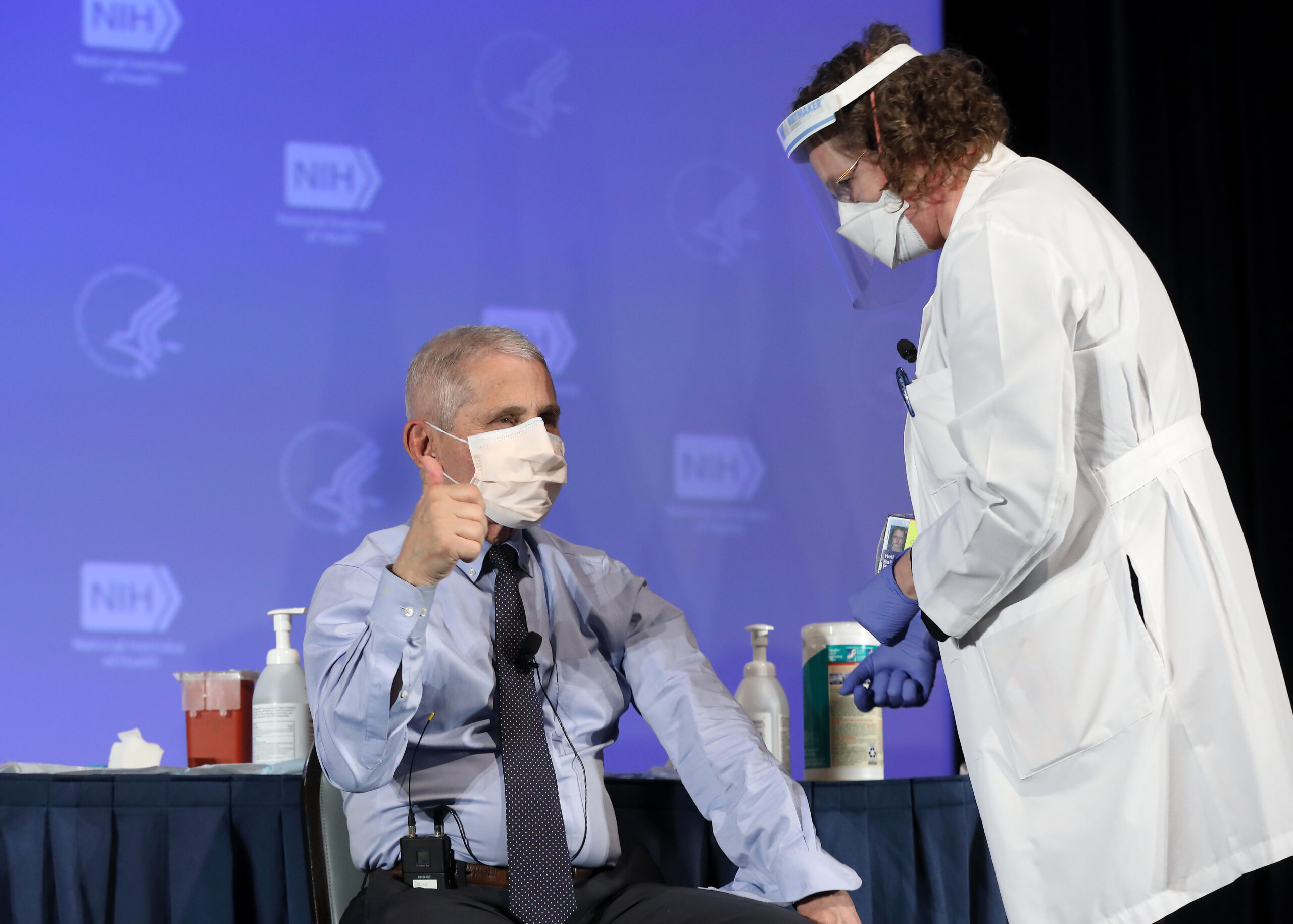
NIH Image Gallery from Bethesda, Maryland, USA, Public domain, via Wikimedia Commons
The debate centers on diary entries from March 2020, when COVID 19 cases were rising quickly, and officials were searching for ways to slow the virus. At the time, scientists were still learning how the disease spread, and hospitals feared being overwhelmed by a growing number of patients. Government leaders across the country were considering major measures with limited information available.
One March 15, 2020, a diary entry described a conversation Fauci had with then New York City Mayor Bill de Blasio about closing schools. Fauci wrote that he spoke with de Blasio and that the mayor had already decided to close schools based on Fauci’s public comments and private discussions. The entry has become one of the most discussed parts of the released material.
The same diary entry referenced communication with California officials regarding school closures and restrictions on bars and restaurants. Fauci wrote that Ann O’Leary, then chief of staff for California Governor Gavin Newsom, said decisions were influenced by Fauci’s television appearances and recommendations. Critics say the passage shows Fauci’s advice directly shaped major government actions.
However, diary entries also highlight a key distinction between advice and authority. Fauci served as a medical adviser and did not have the legal power to independently close schools, shut down businesses, or order Americans to remain at home. Those decisions were made by elected officials and government agencies at the state and local level.
The Debate Over Influence Versus Authority
The central question surrounding Fauci’s role is whether providing recommendations during a crisis also meant influencing government policy. As director of the National Institute of Allergy and Infectious Diseases, Fauci became one of the most recognizable medical figures during the pandemic. His statements carried significant weight because millions of Americans viewed him as a leading voice on COVID 19.
Supporters argue that advising government officials was exactly what Fauci was expected to do during a public health emergency. They say he provided scientific guidance while elected leaders made the final decisions. From this perspective, diary entries show communication between experts and policymakers rather than control over government action.
Critics argue that Fauci’s recommendations had enormous influence because officials relied heavily on his expertise. They say there is a difference between having legal authority and shaping decisions through advice. That disagreement remains at the center of the ongoing debate over Fauci’s pandemic role.
Fauci’s Public Statements Add Another Layer to the Controversy
The controversy intensified because of Fauci’s later comments about his responsibility for lockdown decisions. In interviews after the height of the pandemic, Fauci rejected claims that he personally closed schools or ordered nationwide restrictions. He argued that government agencies and elected officials were responsible for implementing those policies.
In 2022, Fauci stated that he did not recommend locking anything down, pointing to government decision makers who had the authority to create restrictions. Critics argue those comments conflict with diary entries describing conversations where Fauci advised officials on school closures and other mitigation efforts. Supporters say Fauci was referring to his lack of legal power rather than denying that his advice influenced leaders.
The disagreement has created two different interpretations of the same events. One side sees the diary as evidence that Fauci played a major role in shaping decisions. The other sees it as evidence of a scientist fulfilling his responsibility by advising officials during a dangerous outbreak.
Fauci Previously Discussed Recommending COVID 19 Restrictions
The debate became more complicated because Fauci publicly acknowledged recommending certain actions during the pandemic. In 2020, he said he recommended shutting down the country after officials recognized that community transmission was occurring. His supporters say the statement reflected his role as a medical adviser warning leaders about potential consequences.
Critics argue the statement demonstrates that Fauci was more involved in pandemic restrictions than he later suggested. They point to his public comments alongside his private diary entries as evidence of what they describe as inconsistent messaging. The disagreement continues over whether Fauci’s role was advisory or influential enough to shape policy outcomes.
The issue remains part of a larger discussion about leadership during emergencies. Public officials faced difficult choices while balancing health concerns, economic consequences, and individual freedoms. The pandemic forced governments to make decisions that continue to generate debate years later.
Why Lockdowns Remain Personal for Millions of Americans
For many Americans, the lockdown debate is not simply a political argument but a personal experience. Parents remember children learning remotely, business owners remember financial struggles, and workers remember sudden changes to their jobs. The policies created lasting effects that many families are still discussing today.
Supporters of lockdown measures argue restrictions helped reduce pressure on hospitals during a period when vaccines were unavailable and treatment options were limited. They believe officials had to act quickly because the potential consequences of doing nothing were serious. From this perspective, difficult decisions were necessary during an uncertain moment.
Critics argue the restrictions created major costs that deserved more attention. They point to educational setbacks, economic challenges, and social consequences linked to prolonged closures. The disagreement reflects a continuing national debate over how governments should respond during future crises.
Fauci Debate Reflects a Larger Crisis of Public Trust
The controversy surrounding Fauci’s diary reflects a broader struggle over trust in government and public health institutions. During COVID 19, Americans were asked to follow unprecedented rules based on guidance from medical experts and officials. Years later, many people continue to debate whether leaders communicated clearly and honestly.
For some Americans, the pandemic response showed why expert advice is essential during emergencies. For others, changing recommendations and disputes over accountability damaged confidence in institutions. The Fauci controversy has become part of a larger conversation about transparency and responsibility.
The debate is unlikely to disappear soon because the pandemic changed how Americans view government decision making. The questions raised by Fauci’s diary go beyond one individual and focus on how power, expertise, and accountability should work together. As future emergencies are considered, the lessons from COVID 19 will continue shaping public discussions.
What the Fauci Diary Reveals and What Remains Unanswered
The diary entries provide a closer look at Fauci’s conversations with government leaders during the earliest months of the pandemic. They show that he was actively involved in discussions about measures designed to slow the spread of COVID 19. They also reveal how closely public health experts and political leaders worked together during the crisis.
However, the records do not show that Fauci had independent authority to impose lockdowns or make final government decisions. Responsibility for those actions remained with officials who had legal power to create and enforce policies. The debate continues because influence and authority are often difficult to separate during moments of national crisis.
Years after the first lockdowns changed American life, Fauci’s diary entries have added another chapter to the ongoing discussion about pandemic leadership. The controversy reflects larger questions about trust, transparency, and decision making in emergencies. For many Americans, those questions remain as important today as they were during the first uncertain months of COVID 19.