Chocolate looks innocent. It sits near checkout counters, melts into birthday cakes, shows up in Valentine’s boxes, and somehow convinces everyone that one more square will solve a bad day. Americans love it because it feels comforting, familiar, and harmless.
But behind that glossy wrapper sits a far less sweet story. The chocolate industry depends on farmers, forests, children, fragile weather, and global supply chains that most shoppers never see. Recent cocoa shortages, record prices, and labor concerns have exposed how much pain can hide inside one ordinary candy bar.
Farmers grow the cocoa, but Often Stay Poor.
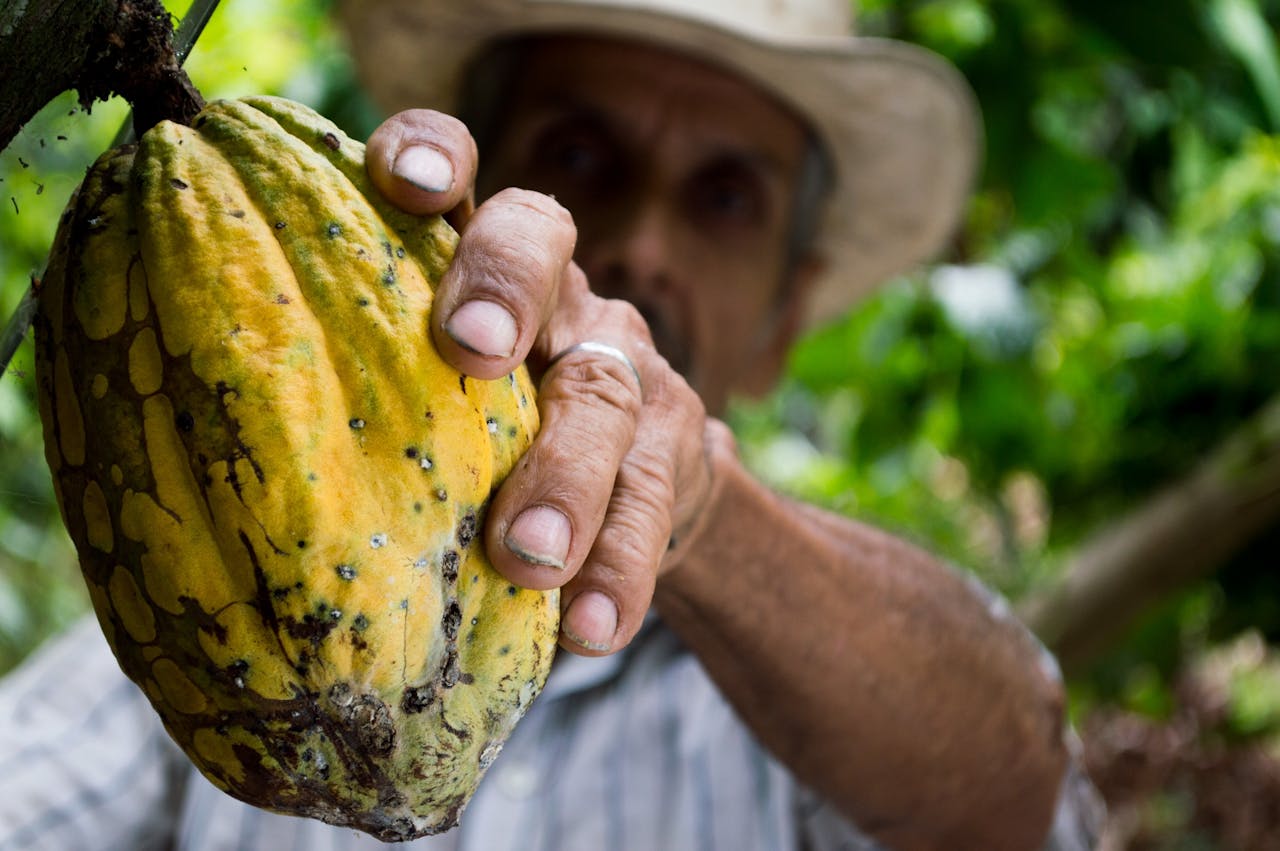
The first harsh reality is simple. Many cocoa farmers grow one of the world’s favorite ingredients, yet they remain trapped in poverty. That sounds absurd when chocolate sells for billions globally, yet the people who produce the beans often receive only a small share of the final retail price.
Most cocoa comes from small family farms in West Africa, especially Côte d’Ivoire and Ghana. These farmers face rising costs, aging trees, crop disease, and unpredictable weather, yet they often lack the money to improve their farms. When shoppers complain about the high price of chocolate, many farmers still wonder why higher prices never seem to reach them in a meaningful way.
Child Labor Still Shadows Cocoa Farming
Chocolate brands have promised reform for years, but child labor remains one of the darkest realities in the cocoa trade. U.S. labor data notes that more than 1.5 million children work on cocoa farms in Côte d’Ivoire and Ghana, where much of the world’s cocoa supply begins. That number should make every sweet tooth pause for a second.
Some children work beside their families because cocoa households cannot afford hired adult labor. Others face dangerous tasks, including carrying heavy loads, using sharp tools, and handling farm chemicals. The problem does not disappear because a wrapper looks cheerful or because a brand uses soft words about sustainability.
Climate Change Is Making Cocoa More Unstable
Cocoa trees are picky. They need the right mix of heat, shade, moisture, and stable growing conditions. When rainfall turns extreme or drought lasts too long, cocoa harvests can collapse fast.
West Africa has already felt this pressure. Reports linked recent production drops in Côte d’Ivoire and Ghana to heavy rains, drought, disease, and climate stress, which helped push cocoa prices to historic highs. That means the chocolate aisle now reflects a bigger climate problem, not just a simple grocery price hike.
Deforestation Has Paid the Price for Cheap Chocolate
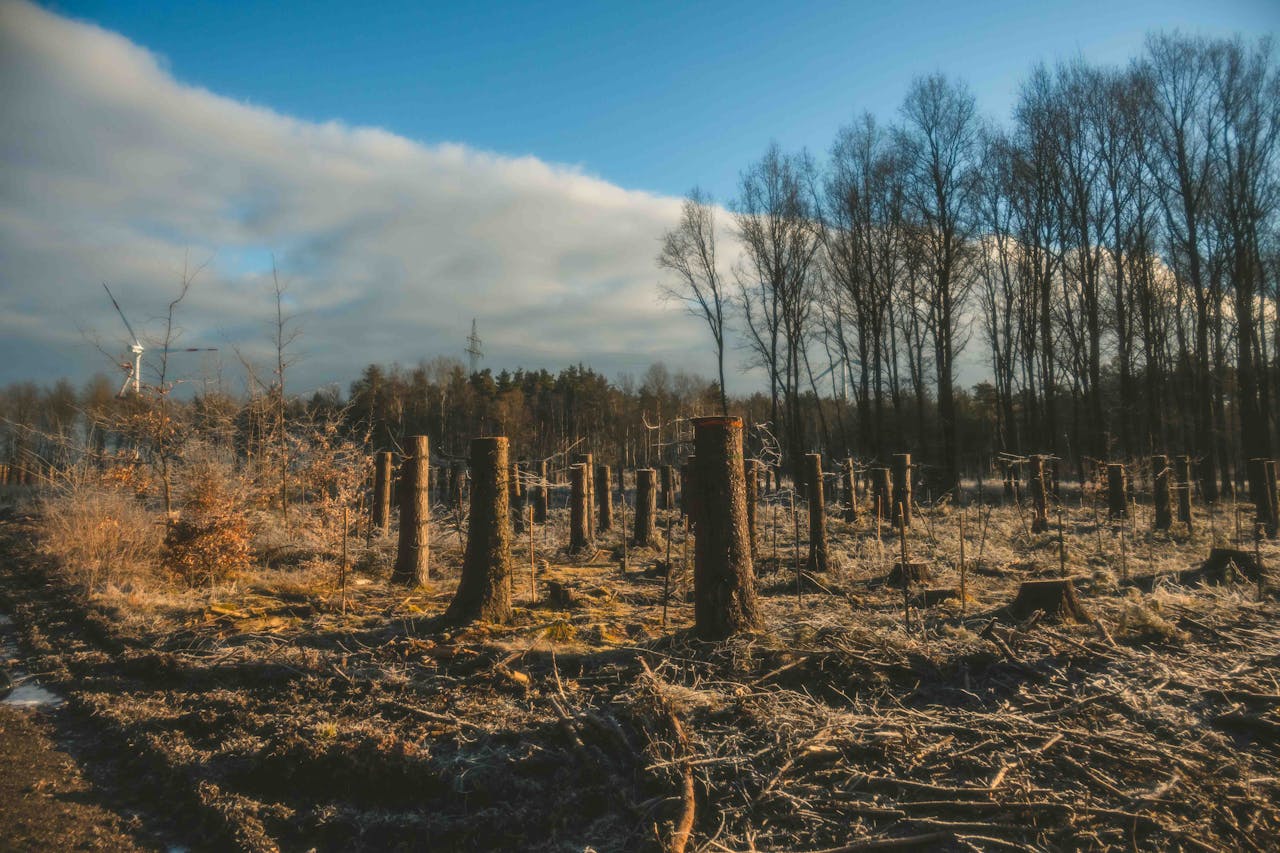
Cocoa farming has helped drive forest loss in parts of West Africa. Farmers need land, and when prices stay low, expanding into new areas can look like the only way to survive. That creates a cruel cycle where poverty pushes environmental damage, and environmental damage later makes farming harder.
Côte d’Ivoire has lost a devastating amount of primary forest, and cocoa has played a major role in that history. New European rules now demand stronger proof that cocoa exports do not come from recently deforested land, which could force more traceability across the industry. The tough part is that small farmers may bear much of the burden unless buyers help cover compliance costs.
Record Cocoa Prices Do Not Mean Farmers Are Winning
A record cocoa price sounds like good news for farmers. In reality, the story gets messy. Futures prices may soar in global markets, but many farmers sell through regulated systems, middlemen, contracts, or local structures that limit how much of that price boom they actually receive.
Ghana’s cocoa sector showed how fragile the system has become. Production fell sharply in the 2023 and 2024 season, and the country had to delay large cocoa deliveries after output hit a two-decade low. So yes, chocolate may cost more in stores, but that does not automatically mean farmers are finally living comfortably.
Shoppers Pay More and Still Get Less
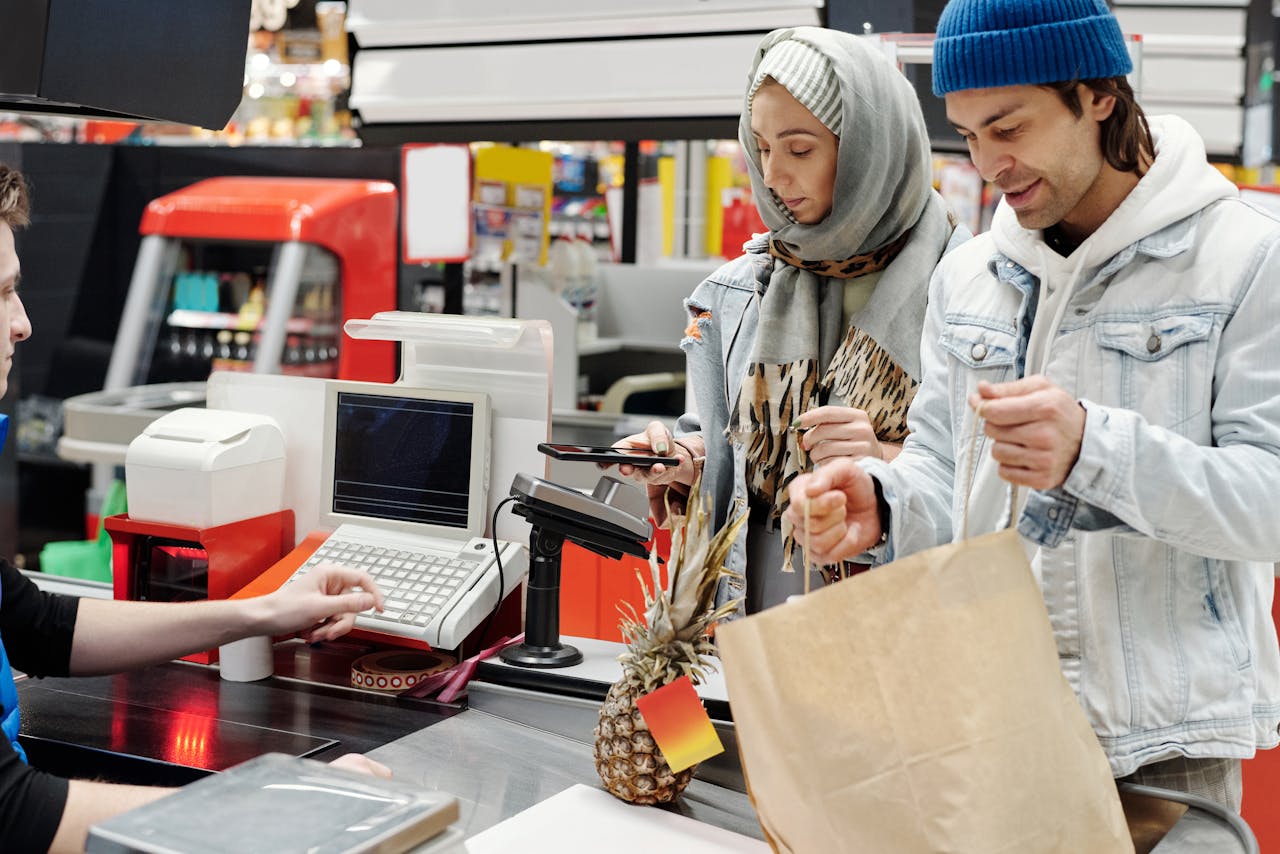
American consumers now feel the cocoa crisis in a very ordinary place, the snack aisle. Chocolate bars shrink. Prices rise. Recipes change. Some products use more fillers, wafers, nuts, caramel, or cream to stretch less cocoa across more packages.
This is the part shoppers notice first because it hits their wallets. A candy bar can look familiar but weigh less than it used to. A seasonal chocolate box can cost more but feel lighter. Companies rarely frame this as a crisis, but consumers recognize the trick when their favorite treat quietly becomes smaller.
Sustainability Labels Can Hide More Than They Reveal
Many chocolate packages now carry comforting labels about ethical sourcing, fair farming, rainforest protection, or community support. Those labels can signal progress, but they do not always tell the whole story. A certification mark cannot magically erase poverty, child labor, weak traceability, or deforestation risk across a long supply chain.
The cocoa supply chain moves through farms, cooperatives, traders, processors, manufacturers, and retailers. Every step creates distance between the shopper and the farm. Unless companies can trace cocoa clearly and pay farmers enough to improve conditions on the ground, a nice label can become a marketing shield rather than real proof.
Women in Cocoa Communities Often Get the Worst Deal
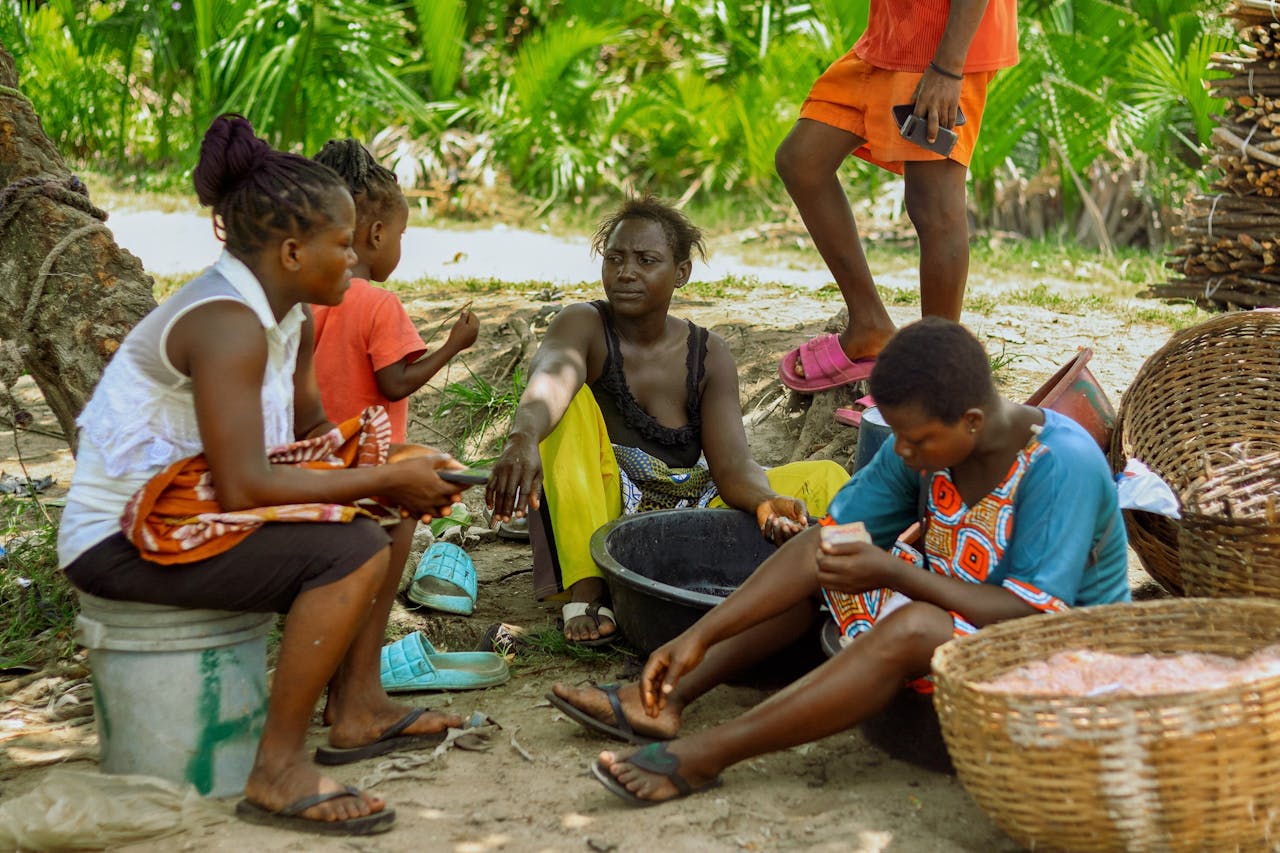
Women do a significant amount of agricultural work in cocoa communities, but they often receive less money, have less access to land, and have less decision-making power. That creates another hidden injustice behind chocolate. The industry depends on its labor, yet many women remain invisible in the official story of cocoa farming.
Poverty also hits women and children harder when harvests fail or prices swing. Families may pull children into farm work, delay school enrollment, or cut spending on food and health. When people talk about chocolate as a luxury product, they often forget that cocoa is a survival crop for millions of households.
Conclusion
Chocolate does not need to disappear from American homes, but shoppers should stop seeing it as a simple treat with no consequences. Behind every bar sits a chain of farmers, forests, children, climate pressure, and corporate choices. The industry has made progress in some areas, but the harsh realities remain too large to ignore.
A better chocolate industry would pay farmers fairly, protect children, trace cocoa honestly, and stop treating forests like disposable farmland. Until that happens, the sweetest snack in the grocery store will keep carrying a bitter aftertaste. The real question is simple: how much truth are shoppers willing to face before they unwrap the next bar?