Waldorf salad does not need a dramatic reinvention to feel fresh. Crisp apples with their skins on, red grapes, thinly sliced celery, and toasted walnuts add color and texture to the familiar creamy salad. In a version published by Foodess, registered dietitian and recipe developer Jennifer Pallian combines those ingredients with a mayonnaise-and-Greek-yogurt dressing, then serves the mixture over lettuce. The makeover keeps the recognizable fruit-and-crunch combination while adding a tangy finish.
Pallian’s recipe yields six servings and takes 55 minutes, including 30 minutes of chilling. Most of the work is chopping and mixing; the only cooking is briefly toasting the walnuts. It is a practical option for a holiday side, a lunch accompaniment or a buffet dish, provided you plan for refrigeration rather than assuming a cold salad can sit out indefinitely. The attraction is contrast: juicy fruit, crisp vegetables, toasted nuts and a creamy dressing.
The Original Was Simpler Than Many People Remember
Oscar Tschirky, the Swiss-born maître d’hôtel associated with New York’s Waldorf Hotel, is widely credited with creating the Waldorf salad. A New York Times account dates its creation to 1893, while Tschirky’s recipe appeared in his 1896 cookbook. The earliest published formula was notably restrained: chopped apples and celery dressed with mayonnaise. The original recipe did not include walnuts and grapes, now familiar parts of many versions.
Tschirky’s instructions were direct: “Peel two raw apples and cut them into small pieces, say about half an inch square, also cut some celery the same way, and mix it with the apple.” He ended with an equally uncomplicated requirement: “The salad must be dressed with a good mayonnaise.” The passage helps explain why modern variations remain recognizable. Apples, celery and creamy dressing provide the foundation, even when cooks add other ingredients.
That makes the current recipe less a rejection of tradition than another stage in its evolution. Pallian retains the apples, celery, and mayonnaise, then includes grapes, walnuts, lemon, honey, and yogurt. Unlike Tschirky’s peeled-apple preparation, she leaves the skins on for color. The difference is visible before you take a bite: red grape halves and apple peel break up the creamy coating, while lettuce gives the mixture a green backdrop.
There is no need to present those additions as a newly discovered trend. Grapes and walnuts have appeared in Waldorf variations for years, and the Times notes other adaptations containing ingredients such as blue cheese and raisins. What makes this particular version useful is its complete, documented formula and straightforward preparation not a claim that yogurt or colorful apples have only just arrived in the salad bowl.
Crisp Apples and Toasted Walnuts Do the Work
For the salad, Pallian calls for three large crisp apples, three thinly sliced celery stalks, one and one-half cups halved red seedless grapes, and three-quarters of a cup toasted, roughly chopped walnuts. She suggests Honeycrisp or Gala apples. She also allows half the apples to be Granny Smith for a sharper flavor. The key is firm fruit that will hold its texture, not an apple that is already soft or mealy.
As you core and dice the apples, toss them with one tablespoon of fresh lemon juice. Pallian explains that the acid slows the enzymatic reaction that causes browning on cut surfaces. This is a quality step, not a food-safety treatment or a promise that apples can never discolor. Coating the pieces as you work gives the lemon time to reach them before they’ve been exposed to air for long.
Toast the walnuts in a dry skillet over medium heat for four to five minutes, until fragrant, then let them cool before adding them to the salad. Reserve a handful for the top instead of mixing in every piece. That finishing layer keeps the nuts visible and adds surface texture. Cooling also follows the author’s advice to avoid warming the creamy dressing and loosening it with nuts straight from the pan.
The dressing combines one-half cup mayonnaise, one-quarter cup plain Greek yogurt, one tablespoon each of honey and fresh lemon juice, one-quarter teaspoon salt, and a pinch of black pepper. Whisk until smooth. “The yogurt cuts the richness and adds a gentle tang that keeps the sweet fruit from tasting heavy,” Pallian writes. That describes the intended flavor effect; it isn’t a reason to label the finished salad universally healthier than any mayonnaise-based version.
Related: The Salad That Gets Better Overnight and It’s the Smartest Thing You Can Make This Week
Fold Gently, Chill Briefly and Keep the Crunch
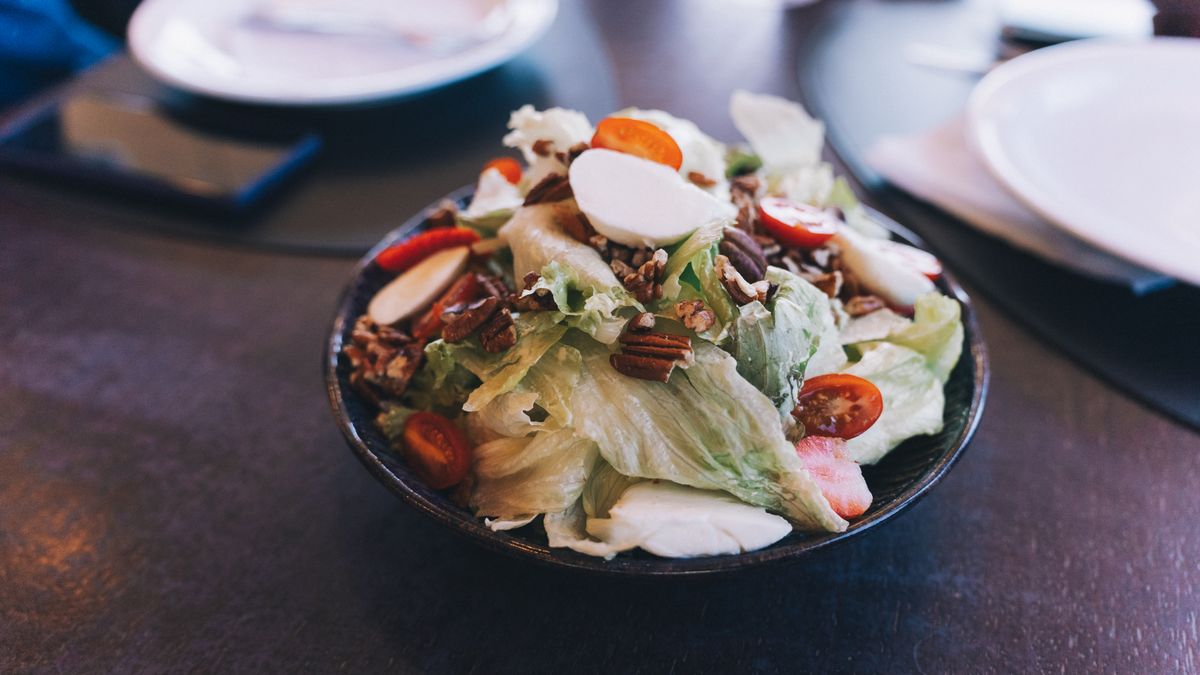
Add the celery and grapes to the apples, pour over the dressing and fold gently to coat. Mix in most of the walnuts, reserving the rest. Refrigerate for 30 minutes, then fold once more and adjust the salt and lemon to taste. Serve on butter lettuce or romaine, scattering the remaining nuts on top. Pallian also suggests serving in individual lettuce cups, turning the same mixture into neatly portioned servings.
The recipe offers several optional changes, but you don’t need to use them all at once. Toasted pecans can replace walnuts, and shredded cooked chicken can turn the side into a lunch. A handful of raisins or dried cranberries adds another fruit element, while chopped parsley or chives can supply a fresh garnish. These are the author’s suggested variations, not required ingredients for the main recipe.
For preparation, keep the dressing separate from the fruit and celery, and hold the toasted walnuts aside until assembly. Pallian recommends mixing the salad about an hour before serving and storing assembled leftovers in an airtight container in the refrigerator for up to one day. Keep the lettuce separate so it doesn’t sit beneath the dressed fruit. She advises against freezing because the produce loses texture and the dressing can separate after thawing.
The result is still unmistakably Waldorf salad, not an unrelated bowl borrowing a famous name. The apples and celery remain central, the dressing stays creamy, and the grapes and toasted nuts add variety without complicating the method. It reminds us that a classic doesn’t always need a bold new ingredient. Sometimes leaving the apple skins on, sharpening the dressing, and paying attention to texture are enough to make it inviting again.
Other Posts You Might Like:
- 8 Highly Protein-Rich Vegetables You Need to Include in Your Diet
- 7 Common Signs Your Diet Isn’t Working for You