Some pancakes sit politely on a plate. Japanese soufflé pancakes arrive as if breakfast learned a party trick: tall, golden, gently wobbly rounds with soft centers. They have the appeal of something you would order at a café, then immediately wonder whether you could pull off in your own kitchen. The good news is that their impressive height comes from a familiar ingredient, not a specialty pancake mix: whipped egg whites.
You can make them at home, but this breakfast rewards attention more than speed. The ingredient list is straightforward, and some recipes do not require molds. The key is building a stable egg-white foam, folding it into the batter without flattening it, and cooking the pancakes gently enough for the centers to set. Think weekend kitchen project, not a race against the school-run clock.
What Makes These Pancakes So Fluffy?
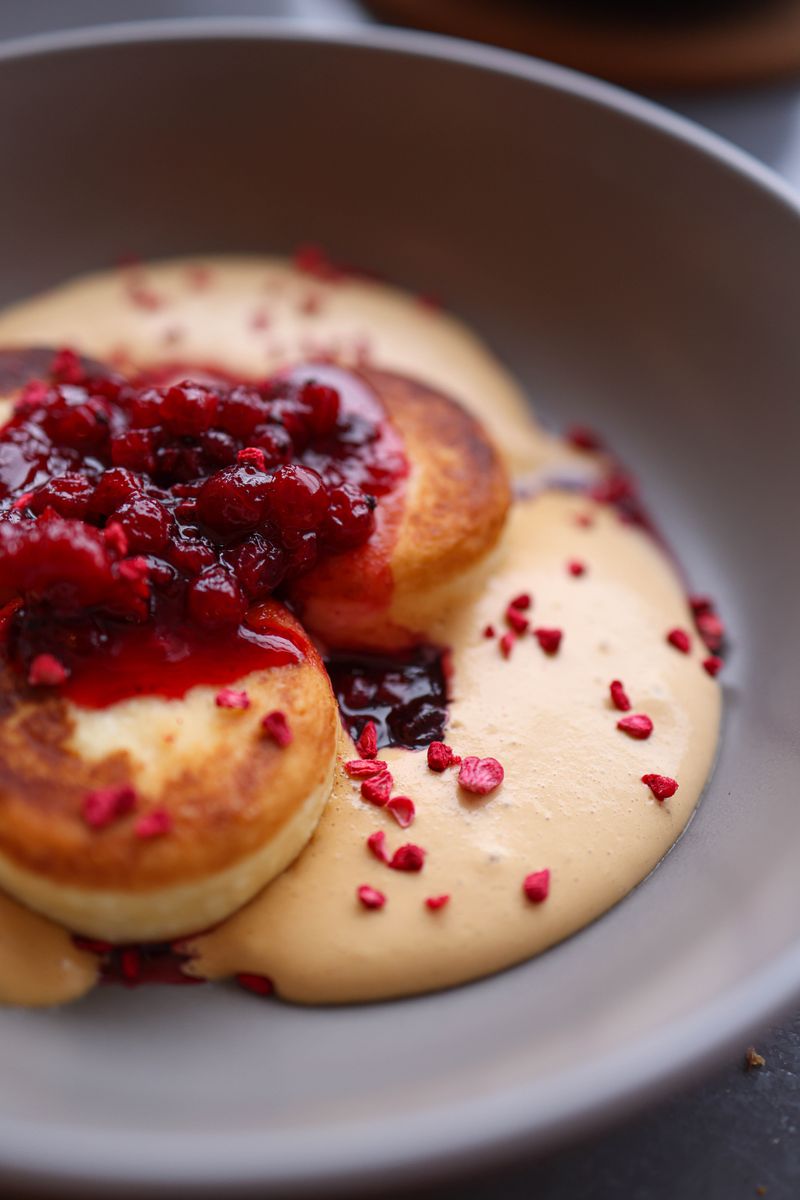
The secret is meringue, the mixture of whipped egg whites and sugar that gives these pancakes their airy structure. Instead of relying on baking powder alone, soufflé pancakes get much of their lift from air incorporated into the whites. Fold that foam into a yolk-based batter, and you have the foundation for a taller, softer pancake. King Arthur Baking describes the finished flavor as buttery, eggy, and subtly sweet.
That soufflé comparison is about technique as much as appearance. In her King Arthur Baking recipe, recipe developer Molly Marzalek-Kelly explains that “the egg whites are whipped to create a meringue that aerates the batter.” That is why the mixing stage deserves your attention: the air you build into those whites needs to survive long enough to help the finished pancake rise. Vigorous stirring is not the assignment here.
Just One Cookbook founder and recipe creator Namiko Hirasawa Chen also makes clear that these pancakes can take practice. “I made them countless times before I felt confident enough to share this recipe,” she writes in her guide. That’s reassuring before you begin: a slightly lopsided first attempt doesn’t mean the dish belongs exclusively in café kitchens. It means this breakfast has a learning curve, even for an experienced recipe developer.
How to Make a Cloudlike Stack at Home
For a small batch, Chen’s recipe makes three pancakes using two large eggs, separated; 1½ tablespoons whole milk; ¼ teaspoon vanilla extract; ¼ cup cake flour; ½ teaspoon baking powder; and 2 tablespoons sugar. It also calls for 1 tablespoon neutral oil for the pan and 2 tablespoons water for steaming. Her listed total time is 45 minutes, including 15 minutes for chilling the egg whites.
Gather an electric hand mixer and an 11- to 12-inch nonstick frying pan with a tight-fitting lid before starting. Separate the eggs into two bowls, then put the whites in the freezer for 15 minutes, following Chen’s method. Meanwhile, whisk the yolks with the milk and vanilla until pale and frothy. Sift in the cake flour and baking powder, then whisk just until the batter comes together smoothly.
Next comes the step that gives breakfast its big personality. Beat the chilled whites until foamy, then gradually add the sugar in three additions. Continue until the meringue looks smooth and glossy and holds a firm peak when you lift the whisk; the tip may bend slightly. Avoid beating it until grainy, which makes it harder to incorporate. Chen also cautions that even a small amount of yolk in the whites can interfere with whipping.
Mix one-third of the meringue into the yolk batter to lighten it, then gently fold in the rest in stages until no white streaks remain. Cook promptly in the lightly oiled pan, preheated over the lowest heat to about 300°F. Chen builds three tall mounds, adds more batter as the surfaces begin setting, and pours water into the empty spaces, not onto the pancakes before covering the pan.
In her method, the first side cooks for six to seven minutes, with a final scoop of batter added to each mound at the two-minute mark. Gently roll the pancakes over with a spatula, add the remaining tablespoon of water around them, cover again, and cook for another four to five minutes. Look for golden bottoms and sides that feel set, rather than relying on color alone. Then transfer them straight to waiting plates.
Related; Why Small Family Traditions Can Mean More to Children Than Expensive Gifts
The Mistakes That Can Flatten Your Breakfast
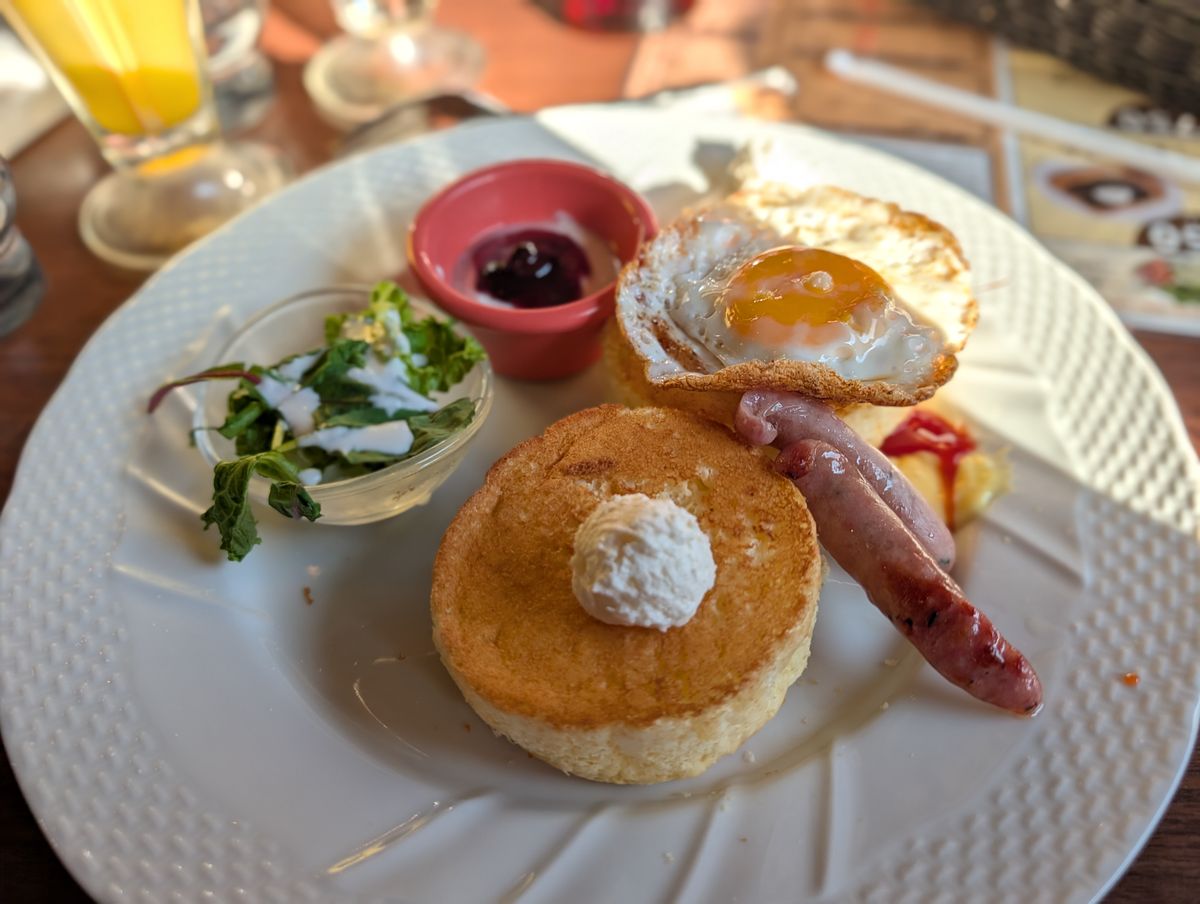
The biggest temptation is to turn up the heat and rush. Resist it: Chen warns that rushing can brown the outside before the inside cooks through, and undercooked pancakes can collapse when you remove them from the pan. The lid is part of the cooking method, not an optional accessory. It traps heat and steam, helping the thick pancakes cook gently rather than leaving you with a golden exterior and an unset middle.
More than one tested approach exists, which is another reason to follow one complete recipe instead of mixing instructions. Marzalek-Kelly’s King Arthur version uses English muffin rings lined with parchment. Food & Wine’s recipe by Jack Poon and Sung Taek pipes tall mounds onto a griddle and covers them with an inverted aluminum pan. As Poon and Taek’s recipe introduction puts it, “The secret to high-rise soufflé pancakes is all about speed and temperature.” Each method has its own timing and setup.
Finally, have the toppings ready before the pancakes leave the pan. Chen suggests confectioners’ sugar, berries, whipped cream, and maple syrup, and notes that the pancakes naturally lose some height as they cool. That makes them a serve-now breakfast rather than a stack to leave waiting while you prepare everything else. Set out the plates, finish the coffee, and let those fluffy rounds shine while they are still warm. The photo can wait a few seconds; breakfast shouldn’t.