Fashion has a way of surprising us, and sometimes, not in a good way. Over the decades, certain trends have emerged that make us question the choices of past generations. These are styles that promised glamour, power, or rebellion but delivered confusion, impracticality, or sheer absurdity.
From bizarre clothing shapes to audacious color choices, these ten fashion disasters left lasting impressions for all the wrong reasons. Each one teaches us how trends can misfire spectacularly and reminds us why some styles should have stayed buried in the archives.
As we walk through the most regrettable fashion statements of the last century, it becomes clear that not all trends deserve a second chance. Some made life more difficult, others made appearances more shocking than stylish.
Shoulder Pads: The Power Suit Overload
In the 1980s, shoulder pads became the emblem of authority, transforming blazers and jackets into architectural spectacles. The exaggerated structure aimed to project power and confidence but often resulted in a comical, triangular silhouette. Even everyday T-shirts and casual wear were not spared, inflating shoulders to impossible proportions. People walking down the street looked more like moving geometric forms than professionals. These padded shoulders symbolized a misstep in the pursuit of dominance, highlighting how embellishment can overwhelm elegance.
The trend extended beyond work attire, infiltrating workout gear and casual ensembles. Aerobic instructors adopted shoulder pads in neon spandex, turning fitness into a spectacle of bulk. The underlying intent to convey strength became overshadowed by the impracticality of movement. In hindsight, shoulder pads illustrate the danger of prioritizing image over comfort, proving that fashion can sometimes become a burden rather than a statement.
Bell Bottoms: Flare That Went Too Far

Bell-bottoms captured the rebellious spirit of the 1970s, offering a radical departure from straight-leg trousers. Their dramatic flair created a visual spectacle but introduced significant mobility challenges. Walking in public required careful choreography to avoid tripping or entangling with objects. The voluminous hem could resemble personal tents, turning casual movement into a precarious endeavor. This exaggeration of style ultimately undermined practicality and rendered the wearer a walking hazard.
The revival in the 1990s brought renewed interest but failed to address the inherent issues. Dancing, commuting, or navigating crowded spaces became exercises in caution and patience. Bell-bottoms serve as a historical reminder that flair without balance compromises both safety and style. While visually striking, these pants exemplified how excess in design can overshadow functionality.
Neon Overload: When Visibility Backfired
The 1980s neon trend flooded wardrobes with eye-popping colors that demanded attention. Neon garments aimed to express energy and individuality but often resulted in visually overwhelming ensembles. Bright greens, yellows, and pinks created a fluorescent effect that could be painful to behold.
Rather than a subtle statement, neon frequently resembled human signage, making subtlety impossible. The combination of head-to-toe neon challenged taste and limited practical wearability.
Fashion enthusiasts embraced neon in workout attire, streetwear, and party outfits, yet the intensity often overpowered personalities. This trend demonstrated how unchecked color can detract from design rather than enhance it. Neon overload reminds us that fashion statements must balance creativity with wearability to avoid turning style into spectacle.
The Mullet: Dual-Purpose Hair Gone Wrong

The mullet promised business in the front and party in the back, but delivered a visual contradiction. Sleek front layers clashed with untamed back sections, creating a split-identity hairstyle. Attempting to balance professionalism with rebelliousness, the mullet often came across as indecisive or awkward.
This haircut symbolized the struggle to merge conflicting style narratives into a coherent image. Public reactions varied, with some embracing the audacity and others cringing at the disharmony.
As an enduring pop culture icon, the mullet remains a controversial symbol of 1980s fashion. Its polarizing nature emphasizes how hair trends, like clothing, can exaggerate identity in ways that risk ridicule. The mullet illustrates the consequences of combining opposing concepts without harmony, demonstrating that fashion experiments can backfire when extremes collide.
Shutter Shades: Window Blinds as Eyewear
Shutter shades emerged in the mid-2000s as a bold, avant-garde accessory but sacrificed practicality for novelty. Styled like miniature window blinds, they obstructed vision while failing to provide effective sun protection. Prominent in celebrity culture, these sunglasses prioritized aesthetic shock over functionality. Wearers often struggled to see clearly, making everyday activities cumbersome.
Shutter shades exemplified how prioritizing form over function can transform a playful idea into a regrettable trend.
While briefly popular in nightlife and entertainment contexts, shutter shades quickly faded due to impracticality. Their design proved that wearable accessories must complement human behavior rather than impede it. Shutter shades highlight the fine line between creative experimentation and impractical excess in fashion.
Shell Suits: Reflective Nightmares

The 1990s shell suit combined comfort with extreme visual flamboyance. Constructed from shiny nylon, these suits reflected light like disco balls, overwhelming observers. Movement created a constant rustling, turning wearers into dynamic sound and visual objects.
While functional for exercise, shell suits emphasized spectacle over style, attracting attention for the wrong reasons. The design prioritized visibility at the expense of subtlety, making fashion itself the obstacle.
Shell suits persisted in casual and streetwear, often worn beyond athletic contexts. Their loud aesthetic reinforced the idea that some trends, though practical, fail when taste is neglected. This trend serves as a cautionary tale that reflection and flair must be measured to avoid visual overindulgence.
Frosted Tips: Hair That Misfired
Frosted tips became a late-1990s obsession, bleaching the ends of hair for a sun-kissed effect. The results often resembled chemical misadventures rather than stylish highlights. Pop culture influence spurred widespread adoption, yet consistency and subtlety were frequently absent.
The dramatic contrast between natural roots and lightened tips created an incongruous appearance. Frosted tips exemplify how replicating celebrity trends without moderation can yield comical or unflattering results.
Despite their fleeting popularity, this hairstyle remains a reference point for fashion misjudgments. Frosted tips demonstrate that the pursuit of individuality must be guided by proportion and harmony. Hair, as fashion, requires subtlety to avoid turning personal expression into visual disruption.
Hobble Skirts: Restricted Mobility for Style
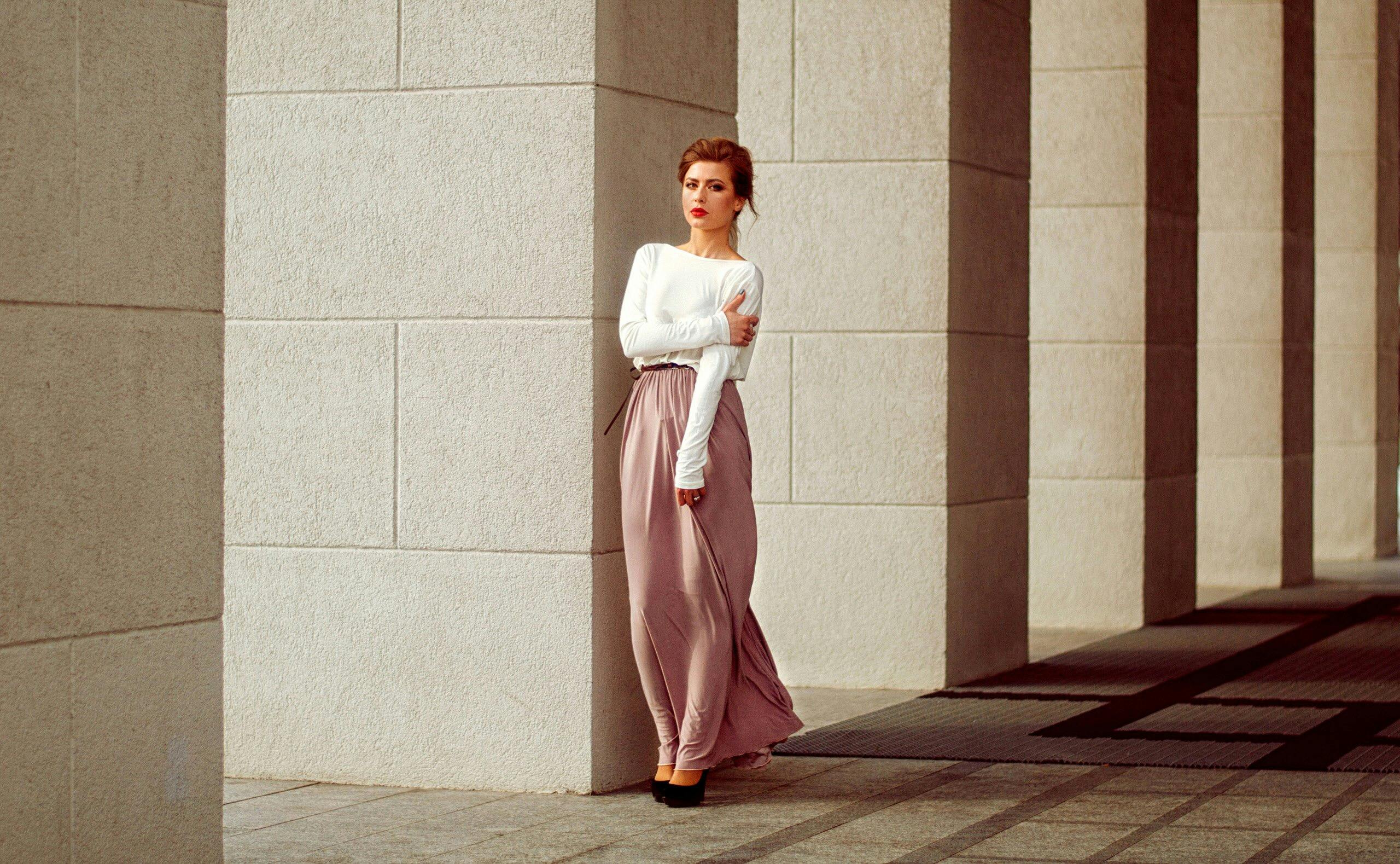
Hobble skirts of the 1910s were designed with an ultra-tight hem, constricting movement for a refined silhouette. Walking in these skirts demanded cautious, almost ceremonial steps. The impracticality posed safety risks on uneven surfaces or when boarding vehicles.
While intended to convey elegance, hobble skirts prioritized aesthetic control over wearer autonomy. Fashion became a physical challenge, highlighting the extremes of style-driven discomfort.
The trend illustrated early fashion’s willingness to compromise mobility for appearance. Hobble skirts remain a cautionary example of how style can constrain rather than empower. They remind us that true fashion balances artistry with functionality, respecting the wearer’s movement.
Hypercolor Clothing: Mood Swings on Display
Hypercolor clothing, popular in the 1990s, reacted to temperature, changing colors unexpectedly. This novelty often led to awkward, revealing patterns in sensitive areas. While innovative, the practical implications for social interactions were overlooked.
Wearers became unintended displays of body heat, reducing comfort and confidence. Hypercolor trends highlighted the risk of prioritizing gimmick over practicality in design.
Despite initial fascination, the clothing quickly lost appeal due to usability challenges. Hypercolor exemplifies how experimental materials require careful consideration before mass adoption. Fashion innovation must balance surprise with usability to avoid public embarrassment.
Ugg Boots: Cozy Yet Clumsy

Ugg boots became a cultural phenomenon in the early 2000s, prized for warmth and comfort. Their oversized silhouette, however, compromised proportion and style. Many wearers struggled with mobility, and wearing them in warm weather seemed counterintuitive. Uggs embodied the tension between comfort and aesthetics, favoring one over the other.
While beloved for coziness, they became a symbol of indulgence, overriding practicality.
The footwear’s ubiquity sparked debates over style versus function. Ugg boots illustrate how comfort can dominate design, sometimes resulting in visually awkward outcomes. They remain an example of fashion prioritizing immediate gratification over proportion and elegance.
Conclusion
Fashion’s history is dotted with bold experiments, some succeeding brilliantly, others failing spectacularly. These ten trends represent moments when ambition outpaced sense, leaving wearers awkward, constrained, or visually overloaded.
Shoulder pads, bell-bottoms, neon overload, mullets, shutter shades, shell suits, frosted tips, hobble skirts, hypercolor clothing, and Ugg boots each provide lessons in balance, proportion, and usability. As style evolves, these cautionary tales remind us to question trends, consider practicality, and prioritize elegance over spectacle.