Modern churches do not usually collapse because of a single shocking sermon that destroys everything overnight. They weaken when small errors become the norm, when Bible verses are taken out of context, and when emotional language replaces sound doctrine. A church can have music, lights, programs, crowds, and polished preaching, yet still drift from the truth if the gospel is slowly edited to fit culture, comfort, pride, or profit.
Modalism Confuses the Trinity
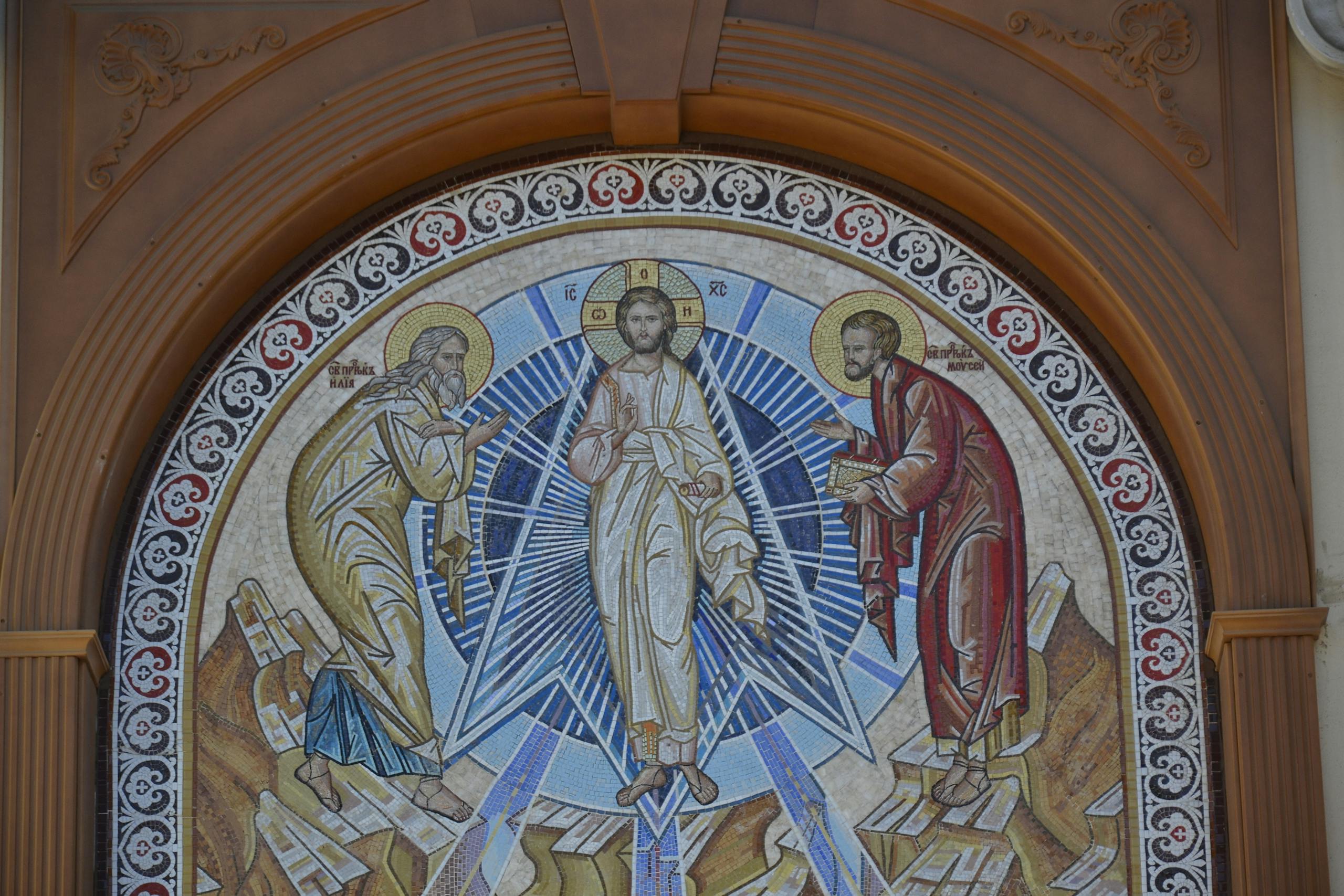
Modalism teaches that God is one person who appears in different modes at different times. In this view, God appeared as the Father in one age, as the Son during the incarnation, and as the Holy Spirit after Christ’s ascension. It may sound like a simple way to explain the Trinity, but it removes the real distinction between the Father, the Son, and the Holy Spirit.
Historic Christianity teaches that God is one Being in three distinct Persons: Father, Son, and Holy Spirit. The Father is not the Son. The Son is not the Spirit. The Spirit is not the Father. Yet all three are fully and eternally God. This is not a mathematical puzzle for entertainment; it is the foundation of Christian worship, baptism, prayer, salvation, and communion with God.
When churches blur the Trinity, they weaken the glory of Christ, confuse prayer, and flatten the beauty of redemption. We are not saved by an abstract divine actor switching roles. We are saved by the Father’s love, through the Son’s sacrifice, by the Spirit’s regenerating power.
Arianism Denies the Full Divinity of Jesus Christ
Arianism teaches that Jesus Christ is a created being rather than the eternal Son of God. It may call Jesus special, exalted, powerful, or godlike, but it denies that He is fully God. This is one of the most serious false doctrines because Christianity stands or falls on the identity of Christ.
If Jesus is merely created, He cannot fully reveal God. If He is less than God, He cannot bear the full weight of divine worship. If He is not eternal, then He is not the same Lord who shares the Father’s glory. The Bible presents Christ as the Word who was with God and was God, the image of the invisible God, the One through whom all things were made, and the Lord before whom every knee will bow.
A reduced Christ always produces a reduced gospel. A created savior cannot offer eternal redemption. A half-divine mediator cannot reconcile humanity to the holy God. A moral teacher can inspire behavior, but only the eternal Son can conquer sin, death, and judgment.
We must reject any teaching that praises Jesus with impressive language yet refuses to worship Him as fully God and fully man. The church does not exist to admire Christ from a distance. We exist to confess Him, worship Him, obey Him, and proclaim Him as Lord.
Pelagianism Makes Humanity Better Than Scripture Says
Pelagianism teaches that human beings are born morally neutral or basically good, with no inherited corruption from Adam’s sin. It claims people sin mainly because they make bad choices, not because the human heart is fallen. This idea sounds flattering, but Scripture offers a deeper, more serious diagnosis.
The Bible does not describe sin as a minor behavioral problem. It describes sin as a condition that touches the heart, mind, will, desires, and body. We do not merely need better habits. We need mercy, forgiveness, regeneration, and grace. If the human heart is basically healthy, then salvation becomes self-improvement. If the human heart is fallen, then salvation must be a miracle of grace.
Pelagianism appeals to modern culture because people like to believe they are naturally good and only need guidance. It fits motivational preaching, self-help spirituality, and sermons that turn Jesus into a life coach. Yet the gospel begins with the uncomfortable truth that we are sinners who cannot rescue ourselves.
We must be honest about sin because only honest sinners can treasure grace. A church that minimizes human depravity will eventually minimize the cross. The more lightly we treat sin, the less amazing grace becomes.
Universalism Removes the Urgency of Salvation

Universalism teaches that all people will eventually be saved, regardless of repentance, faith in Christ, or response to the gospel. It often presents itself as a more compassionate version of Christianity, but it contradicts the repeated biblical call to repent, believe, and come to the Father through Christ.
The gospel is wonderfully wide in invitation, but it is narrow in its saving way. Christ welcomes sinners freely, yet He does not present Himself as one option among many. He calls people to Himself. He warns of judgment. He sends His disciples to preach repentance and forgiveness in His name. Universalism keeps the comforting language of love but removes the biblical reality of judgment.
This false doctrine also weakens evangelism. If everyone were to be saved, no matter what they believe, the missionary task would become unnecessary. The cross becomes a symbol of divine kindness rather than the decisive act through which sinners are reconciled to God. The call to faith becomes optional instead of urgent.
We must never make ourselves more merciful than God. True mercy tells the truth. The most loving message is not that every road is safe. The most loving message is that Christ has opened the way of salvation, and sinners should come to Him now.
The Prosperity Gospel Turns God Into a Wealth Machine
The prosperity gospel teaches that strong faith should produce health, wealth, promotion, comfort, and financial increase. It often claims that sickness, poverty, delay, or suffering reveal weak faith, hidden sin, or failure to speak the right words. This doctrine is popular because it baptizes human desire and calls it spiritual victory.
Scripture does teach that God provides, blesses, heals, answers prayer, and cares for His people. The problem comes when blessing is reduced to money, faith is measured by possessions, and suffering is treated as spiritual failure. Jesus was sinless, yet He suffered. The apostles were faithful, yet many faced persecution, imprisonment, poverty, and death. The early church did not conquer by luxury. It was conquered by witness, holiness, endurance, and love.
The prosperity gospel is dangerous because it can exploit desperate people. A person struggling with illness, debt, grief, or job loss may be told to give more money, speak more positively, or prove greater faith. Instead of receiving pastoral care, they are burdened with shame. Instead of being led to Christ, they are trained to chase outcomes.
We must reject any message that makes earthly success the proof of divine favor. God may bless materially, but material blessings are never the center of the gospel. Christ Himself is our treasure.
Legalism Replaces Grace With Religious Performance
Legalism teaches that people can earn God’s favor through strict rule-keeping, rituals, traditions, dress codes, religious activity, or outward behavior. It may look serious and holy from the outside, but it often produces pride, fear, hypocrisy, and spiritual exhaustion.
The Bible calls believers to obedience, but obedience is the fruit of salvation, not its price. We are not saved because we perform well enough. We are saved by grace through faith in Christ. Good works matter deeply, but they flow from a heart changed by God, not from a desperate attempt to make God accept us.
Legalism often grows in churches where image matters more than transformation. People learn how to look spiritual, speak religiously, and obey visible rules, yet the heart may remain cold, bitter, proud, or unrepentant. Legalism can also create a culture of comparison, where believers measure one another by man-made standards rather than biblical faithfulness.
We must protect the church from both lawlessness and legalism. Grace is not permission to sin, and obedience is not a ladder to heaven. The gospel produces humble holiness, not religious theater.
Antinomianism Turns Grace Into Permission to Sin
Antinomianism teaches that because believers are saved by grace, moral obedience no longer matters. It treats repentance as optional, holiness as legalism, and God’s commands as outdated burdens. This false doctrine often hides behind the language of freedom, but it misunderstands Christian freedom.
Grace does not free us to love sin. Grace frees us from sin’s dominion. Christ does not rescue us so we can remain unchanged. He saves us, forgives us, cleanses us, indwells us by His Spirit, and trains us to walk in newness of life. A gospel that never confronts sin is not the gospel of Jesus Christ.
Antinomian teaching becomes especially dangerous in churches that fear offending people. Sermons become soft, repentance disappears, and discipleship turns into vague encouragement. People are comforted in patterns that are destroying them, and the holiness of God is rarely mentioned.
We must preach grace with all its biblical beauty. Grace pardons, but it also transforms. Grace welcomes the sinner, but it does not celebrate the chains that Christ came to break.
Easy Believism Removes Repentance From Faith
Easy believism reduces salvation to a quick decision, a repeated prayer, a raised hand, or a verbal claim with no serious call to repentance, discipleship, or surrender to Christ. It tells people they can accept Jesus as Savior without bowing to Him as Lord.
True salvation is by faith, not by works. Yet biblical faith is never empty agreement. Saving faith trusts Christ, turns from sin, and begins a new life under His lordship. We are not saved by the strength of our commitment, but genuine faith produces a changed direction. A tree is known by its fruit.
Easy believism fills churches with false assurance. People may believe they are spiritually safe because they once made a religious gesture, even as they reject Christ’s authority, ignore His Word, and show no desire for holiness. This is not compassion. It is spiritual negligence.
We must call people to real faith in the real Christ. The gospel invitation is free, but it is not casual. Jesus calls sinners to come, repent, believe, follow, endure, and find life in Him.
Open Theism Reduces God’s Knowledge and Sovereignty
Open Theism teaches that God does not fully know the future because future human choices have not yet happened. It tries to protect human freedom, but it does so by weakening God’s omniscience, sovereignty, and eternal majesty.
The Bible presents God as the One who declares the end from the beginning. He is not surprised, cornered, educated by events, or forced to adjust like a limited creature. God responds personally within history, but He does not lack knowledge. His wisdom is perfect. His rule is complete. His purposes stand.
Open Theism may sound emotionally appealing because it presents God as relational and responsive. Yet we do not need to reduce God to make Him loving. The God of Scripture is both sovereign and personal. He knows all things and still cares deeply. He rules all things and still listens to prayer.
We must resist any doctrine that makes God smaller so that human freedom feels larger. Our comfort rests not in a God who guesses, but in the Lord who knows, governs, loves, and keeps His promises.
The “Many Paths to God” Teaching Denies Christ’s Exclusive Claim
The teaching that all sincere religions lead to God has become increasingly common in a pluralisIt sounds tolerant, peaceful, and respectful, but it directly contradicts Christ’s exclusive claims.ms of Christ. Jesus did not say He was one helpful path among many. He said no one comes to the Father except through Him.
This doctrine often grows from social pressure. Churches may fear sounding narrow, unkind, or outdated. Preachers may soften the message to avoid controversy. Yet the gospel cannot be edited to fit public approval. If Christ is the eternal Son of God who died and rose again, then His claim is not arrogance. It is true.
Sincerity cannot save if the object of faith is false. A person can be sincere and still lost. Good deeds, religious effort, moral seriousness, and spiritual curiosity cannot replace reconciliation with God through Christ. The cross is not one symbol among many. It is the place where sin is judged, and sinners are redeemed.
We must speak this truth with humility, not cruelty. Christian exclusivity does not mean Christians are superior. It means Christ is sufficient.
Annihilationism Weakens the Biblical Weight of Final Judgment
Annihilationism teaches that the unredeemed will eventually cease to exist rather than experience eternal conscious judgment. This view is debated in some circles, but historic orthodox teaching has generally understood final judgment as eternal and conscious. The concern is not academic curiosity. The concern is the moral weight Scripture places on sin, judgment, and the holiness of God.
Jesus spoke with terrifying seriousness about hell. He warned of outer darkness, weeping, judgment, destruction, and separation from God. The New Testament does not present final judgment as a light matter or a symbolic inconvenience. It presents it as dreadful, just, and eternal.
When churches soften judgment too much, they often weaken repentance too. If hell becomes less serious, sin becomes less serious. If sin becomes less serious, the cross becomes less glorious. The doctrine of judgment should never be used to manipulate people, but it should also never be hidden because it makes modern listeners uncomfortable.
We must preach judgment with tears, not with pride. The point is not to sound harsh. The point is to tell the truth so that people flee to Christ.
Signs a Church Is Drifting Into False Doctrine
A church may be drifting when Christ is mentioned often but rarely exalted as Savior, Lord, and Judge. It may be drifting when sin is softened into brokenness without repentance. It may be drifting when sermons promise success but rarely call for holiness. It may drift when Scripture is used as decoration rather than as authority.
A church may also be drifting when leaders cannot be questioned, emotional experiences outrank biblical truth, money becomes a constant focus, or cultural approval shapes doctrine. Another warning sign appears when the gospel becomes unclear. If people can attend for months and still not understand sin, grace, the cross, repentance, faith, and resurrection, something serious is wrong.
The answer is not panic. The answer is reform. Churches must return to Scripture, restore sound teaching, train mature leaders, protect the pulpit, practice humble correction, and keep Christ at the center.