A restaurant in Middletown that once arrived with fresh energy and local curiosity is now preparing to close its doors, only months after opening, marking a sudden and unexpected end to a short-lived dining experiment. Augusta St. Kitchen’s closure is drawing attention not only because of its timing, but because of what it represents in a broader pattern emerging across small-city restaurant scenes.
In places where new dining concepts once had time to grow into community staples, the window for survival now appears much narrower. While official details surrounding the decision remain limited, the move reflects the growing pressure facing independent restaurants trying to establish themselves in a fast-changing and increasingly competitive environment.
A brief run in a high-pressure restaurant cycle
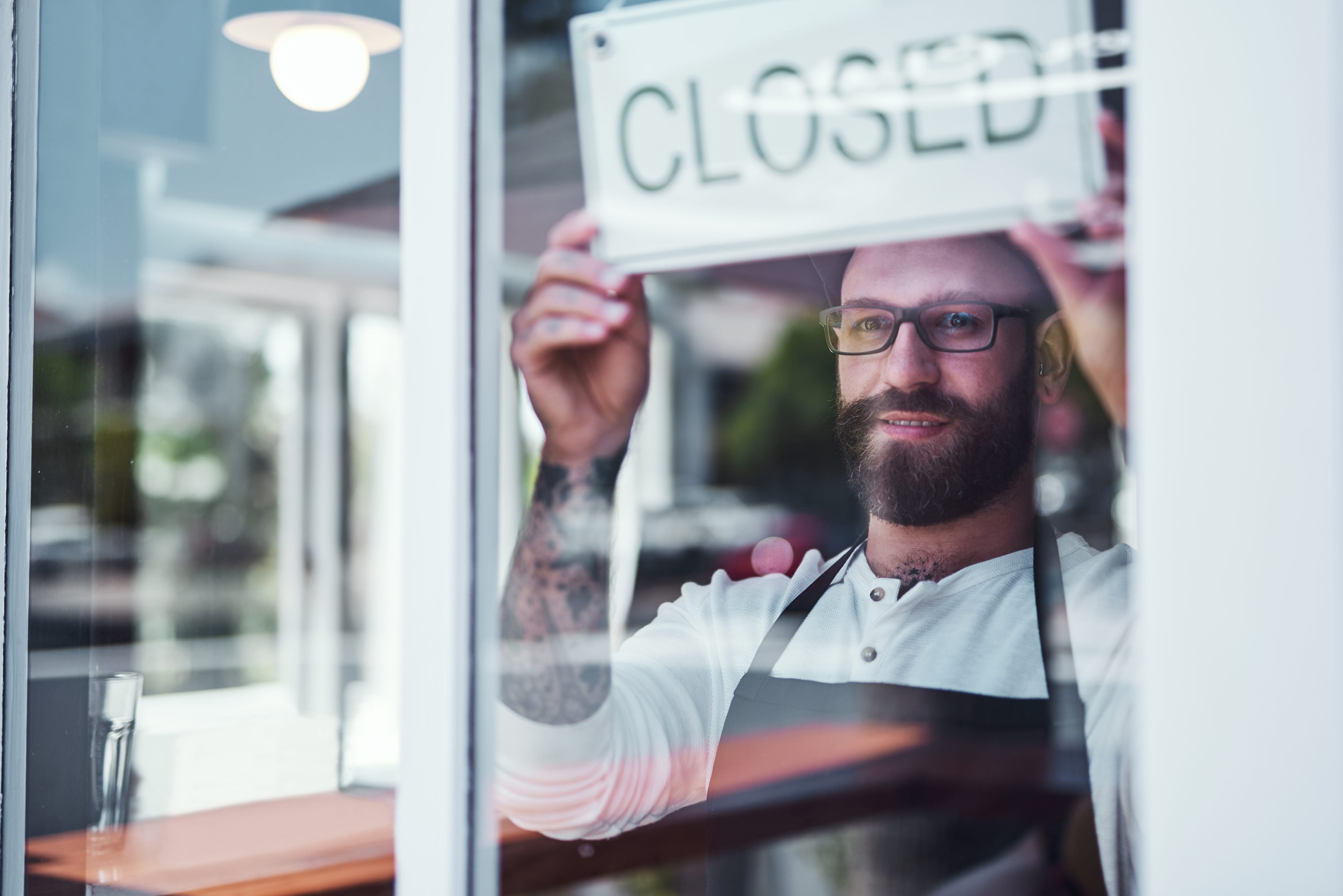
The closure of Augusta St. Kitchen stands out because of how quickly it arrived and exited the local food scene. Restaurants typically depend on an early growth period to build steady customer traffic, refine operations, and establish repeat business. But in many communities today, that runway is shrinking. New openings are expected to perform quickly, often under the weight of rising expectations and immediate public visibility.
In Middletown, that pressure is especially visible in its downtown dining corridor, where restaurants frequently open with strong interest but face steep challenges converting early attention into long-term stability. Augusta St. Kitchen now becomes part of that pattern, where promising starts do not always translate into sustained operations.
Downtown Middletown’s shifting food identity.
The closure also highlights a larger trend shaping the area’s restaurant landscape: frequent turnover. Downtown dining districts in smaller cities often experience a cycle of reinvention. New concepts move into existing spaces, generate initial buzz, and then either settle into long-term fixtures or quietly exit when conditions become difficult to sustain.
This constant rotation creates a food scene that feels dynamic but unstable, where residents never quite know which businesses will remain part of the neighborhood from one season to the next. For Middletown, Augusta St. Kitchen is the latest example of how quickly that cycle can unfold.
The hidden pressures behind modern restaurant survival
Industry-wide pressures are playing a major role in stories like this. Independent restaurants across the United States are navigating higher operating costs, staffing challenges, and unpredictable customer patterns. Even well-designed concepts can struggle if daily traffic does not meet expectations early on.
What once might have been considered a “build over time” business model is now increasingly compressed into a short performance window. The first few months often determine whether a restaurant can survive long enough to mature. In that environment, even small fluctuations in demand or rising expenses can significantly affect long-term viability.
The gap between opening excitement and reality

One of the most overlooked challenges in the restaurant industry is the gap between launch momentum and operational sustainability. New restaurants often open with strong curiosity, social buzz, and a surge of early visitors. But maintaining that momentum requires consistent repeat business, stable staffing, and financial breathing room.
When that balance is disrupted, even briefly, the impact can be difficult to recover from. Augusta St. Kitchen’s short timeline underscores how quickly that transition can turn from opportunity into pressure.
A downtown space that is unlikely to stay empty for long
Despite the closure, restaurant spaces in active downtown corridors rarely remain vacant for extended periods. In many cases, locations are quickly evaluated by new operators looking to introduce different concepts or reimagine existing layouts. This ongoing cycle of turnover has become a defining feature of modern small-city dining districts.
As Augusta St. Kitchen prepares to close, attention is already shifting toward what kind of concept might come next, and whether it will be able to succeed in a market that continues to evolve rapidly. For Middletown residents, the change is another reminder that the local dining scene is not static. It is constantly being rewritten, one opening and closing at a time.