President Donald Trump’s approval rating is not crashing in one dramatic burst. It is doing something more troubling for the White House. It is sitting near the bottom of his political range and refusing to climb, even as the country watches gas prices, grocery bills, foreign conflict, and the cost of living shape the national mood.
A new Reuters/Ipsos poll shows Trump at 35% approval, unchanged from the last survey and close to the weakest marks of his political career. That steady number tells a sharper story than a sudden dip. It suggests that many Americans are not reacting to a single bad headline. They are forming a harder judgment about whether Trump’s second-term promises are matching the pressure they feel in daily life.
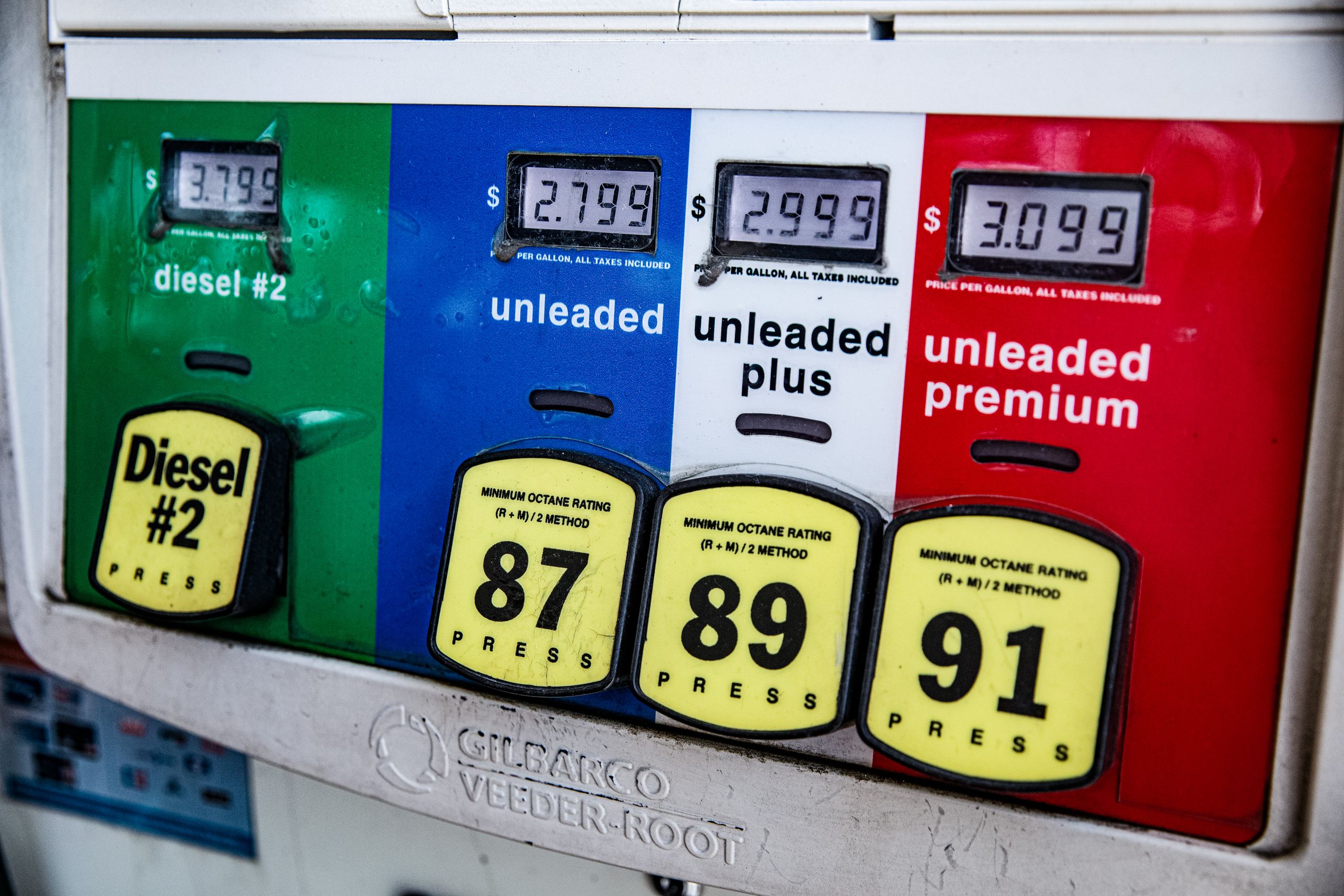
The center of that pressure is money. More specifically, it is the price of fuel. Gas prices have become the symbol of a much larger affordability problem, because drivers see the cost every time they pass a station or fill up before work. For a president who promised to bring prices down, that number at the pump is now becoming one of the most damaging political signs in America.
Trump’s 35% Approval Rating Shows a Presidency Stuck Near Its Floor.
Trump’s approval rating now sits near the lowest levels of both his current term and his first presidency. Reuters/Ipsos found him at 35% approval, just above the 34% low recorded in April and close to the 33% low he reached during his first term in December 2017.
That matters because low approval becomes more dangerous when it stops moving. A president can sometimes recover from a brief polling slide if voters see it as a reaction to one crisis. But when the number remains stuck, the problem begins to look structural. Voters are not simply angry for a week. They are staying unconvinced.
For Trump, the danger is clear. His political power has always depended on dominance, momentum, and the belief that criticism cannot weaken him. A steady 35% approval rating cuts into that image. It shows a president who still controls the Republican Party but has not persuaded the wider country that his leadership is making life easier.
Trump’s Real Problem Is Not the Poll. It Is the Pump
Gas prices have become the everyday number that turns national frustration into personal frustration. Voters may ignore a policy paper, a press conference, or a cable news argument. They do not ignore the price of filling a tank.
The Reuters/Ipsos poll found that 59% of Americans expect gas prices to get worse over the next year, while only 17% expect them to improve. That is a brutal political gap because it shows voters are not just unhappy with current prices. They are preparing for more pain.
This is where Trump’s approval problem becomes more than a popularity story. When people expect prices to rise, they begin making choices differently. They cut back on trips, delay spending, watch their bills more closely, and blame national leaders for failing to gain control of the situation. That kind of anxiety follows voters into election season.

Cost-of-Living Anger Is Hitting Trump Harder Than His Overall Rating
The most damaging number in the poll is not Trump’s overall approval. It is his rating of the cost of living. Reuters/Ipsos found that only 22% of Americans approve of how Trump is handling household costs, while 70% disapprove.
That number should alarm Republicans because affordability was one of Trump’s strongest arguments in the 2024 election. He returned to power after years of public frustration over inflation, high grocery prices, rent pressure, and household budgets that felt stretched beyond comfort.
Now, voters are measuring his promises against their receipts. They are not judging the economy only by stock market movement or political speeches. They are judging it by whether a paycheck is issued by the end of the month. On that test, Trump is struggling badly.

Gas Prices Have Eased, but Voters Still Feel Burned
One reason the story is more complicated is that gas prices have recently eased from their worst spring levels. AAA listed the national average for regular gasoline at about $4.15 on June 10, down from the higher prices drivers saw in May.
But that relief has not been enough to change the political mood. The reason is simple. Many Americans are not comparing today’s gas prices with last month’s peak. They are comparing them with what they paid a year ago, before the latest wave of energy anxiety hit household budgets.
That creates a gas-price paradox for Trump. The White House may point to recent declines as proof that pressure is cooling. Voters may still see prices as painfully high. In politics, the emotional comparison often matters more than the technical one, and many drivers still feel squeezed.
The Iran War Has Turned Into a Kitchen-Table Issue
Trump’s conflict with Iran is not being judged only as a foreign policy decision. It is being judged as an economic event that reaches American families through fuel prices, inflation fears, and uncertainty at the pump.
Reuters reported that Trump ordered military strikes on Iran alongside Israel on February 28. Iran’s response and the disruption around the Strait of Hormuz pushed energy concerns into the center of American politics, because that waterway has long been one of the world’s most important routes for oil shipments.
That connection gives the story its real weight. A war thousands of miles away becomes local when it changes the cost of getting to work. Voters may not follow every diplomatic detail, but they understand when conflict abroad appears to make life more expensive at home.

Voters Are Not Sold on the Cost of the Iran Strikes
Trump has argued that his Iran policy shows strength. The poll suggests many Americans are not convinced the strength has been worth the price.
Only 36% of Americans approved of U.S. strikes on Iran, while just 25% said the benefits were worth the costs. That is a serious warning sign for a president who built much of his brand on the idea that he could project power without dragging Americans into costly foreign entanglements.
The political danger is not only that voters oppose a specific military action. It is that they may see the war as part of the same affordability crisis hurting them at home. Once foreign policy becomes linked to gas prices, it becomes harder for a president to separate national security from household frustration.
Republicans Face a Midterm Warning They Cannot Ignore
The Reuters/Ipsos poll also found that registered voters would choose Democrats over Republicans by 41% to 37% if congressional elections were held now. That does not decide the midterms on its own, but it gives Republicans a warning they would be foolish to ignore.
Midterm elections often punish the president’s party when voters are unhappy with the direction of the country. If Trump’s approval remains low and gas prices stay politically toxic, Republican candidates could find themselves defending not only their own records but also the broader cost of Trump’s second term.
The problem is especially sharp because affordability cuts across party lines. A voter can support Trump on immigration and still be angry about gas prices. A conservative household can approve of his tone on national strength and still resent higher bills. That mix can weaken turnout, soften enthusiasm, and make close races harder to win.
The GOP’s Economic Advantage Looks Less Secure
Republicans usually want elections to center on the economy, especially when voters are worried about inflation and household costs. But Trump’s current numbers make that strategy riskier.
Reuters/Ipsos found voters nearly split on which party has the better economic plan, with 37% choosing Republicans and 36% choosing Democrats. That near-tie should concern the GOP because it suggests Trump’s affordability problem may be weakening one of the party’s most important political advantages.
If voters no longer clearly trust Republicans more on the economy, the midterm map becomes harder to navigate. Democrats do not need to dominate the issue to benefit. They only need to narrow the gap enough to make affordability a real fight instead of a Republican strength.
Independent Voters Could Become the Breaking Point
Trump’s base remains loyal, but national elections are not won by the base alone. Independent voters often decide close races and are usually less willing to dismiss bad economic news as partisan noise.
This is where gas prices become especially dangerous. Independents may not care about every ideological battle in Washington, but they care when everyday costs rise. They are also less likely to accept a party-line explanation if they feel their own finances are getting worse.
For Trump and Republicans, the risk is not that every independent voter becomes a Democrat. The risk is that enough independents decide the country feels too expensive under Republican control. That is the kind of quiet shift that can turn a difficult midterm into a damaging one.
Trump’s Base Is Still Strong, but Economic Pain Has a Way of Spreading
Trump still has a powerful hold on Republican voters. That support has survived controversies, investigations, impeachments, court fights, and years of political combat. His base remains the strongest wall between him and a complete political collapse.
But economic frustration does not always behave like a normal partisan issue. It enters homes, workplaces, commutes, and family budgets. It can make even loyal voters less energetic, less defensive, or less willing to volunteer enthusiasm when the next election arrives.
That is why Republicans should not take comfort only in Trump’s base support. A president does not have to lose his base completely to hurt his party. He only has to lose enough energy at the edges, especially among working families who expected relief and now feel disappointed.
The Gas-Price Story Is Really a Trust Story
The central issue is no longer just whether gas prices are high. It is whether voters trust Trump to bring them down.
That trust is now under pressure. Trump campaigned as a president who could quickly restore affordability, discipline global enemies, and put American households first. But the poll shows voters are struggling to see those promises in their daily lives.
Once that trust weakens, every price increase becomes politically louder. Every gas-station sign becomes a reminder. Every foreign-policy headline becomes a question about whether the president’s decisions are helping families or costing them more.
Democrats Have an Opening, but They Still Need a Clear Answer
Democrats have a real opportunity in these numbers. A president stuck at 35% approval, weak cost-of-living marks, public worry over gas prices, and a small Democratic edge in congressional preference all point toward political vulnerability for Republicans.
But frustration with Trump does not automatically become enthusiasm for Democrats. Many voters are angry at both parties, tired of blame, and hungry for a practical affordability message. Democrats can benefit only if they turn Trump’s weakness into a clear argument about what they would do differently.
That means the midterm fight may come down to a simple question. Which party can convince voters it understands the pressure of modern American life? Trump is vulnerable because he holds the presidency. Democrats are vulnerable if they look like they are only pointing at his failure without offering relief.
Why This Approval Rating Should Worry the White House
Trump’s low approval rating is not just a bad number. It is a warning about the country’s political mood.
Americans are conflating several problems into a single judgment. They see gas prices, inflation pressure, war anxiety, and household strain as part of the same story. In that story, Trump is no longer only the candidate who promised lower costs. He is now the president being judged for whether those costs have actually come down.
That is why the latest poll matters. It does not show a president in one temporary rough patch. It shows a president trapped near a dangerous floor while voters continue to feel squeezed. If gas prices rise again, that floor could crack. If they stay high enough to keep households angry, Republicans may carry the weight of every fuel receipt into the midterms.
What the Poll Really Says About Trump’s Second Term
The Reuters/Ipsos poll suggests that Trump’s biggest political threat may not be a single scandal, a single opponent, or a bad week of coverage. It may be the ordinary pressure of American life.
A 35% approval rating is damaging on its own. A 22% approval rating on the cost of living is worse. Together, they show a president whose message of strength is being tested by the practical concerns voters feel every day.
Trump can still command attention. He can still rally his base. He can still shape the Republican Party. But if Americans continue to believe that life is getting more expensive under his watch, the political damage will not stay inside one poll. It will show up at the pump, at the checkout counter, and eventually at the ballot box.