Former President Joe Biden’s private memoir recordings are now one court step closer to possible release after a federal judge rejected his attempt to stop the Justice Department from handing over redacted materials tied to a special counsel investigation. The ruling gives the conservative Heritage Foundation a major legal win in its push for records connected to Robert Hur’s classified documents inquiry. But the recordings will not be released immediately, because the judge paused disclosure for up to three weeks while Biden seeks an appeal.
The case matters because it asks a larger question about power, privacy, and public accountability. When a former president’s private words become part of a federal investigation, should they remain personal or become part of the public record? That question now sits at the center of a fight involving Biden, the Justice Department, the Heritage Foundation, and recordings made for a deeply personal memoir.
Judge Says Redactions Weaken Biden’s Privacy Argument
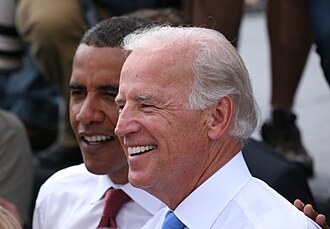
Daniel Schwen, CC BY-SA 4.0, via Wikimedia Commons
U.S. District Judge Dabney Friedrich ruled that the public interest in the material outweighed Biden’s privacy concerns. Biden’s lawyers argued that releasing the recordings would expose private conversations connected to family, grief, and the death of his son Beau Biden. The judge found that the Justice Department had redacted sensitive personal material, which reduced the weight of Biden’s claim.
That finding was central to the court’s decision. Friedrich did not say Biden had no privacy rights, but she said the version planned for release no longer contained the most sensitive details Biden had warned about. In her view, the public had a strong interest in records tied to a federal investigation of a former president.
The ruling does not make the recordings public today. Friedrich allowed a temporary pause, so Biden could ask a higher court to intervene. That delay gives Biden a narrow chance to stop disclosure before the materials leave government control.
Private Memoir Conversations Became Federal Evidence
The recordings were made in 2016 and 2017 with Mark Zwonitzer, the ghostwriter who helped Biden work on his memoir, Promise Me, Dad. Those conversations began as part of a personal book project shaped by grief, memory, family, and public service. Years later, they became evidence in one of the most politically sensitive investigations involving Biden.
That origin makes the case unusual. These were not speeches, press conferences, public interviews, or official meetings. They were private conversations created for a memoir before investigators later obtained them during Hur’s classified documents probe.
This is where the legal dispute becomes more than a records of fight. What began as a private writing process became government evidence. What began as Biden telling his own story may now become part of a public record battle.
Why the Audio Could Matter More Than the Transcript
The fight is not only about what Biden said. It is also about how he said it. Audio can reveal pauses, tone, hesitation, emotion, confidence, and uncertainty in ways written transcripts cannot.
That matters because Hur’s report placed Biden’s memory and recall at the center of national debate. A transcript can be read carefully, but audio can be clipped and shared instantly. In modern politics, a few seconds of sound can shape public opinion faster than pages of legal explanation.
For Biden, that creates a serious risk. Even redacted recordings could be used by critics to frame moments in the worst possible light. For supporters of disclosure, that is exactly why the public should hear the material directly rather than relying only on summaries.
Hur Did Not Charge Biden, But the Report Still Hurt Him
Robert Hur did not recommend criminal charges against Biden after investigating his handling of classified documents. That remains the most important legal conclusion from the special counsel inquiry. But the report remained politically damaging because of its description of Biden’s memory and his ability to recall dates and details.
The report gave both parties ammunition. Biden’s allies pointed to the lack of charges and argued that the legal matter was closed. His critics focused on Hur’s language about memory and said the public deserved to see more evidence to support the conclusions.
That is why ghostwriter materials remain so important. They may offer a fuller view of what investigators reviewed. They may also bring new attention to questions Biden would rather leave behind.
Heritage Foundation Request Drove the Legal Fight
The Heritage Foundation sought the materials through the Freedom of Information Act. That law allows members of the public to request government records, although agencies may withhold some records for privacy, security, or law enforcement reasons. In this case, the group argued that records connected to Hur’s investigation carried major public interest.
The Biden Justice Department had resisted releasing the recordings. Congressional Republicans also demanded access to the materials after Hur declined to charge Biden. That dispute helped fuel a contempt fight involving Attorney General Merrick Garland.
Under President Donald Trump’s administration, the Justice Department changed its position and authorized the release of redacted materials. Biden’s lawyers argued that the reversal appeared political and warned that private investigative records were being exposed as power changed hands. The judge still ruled that Biden had not shown enough reason to block disclosure.
The Three Week Pause Keeps the Appeal Alive
The three week pause may be Biden’s most important remaining protection. His legal team can now ask an appeals court to stop the release before the materials are turned over. That matters because once audio recordings become public, no later ruling can fully make them private again.
Biden’s lawyers are likely to argue that disclosure would cause permanent harm. They may also argue that private memoir recordings deserve stronger protection, even if they were later reviewed by federal investigators. The Justice Department and the Heritage Foundation are likely to argue that redactions already protect sensitive content.
The appeals court will now decide whether the materials remain sealed during further review. If Biden loses that next step, the Justice Department could release the redacted recordings and transcripts after the pause expires. If he wins, the public may have to wait longer while the legal fight continues.
A Private Voice Could Become a Political Weapon
If the recordings are released, the fight may quickly move from court filings to television panels and social media feeds. Every pause, phrase, and exchange could be examined for signs of confusion, emotional strain, or uncertainty. Even ordinary moments could be framed as politically meaningful.
That is the danger of audio in today’s political climate. It does not have to reveal something shocking to become powerful. It only has to give opponents and commentators something they can replay.
Biden’s team clearly understands that risk. Once the recordings are public, they can be clipped, shared, and interpreted far beyond their original context. That is why the battle over release has become so intense.
The Case Raises Bigger Questions About Presidential Privacy
This image or media was taken or created by Matt H. Wade. To see his entire portfolio, click here.@thatmattwade This image is protected by copyright! If you would like to use it, please read this first., CC BY-SA 3.0, via Wikimedia Commons
This case could affect more than Biden. Future presidents, vice presidents, cabinet officials, and candidates may think differently about memoir interviews, private recordings, notes, and personal archives. Material that feels private when created can become legally important if investigators later obtain it.
The ruling suggests that redactions can play a major role in privacy disputes. If the most sensitive details are removed, courts may give more weight to public interest. That could make future public figures more cautious about what they record, preserve, and share.
For now, Biden has lost a major round, but the recordings remain sealed during the appeal window. The bigger question remains unresolved. When private words become evidence in a public investigation, the line between personal history and public record can disappear quickly.