Most Americans know to wash their hands after using the bathroom, after handling raw meat, or after coughing into their palms, but the real trouble often lies in the ordinary stuff we touch 50 times a day without thinking. A water fountain button, a public pen, a mall handrail, or even a cute backyard duckling can turn into a tiny germ relay station in seconds.
The CDC says handwashing education can reduce diarrhea-related illness by 23% to 40% and respiratory illnesses, like colds, by 16% to 21%. That is why a 20-second handwash is not just a childhood rule from elementary school; it is one of the cheapest health habits Americans can still control.
Here are 10 everyday things that may look harmless, but can quietly carry more germs than people expect.
Water Fountain Buttons

A public water fountain feels clean because it is connected to drinking water, but the button is a different story. In one workplace study that swabbed nearly 5,000 surfaces across buildings with at least 3,000 employees, 23% of water fountain buttons tested at a level considered “filthy,” while a little more than half still scored as dirty. That means the refreshing sip may be fine, but the button you pressed to get it deserves a second thought.
Car Gearshifts
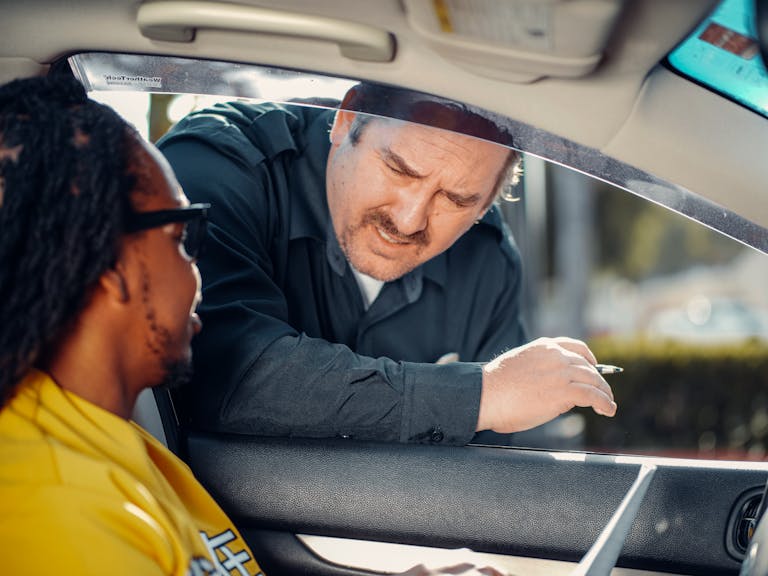
Your car may feel like your private bubble, but your hands bring the outside world into it every time you drive. In a small 2010 experiment, researchers swabbed 12 household items and found that the gearshift knob of a 3-year-old car carried high levels of bacteria and very high levels of mold. If you touch gas pumps, store doors, receipts, and shopping carts before driving home, that gearshift can become the final stop for a whole day of germs.
Communal Pens
The pen at the bank, hotel desk, restaurant counter, doctor’s office, or delivery clipboard may have been touched by 10, 20, or even 50 strangers before it reaches your hand. In a 2006 hotel-room study, 15 people with confirmed colds stayed overnight, and researchers later found cold-virus particles on several surfaces, including hotel pens. That little blue pen near the receipt pad may look innocent, but it has probably had a busier social life than most people.
Pencil Sharpener Handles
In classrooms, germs do not just live on doorknobs and desks. A 2009 classroom study followed 6 rooms over 7 winter weeks and found that manual pencil sharpener handles were among the most contaminated objects per square centimeter. Kids may sharpen pencils for only 10 seconds, but when dozens of students repeat that all day, the handle becomes a quiet meeting place for hands, sneezes, snacks, and backpack dirt.
Soap Dispensers
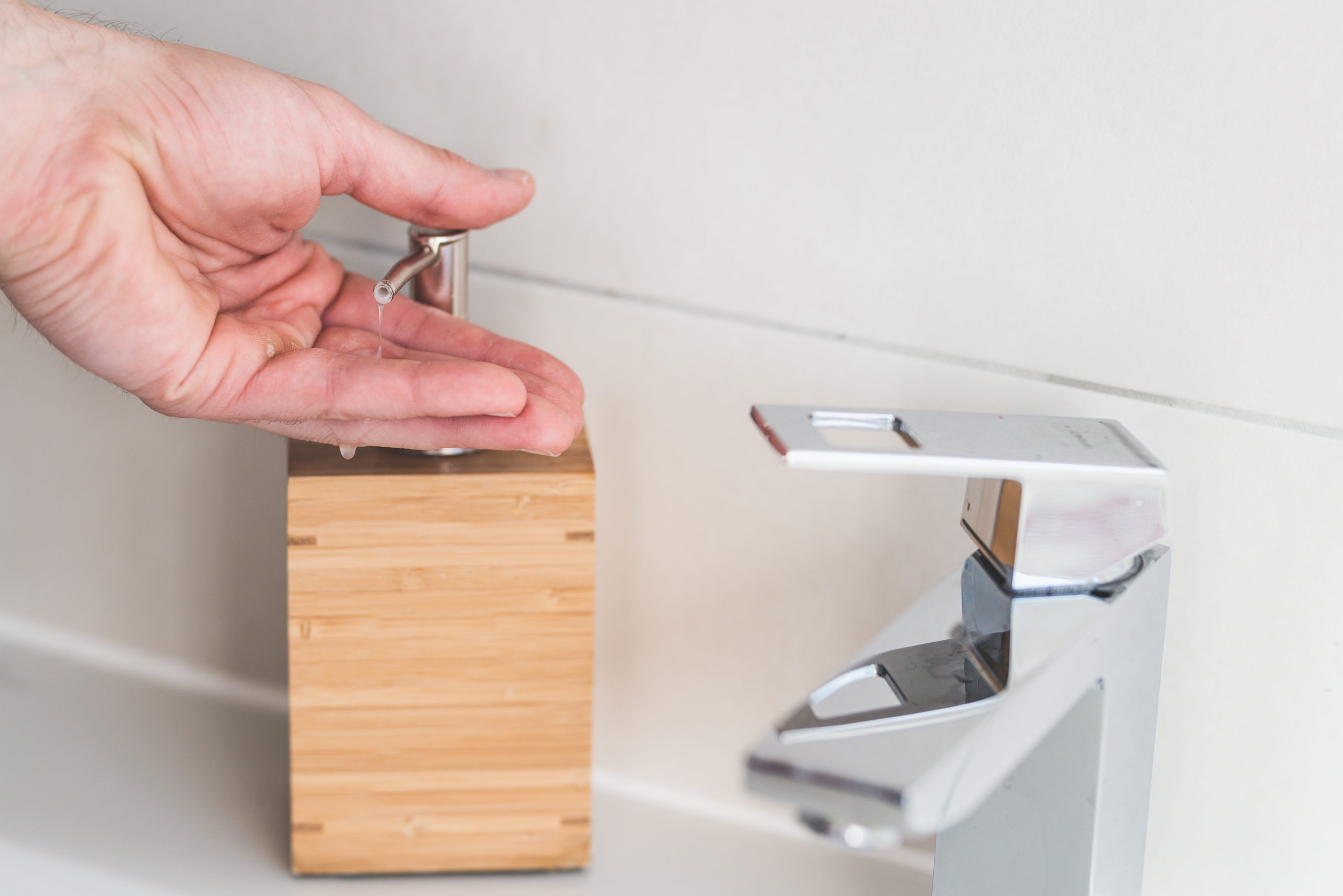
This one feels almost rude, because the soap dispenser is supposed to help you get clean. But after researchers sampled 132 refillable soap dispensers in public restrooms and restaurants, 23% were contaminated with viable bacteria, including organisms that can cause illness. The lesson is not to skip washing, but to lather for 20 seconds, rinse well, and be extra careful with refillable public dispensers that are touched all day.
Escalator Handrails
The escalator handrail is basically a moving handshake that thousands of people can share in 1 busy shopping day. Mall testing has found handrails just behind 2 major germ hotspots, restroom sinks, and food court tables, with traces of food, mucus, feces, and bacteria linked to human contact. You do not have to risk falling to avoid every rail, but rubbing your eyes right after grabbing one is a bad trade.
Washing Machines
A washing machine sounds like the last place germs should survive, but laundry is not as clean as people want to believe. One germ expert cited in the original research estimated that a load of underwear can transfer about 500 million E. coli bacteria into the machine. If your washer stays damp between loads, especially a front-loader, those germs can hang around long enough to meet the next batch of towels, shirts, and kids’ clothes.
Ducklings And Chicks
Baby ducks and chicks look like something from a 5-second Easter commercial, but they can carry Salmonella even when they look perfectly healthy. In 2026, federal health officials warned about a multistate Salmonella outbreak linked to backyard poultry, with dozens of reported cases across more than 10 states. The CDC says children under 5 should not handle chicks or ducklings, and everyone should wash their hands after touching poultry, eggs, cages, feed containers, or anything in the coop area.
Money
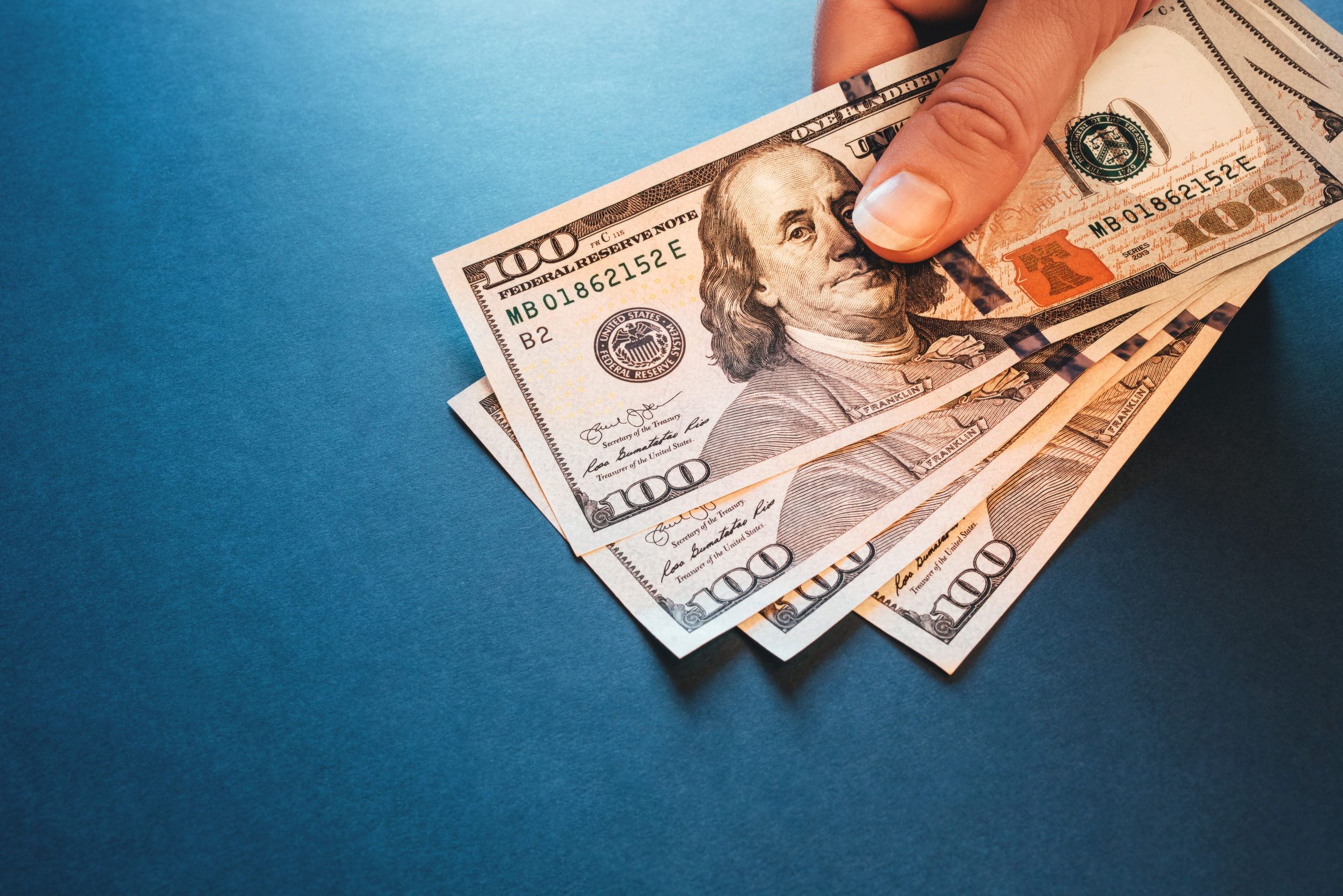
Cash has been passed through wallets, pockets, counters, vending machines, tip jars, cash registers, and hands that may not have seen soap in hours. One 2002 study in western Ohio found that 94% of tested $1 bills contained disease-causing bacteria. Another study that swabbed 272 people and their money found fecal bacteria on 8% of cards and 6% of bills at levels compared with a dirty toilet bowl, which is enough to make anyone rethink eating fries after handling change.
Beer Pong Balls
A party game ball may be small, but it can collect germs fast when it bounces across floors, carpets, lawns, tables, hands, and cups. Clemson students once tested balls used during homecoming games and found up to 3 million bacteria on a typical outdoor beer pong ball, compared with about 200 bacteria on an indoor ball used on carpet. If that ball lands in a cup after rolling through the night’s mystery debris, the real party foul may not be the missed shot.
Clean hands will never make life germ-free, but they can cut the risk in ways that actually matter. A 20-second wash after touching shared surfaces, handling money, using public equipment, or playing with animals is a small habit that can break a chain of germs before they reach your face, food, or phone