New York lawmakers have advanced a food labeling bill that would replace several common grocery date phrases with two standardized terms, putting Gov. Kathy Hochul in a position to decide whether the state changes how shoppers read expiration labels.
The measure, sponsored by state Sen. Michelle Hinchey, cleared the Legislature in Albany after the bill passed both chambers. If signed, it would remove consumer-facing “sell by” dates from most food packaging and require clearer labels for safety and quality.
Bill targets grocery label confusion.
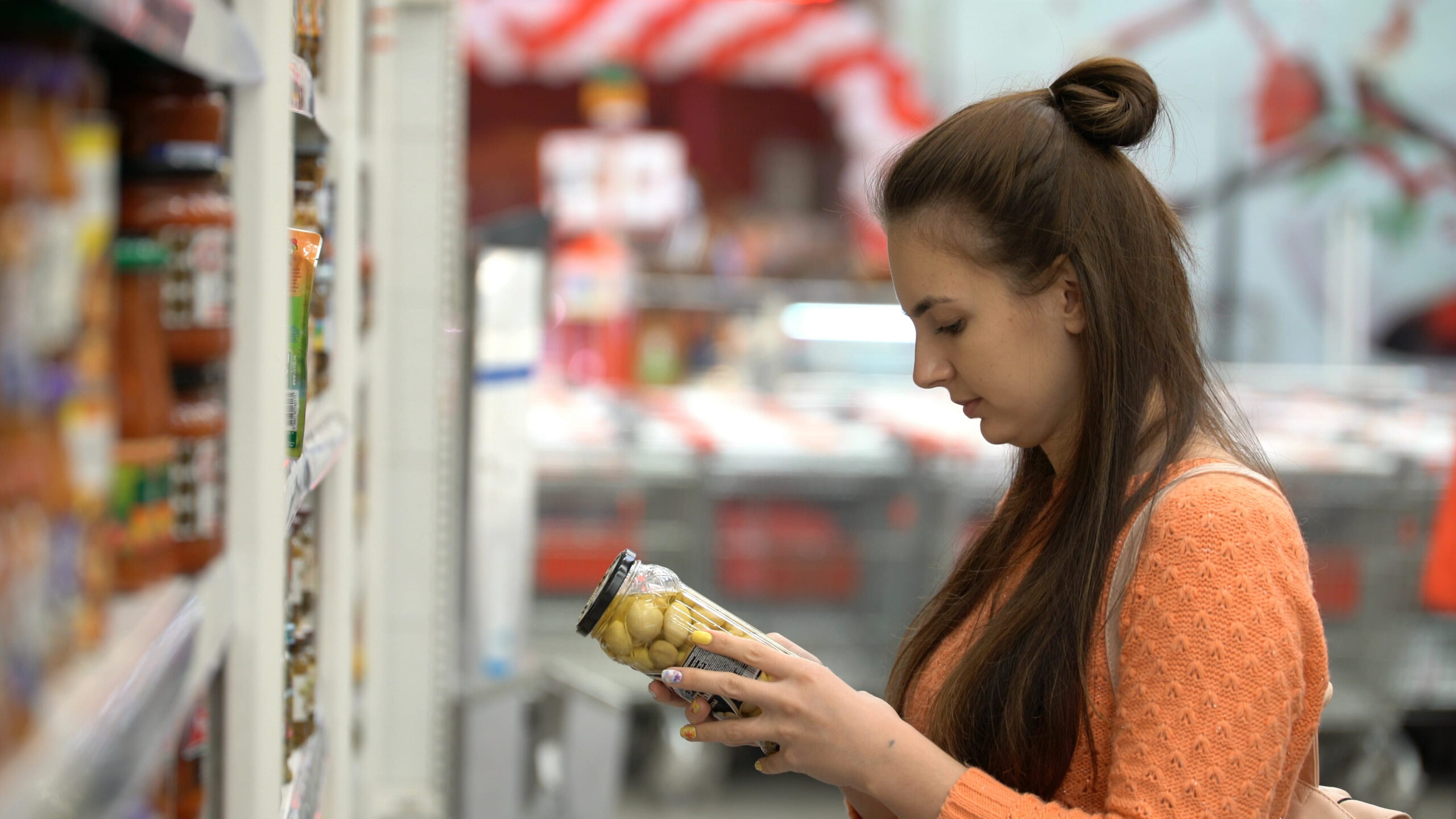
The proposal aims to end a labeling system that lawmakers say causes shoppers to throw away food too early. Many packages now carry phrases such as “sell by,” “best by,” “best if used by,” and “use by.”
Those terms often appear similar. They do not always mean the same thing.
Under the bill, “use by” would signal a safety date. “Best if used by” indicates a quality date: the food may taste best before that date, but is not automatically unsafe after it.
Supporters say the difference matters at kitchen tables across the state. A carton, package, or container can look expired when the date was meant for store handling or peak freshness.
“Sell by” would be removed from consumer packaging.
The bill would prohibit the phrase “sell by” from appearing as a consumer-facing date. Retailers could still use coded information for inventory management.
That change is central to the proposal. “Sell by” dates are designed to help stores decide how long to display a product.
They are not meant to tell shoppers when food becomes unsafe. Federal food guidance says a sell-by date helps stores manage shelf life, while a “best if used by” date indicates peak flavor or quality.
The bill would also allow short forms on small packages. “UB” could stand for “use by,” while “BB” could stand for a quality date.
Stores would explain new labels.
The measure would require New York’s agriculture officials to create public education materials. Those materials would explain safety dates and quality dates.
Wholesalers, retailers, grocery stores, and corner stores would also be covered. Stores would have to post signs explaining the new label meanings for customers and employees.
The proposal also includes outreach to food banks and food recovery groups. That provision is aimed at reducing unnecessary rejection of donated food.
Food past a quality date may still be acceptable in some cases. Food past a safety date would be treated differently.
Manufacturers would need scientific support.
The bill does not require every company to place a date label on every product. It applies when a manufacturer, processor, or retailer chooses to display a quality or safety date, or is otherwise required to do so.
Those dates would need to be based on scientifically valid methods. The bill says shelf-life estimates should consider product quality, formulation, packaging, storage, transportation, and display conditions.
Home storage would also be considered. The bill includes refrigerated food standards based on temperatures at or below 40 degrees Fahrenheit.
The proposal would not apply to infant formula or alcoholic beverages. Infant formula has separate federal labeling rules because nutrition and safety concerns are handled differently.
Food waste drives the legislation.

The proposal is part of a wider push to cut food waste and reduce household costs. Lawmakers and food policy advocates argue that confusing labels send edible food into the trash.
Food waste also has an environmental cost. Food makes up about 24% of municipal solid waste disposed of in landfills, and landfilled food waste accounts for an estimated 58% of fugitive methane emissions from those sites.
Methane forms when organic waste breaks down without oxygen. That happens inside landfills as discarded food decomposes.
For families, the issue is more immediate. Grocery costs have remained a major pressure point, and mistaken disposal can turn confusion into wasted money.
California set a similar standard.
New York would follow California, which passed a similar food date law in 2024. That state’s rules are scheduled to begin July 1, 2026.
California’s law also limits food packaging to standardized quality and safety language. It bars consumer-facing “sell by” dates while allowing retailers to retain coded inventory information.
The California date label rules cover most food items, with exceptions including eggs and infant formula. The law also distinguishes quality labels from safety labels.
The two-state measures could add pressure for wider industry changes. Food companies selling across multiple states may prefer uniform packaging over state-specific labels.
The timeline depends on Hochul.
The New York bill would take effect 180 days after becoming law. The main labeling requirements would take effect later, giving manufacturers and retailers time to update their packaging and systems.
Products manufactured before the compliance date could still move through stores. That phase-in is designed to avoid forcing businesses to discard existing inventory.
Hochul has not announced a final decision. The bill’s current status leaves the governor’s review as the next major step.
If signed, New Yorkers would eventually see fewer date phrases on grocery shelves. The new system would leave shoppers with two basic signals: one date for safety and one date for quality.