Canned food can be one of the smartest things in a kitchen. It can stretch a grocery budget, rescue a weeknight dinner, and keep usable ingredients on hand when fresh food spoils too quickly. The problem starts when convenience turns into a pantry trap, especially with cans loaded with sodium, added sugar, preservatives, low-quality meat, watery sauces, and textures no amount of seasoning can fully fix.
The worst canned foods are not always the strangest ones on the shelf. They are often the everyday shortcuts that look cheap until we count what we are really buying. The FDA lists the Daily Value for sodium at less than 2,300 milligrams per day, and it considers 20 percent of the Daily Value or more per serving high in sodium. Americans already average about 3,400 milligrams of sodium daily, and more than 70 percent of that comes from processed, packaged, and prepared foods.
Canned Fruit Cocktail in Heavy Syrup
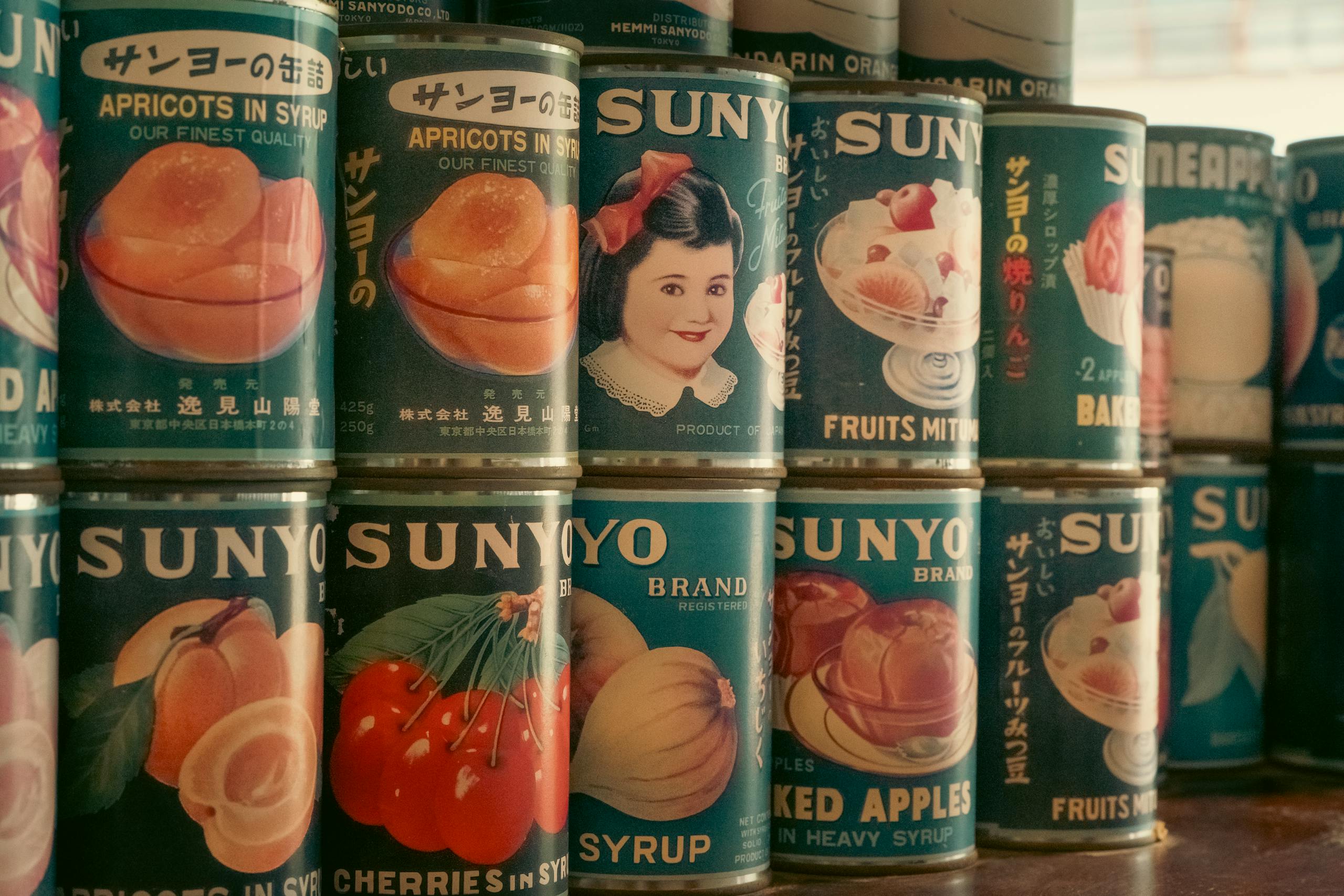
Fruit cocktail sounds cheerful, but it can often turn fresh fruit into a sugar-soaked dessert pretending to be a healthy snack. The fruit itself is not the villain. The problem is the syrup, the soft texture, and the way tiny fruit pieces lose the brightness that makes fresh or frozen fruit worth eating.
The FDA sets the Daily Value for added sugars at 50 grams per day based on a 2,000-calorie diet, so canned fruit in syrup can quickly eat into that limit. We get better value from fruit packed in water or 100 percent juice, but even then, frozen fruit usually wins on texture and versatility. It works in smoothies, oatmeal, yogurt bowls, baking, and sauces without turning into a mushy cup of nostalgia.
Canned Soup That Tastes Cheap but Costs Your Sodium Budget
Canned soup has the cozy image of a quick lunch, but wide varieties are closer to salty broth with a few tired vegetables floating around for decoration. The biggest problem is that soup looks light, so people rarely treat it like a heavy processed food. One can easily turn into a full meal, which means the sodium listed per serving can be misleading when the container holds more than one serving.
We should be especially careful with creamy soups, condensed soups, instant-style soups, and canned chowders. They often rely on salt, thickeners, added fats, and flavor enhancers to create the illusion of richness. A better pantry move is low-sodium broth, canned no-salt-added tomatoes, dried lentils, frozen vegetables, and spices, because those ingredients give us the comfort of soup without handing the recipe over to a factory label.
Canned Corned Beef

Canned corned beef can feel like a hearty old-school staple, but it is one of the most punishing canned meats in the aisle. It is salty by design, fatty by nature, and often much less satisfying than freshly cooked beef. The flavor is intense, but not in a fresh, slow-cooked, Sunday dinner kind of way.
This is the kind of canned food that can turn a simple hash, sandwich, or rice dish into a sodium-heavy meal before we add anything else. Since processed and salt-cured meats already carry health concerns, canned corned beef should be treated as an occasional emergency ingredient rather than a regular protein source. If we want the same savory comfort, slow-cooked shredded beef, lean ground turkey, beans, eggs, or leftover roast meat, give us more control over salt, fat, and portion size.
Canned Vienna Sausages
Vienna sausages are one of those pantry foods that survive because they are cheap, salty, and familiar. That does not make them a smart buy. They are usually made from highly processed meat, packed in liquid, and built for shelf stability rather than freshness, flavor, or meaningful nutrition.
The bigger concern is that they belong to the processed meat family, which health organizations consistently tell people to limit. The American Cancer Society describes processed meat as meat treated through smoking, curing, salting, or fermentation, and it says processed meat is a known carcinogen linked to higher colorectal cancer risk. If we want a quick protein snack, canned sardines, plain Greek yogurt, boiled eggs, roasted chickpeas, or low-sodium canned beans give us more nutrition with less regret.
Canned White Tuna
Canned tuna can absolutely belong in a smart pantry, but white tuna deserves a warning label in our mental grocery list. White tuna usually means albacore, and albacore is a larger tuna that tends to contain more mercury than canned light tuna. The FDA says canned light tuna is in its Best Choices category, while albacore or white tuna is in the Good Choices category and contains about three times more mercury than canned light tuna.
That does not mean we need to panic over every tuna sandwich. It means we should buy smarter. Canned light tuna, canned salmon, sardines, and other lower mercury fish are usually better regular pantry picks, especially for families, pregnant people, breastfeeding people, and children following fish consumption guidance. Tuna is convenient, but eating the same high mercury type repeatedly is where the shortcut starts looking less clever.
Canned Refried Beans With Lard and Heavy Sodium

Beans are one of the best budget foods on earth, which makes bad canned refried beans extra frustrating. We start with fiber-rich, protein-rich legumes, then some canned versions turn them into a salty paste with added fats and a flat, heavy taste. The texture can also be gummy, especially when the beans are over-processed and packed too tightly.
The better choice is simple canned pinto beans or black beans labeled low sodium or no salt added. We can mash them ourselves with garlic, cumin, lime, onions, a little olive oil, and chili powder. The result tastes fresher, costs about the same, and lets us control whether the final dish becomes a nourishing side or a salt brick in disguise.
Canned Chicken That Tastes Rubbery
Canned chicken looks like a meal prep shortcut until we open the can and meet the texture. Too often, it is stringy, rubbery, wet, bland, and faintly metallic. Even when the nutrition panel looks decent, the eating experience can make it hard to enjoy without drowning it in mayonnaise, hot sauce, ranch, or salty seasoning.
We are usually better off with rotisserie chicken, frozen cooked chicken strips with a clean ingredient list, home-cooked shredded chicken, or even canned salmon when we need shelf-stable protein. If canned chicken is the only option, choose low-sodium versions packed in water, drain it well, and use it in dishes with real texture, such as lettuce wraps, rice bowls, or vegetable-packed soups. As a daily pantry staple, though, it rarely gives the flavor return we deserve.
Canned Pasta for Kids and Adults
Canned pasta is built on nostalgia, but nostalgia is not a nutrition strategy. The pasta is often soft to the point of collapse, the sauce is usually sweet and salty, and the final meal can feel more like a novelty than real food. It may be convenient, but dry pasta and jarred low-sugar sauce are almost as easy and usually far better.
The biggest issue is that canned pasta trains the palate toward sweet sauce, soft texture, and heavily seasoned convenience food. For kids, that matters because repeated exposure shapes what tastes normal. A better fast meal is small pasta with crushed tomatoes, olive oil, garlic powder, basil, and a sprinkle of cheese. It takes a few more minutes, but it tastes like food instead of a cafeteria memory.
Canned Chili With Mystery Meat and Salt

Canned chili can look like a bargain because it promises a full meal in one container. The problem is that many cans rely heavily on sodium, thickened sauce, low-quality meat, and a texture in which beans, beef, and gravy all blend into the same brown spoonful. It fills the stomach, but it rarely tastes like chili made with care.
A better pantry version starts with canned no-salt-added beans, canned tomatoes, chili powder, cumin, onions, and ground meat or lentils. That version still uses cans where they make sense, but it avoids buying someone else’s finished meal in its saltiest form. We should treat canned chili as emergency food, not a weeknight dinner hero.
Canned Creamed Corn
Corn is naturally sweet and useful, but canned creamed corn often turns it into a sugary, starchy side dish that tastes more processed than comforting. The texture can be gluey, and the flavor usually lacks the pop of fresh or frozen corn. It also limits what we can do with the ingredient because the sauce has already made the decision for us.
Whole kernel corn is a better canned choice, especially no salt-added versions. Frozen corn is even better for flavor, color, and texture. We can always create creaminess ourselves with milk, butter, a little flour, pepper, and herbs if that is the dish we want. Buying plain ingredients keeps the pantry flexible.
Conclusion
The worst canned foods are not bad because they come in cans. They are bad because they use the can to hide weak ingredients, too much sodium, unnecessary sugar, processed meat, poor texture, or a flavor that needs rescuing. The smartest pantry cannot be free. It can be selective.
We should keep the cans that behave like ingredients and skip the ones that pretend to be meals. Low-sodium beans, tomatoes, pumpkin, salmon, sardines, and plain vegetables can help us cook faster and spend less. Syrupy fruit cocktail, canned pasta, salty soups, canned processed meats, rubbery clams, and gluey sides usually ask us to trade quality for convenience, and that is rarely a good deal.