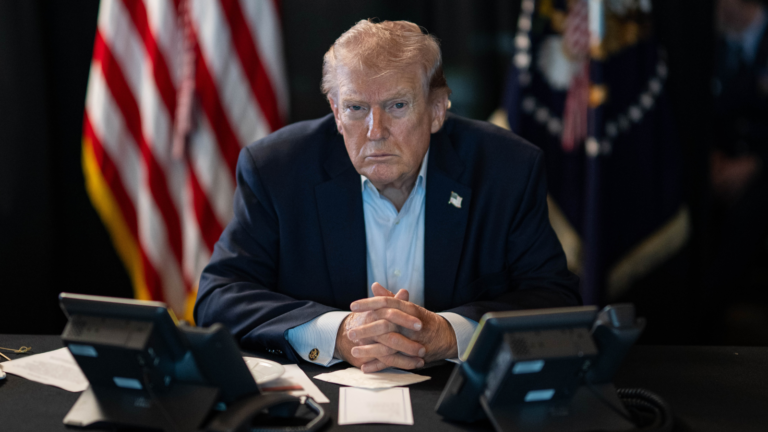
Florida has regained the ability to enforce a controversial law aimed at restricting children from attending certain sexually explicit live performances after a federal appeals court ruled that the measure is likely constitutional. The decision marks a major legal victory for Governor Ron DeSantis and supporters of the legislation, while opponents argue the law raises serious concerns about free speech and government overreach.
The ruling from the appeals court removes a lower court injunction that had temporarily prevented Florida from enforcing the law. Judges determined that the state’s restrictions could be viewed as a legitimate effort to protect minors from performances containing explicit sexual content rather than an unconstitutional attack on artistic expression.
The case has become part of a larger national debate over the role of government in regulating entertainment, protecting children, and balancing parental rights with First Amendment protections.
Appeals Court Says Florida Law Focuses on Protecting Minors

The Florida law, signed under the DeSantis administration, targets live performances that include sexual conduct or explicit content when minors are present. While the legislation has often been associated with debates over drag performances, the law itself focuses on sexually explicit entertainment involving children rather than banning specific forms of expression.
Supporters of the law argue that the state has a responsibility to shield children from content that is considered inappropriate for their age. They say the measure does not prevent adults from attending performances but instead limits minors’ exposure to certain material.
The appeals court agreed that Florida’s position had a strong legal foundation. Judges described the measure as a “straightforward regulation of obscenity” designed to protect children, suggesting that states have broad authority when regulating content involving minors.
The ruling also reflects a long-standing legal principle that governments can place certain restrictions on sexually explicit material involving children, even when similar restrictions might not apply to adults.
The Legal Battle Over Free Speech and Government Power
The lawsuit against Florida’s law was brought by critics who argued that the legislation was too broad and could unfairly target performers and venues. Opponents claimed that the law could affect artistic performances, theater productions, and other forms of expression protected by the Constitution.
A lower court previously blocked enforcement, finding that parts of the law raised First Amendment concerns. That decision prevented Florida from immediately applying the restrictions while the broader legal challenge continued.
However, the appeals court reached a different conclusion, determining that the law was likely constitutional enough to allow enforcement while the case moves forward. The ruling does not necessarily end the legal fight, but it changes the immediate situation by allowing Florida officials to implement the law.
The decision could also influence similar legal battles across the country as several states consider or pass laws addressing minors’ access to certain performances.
Supporters Celebrate a Win for Parental Rights
Supporters of the Florida measure have celebrated the ruling as a victory for parents who want greater control over what their children are exposed to. They argue that families should have the final say in decisions involving age-appropriate entertainment.
Many conservative lawmakers have framed the issue as part of a broader effort to protect children from sexually explicit content. They believe the government has a role in establishing boundaries when minors are involved.
For supporters, the court’s decision reinforces the idea that protecting children can be balanced with constitutional rights. They argue that adults remain free to participate in performances, while restrictions are focused specifically on preventing children from being exposed to explicit material.
The ruling also strengthens Florida’s broader cultural policy agenda under DeSantis, which has included several measures involving education, parental authority, and content regulation.
Critics Warn of Possible Effects on Performers and Venues
Opponents of the law remain concerned about how it could be applied in practice. They argue that vague definitions of what qualifies as inappropriate content could create uncertainty for performers, businesses, and event organizers.
Civil liberties groups have warned that laws targeting specific types of performances could have unintended consequences by limiting creative expression. They argue that government officials should be cautious when deciding what forms of entertainment are acceptable.
Critics also point out that enforcement decisions could vary depending on interpretation, creating legal challenges for venues that host performances. They believe existing laws addressing obscenity and child protection may already provide enough safeguards without additional restrictions.
The debate highlights a difficult question facing courts and lawmakers: how to protect children while ensuring that constitutional freedoms remain protected.
A Broader National Debate Continues
Florida’s legal victory comes as several states across the country examine similar issues involving children, entertainment, and explicit content. The debate has become one of the most visible cultural and legal conflicts in America.
Supporters view these laws as necessary protections for children in an increasingly digital and entertainment-driven world. Opponents see them as examples of government becoming too involved in regulating speech and expression.
The appeals court ruling does not settle the broader national debate, but it represents a significant moment in Florida’s ongoing legal battle. The decision allows the state to move forward with enforcement while future court proceedings continue.
As the case develops, lawmakers, judges, parents, and advocacy groups will continue debating where the line should be drawn between protecting minors and preserving individual freedoms. For now, Florida has secured the authority to enforce its restrictions, marking another major chapter in the country’s ongoing conversation about children, culture, and constitutional rights.