Americans still spend money on restaurant meals, even as everyday expenses compete for a larger share of household budgets. In September 2026, sales at U.S. restaurants and drinking establishments reached $92.9 billion, up 7% from the same month last year. The increase suggests that dining out remains an important part of American life, despite pressure on household budgets. From quick lunches to family dinners, customers keep finding reasons to eat out.
Restaurant Spending Reaches $92.9 Billion
Americans are opening their wallets at restaurants despite growing pressure on household budgets.
According to the National Restaurant Association’s sales report, September restaurant sales reached $92.9 billion on a seasonally adjusted basis, up from $91.9 billion in August. The annual increase indicates continued growth across the restaurant and drinking establishment sector.
The figures cover businesses ranging from fast-food outlets to casual dining restaurants. They don’t mean every restaurant is thriving, but they show Americans continue spending substantial amounts on meals prepared outside the home.
For restaurant owners, sustained sales growth offers encouragement. For customers, however, the numbers raise another question: how much of that spending reflects more restaurant visits, and how much reflects higher prices?
Higher Prices Are Not the Whole Story
The interesting part is that restaurant sales are growing even after inflation is considered.
The National Restaurant Association reported a 7% year-over-year increase in September sales, while inflation-adjusted sales rose 3.4%. This suggests that higher menu prices alone cannot explain the growth.
However, sales figures alone don’t show whether Americans are visiting restaurants more often. Customers might be spending more per visit, ordering different items, or choosing more expensive establishments.
Nevertheless, the figures suggest that demand remains resilient. People continue ordering takeout, meeting friends for dinner, celebrating birthdays, and enjoying meals they do not have to prepare themselves.
Why Americans Still Love Eating Out
Convenience and the experience of sharing a meal are hard to replace.
Cooking at home can save money, but it also requires planning, shopping, preparation, and cleanup. Restaurants offer an alternative for busy households, workers looking for lunch, and families who want a break from their usual routine.
Dining out also offers more than food. A restaurant meal can turn an ordinary evening into a celebration or allow friends to catch up without worrying about who will cook.
Related: 8 Things You Do at Restaurants That Servers Say Make Their Job Harder
Rising Costs Still Create Challenges
More sales don’t necessarily mean restaurant owners take home bigger profits.
Restaurants face expenses beyond ingredients, including wages, rent, utilities, insurance, equipment, and delivery services. When these costs rise, businesses may need to adjust menu prices or operate more efficiently.
Higher sales can help, but profitability depends on how much it costs to generate that revenue. A restaurant serving more customers may still struggle if food and labor expenses rise faster than revenue.
Customers feel the pressure, too. A meal that once seemed affordable can become an occasional treat when groceries, transportation, and other essentials consume more of the household budget.
Fast Food and Casual Dining Face Different Choices
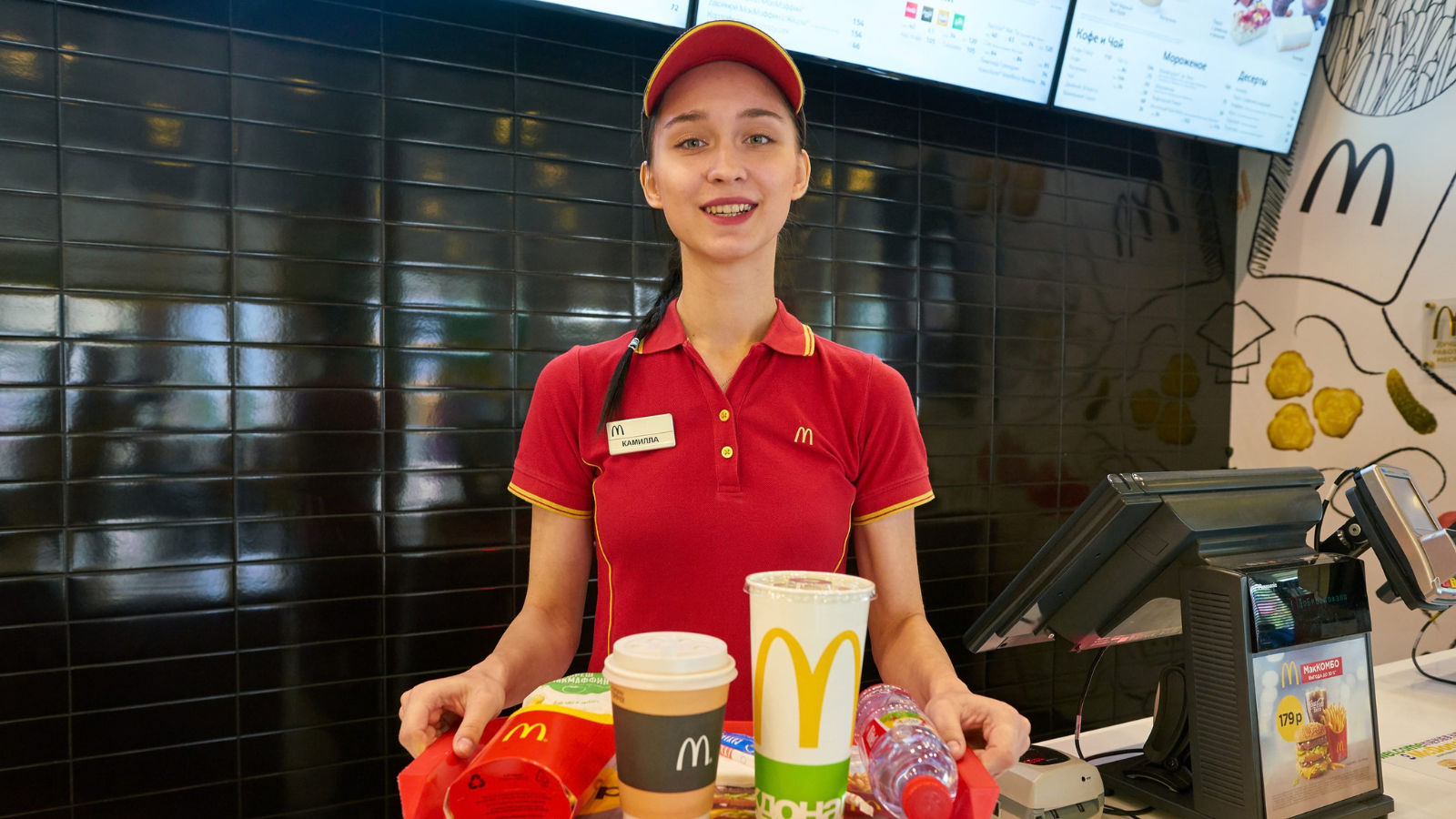
Not every customer wants the same restaurant experience.
Fast-food chains compete on speed, convenience, familiar favorites, and affordable combinations. Casual dining restaurants often emphasize table service, larger meals, atmosphere, and time to spend with friends or family.
When money is tight, some customers may choose value meals or promotions rather than full-price orders. Others might visit less often but spend more when they do go out.
This is where restaurants must understand what customers value. A business that combines reliable service, appealing food, and reasonable prices is better positioned to encourage repeat visits.
How Diners Can Enjoy Restaurants Without Overspending
You do not have to stop eating out to keep your food budget under control.
Planning restaurant visits around your budget can make a difference. Check menus before you leave home, compare lunch and dinner prices, and look for offers that offer real value rather than pushing unnecessary extras.
Sharing an appetizer, choosing water instead of an expensive drink, or taking home leftovers can also help control the final bill. You can even recreate restaurant favorites at home occasionally, saving restaurant visits for experiences you particularly enjoy. For example, learning the tricks behind restaurant fries that taste better than homemade versions can bring a little restaurant-style enjoyment into your own kitchen. The goal is to make restaurant spending intentional, not let convenience dictate every meal.
Will Restaurant Spending Keep Growing?
The latest figures are encouraging, but future growth will depend partly on what consumers can comfortably afford.
September’s 7% annual sales increase shows that restaurants remain an important part of American spending. Yet higher operating expenses and household budget pressures continue to challenge both businesses and their customers.
The National Restaurant Association’s 2026 industry outlook highlights the balance between persistent operating costs and consumers’ continued interest in restaurant experiences.
Restaurants that combine good food, reliable service, and clear value may be better positioned to earn repeat visits. Meanwhile, customers will keep weighing the pleasure of dining out against other financial priorities.
Now tell us: Are you eating out more often in 2026, or have rising menu prices pushed you toward takeout, cheaper meals, or home cooking?