Some of the most familiar foods in the kitchen carry a strange little secret. They can be healthy, cheap, comforting, and useful one day, then risky the next because of poor storage, bad preparation, or the wrong part being eaten. We do not need to fear the pantry, but we do need to respect it.
The danger usually does not come from the food itself. It comes from natural toxins, plant defense chemicals, heavy metals, or poisonous look-alikes that hide in plain sight. A green potato tossed into soup, a handful of poorly cooked kidney beans, or a wild mushroom mistaken for dinner can turn a normal meal into a medical emergency.
Green Potatoes Can Hide Solanine
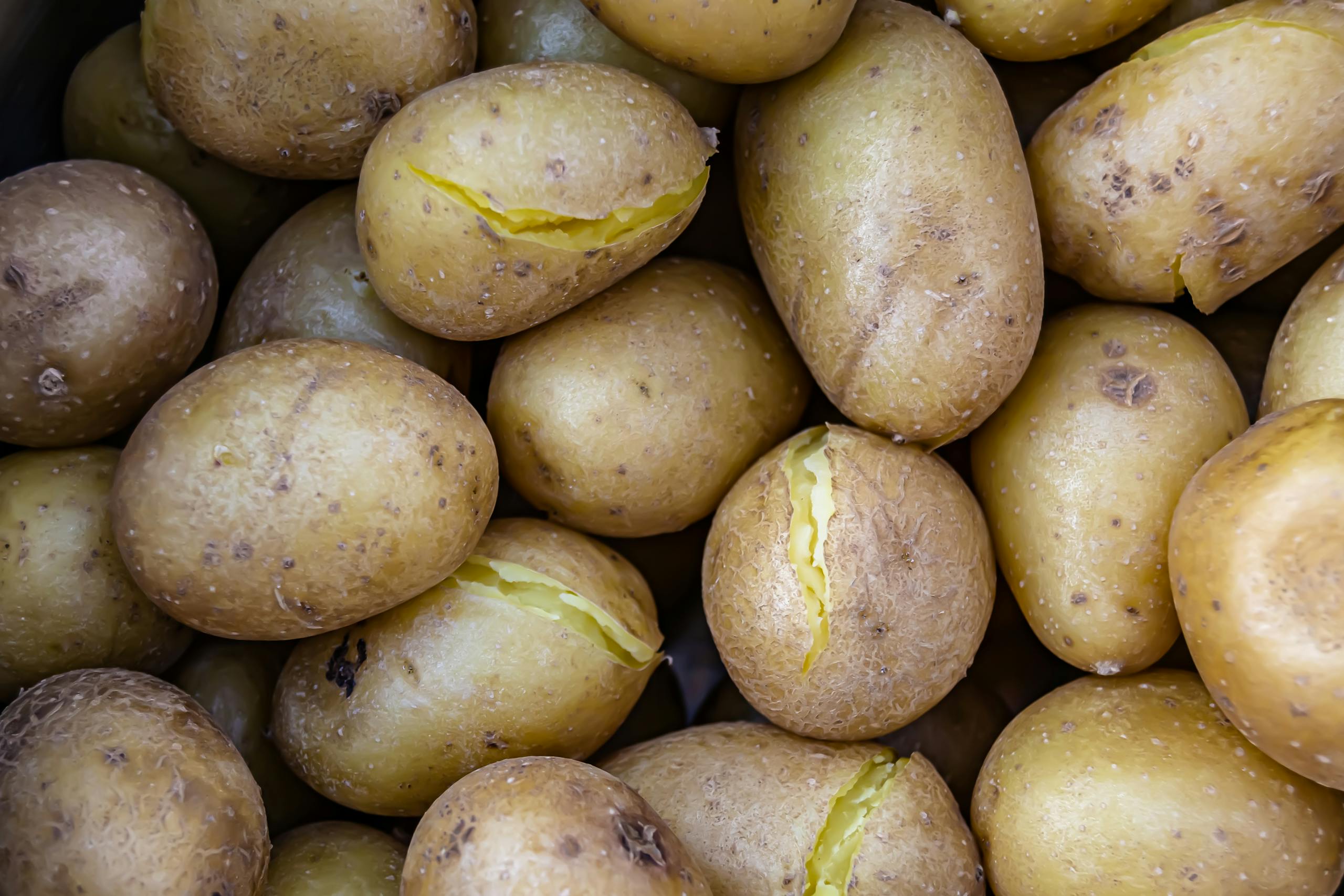
Potatoes are a staple in many meals because they are filling, affordable, and easy to cook. The trouble begins when they turn green, sprout heavily, taste bitter, or sit too long under light. That green color is chlorophyll, but it often appears alongside higher levels of natural potato glycoalkaloids, especially solanine and chaconine.
These compounds help the plant defend itself, but they can irritate the human digestive system and affect the nervous system when consumed in high amounts. WHO advises storing potatoes in a dark, cool, dry place and avoiding green or sprouting parts, as solanine and chaconine concentrate there.
The risky part is that cooking does not reliably make a bad green potato safe to eat. Frying, boiling, or baking may improve taste and texture, but it does not erase the toxin problem in a heavily greened or badly sprouted potato. A small spot can often be cut away generously, especially if the potato is still firm and smells normal, but a potato with wide green patches, deep sprouting, softness, or bitterness should go straight into the trash.
We should also avoid storing potatoes in clear bags, on sunny countertops, in warm cupboards, or in damp corners, where light and stress can push toxin levels upward. The simple rule is easy to remember: if the potato looks green, tastes bitter, or has turned soft and wild-looking, it is no longer a bargain.
Raw Kidney Beans Can Cause Fast and Violent Food Poisoning
Kidney beans look harmless because we usually meet them in chili, rice bowls, soups, and stews. In their raw or undercooked form, though, they contain phytohaemagglutinin, a lectin that can trigger sudden nausea, vomiting, diarrhea, and abdominal pain.
Red kidney beans are especially important because they carry some of the highest levels of this toxin among common beans. The FDA’s Bad Bug Book notes that raw kidney beans can contain 20,000 to 70,000 hemagglutinating units, whereas cooked kidney beans contain much lower levels.
The scariest detail is the tiny amount needed to cause trouble. As few as 4 or 5 raw beans can trigger symptoms, often within 1 to 3 hours of eating. Slow cookers can make this worse when dry beans are added directly, because some slow cookers may heat the beans without reaching the hard-boiling temperature needed to destroy enough of the toxin.
We should soak dried kidney beans for several hours or overnight, drain and rinse them, boil them hard in fresh water, and then continue cooking until fully tender. Canned kidney beans are already cooked, which is why they can be rinsed and added directly to meals, but dry beans need real heat before they belong in a slow cooker or stew pot.
Fruit Pits Can Release Cyanide When Crushed or Chewed
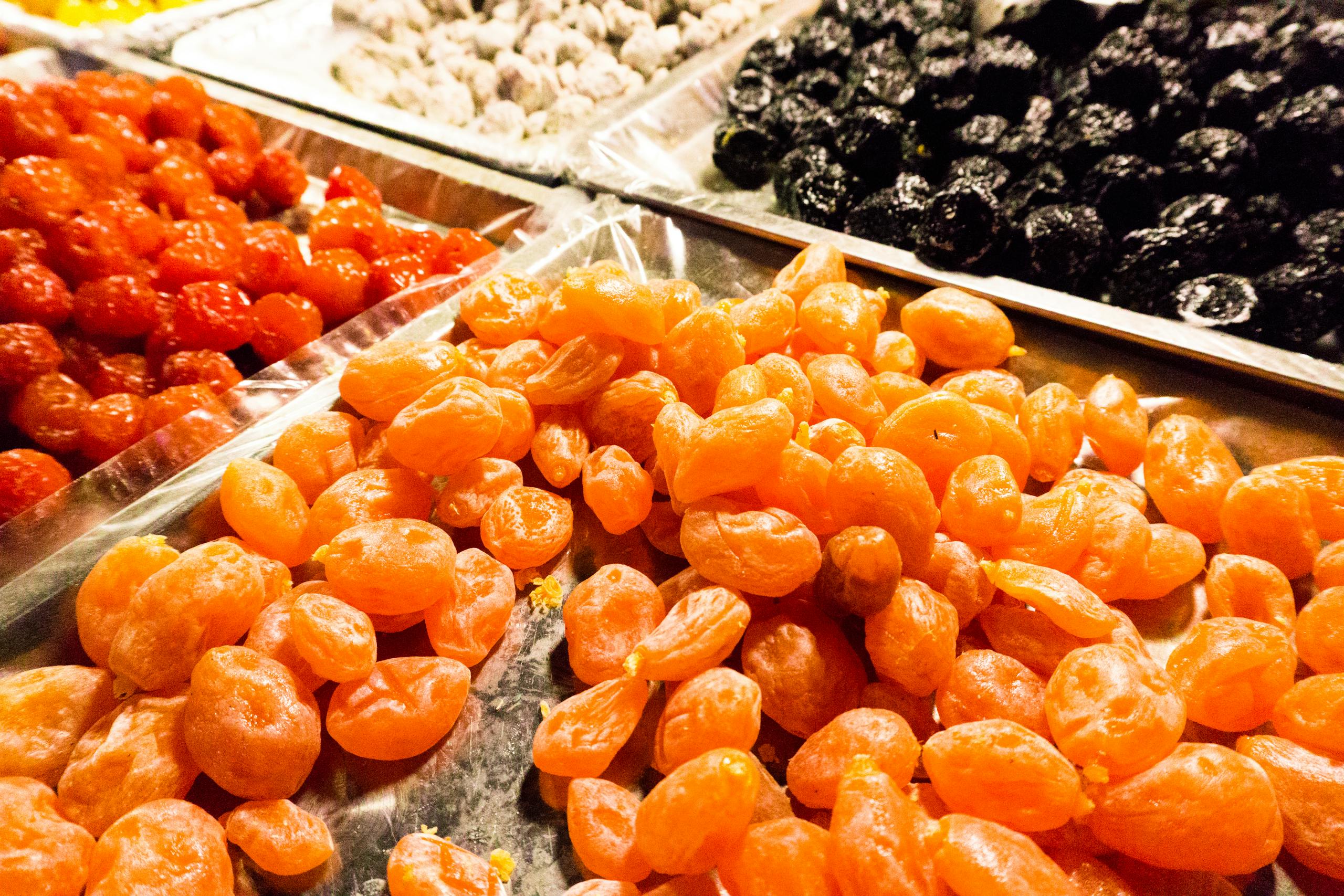
Most people have accidentally swallowed a cherry pit or bitten too close to a peach stone without thinking twice. A whole pit that passes through the body is usually far less concerning than a crushed, chewed, blended, or eaten kernel.
The risk comes from cyanogenic compounds, including amygdalin, found in the kernels inside pits from fruits such as apricots, cherries, peaches, plums, and related stone fruits. When these kernels are chewed or ground, amygdalin can break down and release cyanide, a fast-acting poison that interferes with the body’s ability to use oxygen. The CDC notes that cyanide can come from natural substances in some foods and in the pits and seeds of certain common fruits.
Apricot kernels deserve special caution because they are sometimes sold as snacks or promoted through unsafe health claims. EFSA has warned that eating more than three small raw apricot kernels, or less than half of one large kernel, in a serving can exceed safe levels, and toddlers can exceed safe levels with even one small kernel.
That does not mean ordinary apricot flesh, peach flesh, cherries, or plums should frighten us. It means we should not crack open the pits, chew the kernels, blend them into smoothies, grind them into powders, or treat them as health supplements. Fruit belongs in the bowl; the hard inner kernel belongs in the bin.
Bitter Almonds Are Not the Same as Sweet Snack Almonds
Sweet almonds are the familiar almonds we buy for snacks, oatmeal, baking, trail mix, and almond butter. Bitter almonds are a different concern because they contain much higher amounts of amygdalin, the same kind of compound that can release cyanide after chewing and digestion. This is why bitter almonds are treated very differently in food regulation and processing.
The danger is not the almond flavor people love in desserts; the danger is the raw bitter almond kernel before proper treatment removes the cyanide risk. FDA warnings about apricot seed products make the same chemistry clear: high amygdalin levels can lead to fatal cyanide toxicity, with symptoms that may include breathing difficulty, bluish skin or mucous membranes, weakness, and lightheadedness.
We should not confuse almond extract, sweet almonds, or properly processed almond flavoring with eating raw bitter almonds. Commercial almond products sold through regulated food channels are designed for normal use, but unverified bitter almonds, imported kernels, or “natural remedy” seeds deserve suspicion.
The most dangerous mistake is assuming that a food must be safe because it is natural, traditional, or sold online. Natural toxins are still toxins. If an almond tastes sharply bitter in a way that feels chemical or medicinal, we should stop eating it rather than pushing through the flavor.
Wild Mushrooms Can Look Safe Right Before They Destroy the Liver
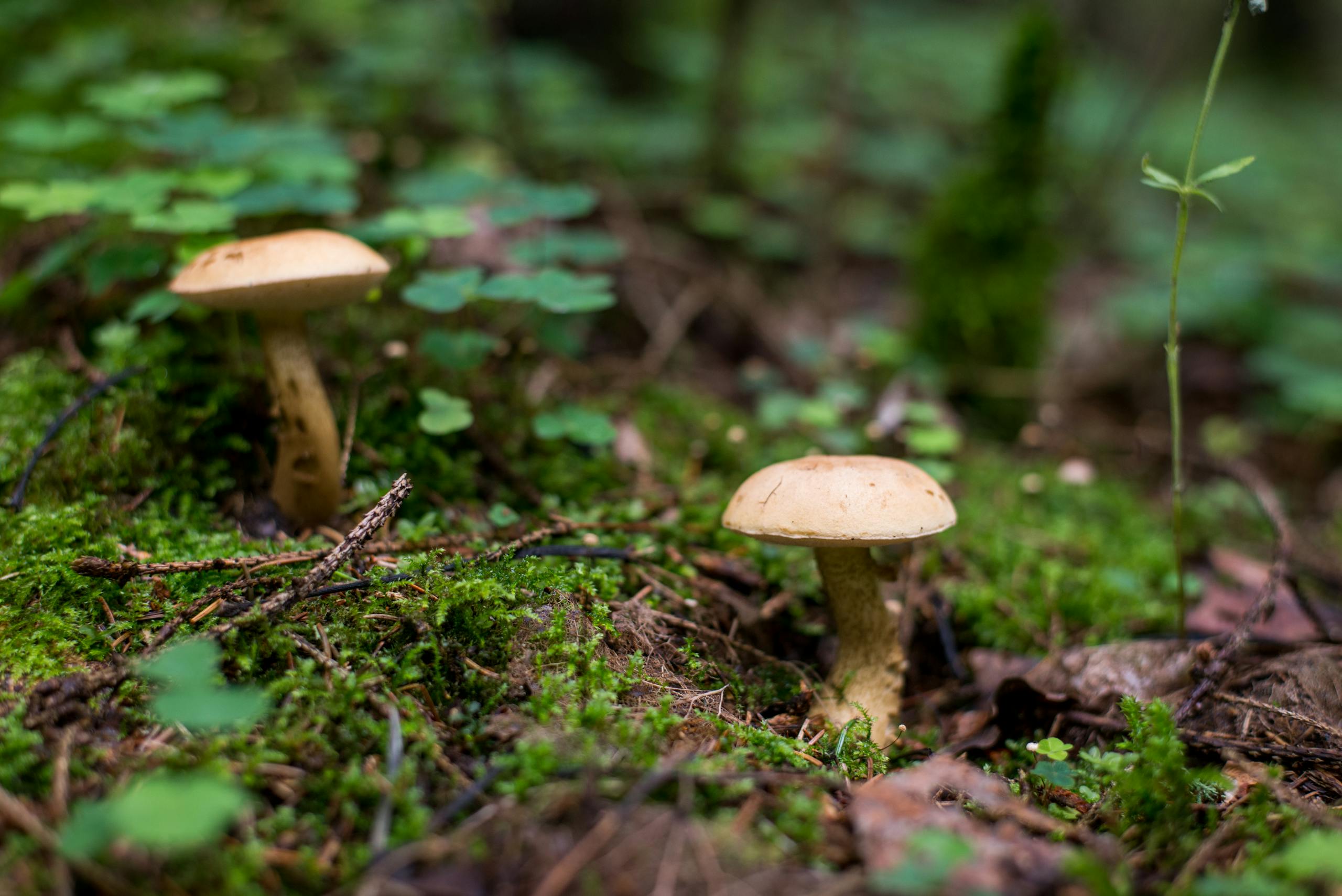
Mushrooms are one of the easiest foods to romanticize. They grow after rain, smell earthy, and can look nearly identical to edible varieties in photos. That is exactly why wild mushrooms are dangerous for non-experts. Poisonous species can resemble safe ones closely enough to fool confident foragers, and cooking does not neutralize some of the deadliest mushroom toxins.
Death cap mushrooms, for example, have caused severe poisonings and deaths because they can be mistaken for edible mushrooms. CDC reports on Amanita phalloides poisonings describe delayed gastrointestinal symptoms followed by dehydration and liver toxicity, with some patients requiring liver transplants.
The false recovery pattern makes some mushroom poisonings especially cruel. A person may vomit, develop diarrhea, feel awful, then seem to improve as the deeper liver damage continues. By the time jaundice, confusion, bleeding problems, or organ failure appear, the situation can already be life-threatening.
We should buy mushrooms from reputable grocery stores, farms, or suppliers instead of relying on phone apps, social media groups, taste tests, folk tests, or casual identification. Any suspected case of wild mushroom poisoning should be treated as urgent, especially when children, older adults, or multiple people have eaten from the same dish.
Truly Raw Cashews Can Carry a Poison Ivy Problem
Cashews are often marketed as raw, but most “raw” cashews sold in stores have been steamed or heat-treated before they reach the package. That processing matters because cashew shells contain urushiol, the same irritating oily compound linked to poison ivy reactions.
The edible nut is not the main problem when properly processed; the shell oil is. A CDC report described a poison ivy-like dermatitis outbreak affecting 54 people who ate cashew pieces contaminated during processing.
This is why cashews are almost never sold in the shell like peanuts or pistachios. The shell is not a cute rustic detail; it is a chemical hazard for the people handling and processing the nut. For most shoppers, the safe move is simple: buy cashews from established food brands and avoid unprocessed, in-shell, or suspiciously sourced cashews.
People with strong sensitivity to poison ivy should be extra careful with cashews, mango skin, and related plants in the same botanical family. The nut can be a healthy snack, but only after the dangerous shell chemistry has been handled properly.
Brown Rice Can Carry More Arsenic Than Many People Expect
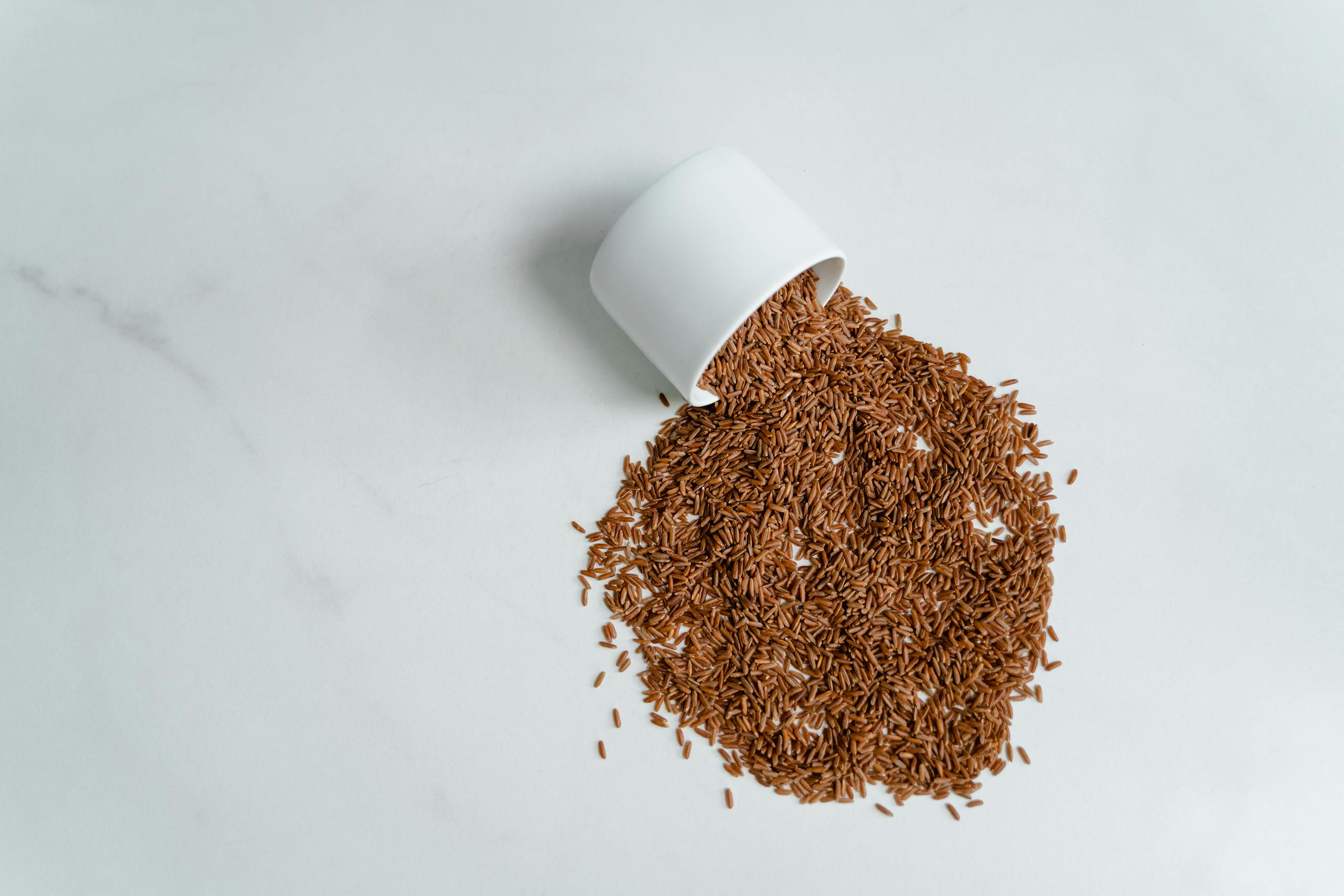
Brown rice has a healthy reputation because it keeps more of the grain’s outer layers, giving it more fiber and a nuttier taste than white rice. That same outer layer can also hold more inorganic arsenic, a toxic element that rice absorbs from soil and water more readily than many other grains.
The issue is not that one bowl of brown rice will poison a healthy adult. The issue is repeated exposure, especially for babies, young children, pregnant people, and households that eat rice daily. The FDA guidance set an action level of 100 parts per billion for inorganic arsenic in infant rice cereal to reduce infant exposure.
We do not need to remove rice from the kitchen, but we should stop treating it as the only grain that counts. FDA advises that cooking rice like pasta, using six to ten parts water to one part rice and draining the excess, can reduce inorganic arsenic content by 40% to 60%, depending on the rice type, though it can also reduce some nutrients.
We can rotate rice with oats, barley, quinoa, bulgur, millet, couscous, farro, cornmeal, potatoes, and other starches. Parents should be especially careful about rice cereal, rice crackers, rice milk, and rice-heavy snacks for young children. Brown rice can still fit into a balanced diet, but daily dependence is where the quiet risk begins.
The Safest Way to Think About Poisonous Foods in the Kitchen
The kitchen does not become safer because we panic. It becomes safer because we learn the few details that matter. Green potatoes need darkness, kidney beans need a hard boil, fruit pits need to stay uncracked, bitter almonds need caution, mushrooms need expert sourcing, cashews need proper processing, and rice needs variety. These are small habits, but they carry real weight.
Most food dangers are not immediately apparent. It hides in shortcuts, old habits, bargain hunting, and the belief that “natural” always means safe. We can still enjoy potatoes, beans, fruit, nuts, mushrooms, and rice, but we should prepare them with the kind of respect they deserve.
A smart kitchen is not a fearful kitchen. It is a kitchen where we know which foods need heat, which foods need darkness, which foods need trusted sourcing, and which parts should never be eaten.