The Supreme Court is facing a new ethics spotlight, and it comes from an unexpected corner: family. Philip Alito, son of Justice Samuel Alito, quietly held a senior legal position in the Treasury Department during high-profile cases involving the Trump administration. While officials insist he did not work on matters likely to reach the Supreme Court, the arrangement has sparked intense public debate about transparency, conflict of interest, and the Court’s self-policing recusal system.
Americans are already questioning how justices handle conflicts. The idea of a sitting justice’s adult child working inside a government office tied to potentially related litigation raises concerns about appearances, even if no rules were technically broken. In a Court where recusals are largely self-determined, optics matter as much as law.
This controversy is about more than a job title. Treasury lawyers advise on major policy, financial, and legal matters. That means the son of a Supreme Court justice was positioned near sensitive cases, from tariffs to emergency powers. Even if he did not touch Supreme Court matters, the public sees a proximity that fuels scrutiny.
Philip Alito’s Treasury Role
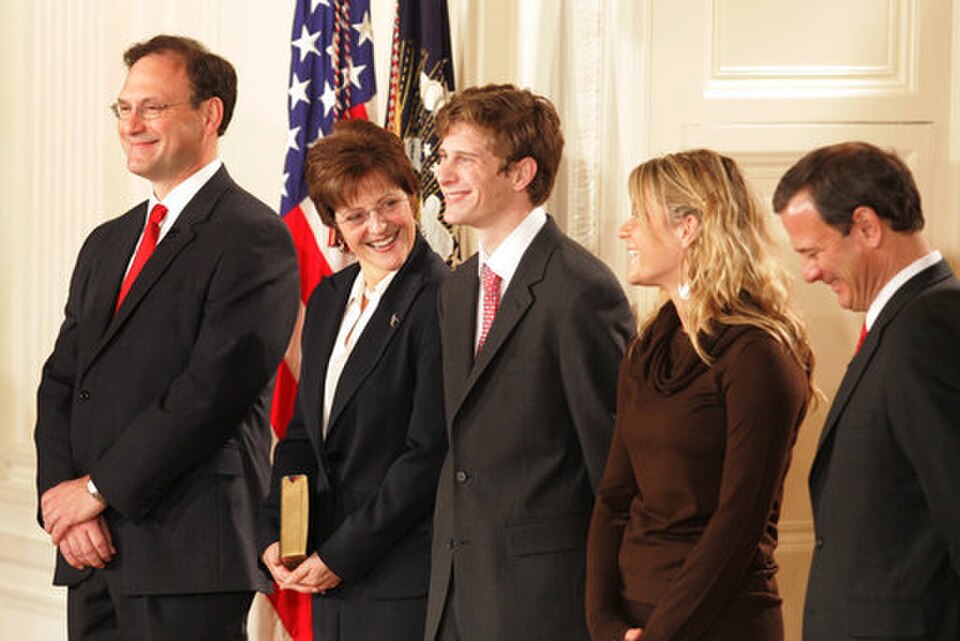
Philip Alito reportedly joined the Treasury as a political appointee in the Office of the General Counsel during Trump’s second term. Former officials describe him as maintaining a low profile, quietly advising senior leaders without public fanfare.
Treasury insists his portfolio excluded any Supreme Court-related matters and that he fully complied with ethical rules. Officials also say he did not counsel on cases where Justice Alito would sit, framing the controversy as optics rather than an actual legal conflict. Still, low visibility only magnifies public curiosity when family connections intersect with high-stakes government work.
The Trump Tariff Case and Alito’s Dissent
Justice Alito participated in the Supreme Court case limiting Trump’s authority to impose broad tariffs under emergency powers. He joined a dissent supporting the administration, which highlights why the ethics question is sensitive. Treasury, where Philip Alito worked, had a stake in the outcome, raising an appearance-of-conflict concern, even if legally there was no direct overlap.
The optics become sharper because Supreme Court justices largely decide for themselves when to recuse. The public sees a father participating in a ruling while his adult child is a Treasury attorney nearby, creating unavoidable scrutiny.
Why the Treasury Legal Office Matters

Treasury’s General Counsel is far from ceremonial. It advises on public finance, enforcement, sanctions, and federal litigation areas that routinely intersect with presidential powers. In Trump’s second term, the Treasury was central to disputes over tariffs, IRS-related enforcement, and the Anti-Weaponization Fund.
Even without directly handling Supreme Court matters, a legal adviser in this office can influence the decisions that might later be litigated at the Court. That proximity is what makes Philip Alito’s role politically and ethically significant.
Treasury’s Defense
Treasury Secretary Scott Bessent emphasized that Philip Alito followed all ethical guidelines. The department said he did not advise on matters reasonably expected to reach the Court. A Supreme Court spokesperson added that Philip Alito had not worked on tariff issues and Justice Alito’s recusal decisions remained appropriate.
While these assurances address technicalities, questions remain: When did Philip Alito start? Who supervised him? Was a formal ethics screen in place? Public trust depends on answers to these questions, especially in politically charged cases.
Recusal Rules Under Pressure

Supreme Court justices make most recusal decisions themselves, unlike lower courts with formal procedures. That autonomy is meant to protect judicial independence, but it also amplifies public concern when family members work in politically sensitive government roles.
Justice Alito has a history of sitting unless a conflict is clear. Critics argue that the Court’s current system lacks transparency and enforcement, making high-profile family connections inherently problematic.
The Anti-Weaponization Fund Could Spark Future Scrutiny
The Justice Department’s $1.776 billion Anti-Weaponization Fund could become a flashpoint. Treasury’s involvement in managing or advising on payments raises questions about potential future cases before the Supreme Court. If Justice Alito participates, public and media scrutiny may intensify, keeping the story alive beyond the tariff case.
Appearance vs. Actual Conflict
Legally, a conflict requires concrete overlap between duties and interests. The appearance-of-conflict standard considers whether the public could reasonably question impartiality. In Philip Alito’s case, the Treasury claims no overlap, but the optics of family, executive power, and Supreme Court participation remain potent.
The Court’s legitimacy depends on perception as much as procedure. Even without misconduct, a quiet role in a politically sensitive department invites scrutiny, particularly when it intersects with cases involving the president.
Why the “Secretive Role” Label Matters
Media coverage emphasizing Philip Alito’s “secretive” role fuels public concern. While he kept a low profile and avoided media attention, the public interprets this as deliberate opacity, particularly when family ties and government influence intersect. Transparency could reduce suspicion, even if ethics rules were followed.
What’s Next for Public Oversight
Observers will watch whether Congress or advocacy groups demand disclosure or recusal in future Treasury-related cases. Treasury may face requests to clarify Philip Alito’s duties, ethical safeguards, and oversight. The Anti-Weaponization Fund and similar high-profile initiatives may test how the Court and its justices handle family-linked government roles.
Conclusion
Philip Alito’s Treasury role highlights the tension between legal compliance and public perception. Officials assert no Supreme Court-related work occurred, which may satisfy formal rules. Yet the optics of family, high-stakes government litigation, and self-policed recusal remain potent. The controversy illustrates a broader challenge: maintaining the Court’s legitimacy while balancing independence and transparency.