Flying with children can feel like navigating a high-stakes obstacle course. Every parent knows that even small missteps can escalate quickly into chaos at 35,000 feet. Maintaining order, comfort, and sanity requires strategic planning and foresight, especially when children are restless or bored.
These practices not only keep your children safe but also protect fellow passengers from unnecessary disruptions. By proactively addressing each challenge, families can transform a potentially hectic flight into a manageable, even enjoyable experience. Each recommendation focuses on behavior, environment, and preparation to ensure smooth travel for everyone onboard.
Overloading on Sugary Snacks Before Boarding

Airport convenience stores and snack kiosks are tempting, but excessive sugar intake before and during flights can quickly spiral out of control. Children who consume candy, chocolate, and gummies before takeoff often experience rapid energy spikes followed by sudden crashes, leading to crankiness and disruptive behavior. This hyperactive phase can manifest as loud vocalizations, kicking the seat, or constant requests for attention.
The effect is compounded by the confined environment of an airplane cabin, where movement is restricted, and patience is short. Maintaining a low-sugar diet prior to boarding helps children remain calmer, more cooperative, and able to engage in quieter activities such as coloring or reading.
Healthy snacks like fruit slices, nuts, or granola bars provide stable energy without triggering tantrums, reducing stress for parents and passengers alike.
Ignoring Boredom Management
Long flights can leave children bored, which quickly turns into irritability if left unaddressed. Parents who refuse screen time or structured activities, hoping to encourage imaginative play, often discover that their children become fussy or restless. The cabin’s constraints limit physical play, making entertainment planning critical.
Preparedness is key: tablets with headphones, travel games, books, and activity kits can occupy children effectively. Introducing small tasks or games intermittently keeps engagement high and prevents the frustration that leads to disruptive behavior. By proactively managing boredom, parents reduce their own stress and maintain a calmer atmosphere for fellow passengers.
Allowing Seat Kicking and Physical Disruption

Kicking the seat in front is one of the most direct ways to annoy other passengers and escalate tensions. Children may do this unintentionally, but the result is discomfort for the person seated ahead, often prompting complaints or confrontations. Parents must consistently enforce seat etiquette and explain the importance of respecting personal space.
Even minor actions, repeated over a long flight, can irritate passengers and generate stressful interactions for parents. Positive reinforcement, gentle reminders, or redirecting energy into drawing or interactive screens prevent this behavior. Encouraging children to remain seated and calm helps maintain safety and social decorum while ensuring a peaceful cabin environment.
Using Electronics Without Headphones
Electronic devices are essential for entertaining children on flights, yet failing to use headphones can create unnecessary disturbances. The loud audio from a tablet or game can irritate nearby passengers, especially on long-haul flights with quiet sections. Parents must ensure that devices are paired with headphones or that volume is limited.
Training children to use devices responsibly prevents conflicts and reduces stress for parents. Headphones also give children a sense of independence while maintaining courtesy toward others. This practice minimizes complaints and allows everyone to enjoy a quieter, more controlled travel experience.
Playing Catch or Engaging in Physical Games at Gates
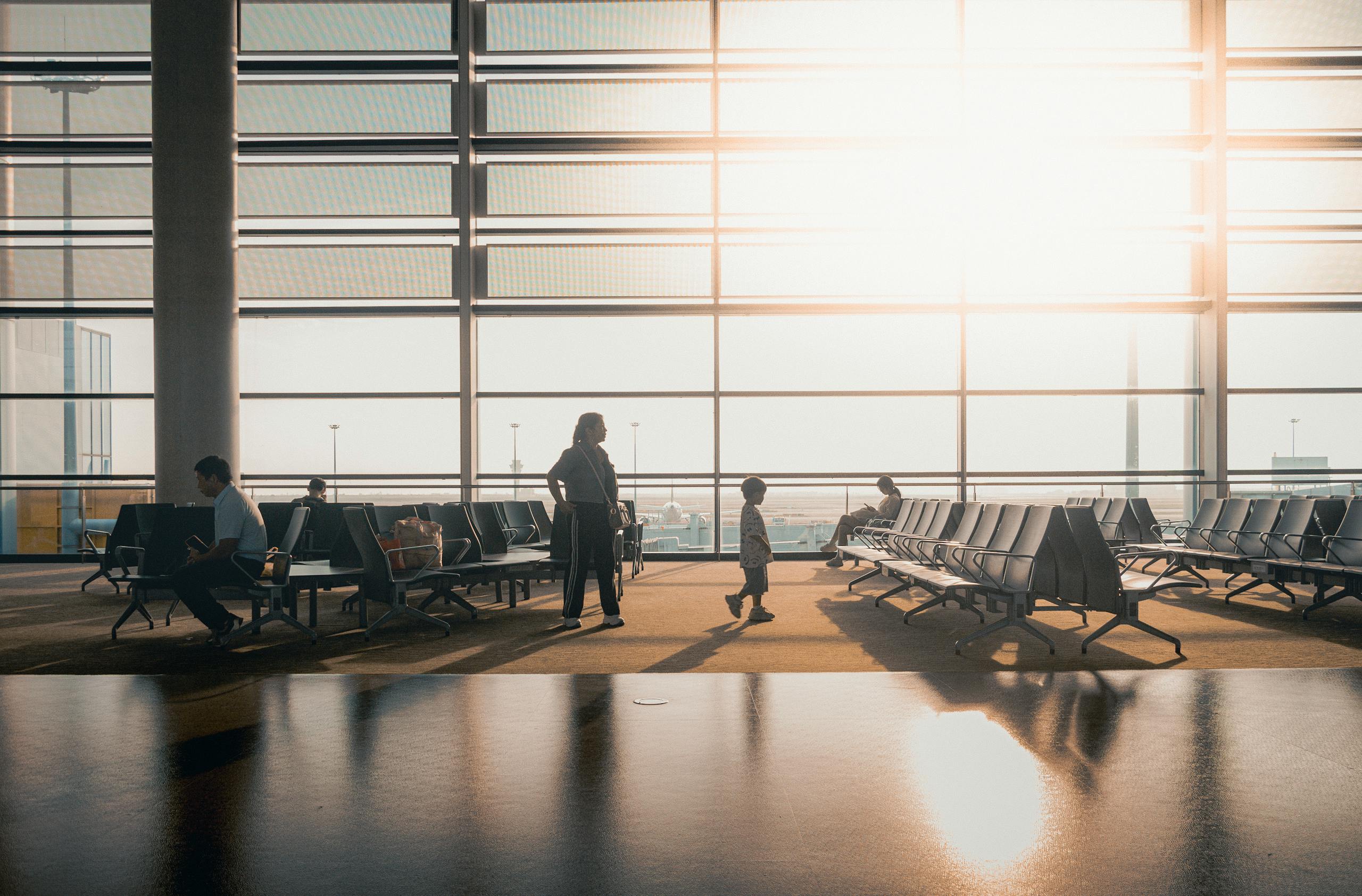
Airport gates are not playgrounds, yet some children resort to tossing balls or running around while waiting to board. This behavior can inadvertently hit passengers or staff and may violate safety protocols. Parents must intervene and provide alternative activities such as quiet reading, drawing, or puzzle games.
When available, structured play areas or designated kid zones at airports can help avoid hazards in crowded spaces. Clear guidance on appropriate behavior helps children understand boundaries and keeps everyone safe while waiting. Redirecting energy toward safe, seated activities prevents accidents and stress before boarding.
Running Up and Down the Aisle
Although tempting for energetic children, allowing them to jog or race down airplane aisles is hazardous. The confined space, coupled with service carts and passengers, creates a high risk of injury. Flight attendants and other travelers often perceive this as disruptive, and parents may be reprimanded.
Engaging children in in-seat activities or walks through airport terminals before boarding safely channels their energy. Encouraging stretching or simple seated exercises prevents restlessness without compromising safety. Establishing clear rules about remaining seated during flight helps prevent accidents and ensures smoother travel for all passengers.
Excessive Use of the Flight Attendant Call Button
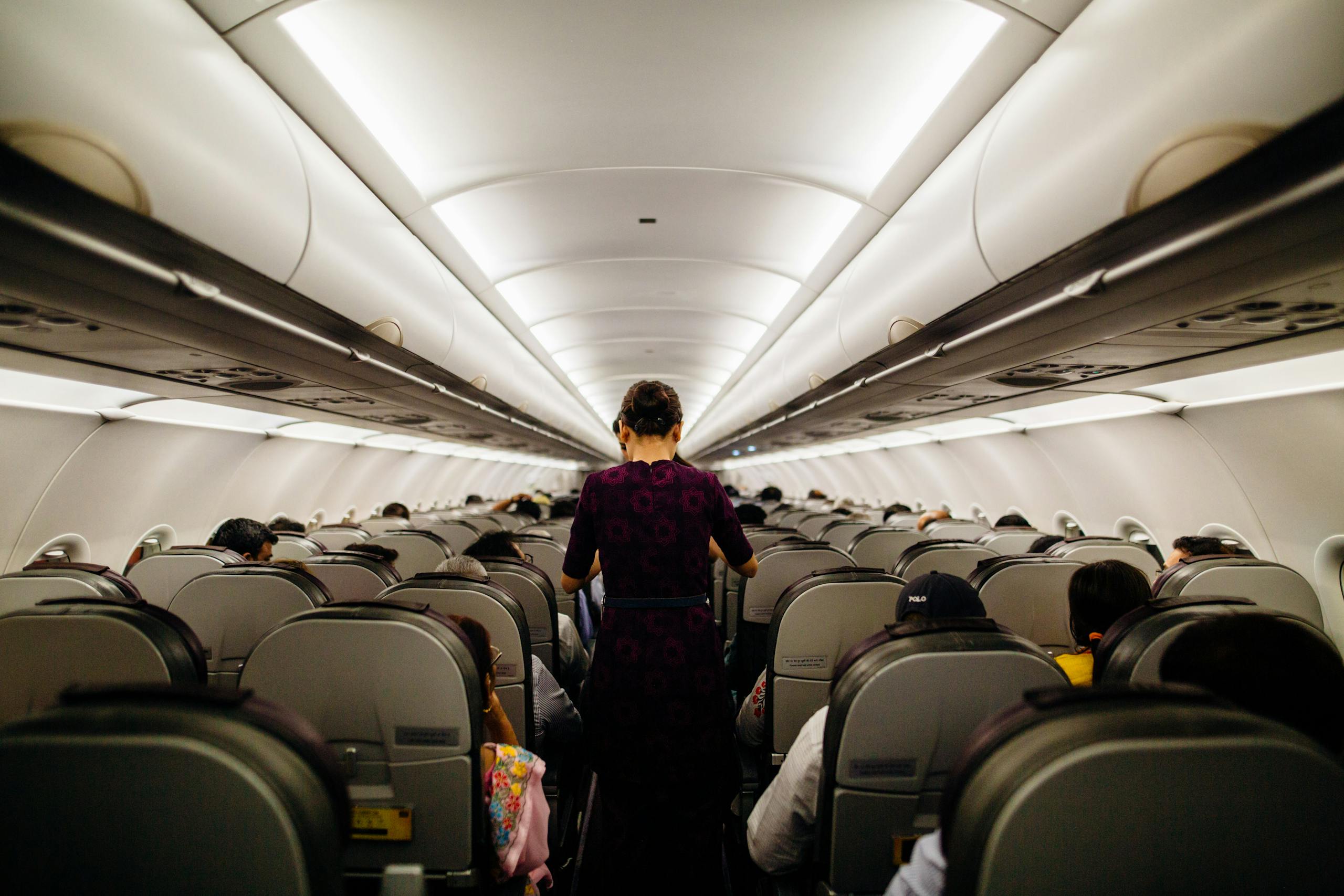
Children often find the call button amusing and press it repeatedly out of curiosity. While seemingly harmless, this behavior disrupts cabin service and distracts attendants from essential duties. Parents should explain the button’s purpose and monitor usage during the flight.
Setting clear limits and providing alternatives for requesting attention, such as raising a hand or calling softly, teaches responsibility. Minimizing unnecessary button presses ensures safety, prevents service delays, and fosters respect for cabin staff. Consistent guidance helps children understand boundaries while maintaining flight efficiency.
Failing to Seat the Family Together
Seating arrangements significantly influence behavior and comfort. Children separated from parents or siblings may feel anxious, upset, or restless, leading to crying, whining, or tantrums. Booking seats together or requesting row arrangements appropriate for families reduces these risks.
Being together ensures supervision, facilitates communication, and supports emotional well-being throughout the flight. Families can coordinate activities, manage meals, and respond to needs quickly, which minimizes disruptive incidents. Proper seating arrangements create a sense of security and order that benefits both children and fellow passengers.
Conclusion
Flying with kids does not have to feel like a survival mission. When we plan snacks, entertainment, seating, and behavior expectations before boarding, we prevent most midair meltdowns from happening. A smoother flight starts with simple boundaries, thoughtful preparation, and respect for everyone sharing the cabin.