The fragile calm around Iran, the United States, Israel, Lebanon, and the Strait of Hormuz is not the kind of peace that lets markets breathe easily. We are looking at a ceasefire that still carries the sound of missiles, threats, oil shocks, blocked shipping routes, and tense diplomatic phone calls behind it. Every statement from Washington or Tehran now lands like a spark near dry grass.
The biggest danger is that this conflict is no longer only about Iran and the United States. It now touches oil tankers, Gulf economies, Israeli military moves, Hezbollah, sanctions, nuclear demands, and global fuel costs. That is why one delayed agreement, one fresh strike, or one collapsed negotiation could quickly turn a shaky pause into a much larger crisis.
The Strait of Hormuz Remains the World’s Most Dangerous Oil Pressure Point
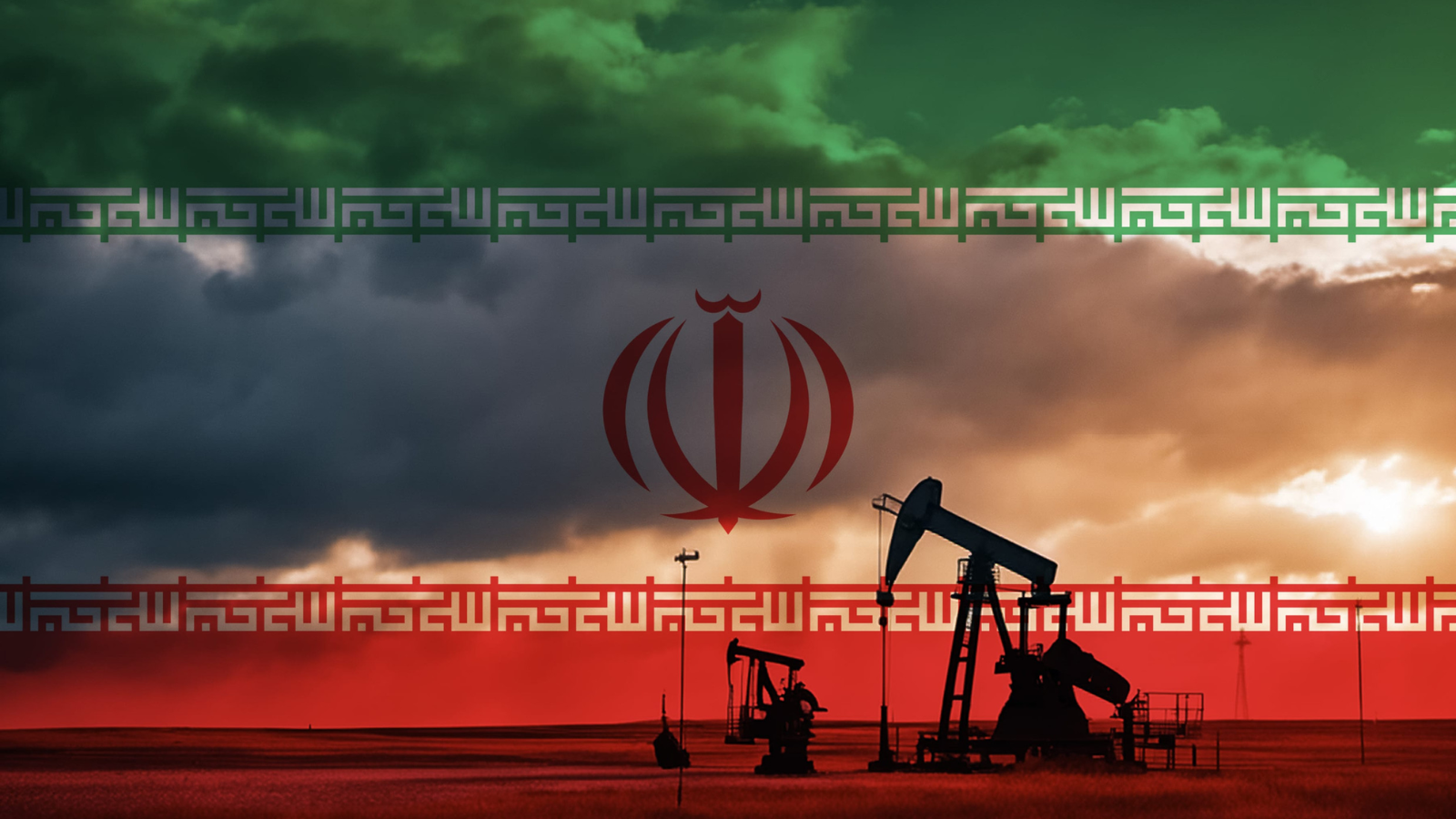
The Strait of Hormuz is the narrow sea route that turns this crisis from a regional fight into a global economic threat. When that passage becomes unsafe or blocked, oil markets react almost instantly because so much of the world’s energy trade depends on ships moving through that corridor. A ceasefire may calm headlines for a moment, but it does not erase the danger of disruption.
We should see Hormuz as the central pressure point in this story. If Iran keeps using the Strait as leverage, traders, governments, airlines, shipping companies, and ordinary drivers all feel the pressure through higher fuel costs. That is why reopening the Strait is not a side issue. It is one of the core tests of whether this ceasefire can become something real.
Oil Prices Are Already Warning That Markets Do Not Trust the Calm
Oil prices often move before politicians finish their speeches. When traders see uncertainty around Iran, Hormuz, Lebanon, and US policy, they price in fear. That fear can lift crude prices, raise gasoline costs, increase transport expenses, and make inflation harder to control.
We are not dealing with a normal diplomatic disagreement. Energy markets are watching every signal from Tehran and Washington because one failed meeting could affect supply routes. If negotiations drag on or military activity resumes, oil could remain volatile even without a full-scale war.
Trump’s Optimism Still Comes With Serious Unanswered Questions
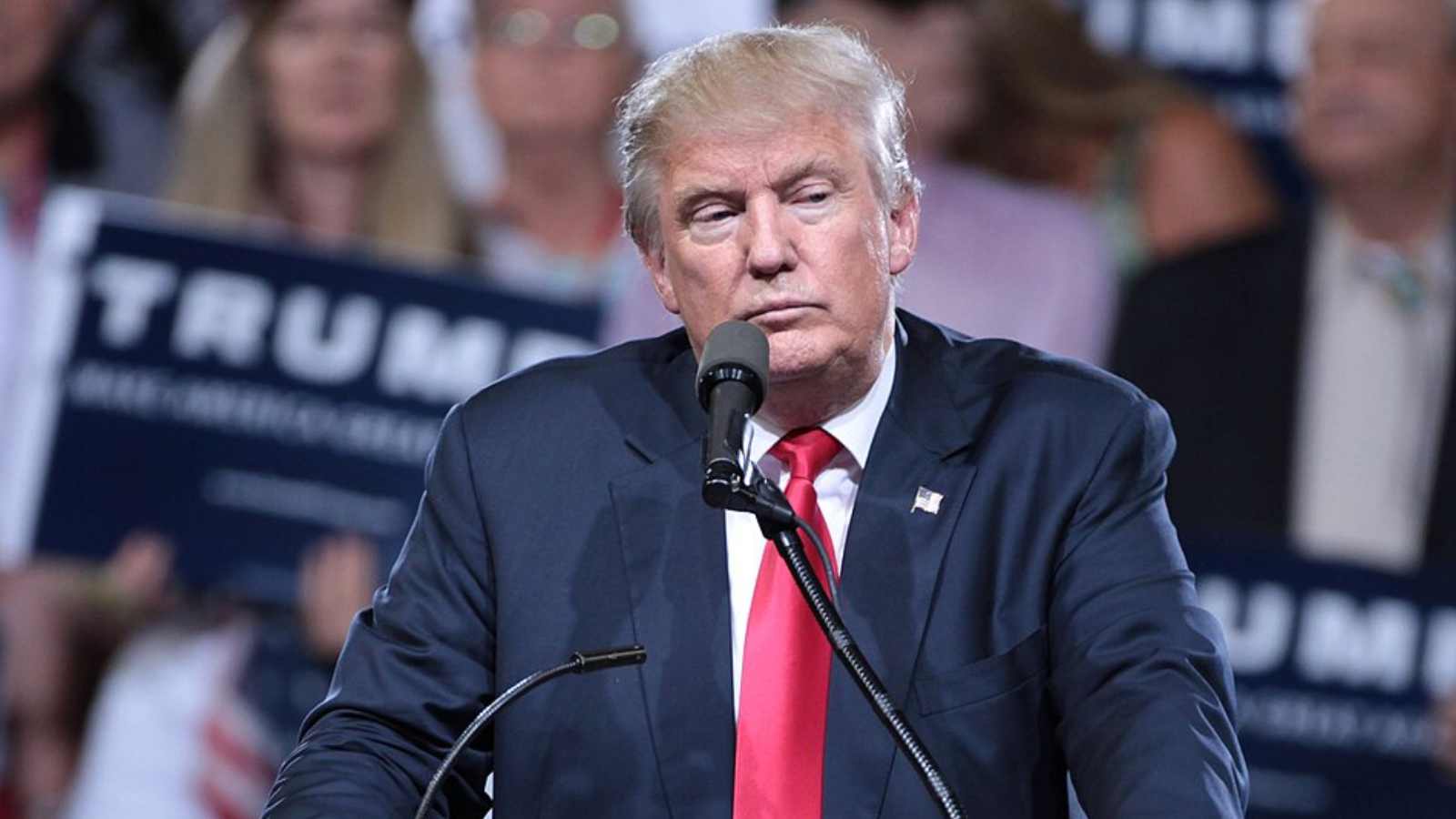
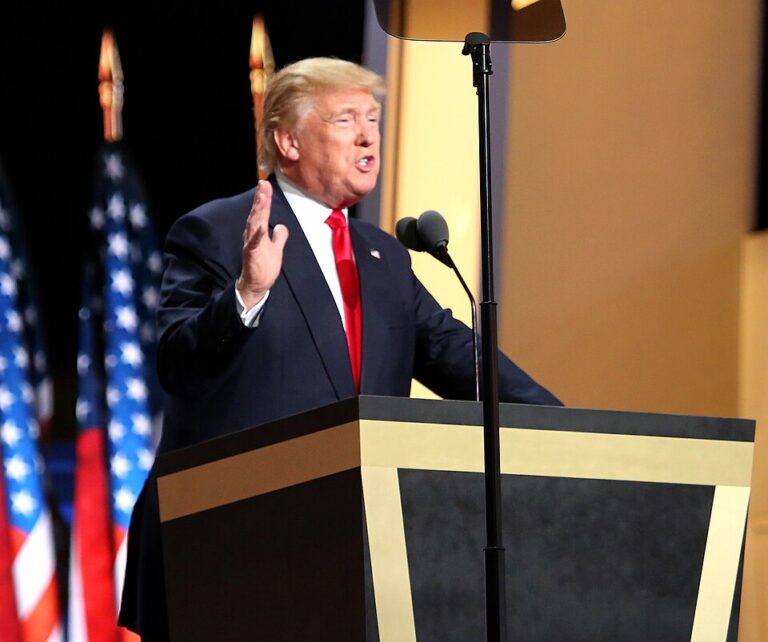
President Donald Trump has suggested that a deal with Iran could happen soon, but optimism is not the same as an agreement. A deal still needs details, enforcement, timing, and trust between governments that have spent years treating each other as enemies. The phrase “looking good” may calm some investors, but it does not settle the deeper problems.
We should pay attention to what remains unresolved. Iran wants pressure reduced, the United States wants security guarantees, and regional players want protection from spillover violence. Until those pieces are written clearly into a deal, the ceasefire remains vulnerable.
Lebanon Could Become the Flashpoint That Breaks the Ceasefire
The Lebanon front makes this crisis more dangerous because it pulls Hezbollah and Israel into the same unstable equation. If fighting intensifies there, Iran could suspend talks, Israel could widen military operations, and the United States could face pressure to respond. That means the fate of the Iran ceasefire may depend partly on what happens outside Iran.
We cannot treat Lebanon as background noise. It is one of the places where diplomacy can unravel quickly. One strike, one retaliation, or one political miscalculation could turn a negotiation about Hormuz into a broader regional showdown.
Sanctions Relief Is Still a Major Sticking Point
actionsports/ 123rf
Sanctions are one of the hardest pieces of any Iran deal. Tehran wants relief, but Washington does not want to appear as though it is rewarding pressure tactics or military escalation. That creates a difficult tradeoff, especially when lawmakers are watching closely and questioning the administration’s strategy.
We should expect sanctions to remain central to the negotiations. If the United States offers relief too quickly, critics will call it weakness. If it refuses relief completely, Iran may walk away from the table. That narrow middle ground is where any serious agreement must survive.
The Nuclear Question Still Shadows Every Conversation
Even when the public focus shifts to oil, shipping, and ceasefire violations, Iran’s nuclear program remains the deeper issue. Washington wants limits, inspections, and guarantees. Iran wants sovereignty, leverage, and relief from economic pressure. Those goals are difficult to reconcile because both sides see the issue as a matter of national survival.
We should understand that reopening the Strait of Hormuz may only be the first layer of the deal. The harder layer is whether Iran accepts nuclear restrictions strong enough to satisfy the United States and its allies. Without that, any ceasefire could become a temporary theater rather than a lasting peace.
Regional Allies Are Quietly Preparing for More Disruption

Gulf states are not waiting for perfect diplomacy. Energy producers are already thinking about alternative routes, new infrastructure, and ways to reduce dependence on Hormuz. That tells us something important. Even countries hoping for calm are preparing for the possibility that the strait remains unstable.
We should read those moves as a warning sign. When governments invest in bypass routes, they are not doing it because they trust the situation. They are doing it because the risk has become too expensive to ignore.
A Ceasefire Without Trust Can Collapse Fast
A ceasefire is only as strong as the trust behind it. When both sides accuse each other of violations, every incident becomes a test. A radar strike, a drone attack, a naval move, or a proxy clash can quickly become proof that the other side is acting in bad faith.
We should not confuse silence with stability. In a conflict this tense, even a pause in direct fighting can hide serious danger. Real stability requires communication channels, restraint from allies, and clear consequences for violations.
The Biggest Risk Is a Small Mistake With Huge Consequences

Large wars often begin with decisions that seem manageable at the time. A limited strike. A warning shot. A blocked tanker. A retaliatory move meant to send a message. In a region already loaded with military assets and political pressure, small actions can grow into major consequences.
We are watching a moment where diplomacy and escalation are moving side by side. A deal could calm oil markets and reduce regional danger, but a single misstep could pull the crisis back into open confrontation. That is what makes this ceasefire so fragile and so important.
Conclusion
The Iran ceasefire is not a clean ending. It is a tense pause surrounded by oil pressure, military risk, sanctions disputes, nuclear demands, and regional flashpoints. The Strait of Hormuz remains the economic heart of the crisis, while Lebanon and Israel add another layer of danger that could derail negotiations at any moment.
We should see this moment clearly. A deal could still happen, but the path is narrow and politically dangerous. Until Iran, the United States, Israel, and regional actors stop testing the edges of the ceasefire, the world will remain one bad decision away from another oil shock and a deeper Middle East crisis.