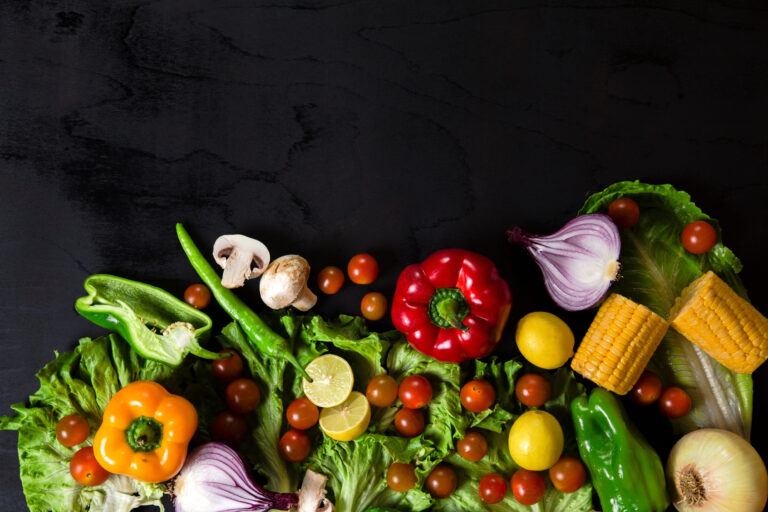
Food can look harmless right up until it starts acting like a villain. A shiny mango, a warm bowl of beans, a sprinkle of cinnamon, or a few crunchy sprouts can seem completely innocent on the plate.
The danger usually does not come from the food itself, but from poor storage, careless cooking, hidden toxins, or eating too much of something that should be kept to small amounts.
Most of these foods are safe when handled properly, which is why they remain common in kitchens around the world.
That is the part people often miss. The same ingredient that makes a comforting dinner can cause serious illness when it is raw, moldy, spoiled, misidentified, or badly prepared.
The scary truth is not that your kitchen is full of poison. It is that food safety often depends on small habits that people overlook.
Washing, boiling, peeling, storing, and checking for spoilage may sound basic, but those simple steps can make the difference between a good meal and a medical emergency.
Red Kidney Beans Can Trigger Violent Food Poisoning
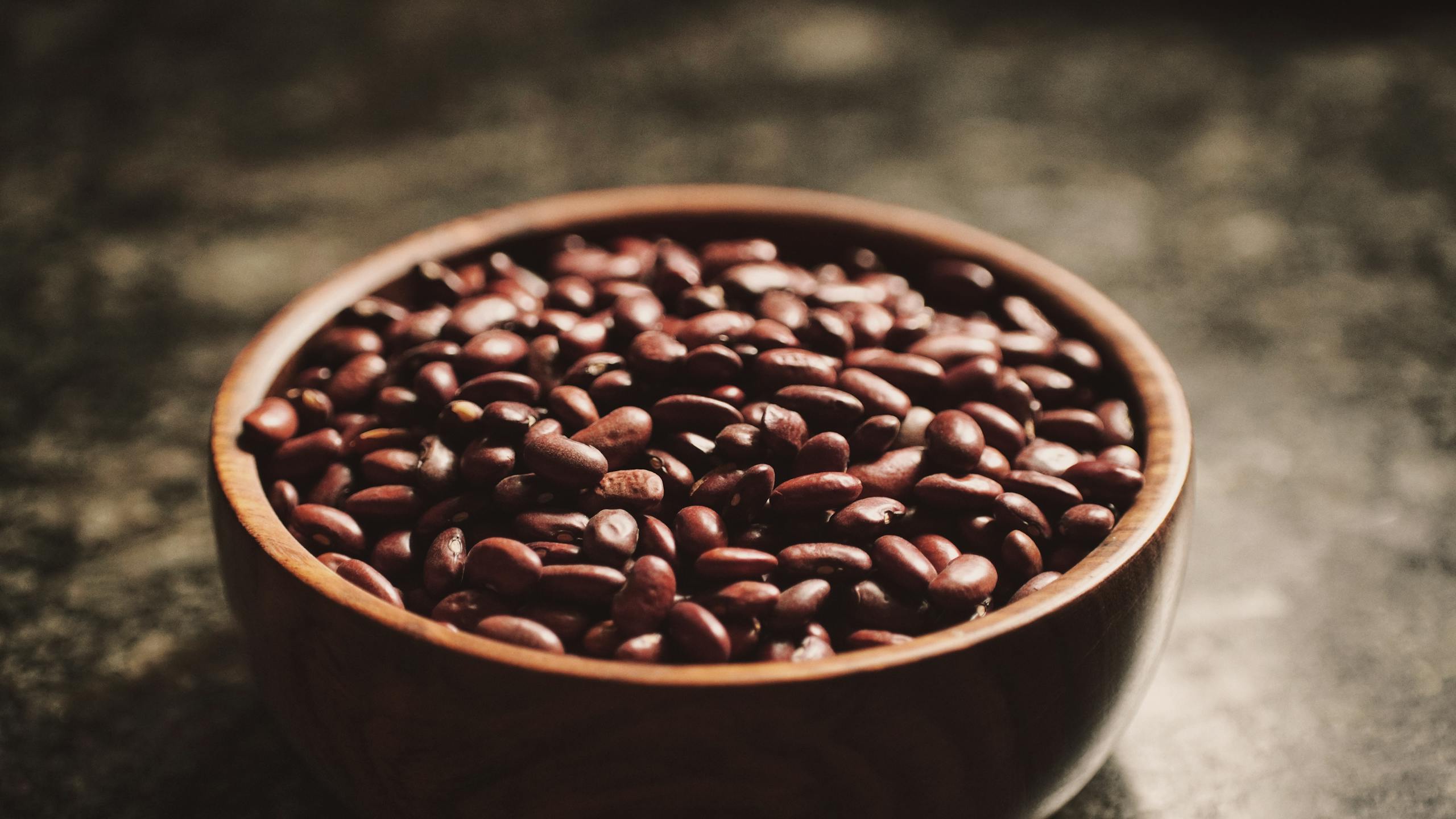
Red kidney beans are rich, filling, and perfect for chili, stews, rice dishes, and soups. Their deep color and creamy texture make them feel like one of the safest pantry staples in the house.
The problem begins when they are eaten raw or undercooked, because they contain a natural lectin called phytohaemagglutinin, which can cause intense vomiting, stomach cramps, nausea, and diarrhea.
The scary part is that it does not take a huge serving to cause trouble. A few undercooked beans may be enough to make someone seriously sick, especially when dried beans are cooked too gently. Slow cookers can be risky if the beans never reach a proper boiling temperature first.
Dried kidney beans should be soaked, drained, boiled hard, and cooked fully before eating. Canned kidney beans are usually safer because they have already been processed and cooked.
If dried beans are part of the meal, patience is not optional, because proper cooking is what turns them from risky to reliable.
Cassava Can Release Cyanide If Prepared Poorly
Cassava is a major food in many parts of the world, and when prepared correctly, it is safe, filling, and useful. It can be turned into flour, fufu, garri, chips, tapioca, and many other foods that feed families every day.
The danger comes from natural cyanogenic compounds found in the root, which can release cyanide when cassava is eaten raw or processed carelessly.
This risk is one reason cassava should never be treated like an ordinary potato. Bitter cassava needs especially careful handling because it may contain higher levels of cyanogenic compounds.
Peeling, soaking, fermenting, drying, and cooking all help reduce the danger before the food reaches the plate.
Properly prepared cassava is not something to fear. The problem comes when shortcuts replace tradition, especially during hunger, rushed cooking, or poor processing. Cassava proves that some foods are safe only because generations learned exactly how to handle them.

Raw Sprouts Can Carry Dangerous Bacteria
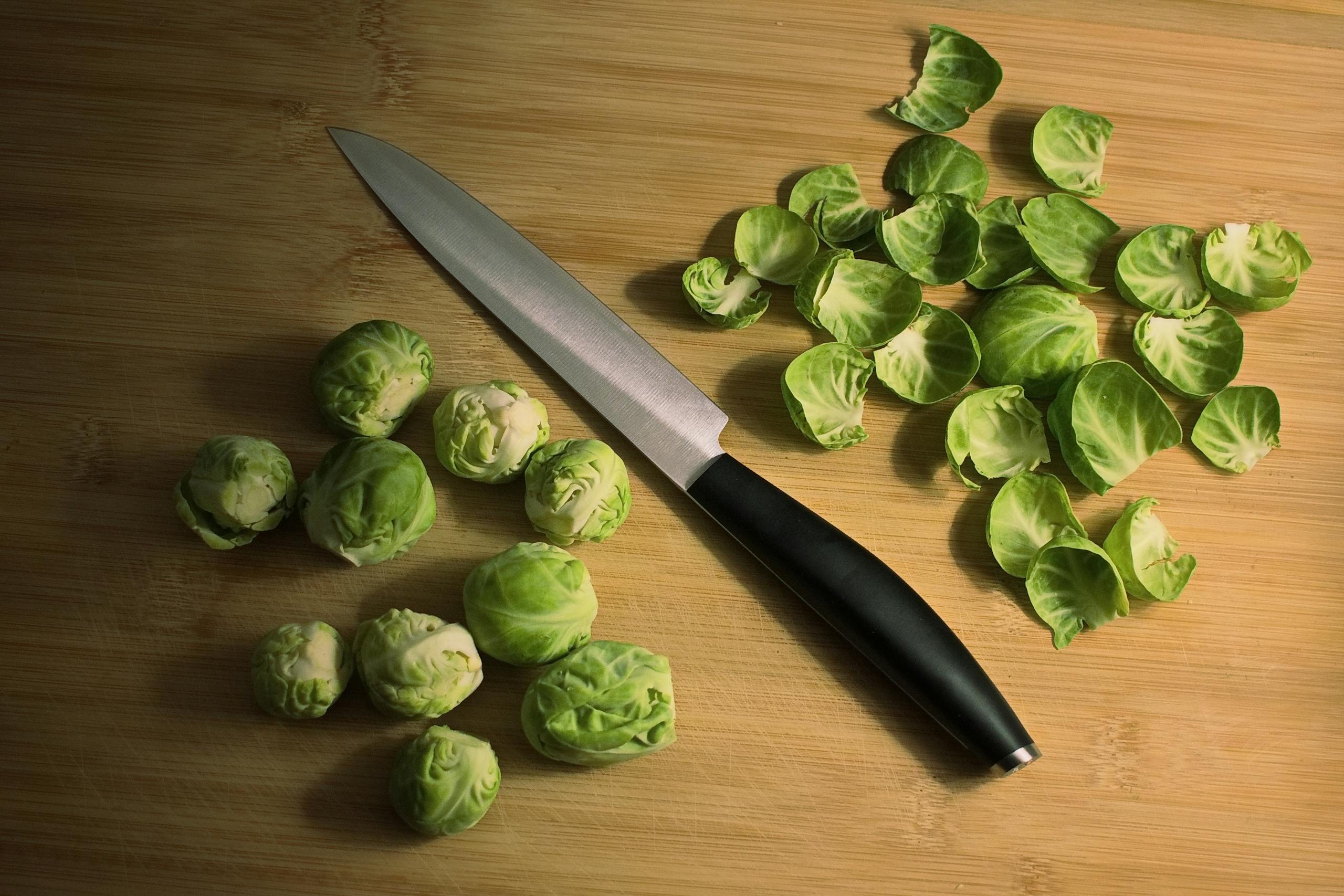
Sprouts look clean, fresh, and healthy, which makes their risk easy to underestimate. Alfalfa, bean, clover, and radish sprouts are often added to salads, sandwiches, wraps, and grain bowls for crunch.
The issue is that sprouts grow in warm and moist conditions, the exact environment bacteria love.
Harmful bacteria such as Salmonella, E. coli, and Listeria can grow on sprouts without changing their smell, color, or texture.
That means a dangerous batch can still look bright, crisp, and ready to eat. Rinsing helps remove dirt, but it may not remove bacteria already inside or firmly attached to the sprouts.
People with weaker immune systems, pregnant women, children, and older adults should be especially careful with raw sprouts.
Cooking sprouts is the safer choice because heat can kill harmful bacteria. A healthy-looking topping is not always harmless, especially when it has been grown in conditions that favor bacterial growth.
Cassia Cinnamon Can Stress the Liver
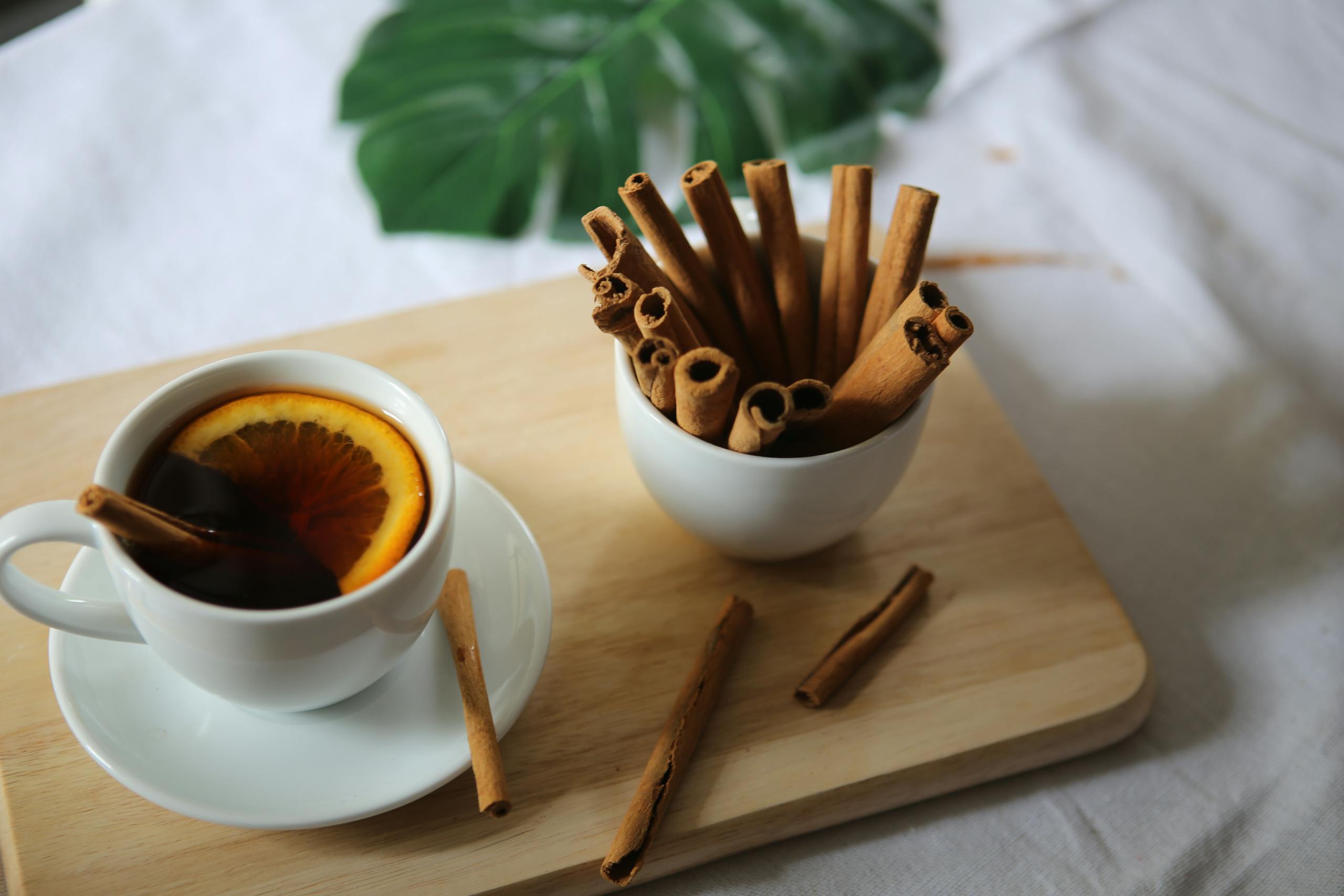
Cinnamon feels gentle because it pairs well with coffee, pastries, oatmeal, curries, and holiday desserts. It smells warm, sweet, and comforting, so many people assume more cinnamon must mean more benefit.
Still, cassia cinnamon, the cheaper and more common type, contains coumarin, a compound that may stress the liver when consumed heavily.
In small kitchen amounts, cinnamon is usually not a problem for most people. The concern grows when people use large daily amounts, take cinnamon supplements, or add heaping spoonfuls to drinks in the name of wellness. A spice can still be natural and powerful at the same time.
The risk is higher for people with liver problems or anyone already taking medication that affects the liver. A casual sprinkle is different from making cinnamon a daily high-dose habit. Ceylon cinnamon is often a better option for people who use cinnamon often because it contains much lower coumarin levels.
Green Potatoes Can Contain Solanine
A green potato is not just an ugly potato. That green color can signal exposure to light and a possible rise in glycoalkaloids such as solanine.
Potatoes produce these compounds as a natural defense, but high levels can cause headaches, vomiting, diarrhea, stomach pain, and nervous system symptoms.
The bitter taste is another warning sign. If a potato tastes sharp, harsh, or unpleasant after peeling and cooking, it should not be ignored.
People sometimes try to save every part of a potato, but a heavily green or badly sprouted potato is not worth the risk.
Potatoes stay safer when stored in a cool, dark, dry place away from sunlight. Small green spots can be cut away deeply, but potatoes that are mostly green, soft, shriveled, or damaged should be thrown out. A cheap kitchen staple becomes safer when storage is taken seriously.
Nutmeg Can Become Toxic in Large Amounts
Nutmeg adds a warm, deep flavor to cakes, sauces, custards, eggnog, and holiday drinks. In normal cooking amounts, it is safe for most people and adds richness without causing trouble.
The danger arises when someone consumes large amounts, especially as a dare, a home remedy, or a reckless experiment.
Nutmeg contains myristicin, which can affect the nervous system. Too much can cause hallucinations, confusion, a fast heartbeat, dry mouth, dizziness, nausea, agitation, and severe drowsiness.
The experience can last for many hours and may feel frightening rather than amusing.
This is one spice that should stay in tiny pinches, not spoonfuls. Its strength is exactly what makes it work so well in desserts and drinks. A little nutmeg brings warmth, but too much can turn a cozy recipe into a toxic mistake.

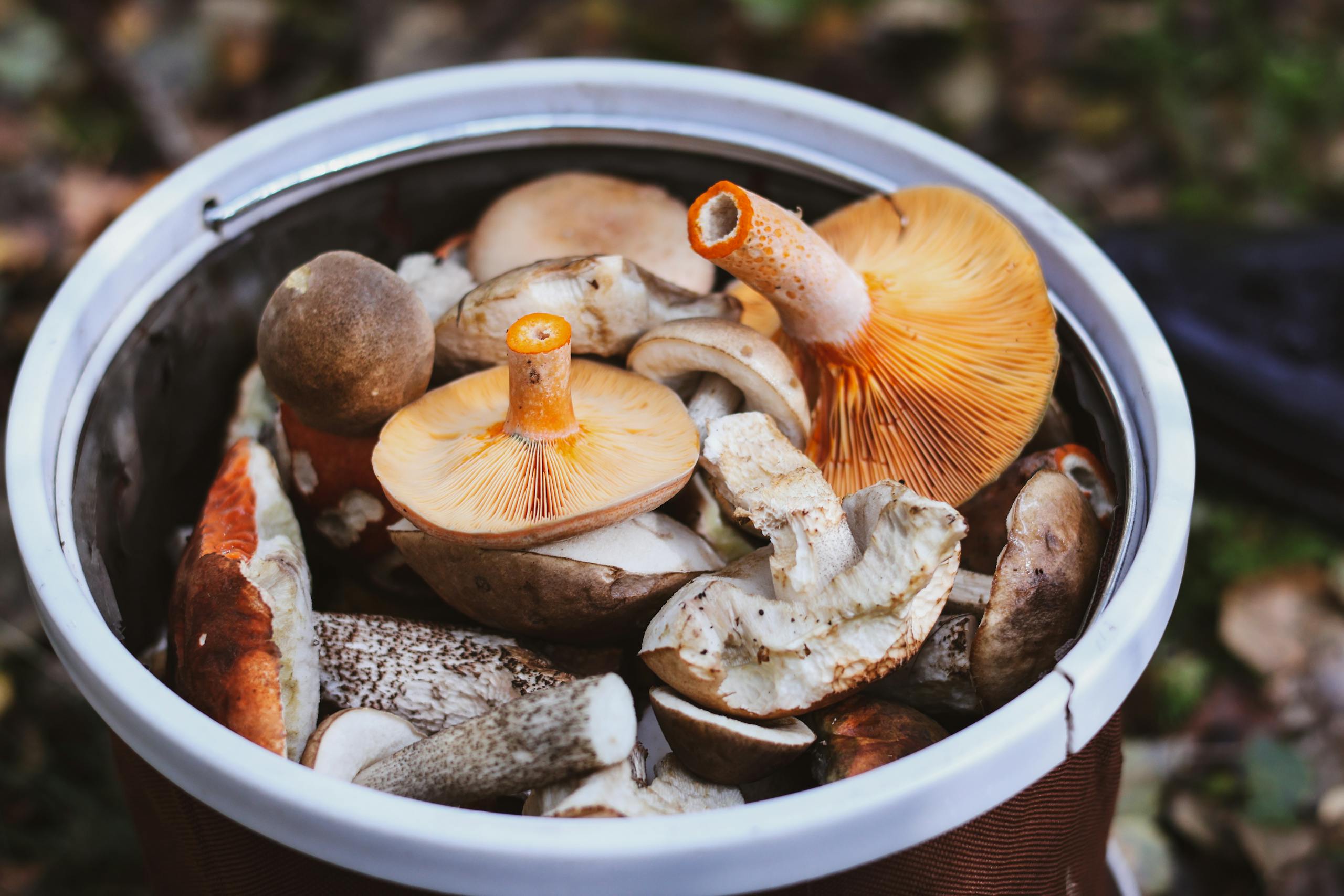
Wild Mushrooms Can Be Deadly Even When They Look Edible
Mushrooms are delicious, earthy, and beloved in soups, sauces, stir-fries, and grilled dishes. Store-bought mushrooms are generally safe when fresh and properly stored.
Wild mushrooms are a different story because some poisonous varieties look almost identical to edible ones.
A mistake can lead to liver failure, kidney damage, coma, or death. The most dangerous part is that symptoms may not appear immediately, which can create a false sense of safety after the meal. By the time a person feels seriously ill, the toxin may already be damaging internal organs.
Foraging requires real expertise, not guesswork. Photos, apps, and casual advice are not enough when the wrong mushroom can be fatal. Unless a trained expert identifies the mushroom, it should not go near the frying pan.
Mango Skin Can Trigger Severe Reactions
Mango flesh is sweet, juicy, and safe for most people. It is one of those fruits that feels like sunshine in food form, especially when ripe and chilled.
The skin is where some people run into trouble, because mango peel, sap, and leaves can contain compounds similar to those in poison ivy.
Sensitive people may develop itching, swelling, redness, or blistering after handling mango skin. Some react around the mouth after eating a mango that was not peeled carefully.
Others only notice the problem after touching the peel and then rubbing their face or eyes.
Anyone who gets a rash after eating mango should avoid handling the skin directly. Peeling with gloves, washing the fruit before cutting, and keeping the sap away from the lips can reduce the risk. Mango is still a beautiful fruit, but for sensitive people, the peel deserves respect.
Moldy Sweet Potatoes Can Become Unsafe
Sweet potatoes are usually seen as healthy comfort food, especially when roasted, mashed, baked, or turned into fries.
They are naturally sweet, colorful, and packed with satisfying texture. But mold changes the story quickly, especially when the tuber develops soft spots, dark patches, strange smells, or visible growth on the skin.
Once rot spreads, cutting away one section may not make the rest safe. Mold can travel deeper than it appears on the surface, and spoiled sweet potatoes may develop compounds that are not worth gambling with. A sweet potato that smells musty, sour, or rotten should go straight into the bin.
The best rule is simple. If it looks badly spoiled, feels mushy, or smells strange, throw it out. Saving one tuber is not worth risking stomach illness or exposure to harmful toxins.
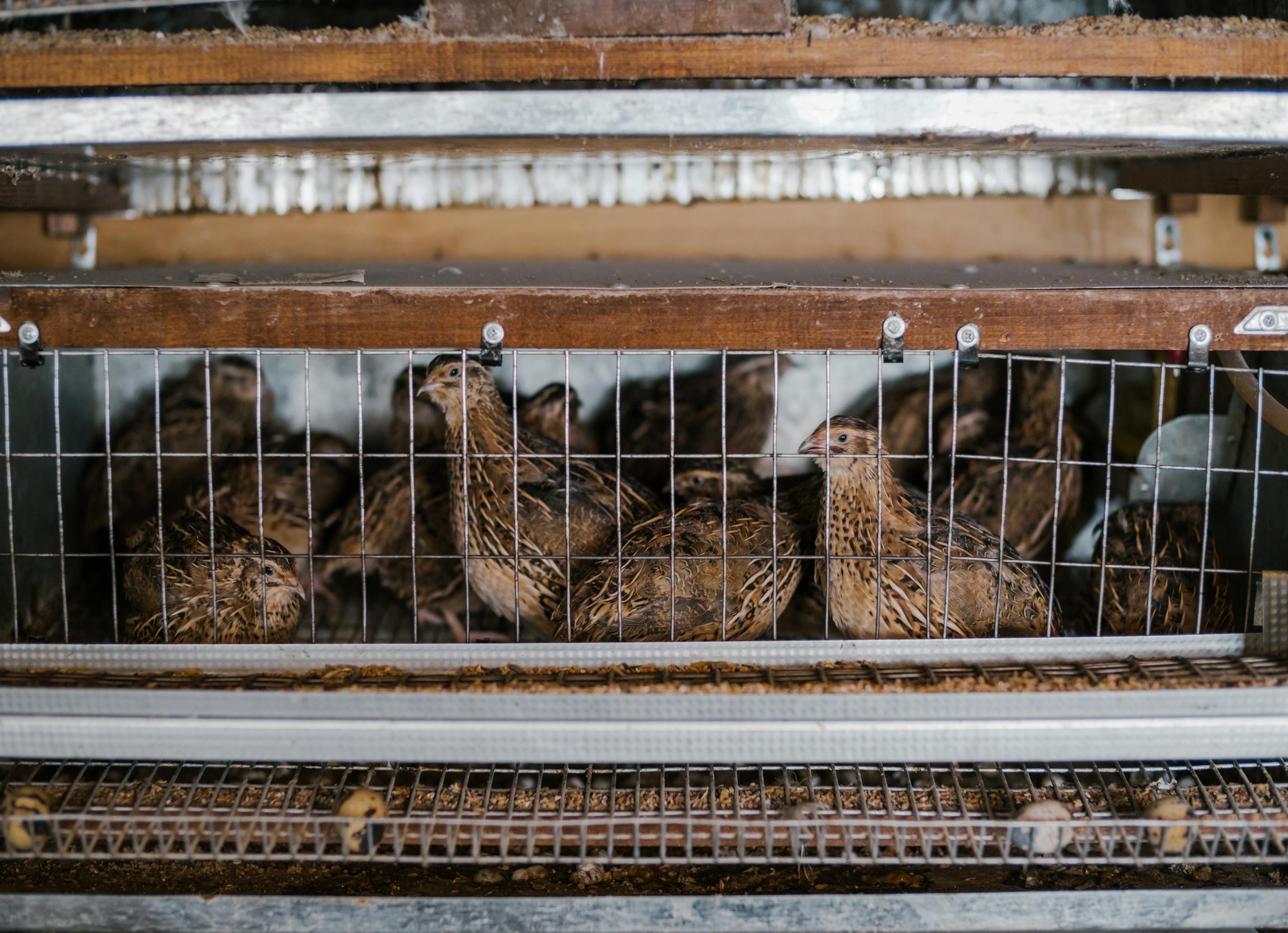
Quail Can Cause Rare Poisoning
Quail poisoning, also called coturnism, is rare but has occurred throughout food history. The issue is not usually the quail itself. The problem may come from toxic plants the bird eats during migration, which can leave harmful substances in the meat.
People who eat affected quail may experience vomiting, muscle pain, weakness, and other serious symptoms. In some cases, the symptoms can feel confusing because they do not resemble ordinary food poisoning. This is why rare food reactions can be hard to trace back to the meal.
Most diners will never face this risk, especially when buying regulated meat from trusted sources. Hunters and wild-game lovers should be more aware, as wild birds pose greater uncertainty. Food can carry the story of what it ate before it reached the plate.
Conclusion
These foods are not automatically dangerous, and most people eat them safely every day. The danger begins when basic food safety rules are ignored.
Beans need proper boiling, cassava needs careful processing, sprouts need caution, potatoes need good storage, and wild mushrooms need expert identification.
A smart kitchen does not run on fear. It runs on respect. When we understand how ordinary foods can turn risky, we protect ourselves without giving up the meals we love.
The real lesson is simple enough to remember. Natural does not always mean harmless, familiar does not always mean foolproof, and delicious does not always mean safe in every form. Good food becomes safer when we give it the attention it deserves.