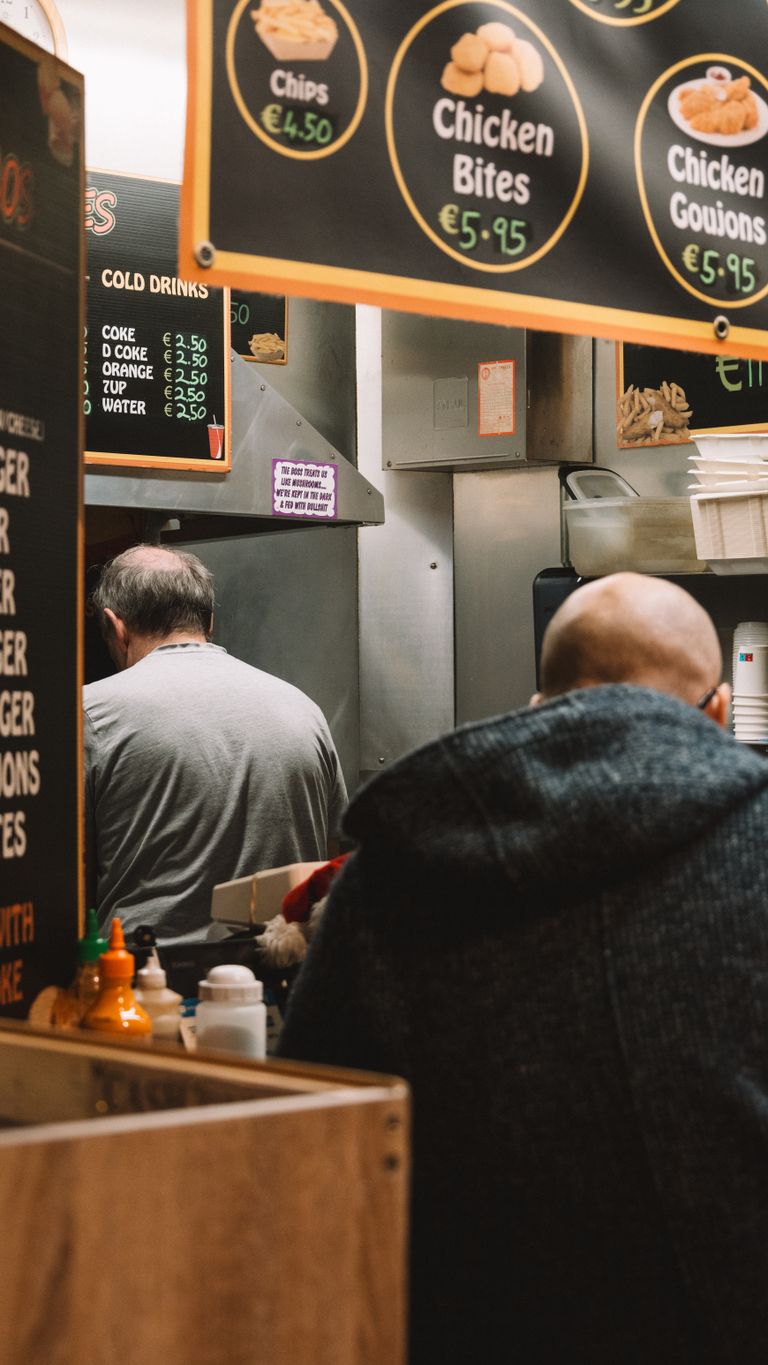
You want a burger with a browned crust, a tender middle, and a bun that holds it all together.
Instead, you get a pale, tightly packed patty, surrounded by more bread than beef. The toppings are doing their best, but they cannot fix what happened in the pan.
No single restaurant burger can be copied. A thin smash burger and a thick tavern-style patty need different approaches. Still, the details that shape a good burger begin well before the first flip.
Check these seven mistakes before your next batch.
Choosing Beef That’s Too Lean for the Result You Want
The ground beef package is your first cooking decision.
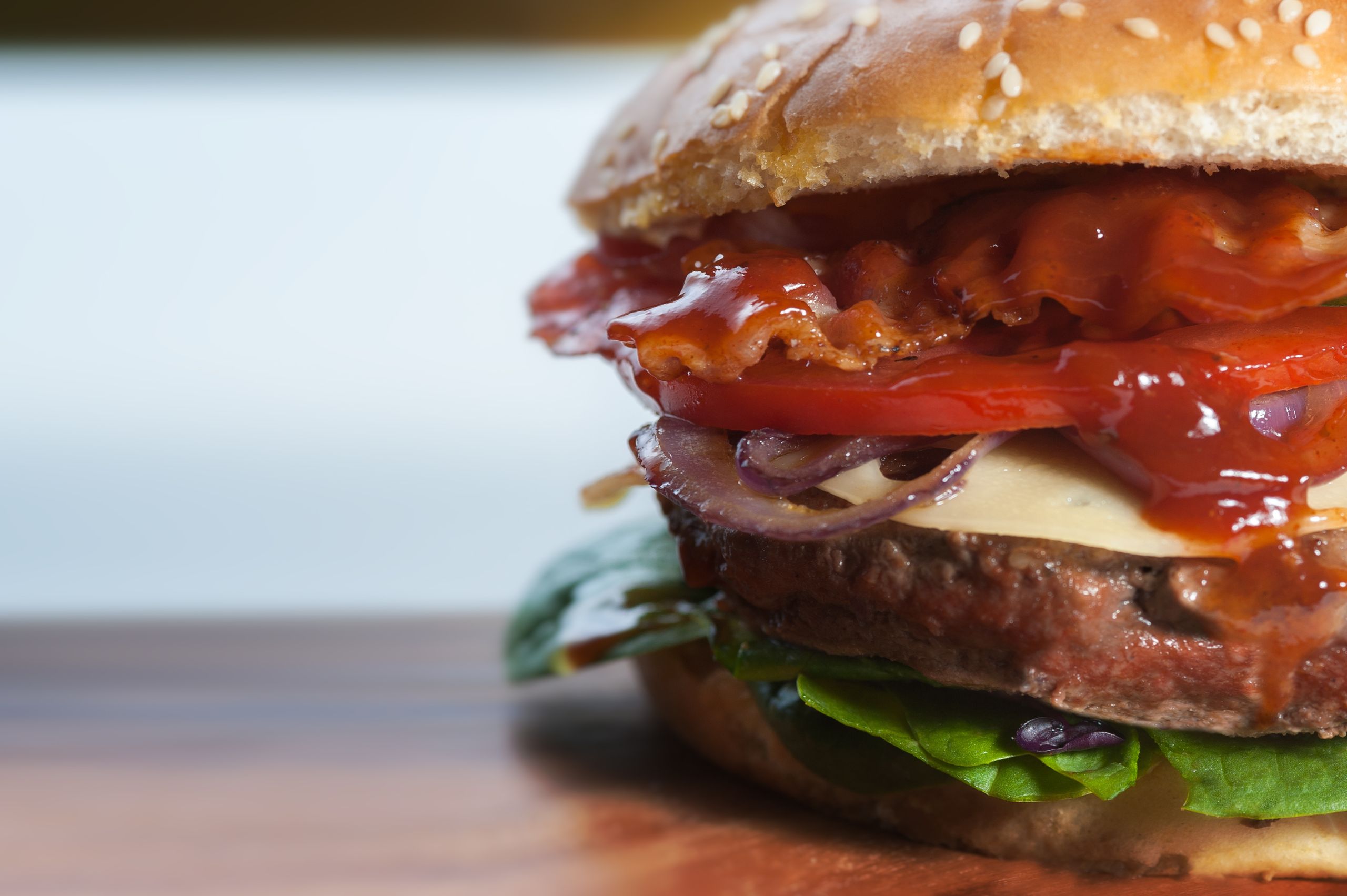
For a traditional juicy beef burger, 80/20 ground beef is a useful starting point. That means 80% lean meat and 20% fat, not a particular cut of beef.
In Food & Wine’s chef-reported guide to burger mistakes, chef Michael Schlow recommends that ratio and cautions that leaner beef can produce a drier burger.
Lean beef is not automatically a failed dinner. But if you are chasing the richness of a classic restaurant-style burger, choosing a very lean blend changes your starting point.
Check the label before reaching for extra toppings to compensate.
Packing the Patty Too Tightly
A burger patty doesn’t need the thorough mixing you give meatballs.
Repeated squeezing and kneading can make it dense. Shape the beef gently, using enough pressure to hold it together without compressing it into a firm puck.
Divide the meat first, then gently form each portion. Once the patty holds its shape, stop adjusting it.
For a straightforward beef burger, you also do not need eggs or breadcrumbs to bind the mixture. Keep it simple; don’t treat the meat like a mixture that needs extensive kneading.
The goal is a cohesive patty, not a perfectly polished one.
Mixing Salt Into the Beef
Salt belongs on a burger. Where and when you add it can affect the texture.
Mixing it through raw ground beef encourages a tighter, denser structure. It also adds another round of handling before the patties are formed.
The Kitchn’s guide to salting burgers recommends seasoning the outside as close to cooking time as possible, drawing on J. Kenji López-Alt’s testing of salt’s effect on ground beef.
For a tender, loosely formed patty, shape first. Prep the cooking surface, then season the exterior just before cooking.
This small change requires no special ingredients or equipment.
Rushing the Preheat
Good browning starts with a cooking surface that is ready for the meat.
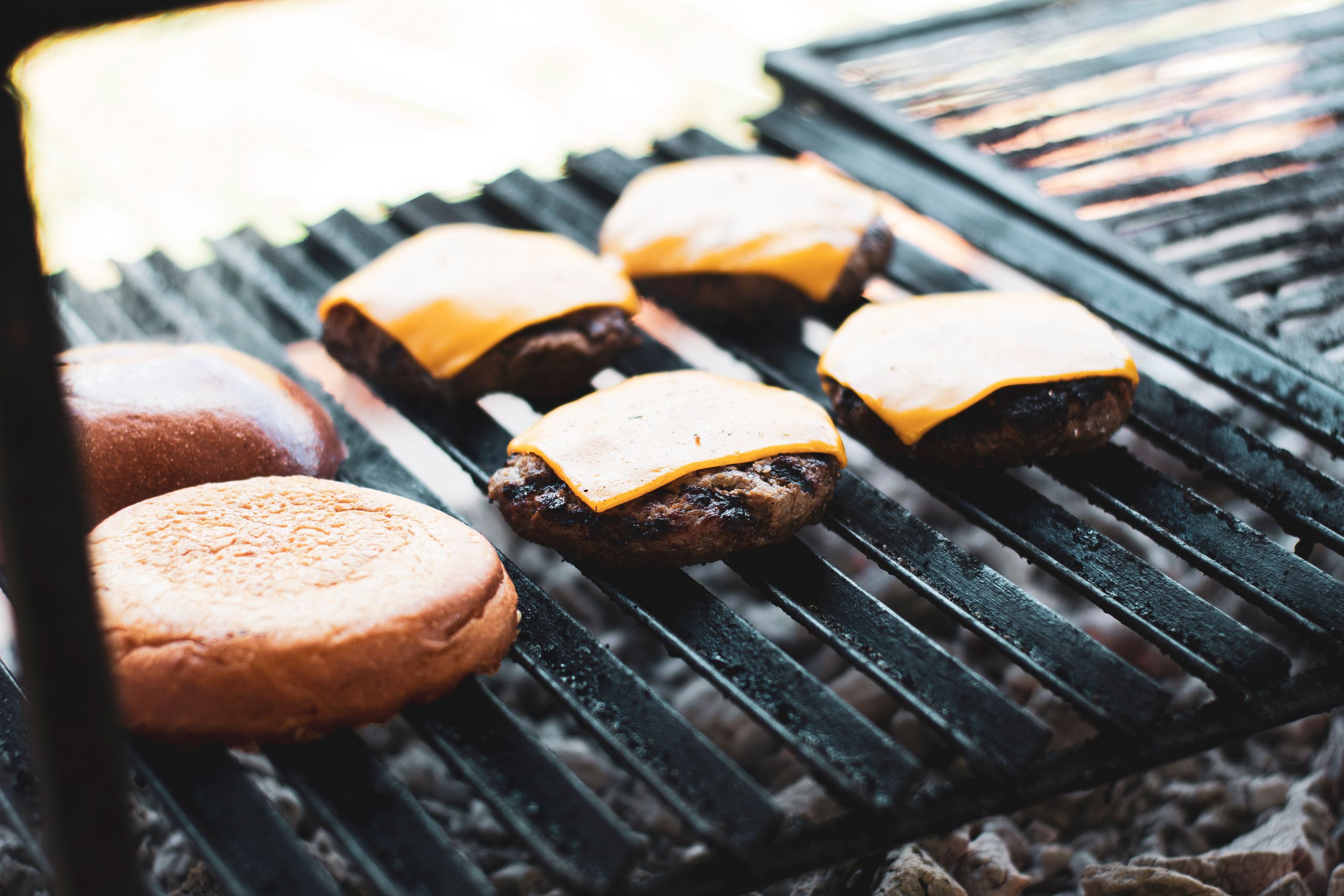
If you put the patties in before the pan or grill has heated sufficiently, you make it harder to develop the browned exterior you want. Preheating is one of the steps chefs emphasize when discussing better burgers.
Give your equipment time to heat up rather than turning on the heat and immediately adding the beef.
That doesn’t mean every pan should be heated until smoking or every grill needs the same preheating schedule. Follow your cookware and appliance instructions.
Think browning, not maximum heat at any cost. You want a well-colored surface, not a burned exterior that distracts from the burger.
Related:10 Delicious Cheese Types Perfect for Boards and Cooking
Pressing a Thick Patty While It Cooks
The spatula presses down. The burger sizzles louder. It feels productive.
But pressing a thick patty while it cooks forces out fat and moisture. That extra sizzle is not necessarily an improvement.
Use the spatula to turn the burger, not repeatedly flatten it.
Smash burgers are a separate technique. The initial firm press against a hot cooking surface is meant to create a thin patty with deeply browned edges. That is different from squeezing a partly cooked thick burger.
Choose the style before you begin. A thick burger does not become a proper smash burger through a series of mid-cook presses.
Ignoring How the Patty Fits the Bun
A raw patty that matches the bun exactly may not fit as well once cooked.
Beef patties shrink during cooking, so allow some extra width when shaping a conventional thick burger. A shallow indentation in the center can also help counter the tendency to swell in the middle.
Keep portions similar in size so they are easier to manage together. But don’t force every burger to the same weight. A thin griddled burger and a substantial pub-style burger are different projects.
Check doneness with a thermometer rather than relying on appearance. USDA’s official guidance specifies 160°F for ground beef. For thin patties, insert the probe sideways or at an angle.
Treating the Bun as an Afterthought
The patty gets all the attention, then lands on an unprepared bun.
Give the bread a deliberate place in the process. Toast the cut sides, add butter if you like, and watch closely so browning doesn’t become burning. Chefs identify the bun as part of the burger’s flavor and texture, not merely its holder.
Have buns and toppings ready before the patties finish. If you let cooked burgers sit briefly, keep them off the bread so it doesn’t absorb the released juices.
A carefully cooked patty deserves a bun prepared with the same attention.
Start With the Mistake You Recognize
You do not need to change everything at once. Perhaps your patties need gentler shaping. Perhaps you salt the mixture early, rush the preheat, or forget the bun until the last second.
Choose one habit to change and pay attention to the result.
Instead of chasing an exact copy of a restaurant burger, what if your next cookout became the beginning of the burger everyone asks you to make again?