Some of the world’s most popular foods could land you in trouble if you try bringing them into the United States. A chocolate egg sold in European supermarkets, a famous Scottish dish, and even a luxury seafood delicacy all face restrictions under American laws.
What makes these rules interesting is that the foods aren’t necessarily unusual in their home countries. Some have been enjoyed for generations and remain central to local traditions. Yet U.S. regulators have raised concerns about food safety, hidden objects, harmful toxins, and endangered wildlife.
The restrictions aren’t always complete bans. Some foods are prohibited in their traditional form, while others require special processing, permits, or approved suppliers. Here are eight foods that show just how differently countries can approach what ends up on the dinner table.
Kinder Surprise Eggs
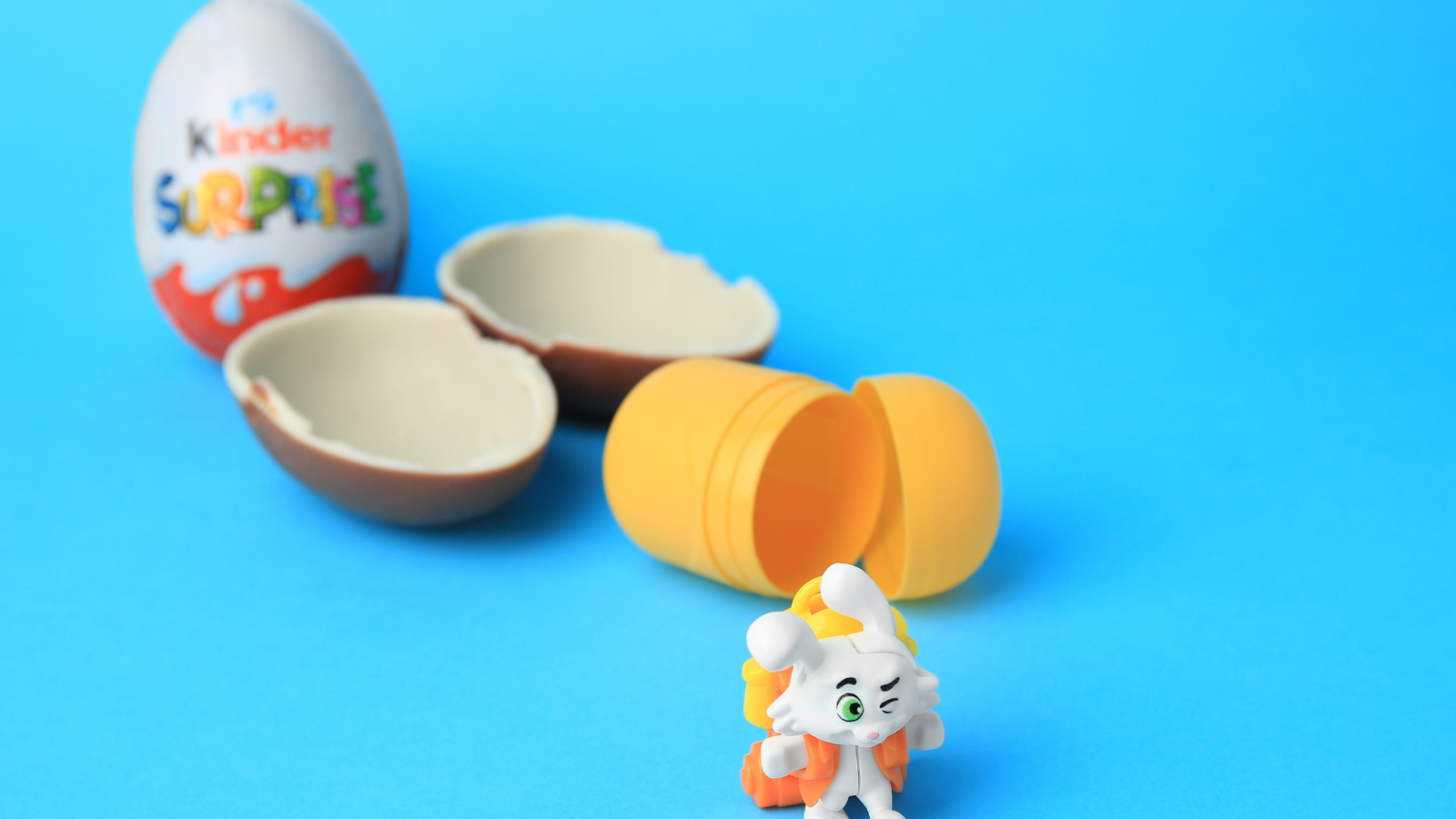
Kinder Surprise eggs are a childhood favorite in many European countries. The treat looks like an ordinary chocolate egg, but breaking it open reveals a plastic capsule containing a small toy.
That little surprise is exactly why the traditional version cannot legally be imported or sold in the United States.
American food regulations generally prohibit candies containing embedded nonfood objects. The Food and Drug Administration considers these items a choking risk, especially if children accidentally swallow them.
Under FDA Import Alert 34-02, Kinder Surprise eggs fall under restrictions on confectionery products containing nonfood components.
Interestingly, Americans can still buy Kinder Joy, a similar product that keeps the chocolate and toy in separate compartments.
The difference might seem small, but it matters under U.S. law. Chocolate with a hidden toy is restricted, while a product with separate compartments can be sold legally.
For travelers visiting Europe, the original Kinder Surprise remains one of those familiar treats that cannot simply be brought back home.
Traditional Scottish Haggis
Haggis is one of Scotland’s most recognizable dishes, especially during Burns Night celebrations. Traditionally, it combines sheep’s heart, liver, and lungs with oatmeal, onions, spices, and other ingredients.
People cook the mixture in a casing and usually serve it with mashed potatoes and turnips.
Although the ingredients might sound unusual to some Americans, haggis has a long history in Scottish cooking.
Unfortunately, the traditional recipe runs into a major problem under American food regulations.
The USDA prohibits using livestock lungs for human consumption. Under 9 CFR 310.16, these organs cannot be saved for human food.
Since sheep’s lungs are a traditional ingredient in haggis, the authentic version cannot be commercially produced or imported for American consumers.
However, this doesn’t mean haggis itself is completely unavailable in the United States.
Some producers make American-friendly versions using other permitted ingredients. These alternatives allow people to experience something similar without violating the restrictions.
Still, anyone hoping to try the traditional Scottish recipe may find that visiting Scotland offers a more authentic experience.
Casu Marzu Cheese
Italy is famous for its cheeses, but one traditional Sardinian variety stands apart from almost everything else.
Casu marzu is a sheep’s milk cheese that contains live insect larvae.
The larvae help break down the cheese, creating an exceptionally soft texture and a strong flavor.
Although the preparation might surprise visitors, casu marzu is deeply rooted in Sardinian food traditions.
The problem is that the same process that makes the cheese distinctive also raises food-safety concerns.
Traditional casu marzu doesn’t meet U.S. commercial food safety requirements, making it unsuitable for legal importation and sale in that form.
These restrictions aren’t unique to America. A 2024 European Parliament document discusses the prohibition on producing and marketing the cheese under European food regulations.
Despite these restrictions, casu marzu remains part of Sardinia’s culinary heritage, particularly in private and informal settings.
It’s an interesting example of how a traditional food can remain culturally important even when commercial food laws prevent its sale.
Fresh Ackee Fruit
Ackee is a treasured part of Jamaican cuisine, particularly when served with saltfish.
The combination of tender ackee, salted fish, onions, peppers, and seasonings is widely associated with Jamaican breakfast traditions.
But despite its popularity, strict American import regulations govern ackee.
The concern is a naturally occurring toxin called hypoglycin A.
According to the FDA, unripe ackee contains high concentrations of this toxin, which can cause serious illness. The fruit’s seeds and rind remain dangerous even after it ripens.
Consumers must properly ripen and prepare the edible portion before consumption.
The FDA’s Import Alert 21-11 explains that it may detain ackee products from suppliers without demonstrated safety controls when they enter the United States.
However, ackee is not completely banned.
Properly processed canned and frozen products from qualifying manufacturers can be legally imported and sold in American grocery stores.
This matters especially for Caribbean communities in the United States, where ackee remains a familiar ingredient.
The restriction mainly ensures imported products meet food safety standards rather than preventing Americans from enjoying Jamaican cuisine.
Young Raw-Milk Cheeses
France and other European countries have long traditions of making cheese from unpasteurized milk.
These cheeses are sometimes prized for their distinctive textures, aromas, and flavors, especially when made using traditional methods.
However, some younger raw-milk cheeses cannot legally be sold in the United States.
American food regulations generally require raw-milk cheeses to be aged for at least 60 days before sale, with some varieties subject to additional requirements.
The rule is intended to reduce the risk of harmful bacteria associated with unpasteurized milk.
According to the FDA’s guidance on dairy manufacturing, permitted raw-milk cheeses must meet specific aging and safety requirements.
This creates difficulties for traditional cheeses that are intended to be enjoyed fresh or after only a short ripening period.
For example, a European cheese made with raw milk and traditionally aged for just a few weeks may not qualify for sale in America.
That doesn’t mean Americans are prohibited from enjoying European cheeses altogether.
Many cheeses are imported legally, including pasteurized-milk products and raw-milk varieties that meet U.S. requirements.
The difference comes down to production methods and aging periods, not the country of origin.
Japanese Fugu
In Japan, fugu is considered a special dining experience.
The dish is prepared from pufferfish and may be served as sashimi, in soup, or as part of an elaborate restaurant meal.
Its reputation comes partly from the danger associated with certain parts of the fish.
Some pufferfish contain tetrodotoxin, a powerful toxin that can cause severe poisoning.
Because of this risk, preparing fugu requires specialized training and careful handling.
American regulators impose strict restrictions on importing the fish.
Under the FDA’s Import Alert 16-20, pufferfish shipments generally cannot enter the United States unless they qualify under a specific agreement with Japanese authorities.
That agreement allows limited imports of specially prepared Japanese tiger pufferfish under strict conditions.
So fugu isn’t entirely banned in America, but it cannot be freely imported or sold like ordinary seafood.
For travelers interested in Japanese cuisine, fugu is a traditional dish much more closely associated with dining in its country of origin.
Beluga Caviar
Few foods are as strongly associated with luxury as beluga caviar.
These prized fish eggs come from the beluga sturgeon, a species historically found in the Caspian and Black Sea regions.
Beluga caviar has attracted wealthy diners for generations, but its popularity has also contributed to serious conservation concerns.
Beluga sturgeon grow slowly and take years to reach reproductive maturity. Combined with overfishing and other environmental pressures, this has made protecting the species especially important.
In 2005, the U.S. Fish and Wildlife Service suspended imports of beluga sturgeon caviar and meat originating from countries around the Caspian Sea. Restrictions were also imposed on products originating from the Black Sea region.
The agency said these measures were necessary because the exporting countries had not met applicable conservation requirements.
These restrictions do not mean all types of caviar are banned in America.
Caviar from other sturgeon species, including qualifying farm-raised varieties, can still be legally sold when it meets wildlife protection and trade requirements.
For shoppers, the key difference is the caviar’s species and origin, not its luxury reputation.
Certain Types of Bushmeat
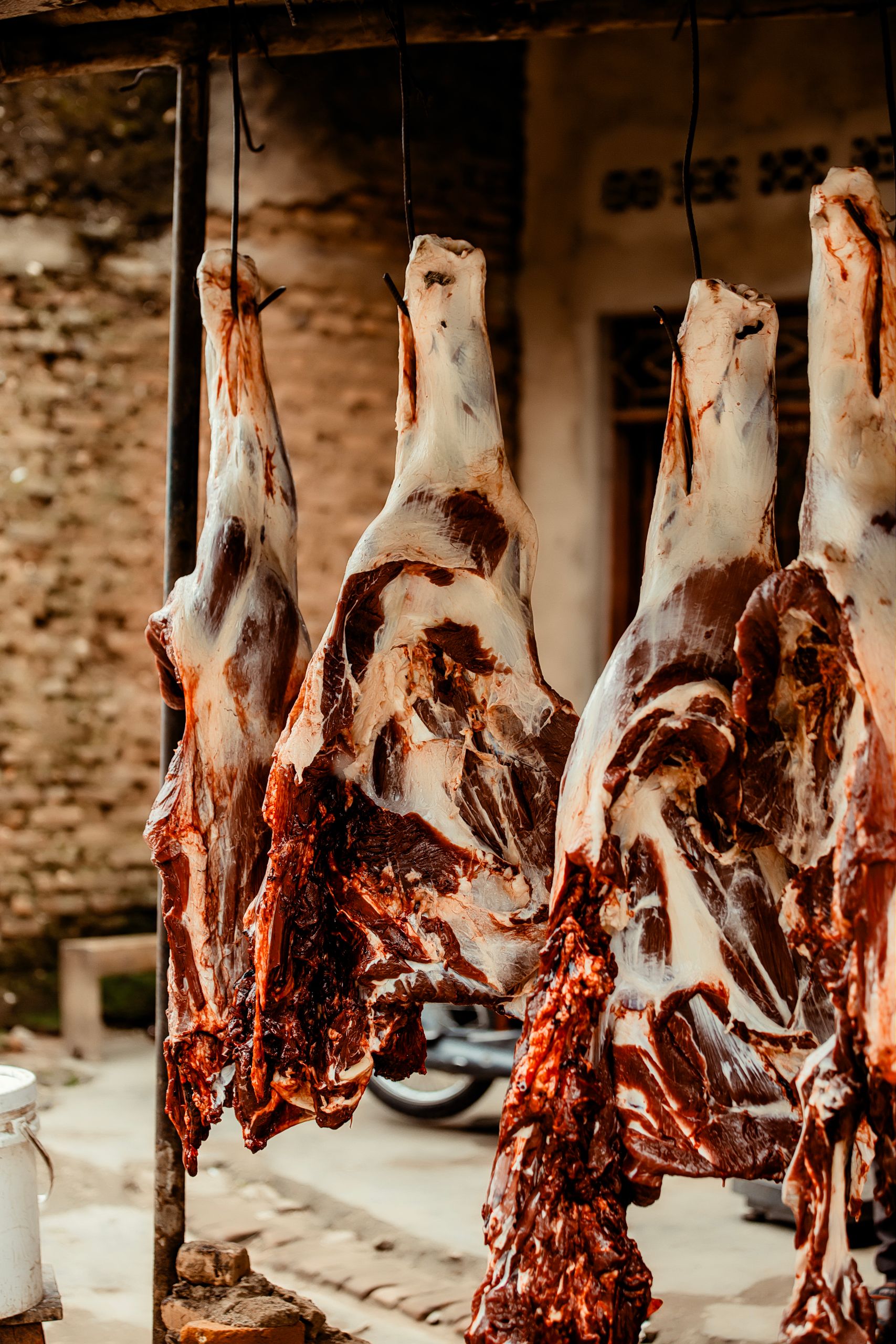
Traditional dishes made with wild-animal meat can be found in several regions around the world, including parts of Africa.
Depending on the community, people may prepare these foods by roasting, smoking, boiling, or adding the meat to stews.
Some varieties have strong cultural connections to local cooking practices.
However, federal import restrictions prohibit bringing bushmeat into the United States.
The Centers for Disease Control and Prevention defines bushmeat as meat from certain wild animals, including bats, monkeys, apes, and some rodents.
These products can carry infectious diseases, and smoking or drying the meat does not necessarily eliminate the risks.
According to CDC guidance, officials can confiscate and destroy bushmeat found at American ports of entry. Travelers may also face substantial fines.
The restrictions do not apply equally to every wild animal or every type of game meat.
Some legally sourced game meats can be purchased and consumed in America. The rules depend on the species, origin, and relevant public health and wildlife regulations.
Still, travelers who enjoy traditional wild-meat dishes overseas should not assume they can bring those foods back in their luggage.
Why Does America Restrict Foods That Other Countries Enjoy?
It may seem surprising that something commonly eaten abroad can be difficult or illegal to buy in the United States.
However, American food restrictions generally fall into several categories.
Some focus on preventing foodborne illness or exposure to harmful substances. Others address choking hazards, agricultural risks, or the protection of endangered species.
The responsible agencies also vary by product.
The FDA oversees many food safety issues, the USDA regulates livestock meat and certain agricultural products, and the U.S. Fish and Wildlife Service enforces wildlife protection requirements.
This explains why the restrictions are so different.
Kinder Surprise eggs face restrictions because of the toys embedded inside. Traditional haggis is affected by rules concerning livestock lungs. Certain raw-milk cheeses must meet aging requirements, while beluga caviar faces conservation-related trade controls.
Eating a food is also different from importing it.
A food might be legal to consume in another country but restricted from commercial sale. Another product might be legal in the United States only when it meets specific preparation or import requirements.
For that reason, travelers should always check the rules before packing unfamiliar foods for their return journey.
Final Thoughts
Food offers one of the most enjoyable ways to experience another culture. From Scotland’s traditional haggis to Japan’s carefully prepared fugu, many dishes tell stories about history, local ingredients, and generations of culinary tradition.
But enjoying these foods overseas doesn’t automatically mean Americans can legally buy or import them at home.
Some face complete restrictions in their traditional form, while others can enter the United States only through approved channels.
Before bringing food souvenirs home, check current customs and import requirements to avoid unexpected confiscations or penalties.
After all, sometimes the most interesting part of trying a new food isn’t just how it tastes. It’s discovering why something considered perfectly familiar abroad faces such different rules in America.