Some foods look innocent until we learn what they are hiding. A shiny tropical fruit, a cozy spice, a humble bean, or a bowl of cornmeal can carry a backstory that sounds more like a warning label than dinner conversation. The strange part is that many of these foods are perfectly safe when people prepare them the right way.
That is where the real story begins. Food is full of tiny rules that most of us never think about. Boil this long enough. Do not eat that raw. Keep this away from babies. Avoid this if your kidneys are weak. Once we know the secrets, the kitchen starts to feel less ordinary and a lot more fascinating.
Star fruit is beautiful, but it can turn dangerous fast.

Star fruit looks like the friendliest fruit in the bowl. It slices into perfect little stars, tastes bright and tangy, and instantly makes a plate look tropical. For most healthy people, it is simply a refreshing snack. For people with kidney disease, though, this pretty fruit can become risky in a hurry.
The danger comes from compounds that weak kidneys may struggle to filter. That can lead to confusion, hiccups, seizures, and even serious poisoning in vulnerable people. The scariest part is that it does not always take a huge amount. A few slices or a glass of juice may cause trouble for someone with poor kidney function. Star fruit proves that a food can be harmless to one person and dangerous to another.
Lima beans have a raw secret nobody wants on their plate.
Lima beans sound like the least dramatic food in the world. They sit quietly beside rice, vegetables, and comfort meals without causing much excitement. Yet raw lima beans contain natural compounds that can release cyanide if handled the wrong way. That makes them a perfect example of a boring food with a shocking secret.
The good news is simple. Cooking solves the problem. Boiling lima beans properly breaks down the risky compounds and turns them into a safe, filling, protein-rich food. The trouble starts when people treat dried beans casually and do not cook them long enough. Lima beans are not dangerous because they are beans. They become dangerous when someone skips the most important step.
Ackee must open naturally before it belongs in a meal.
Ackee is famous in Jamaican cooking, especially in the beloved dish ackee and saltfish. At the right stage, it is creamy, rich, and deeply tied to Caribbean food culture. But ackee has one strict rule that nobody should ignore. It must ripen naturally and open on its own before anyone eats the edible parts.
Unripe ackee can contain dangerous levels of hypoglycin A, a toxin that can cause severe vomiting, low blood sugar, coma, and death. Cooking does not fix unripe ackee, which makes the ripeness rule even more important. This fruit is not one of those foods where heat saves the day. With ackee, timing matters more than confidence.
Cassava feeds millions, but it demands respect.
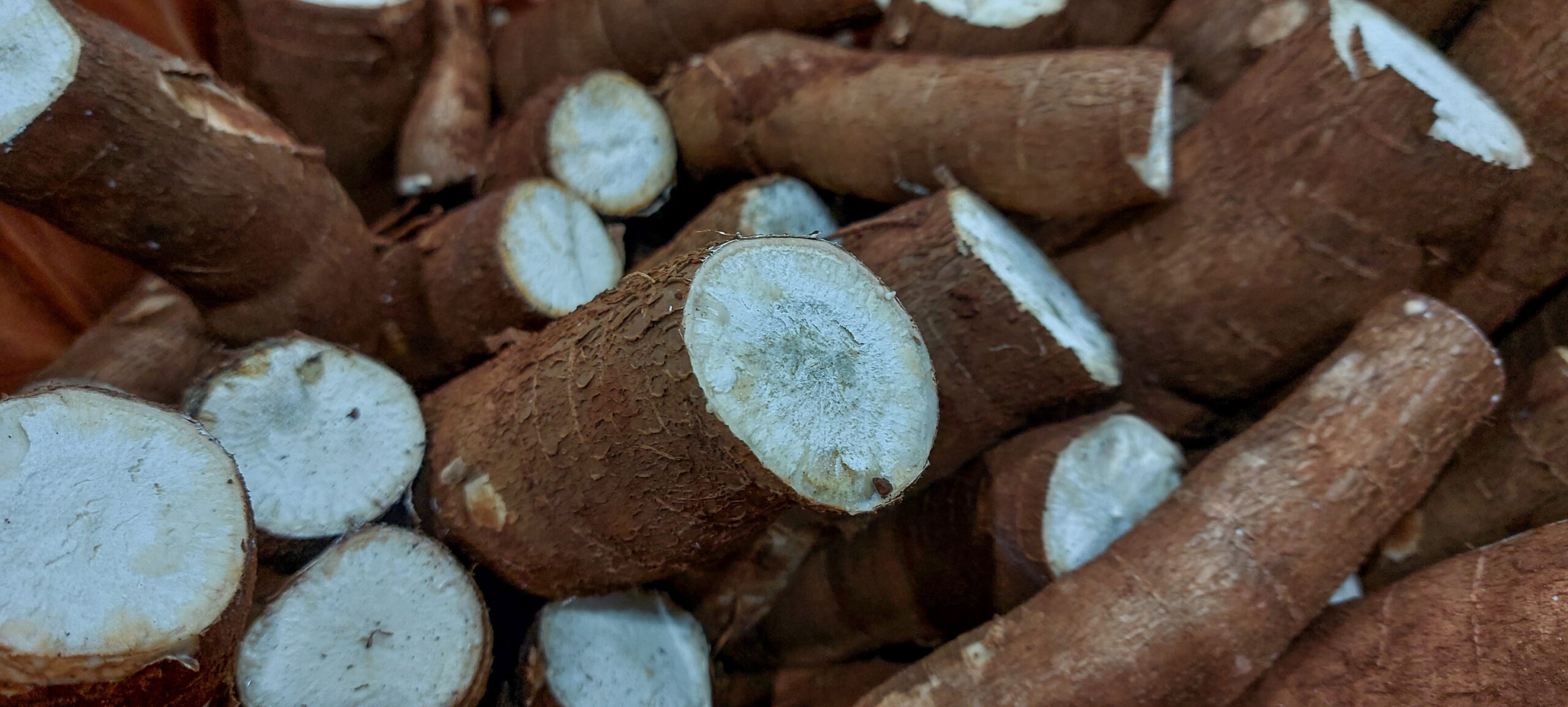
Cassava is a lifesaver in many parts of the world. It grows in tough soil, survives difficult weather, and gives families a reliable source of energy. That makes it one of the most important staple crops on earth. Still, cassava also carries natural cyanide-producing compounds that must be reduced before the root is eaten.
Traditional preparation methods exist for a reason. Soaking, drying, scraping, fermenting, and cooking all help make cassava safer. Problems happen when people rush the process or use bitter varieties without proper detoxing. Cassava is not a food to fear, but it is a food to respect. It reminds us that survival crops often come with survival knowledge.
Green potatoes are trying to warn you.
A green potato is not just a potato with bad lighting. That green color can be a warning sign that the potato has been exposed to too much light. Light exposure can raise levels of natural toxins called glycoalkaloids, especially near the skin, sprouts, and damaged areas. These compounds can give potatoes a bitter taste and cause nausea, vomiting, cramps, and diarrhea.
This is why old, sprouting, bitter, or heavily green potatoes should not be rescued out of guilt. A small green patch can sometimes be peeled away, but a potato that looks badly affected should go straight to the bin. Potatoes may feel like indestructible kitchen staples, yet they still react to light and storage. Keep them cool, dark, and dry. That simple habit can stop a quiet problem before it starts.
Red kidney beans can wreck a meal if they are undercooked.
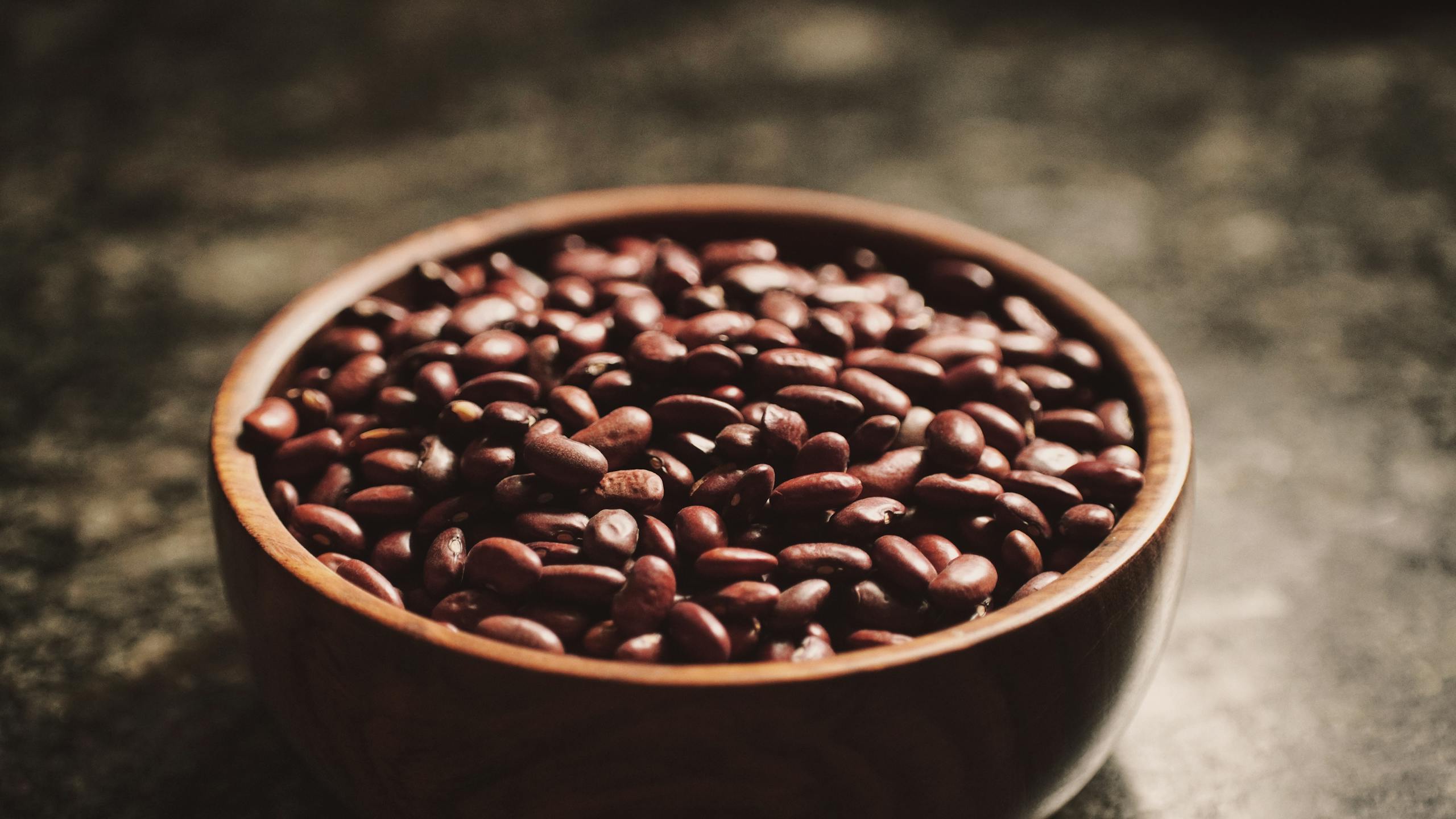
Red kidney beans are everywhere, from chili to stews to rice dishes. They look hearty, cheap, and easy to trust. Yet raw or undercooked kidney beans contain a natural toxin called phytohaemagglutinin. Eating just a few badly prepared beans can cause severe nausea, vomiting, and stomach pain.
The sneaky part is that slow cookers can make the problem worse if the beans never reach a strong boil first. Gentle heat may feel safe, but it may not destroy the toxin. Dried kidney beans need soaking, fresh water, and a proper boil before they go into the final dish. Canned kidney beans are usually safe because they have already been heat-treated. The shortcut is tempting, but the hard boil matters.
Honey is sweet, but babies should never have it.
Honey feels wholesome. People stir it into tea, drizzle it over toast, and use it as a comforting natural sweetener. That cozy image makes its hidden warning easy to miss. Babies below 12 months should not eat honey at all.
The reason is infant botulism. Honey can contain spores that an adult gut can usually handle, but a baby’s digestive system is still developing. Even a small amount can create a serious risk. That means no honey in baby food, no honey on pacifiers, and no honey mixed into drinks for infants. For adults, honey is sweet. For babies, it is a danger hiding in a golden jar.
Nutmeg can go from cozy to chaotic.
Nutmeg smells like holidays, warm desserts, and cozy kitchens. A pinch can make custard, pies, lattes, and sauces taste richer. But nutmeg has a darker side when people take it in large amounts. It contains compounds that can cause hallucinations, anxiety, rapid heartbeat, nausea, confusion, and even seizures.
The ordinary recipe amount is not the issue. The danger comes from spoonfuls, social media challenges, or people chasing a cheap high. Nutmeg poisoning can feel frightening and last for many hours. That makes it one of the strangest spices in the cabinet. A little makes dessert better. Too much can turn the body into a disaster zone.
Pufferfish are famous because one mistake can be deadly.
Pufferfish has one of the most dramatic reputations in the food world. In Japan, fugu can be served as a delicacy, but only trained professionals should prepare it. The risk comes from tetrodotoxin, a powerful poison found in certain organs and tissues of the fish. This toxin can cause numbness, paralysis, breathing failure, and death.
The terrifying part is that cooking does not destroy the toxin. Freezing, smoking, salting, or pickling will not make it safe either. That means the whole safety question depends on expert handling, proper sourcing, and strict preparation. Pufferfish is not a food for kitchen bravery. It is a reminder that some meals require more than a recipe.
Corn once caused tragedy because people forgot the old method.

Corn is one of the world’s most important foods. It feeds people, animals, and entire industries. Yet history shows that corn can create a serious nutrition problem when people rely on it too heavily without preparing it the traditional way. Indigenous communities used alkaline processing, often with lime or ash, to make corn more nourishing.
That process helped unlock niacin, also known as vitamin B3. When other communities adopted corn without that method, many people developed pellagra, a severe deficiency disease linked to skin problems, diarrhea, dementia, and death. The tragedy was not caused by corn alone. It came from losing the preparation knowledge that made corn work as a staple. Food history can be brutal when one missing step changes everything.
Rhubarb stalks are fine, but the leaves are trouble.
Rhubarb has a bright, tart flavor that works beautifully in pies, jams, and crumbles. The stalks are the part people cook and eat. The leaves are the part we should leave alone. Rhubarb leaves contain high levels of compounds that can cause poisoning if eaten.
The symptoms can include burning in the mouth, nausea, vomiting, weakness, and kidney problems in serious cases. This is why recipes always focus on the stalk and ignore the big leafy top. Rhubarb teaches a simple kitchen lesson. One part of a plant can be delicious, while another part can be dangerous. Edible does not always mean the whole plant is edible.
Durian smells wild for a reason.
Durian may be the most controversial fruit on earth. Some people love its creamy texture and rich flavor. Others say the smell is impossible to forgive. The odor can be so strong that some hotels and public transport systems in parts of Southeast Asia ban it. Durian does not whisper. It announces itself.
Its smell comes from a powerful mix of sulfur compounds and other volatile chemicals. That is why people describe it in such dramatic ways, from sweet custard to onions to old socks. Durian also has a long-standing warning attached to alcohol. Some research suggests compounds in the fruit may interfere with how the body breaks down alcohol. That does not make durian evil, but it does make the fruit more complicated than its fans sometimes admit.
Mite-ripened cheese is real, and people actually love it.

Some cheeses get their flavor from mold. Others depend on bacteria, aging rooms, salt, and time. Then there are cheeses that involve mites. Traditional cheeses like Mimolette and Milbenkäse use tiny cheese mites during the aging process. These mites help shape the rind, texture, and flavor.
That may sound horrifying if your idea of cheese begins and ends with mild supermarket slices. Still, this is a real tradition, not a kitchen accident. The mites contribute enzymes and surface changes that create a deeper, nuttier, more complex cheese. It is strange, yes. It is also part of the reason these cheeses have devoted fans. Sometimes the secret ingredient is not a spice. Sometimes it has legs.
Key takeaway
The weirdest food secrets are rarely about fear. They are about rules. Cook the beans properly. Do not eat unripe ackee. Keep honey away from babies. Skip green potatoes. Avoid star fruit if kidney disease is a concern. Respect the cassava preparation. Leave rhubarb leaves alone.
Food becomes safer when we understand the story behind it. Many ingredients carry old warnings, traditional methods, and hidden chemistry that modern eaters rarely notice. The plate may look simple, but the truth behind it can be surprisingly dramatic. That is what makes food so fascinating. Every bite has a backstory, and some of those backstories are sharper than we expect.