Leftover rice has one advantage fresh rice doesn’t: it’s already changed.
After chilling, the grains become firmer and less delicate, making them useful in dishes where texture matters. That is why yesterday’s rice can become crispy cakes, creamy desserts, stuffed peppers, hearty soups, and meals that barely resemble the dish it came from.
The mistake is thinking of leftover rice as a finished food instead of an ingredient waiting for a second role.
The idea also connects to a much larger problem. The USDA Economic Research Service estimated that 31% of the U.S. food supply at the retail and consumer levels went uneaten in 2010, representing about 133 billion pounds of food with an estimated retail value of $161.6 billion.
Rice alone will not solve America’s food waste problem. But changing how people see ordinary leftovers can make a difference. A container of cooked rice does not have to become tomorrow’s identical dinner. It can become something completely different.
Across cultures, cooks have been finding second lives for leftover rice for generations. Italy has arancini. Many Asian cuisines have rice porridge traditions. Fried rice itself was created as a practical way to transform cooked grains into a new meal.
Here are eight more ways to give leftover rice a better ending.
Crispy rice cakes
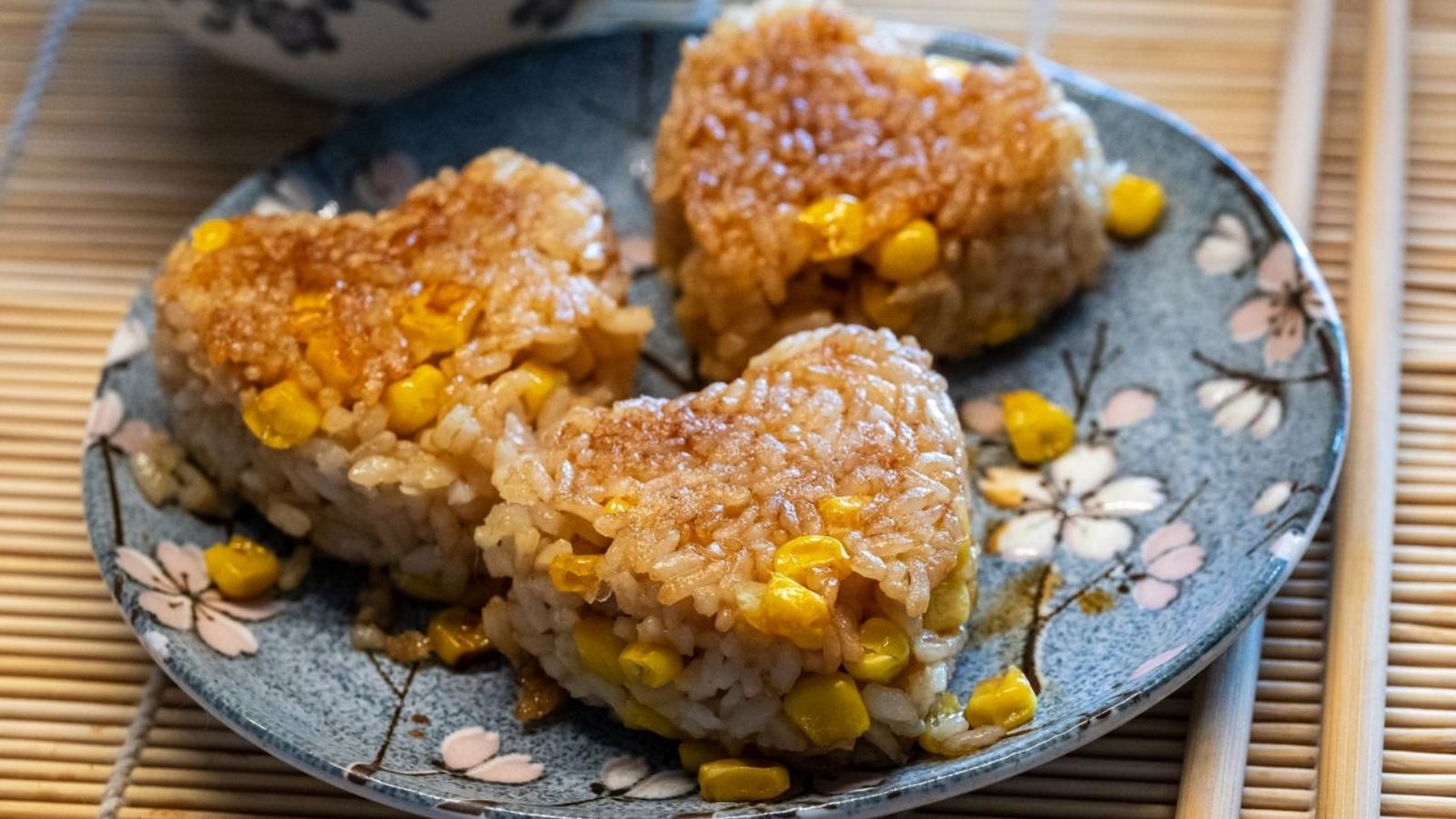
One of the best things about cold rice is that it becomes easier to shape. Instead of reheating it into another bowl of plain rice, mix in ingredients that help it bind, form it into small patties, and cook until the outside develops a golden crust.
The transformation is what makes rice cakes appealing. A container of soft grains becomes something with texture: crispy edges, a warm center, and enough structure to eat by hand.
The recipe can move in several directions. Add cheese and herbs for a savory snack. Mix in vegetables for a lighter meal. Add spices and serve them with a dipping sauce. The rice does not need to be the star ingredient. It simply becomes the foundation.
This is also one of the easiest options for small amounts of leftovers. A half-container of rice that feels too little for another dinner can become several satisfying bites.
Takeaway: FoodSafety.gov recommends refrigerating leftovers within two hours of cooking, or within one hour if temperatures are above 90°F. It also recommends using refrigerated leftovers within three to four days.
Stuffed peppers
Stuffed peppers often look like a complicated dinner project, but leftover rice removes one of the biggest steps.
The grain is already cooked, so the filling comes together quickly. Combine the rice with ingredients such as cooked meat, beans, vegetables, herbs, or cheese, then bake everything in halved peppers until the flavors meld.
The beauty of stuffed peppers is their flexibility. A small amount of rice can stretch a filling without making the dish feel heavy. More can turn the peppers into a complete meal.
It is also a clever way to use several leftovers at once. A little chicken from yesterday, a few vegetables sitting in the drawer, and a container of rice can become a dish that feels intentionally planned.
The rice’s original purpose disappears completely. It is no longer the side dish that came with dinner. It becomes part of something new.
A burrito bowl
Some leftovers need to be disguised. Others simply need better company.
Rice works especially well in burrito bowls because it becomes part of a larger combination rather than the main focus. Add beans, salsa, vegetables, cheese, avocado, cooked meat, or whatever else is available, and the rice becomes the base holding everything together.
The appeal is not just convenience. It is contrast.
Warm rice pairs with fresh toppings. Soft grains balance crunchy vegetables. A simple leftover becomes one layer in a meal with different flavors and textures.
This is why bowls have become such a practical leftover strategy. They do not require every ingredient to match perfectly. They create a place where small portions can work together.
A spoonful of rice, a little protein, and a few vegetables that might otherwise be forgotten can become lunch instead of waste.
Add it to soup for an easy comfort meal
Rice does not always need to become something crispy or heavily seasoned. Sometimes its best second life is much simpler.
Adding cooked rice to soup creates a thicker, more filling bowl without requiring much extra effort. The grains absorb surrounding flavors and add texture that makes a simple broth feel more substantial.
Chicken soup, vegetable soup, bean soup, and many other combinations work well with leftover rice.
This is especially useful after a large meal when the refrigerator contains several small leftovers that do not seem useful on their own. A little cooked chicken, some vegetables, and a container of rice can become one warm pot instead of several forgotten containers.
The trick is timing. Since the rice is already cooked, it usually needs only enough time to heat through, not hours of simmering.
A leftover ingredient that once looked ordinary can quietly become the part of the soup everyone remembers.
Tip: Rice deserves extra attention because it can contain spores from Bacillus cereus, a bacterium commonly associated with certain cooked foods.
Transform it into arancini
Some leftover recipes are designed for convenience. Others are designed to make people forget they are eating leftovers at all.
Arancini belong in the second category.
The Italian rice balls are traditionally made from leftover risotto, shaped around a filling, coated, and cooked until the outside becomes crisp while the inside stays soft and flavorful. They are a perfect example of how yesterday’s rice can become something with an entirely different identity.
The technique works because cooked rice already has the structure to hold together, especially when the grains have cooled and firmed up.
A simple version can be built around cheese, herbs, vegetables, or leftover meat. Some recipes take the idea further with creative fillings and seasonings, turning the rice into a centerpiece rather than a supporting ingredient.
The appeal is not just that arancini use leftover rice. It is that they completely change the experience of eating it.
A container that once held yesterday’s dinner becomes a crispy appetizer, snack, or main dish that feels planned from the beginning.
Fold it into a casserole
Casseroles have survived generations for a simple reason: they bring together ingredients that might not have a purpose on their own.
Leftover rice fits naturally into that tradition.
Instead of serving rice separately beside a meal, a casserole turns it into part of the structure. The grains absorb flavors from sauces, vegetables, proteins, and seasonings, creating a filling dish that can feed several people.
Chicken and rice casseroles are familiar for a reason, but the possibilities extend much further. Rice works well with broccoli, cheese, beans, roasted vegetables, or leftover proteins already in the refrigerator.
This is where leftover rice becomes especially valuable after holidays, family gatherings, or large dinners. One container may not seem significant, but combined with other ingredients, it can help create an entirely new meal.
The best casseroles do not announce that they were built from leftovers. They simply taste like comfort food.
Turn it into a creamy rice pudding
Most people think of leftover rice as something that belongs in savory dishes.
That assumption is exactly what makes rice pudding such a surprising option.
With milk, sugar, and warming spices, cooked rice can move from dinner territory into dessert. The grains soften again as they simmer, creating a creamy texture that feels completely different from the original dish.
Rice pudding has existed across many cultures for generations, appearing in different forms worldwide. Some versions highlight cinnamon and vanilla. Others use ingredients such as coconut milk, fruit, or spices that reflect local traditions.
The practical advantage is that the recipe does not require perfect rice. In fact, leftover rice often works well because it has already absorbed water during cooking.
A container that once sat beside roasted vegetables or grilled meat can become a comforting dessert the next day.
That kind of transformation is what makes leftovers interesting. The ingredient does not have to stay connected to where it started.
Give breakfast a reason to include rice
Rice is usually associated with lunch and dinner, but breakfast is where many leftovers find their most unexpected second life.
A savory breakfast bowl can combine warm rice with eggs, vegetables, herbs, or leftover proteins. A sweeter version can move closer to porridge, using milk, fruit, or spices.
Many cultures already treat rice as a breakfast staple. Congee, a rice porridge found in many Asian cuisines, shows how cooked grains can become a completely different meal when paired with the right ingredients.
The lesson is simple: rice does not have a fixed schedule.
A container from last night’s dinner does not have to wait until another dinner. It can become the first meal of the day.
Sometimes the easiest way to reduce food waste is to stop limiting ingredients to their usual role.
Related Post: The 3PM Crash Is Lying to You