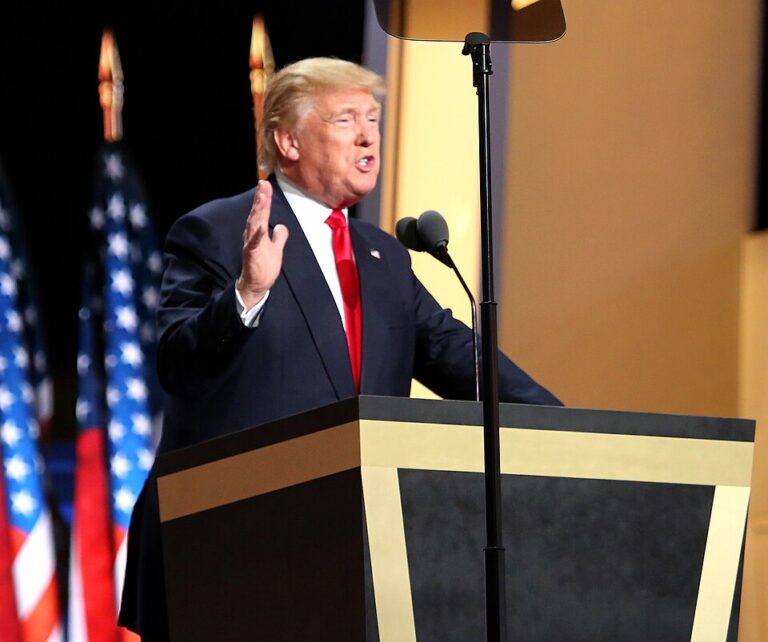
President Donald Trump has threatened Iran with a massive attack as American forces continue striking military targets across the country. Iran has answered by targeting United States positions and threatening commercial vessels near the Strait of Hormuz. Houthi forces have widened the crisis by attacking Saudi linked tankers near the entrance to the Red Sea.
The fighting now threatens two of the most important shipping routes in the world at the same time. Hormuz carries enormous volumes of oil and natural gas from the Persian Gulf, while Bab el Mandeb connects the Red Sea with the Arabian Sea. A prolonged disruption could raise gasoline, food, electricity, airline, and delivery costs for American households.
American Strikes Reach Deep Into Iran
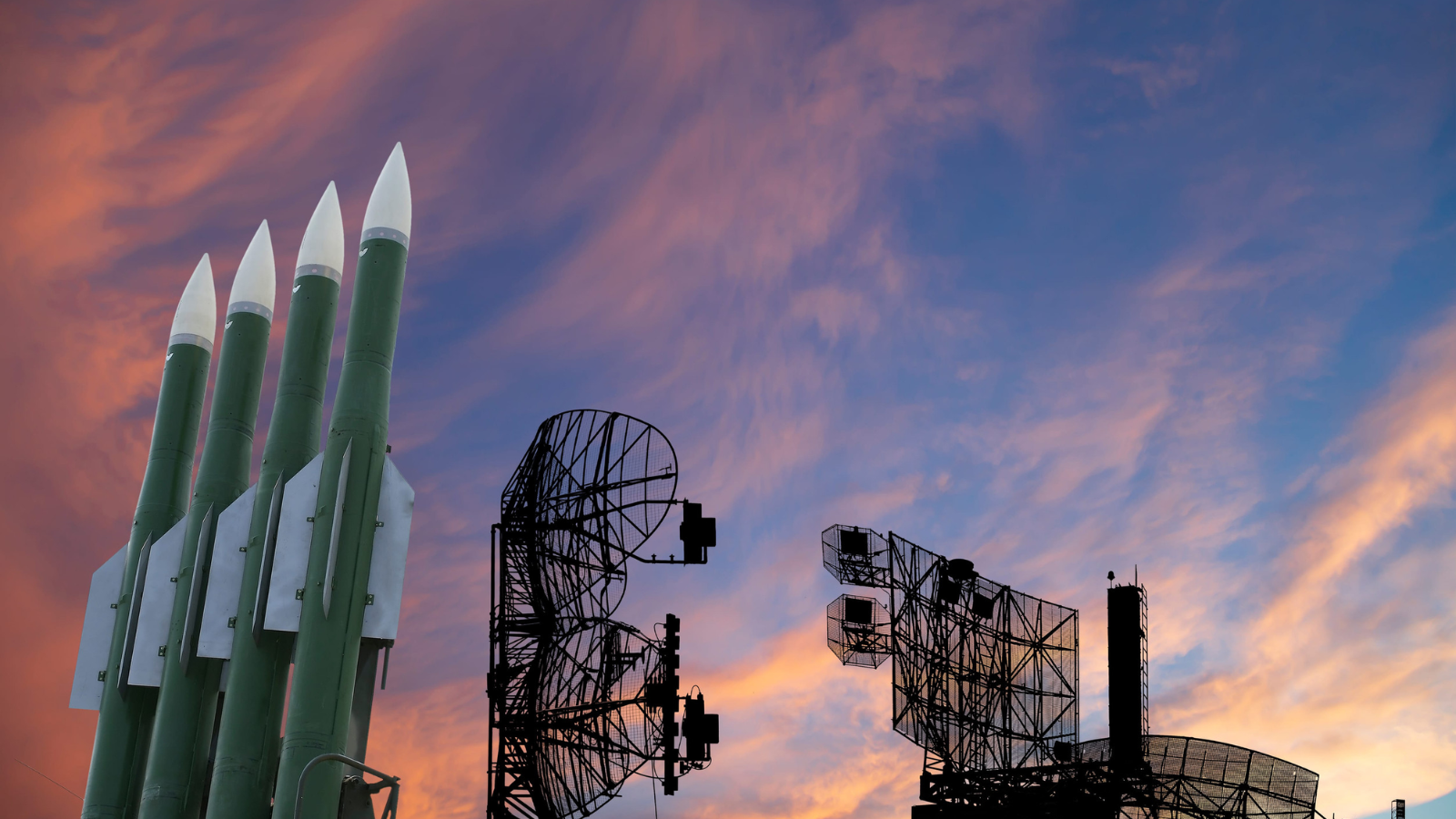
American forces launched another round of attacks after Trump promised severe punishment for assaults on commercial shipping. The strikes reportedly hit command centers, drone facilities, communication networks, coastal surveillance sites, and naval assets. Targets stretched from areas near the Persian Gulf to military facilities close to the Caspian Sea.
That creates a difficult question for the White House. If nearly two weeks of attacks have not stopped Iranian retaliation, a larger operation may be needed to produce meaningful change. A broader assault could also trigger a more destructive response across the Middle East.
Hormuz Is Nearly Closed Without an Official Blockade
The Strait of Hormuz connects the Persian Gulf with the Arabian Sea. About twenty million barrels of oil and petroleum products normally move through the passage each day. That volume represents about one fifth of worldwide petroleum consumption.
Traffic through the strait has fallen sharply during the latest fighting. On one recent day, only a single tanker completed the journey through the passage. Commercial companies have become reluctant to send ships into waters threatened by missiles, drones, and mines.
Iran does not need to physically close every shipping lane to disrupt global trade. It only needs to make the journey dangerous enough for shipowners and insurers to reject the risk. A waterway can remain open on a map while becoming nearly unusable in practice.
Insurance companies can raise war risk premiums or withdraw coverage entirely. Shipowners may then delay voyages, redirect vessels, or refuse cargoes linked to the Persian Gulf. Those decisions can reduce energy supplies even when naval escorts remain available.
Gulf Pipelines Cannot Replace Hormuz
Saudi Arabia and the United Arab Emirates operate pipelines that allow some oil to avoid Hormuz. Together, those routes can carry only a fraction of the normal volume passing through the waterway. That leaves global energy markets exposed during a prolonged conflict.
The available pipelines could replace only about one fifth of ordinary Hormuz oil traffic. Most of the usual supply would still lack an equivalent escape route. That gap is one of the most important facts shaping the crisis.
Saudi Arabia carries oil across the country to the Red Sea port of Yanbu. From there, tankers can avoid Hormuz and reach international markets through Bab el Mandeb. Houthi attacks are now threatening that alternative route as well.
The danger creates a strategic trap for Gulf exporters. Oil that cannot leave through Hormuz may be redirected toward the Red Sea, where another armed group waits near the exit. Iran and the Houthis are pressuring both the main route and the most important detour.
Houthi Attacks Open a Second Shipping Front
Houthi forces said they attacked two Saudi linked tankers near Bab el Mandeb. The Yemen based group also announced what it described as a naval blockade against Saudi Arabia. Several vessels reportedly changed direction after the attacks.
Bab el Mandeb connects the Gulf of Aden with the Red Sea and the Suez Canal. Millions of barrels of oil normally move through the passage each day. It also supports a major share of container traffic between Asia and Europe.
Many shipping companies had already redirected vessels around Africa after earlier Houthi strikes. Renewed violence could convince even more operators to abandon the Red Sea. That would leave Saudi Arabia with fewer reliable ways to move oil to customers.
Shipping Insurance Becomes a Weapon
The most effective blockade may not come from warships or mines. It may emerge from insurance offices where companies decide whether a voyage is worth the danger. War risk premiums reportedly rose sharply after the latest tanker attacks.
American naval escorts can reduce the chance of an attack. They cannot guarantee protection against every drone, missile, mine, or explosive boat. Commercial operators may remain unwilling to return even when military officials declare a route secure.
This creates a major problem for Trump’s strategy. American forces could dominate the battlefield while failing to restore confidence among shipowners. Military control does not automatically produce normal commercial traffic.
Detours Around Africa Raise Prices
Ships avoiding Bab el Mandeb may have to sail around the Cape of Good Hope. That route can add weeks to journeys between the Middle East, Europe, and Asia. Longer voyages require more fuel, crew time, and operating expenses.
A tanker that spends another month at sea completes fewer journeys during the year. When many ships face the same delay, the effective size of the global tanker fleet shrinks. Freight prices then rise even for cargoes that never pass near the conflict zone.
Those extra costs can reach consumers through gasoline, groceries, plastics, and manufactured products. Airlines may also face larger fuel bills if oil prices remain elevated. Another successful attack on a tanker or oil terminal could trigger a fresh market surge.
Hormuz Also Threatens Global Gas Supplies
Qatar sends most of its seaborne natural gas exports through Hormuz. Unlike oil, liquefied natural gas cannot easily be redirected through ordinary pipelines or loaded onto standard tankers. It requires specialized terminals, ships, storage systems, and receiving facilities.
China is especially exposed because it receives large quantities of energy shipped through Hormuz. That vulnerability helps explain Beijing’s interest in diplomatic efforts. A lasting shutdown would threaten Chinese factories, utilities, and supply chains.
Thousands of Sailors Remain Trapped
The maritime crisis has also produced a growing human emergency. International shipping officials have recorded dozens of incidents involving vessels in and around the Middle East. Sailors have been killed, injured, or forced to abandon damaged ships.
Thousands of crew members have reportedly become stranded aboard hundreds of vessels near Hormuz. Some ships have faced shortages of food, water, electricity, fuel, and medical assistance. Many sailors have struggled to maintain contact with their families.
These workers often come from countries with no direct role in the fighting. They remain trapped while governments, insurers, and shipowners debate whether travel is safe. Their experience reveals the personal cost hidden behind oil prices and shipping statistics.
Diplomacy Struggles to Keep Pace
Pakistan has explored possible negotiations between Washington and Tehran with support from China. Iranian officials held discussions in Islamabad, but the path toward formal talks remained unclear. Both sides continued blaming each other for the deadlock.
Trump has argued that Iran wants negotiations but has not suffered enough to accept American demands. Iranian officials appear to believe that pressure on oil markets and military bases will force Washington to compromise. Both governments are relying on pain to produce political concessions.
That strategy carries enormous risks. Pressure can bring opponents to the negotiating table, but it can also harden positions and encourage retaliation. Neither side has explained how it would stop the escalation if additional suffering fails to produce surrender.
Regional governments are becoming increasingly nervous. They host American personnel, depend on safe shipping, and remain vulnerable to Iranian missiles. Their patience may weaken if the conflict continues without a credible diplomatic exit.
A Massive Attack Could Make Shipping More Dangerous
The United States has the military power to destroy more Iranian command centers, missile sites, and naval facilities. A larger assault might reduce Iran’s ability to launch attacks in the near term. It could also provoke retaliation against ports, pipelines, bases, and cities across the region.
Iranian forces are spread across a large country and supported by regional armed groups. Mobile launchers and drone teams can move, hide, and reappear after strikes. Houthi forces can continue attacks from Yemen even when Iranian facilities are damaged.
That creates a strategic contradiction for Washington. A massive attack intended to make shipping safer could convince companies that the region has become even more dangerous. Each new explosion may delay the return of commercial vessels.
The war has become a contest over economic endurance. Washington wants to prove that Iran cannot threaten global trade without suffering overwhelming punishment. Tehran wants to prove that American military power cannot guarantee stable prices or safe shipping.
Two narrow waterways now sit at the center of that confrontation. Hormuz threatens energy moving out of the Persian Gulf, while Bab el Mandeb threatens ships trying to avoid it. Until diplomacy gains ground, consumers, sailors, and businesses worldwide will continue paying for a war far beyond the battlefield.