A garage sale can feel like a small neighborhood victory. We clear the closets, drag folding tables into the driveway, stick bright price tags on forgotten things, and hope yesterday’s clutter becomes today’s cash. The problem starts when we treat every unwanted item as something another person should buy.
Some things belong at a consignment shop. Some belong at a recycling center. Some belong in the trash, no matter how tempting it feels to squeeze a few dollars out of them. A smart garage sale is not just about selling more. It is about knowing what to leave out before a bargain becomes a complaint, a safety issue, or a legal headache.
Used Car Seats With Unknown History
A used car seat may look clean, but appearance does not tell the full story. We may not know if it has been in a crash, if parts are missing, if the labels are intact, if the expiration date has passed, or if the model was recalled. Car seats are safety devices, not ordinary plastic chairs. Buyers need full confidence that every strap, buckle, shell, and label still meets safety expectations.
Even if we owned the seat ourselves, selling it can still be risky unless we have the manual, the manufacturing date, the model number, all the parts, and a clear crash history. Most garage sale shoppers cannot verify all of that while standing in a driveway. If there is any doubt, we should skip the sale and look for a local car seat recycling or trade-in program instead.
Expired Makeup and Opened Beauty Products

Old makeup does not belong in a garage sale box, even if the bottle is half full and the shade still looks good. Mascara, liquid eyeliner, foundation, lip gloss, concealer, cream blush, and opened skincare products can collect bacteria and fungi over time. Eye products are especially risky because they come into contact with a sensitive area where irritation and infection can spread quickly.
We should also avoid selling used brushes, sponges, razors, nail tools, and open lotions. Beauty products feel personal because they are personal. Once a product has touched skin, lips, lashes, fingers, or a bathroom counter, it is no longer a clean retail item. Throwing it away may feel wasteful, but selling it can pass a problem to someone else they never agreed to take on.
Mattresses, Box Springs, and Heavily Used Bedding
Mattresses and box springs are some of the hardest items to sell responsibly. They can hide stains, odors, allergens, mold, pet dander, and pests within layers that buyers cannot properly inspect. Bed bugs are the nightmare scenario because they can spread through secondhand beds, couches, and upholstered furniture. A mattress may look fine on the outside and still cause a costly disaster in another home.
We should also think twice about pillows, mattress toppers, heavily used comforters, and old sleeping bags. These items absorb sweat, skin cells, spills, and odors over the years of use. A buyer may be desperate for a bargain, but that does not make the sale wise. Clean, packaged, unused bedding can work. Used sleep surfaces usually belong somewhere else.
Broken Electronics and Outdated Devices
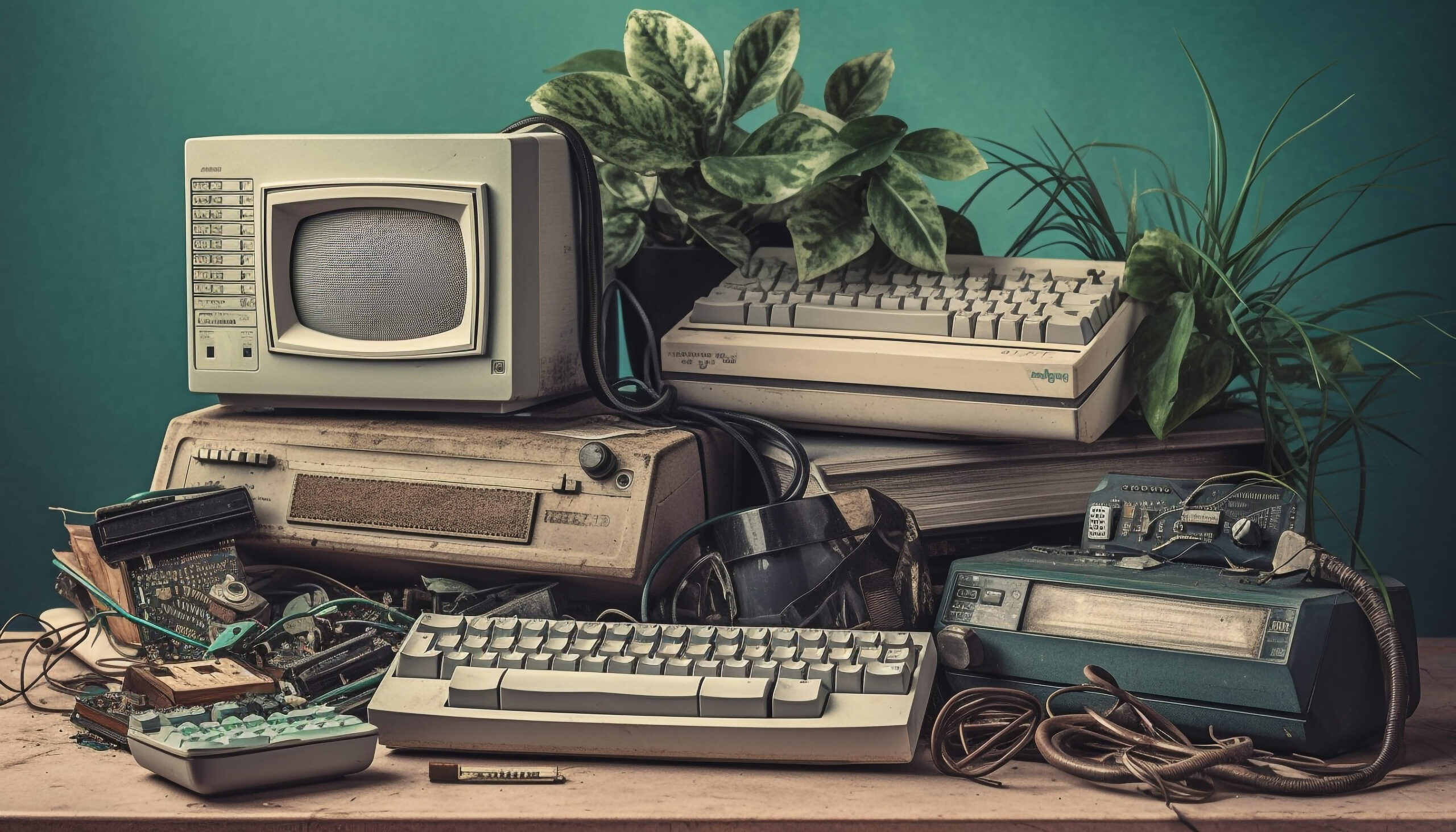
Old electronics can create false hope at a garage sale. Someone sees a bargain printer, DVD player, tablet, speaker, gaming console, or television and assumes it only needs a cable. If we know the item does not work, has a dead battery, overheats, sparks, glitches, or lacks essential parts, we should not present it as usable. Broken electronics often become instant trash for the buyer.
Outdated devices create another issue. Old TVs, VCRs, fax machines, routers, monitors, and landline phones may attract a curious shopper, but many are difficult to test on-site and harder to dispose of later. Electronics recycling is usually the better route. It keeps materials out of the waste stream and saves us from selling a machine that becomes a driveway argument by sunset.
Phones, Laptops, Hard Drives, and Anything With Personal Data
We should never casually sell devices that may still contain personal data. Phones, tablets, laptops, desktop computers, external drives, cameras, memory cards, smartwatches, gaming systems, and even some printers can store names, addresses, photos, emails, passwords, banking details, documents, and login tokens. A factory reset helps, but we need to be certain the wipe worked before anything leaves our home.
The resale value may not be worth the privacy risk. If we cannot properly erase and verify the device, we should not sell it at a garage sale. A specialized electronics reseller, certified recycler, or trade-in program is safer. Personal data is invisible on the table, but it can be the most valuable thing we accidentally give away.
Damaged Power Tools and Unsafe Extension Cords
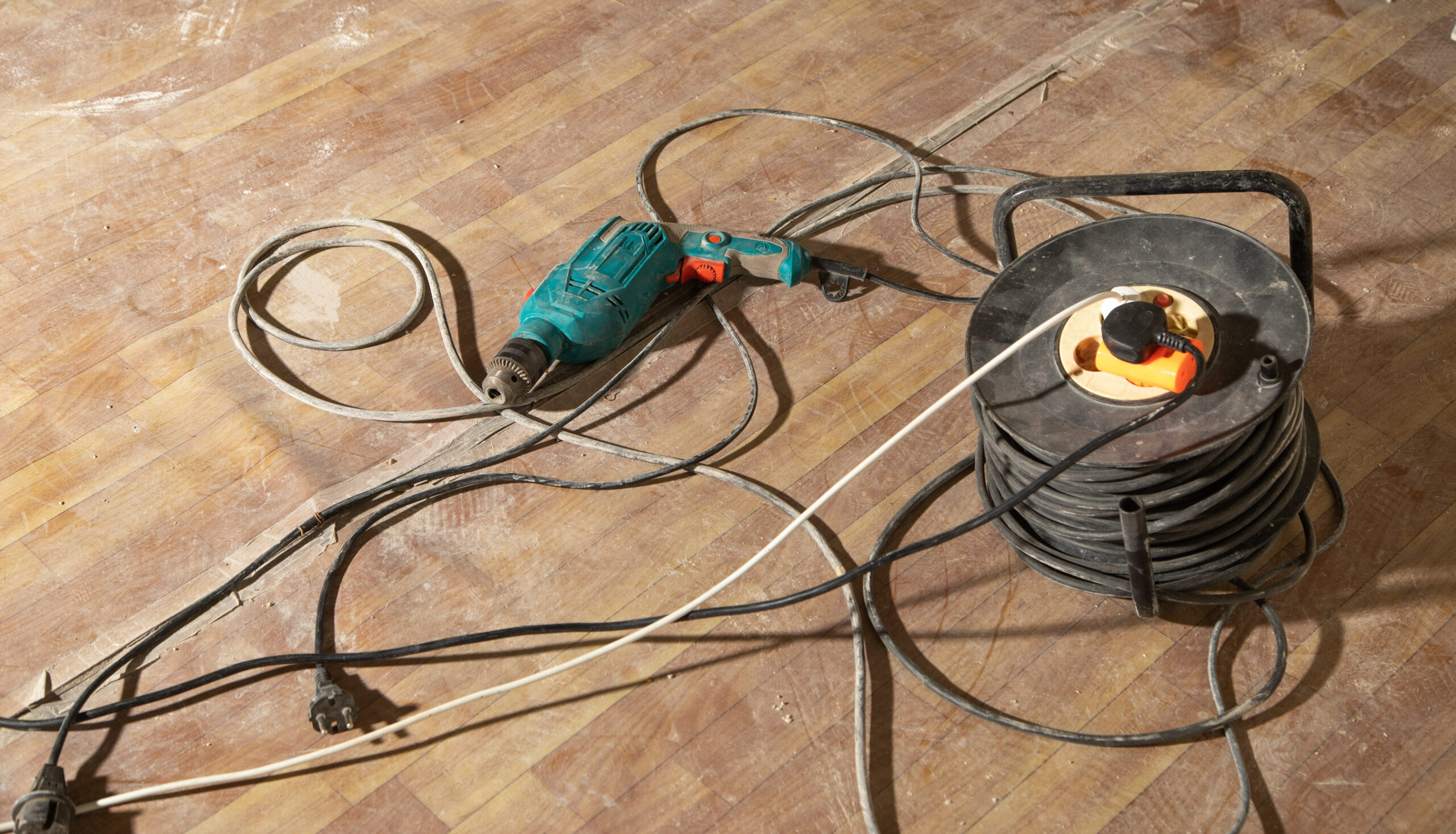
Power tools can sell quickly at a garage sale, but they also carry real risk. We should not sell drills, saws, sanders, pressure washers, nail guns, hedge trimmers, space heaters, or extension cords with frayed wires, missing guards, broken switches, cracked housings, damaged batteries, or strange burning smells. A cheap tool is not a deal if it shocks, cuts, sparks, or starts a fire.
The same rule applies to battery chargers and lithium-ion batteries. If a battery swells, overheats, leaks, or no longer charges normally, it should not be passed to someone else. Working tools with manuals, guards, and clear condition notes may be fine. Questionable tools should be recycled properly or disposed of as hazardous waste, depending on local rules.
Prescription Medication, Supplements, and Medical Supplies
Prescription drugs should never be sold at a garage sale. The same caution applies to opened vitamins, supplements, old first-aid products, medical devices, used braces, syringes, expired ointments, and anything meant to diagnose, treat, or manage a health condition. These items can be expired, contaminated, mislabeled, recalled, improperly stored, or dangerous for the wrong person.
We should use authorized medication take-back programs for prescriptions. For medical equipment, we should look for local organizations that accept specific items safely, such as unopened mobility aids or unused sealed supplies. A garage sale is not the right setting for health products because buyers may make decisions without medical guidance, proper instructions, or full product history.
Designer Clothes, Jewelry, Antiques, and Collectibles Without Research

Some items are too valuable for a casual garage sale. Vintage jewelry, designer handbags, luxury shoes, rare dishes, signed sports memorabilia, coins, watches, art, comic books, records, old cameras, and antique furniture may be worth far more than we think. The danger here is not safety. The danger is selling a valuable piece for a few dollars because we did not research it first.
We should slow down before pricing anything with a brand name, hallmark, signature, serial number, unusual maker’s mark, or family history. A garage sale attracts bargain hunters who know how to spot underpriced items. Consignment stores, appraisers, auction sites, and specialized dealers can help us understand value before we let something go for pocket change.
Anything Dirty, Moldy, Smelly, or Beyond Honest Use
This may be the simplest rule of all. If something is moldy, sticky, greasy, mildewed, pest-damaged, badly stained, water-damaged, or carrying a strong smoke or pet odor, we should not sell it. A garage sale is not a landfill with price tags. People expect bargains, but they still expect the items to be safe, clean, and usable.
This includes clothes with sweat stains, shoes with strong odors, cracked dishes, chipped mugs, dirty toys, warped books, rusty kitchen tools, and storage bins with mysterious residue. Cleaning and repairing items before the sale shows buyers respect. If cleaning does not make the item presentable, it should not be part of the sale.
Conclusion
A profitable garage sale is not measured by how much clutter we drag outside. It is measured by how wisely we sort before we sell. The wrong item can create safety risks, privacy problems, buyer complaints, wasted time, or legal trouble. The right item can leave our home, help someone else, and put a little money back in our pocket without drama.
We should sell the clean, useful, working, low-risk items and remove everything that asks buyers to gamble with safety, hygiene, privacy, or hidden damage. That simple filter makes the sale smoother, the driveway more inviting, and the final cleanup far less stressful.
Additional source support for recycling and secondhand risk decisions: Best Buy says electronics recycling is available at its stores, EPA says recycling electronics conserves materials and helps avoid pollution, and EPA bed bug guidance advises checking secondhand furniture, beds, and couches before bringing them home.