A routine flight turned into a frustrating overnight ordeal for dozens of travelers after a toddler’s refusal to buckle a seat belt forced an aircraft to return to the terminal and eventually cancel the journey.
The incident happened aboard Porter Airlines Flight PD444, which was scheduled to travel from Victoria International Airport in British Columbia, Canada, to Toronto. The flight had already left the gate and was preparing for takeoff when crew members noticed that a young child was standing in the seat and would not remain secured with the required seat belt.
What began as a safety issue involving one family quickly became a major disruption affecting every passenger onboard. After repeated attempts by the child’s parents and airline staff to get the toddler properly restrained, the crew decided to return the aircraft to the terminal.
The situation has since sparked a heated debate among travelers, with many questioning how airlines should handle disruptive situations involving young children while others point out the challenges parents face when traveling with toddlers.
A Simple Safety Rule Creates a Complicated Situation
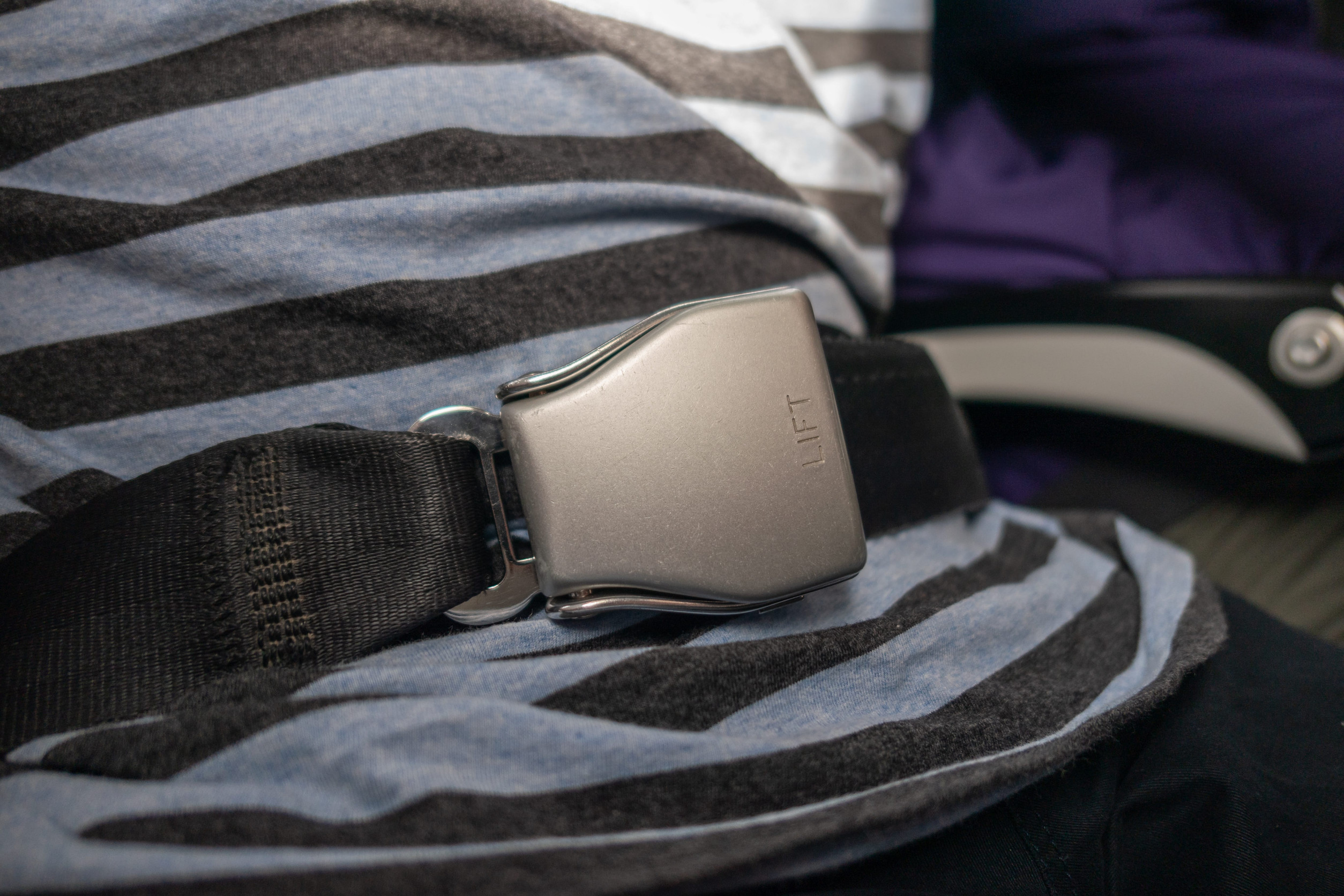
Airline safety rules are clear: passengers must be properly seated and secured before takeoff. Flight crews are responsible for ensuring those requirements are followed because even a small issue during departure can create serious risks.
According to reports, the toddler involved in the incident refused to sit down and fasten the seat belt despite efforts from both the parents and crew members. The child remained standing in the seat, creating what the airline described as an unsafe condition.
Porter Airlines later explained that the aircraft could not continue toward takeoff under those circumstances. The crew decided the safest option was to return to the terminal and remove the problem before attempting another departure.
For the passengers onboard, however, the decision meant their travel plans suddenly changed. Many had expected to arrive in Toronto within hours, but instead found themselves waiting through the night.
How One Delay Turned Into an Overnight Travel Nightmare
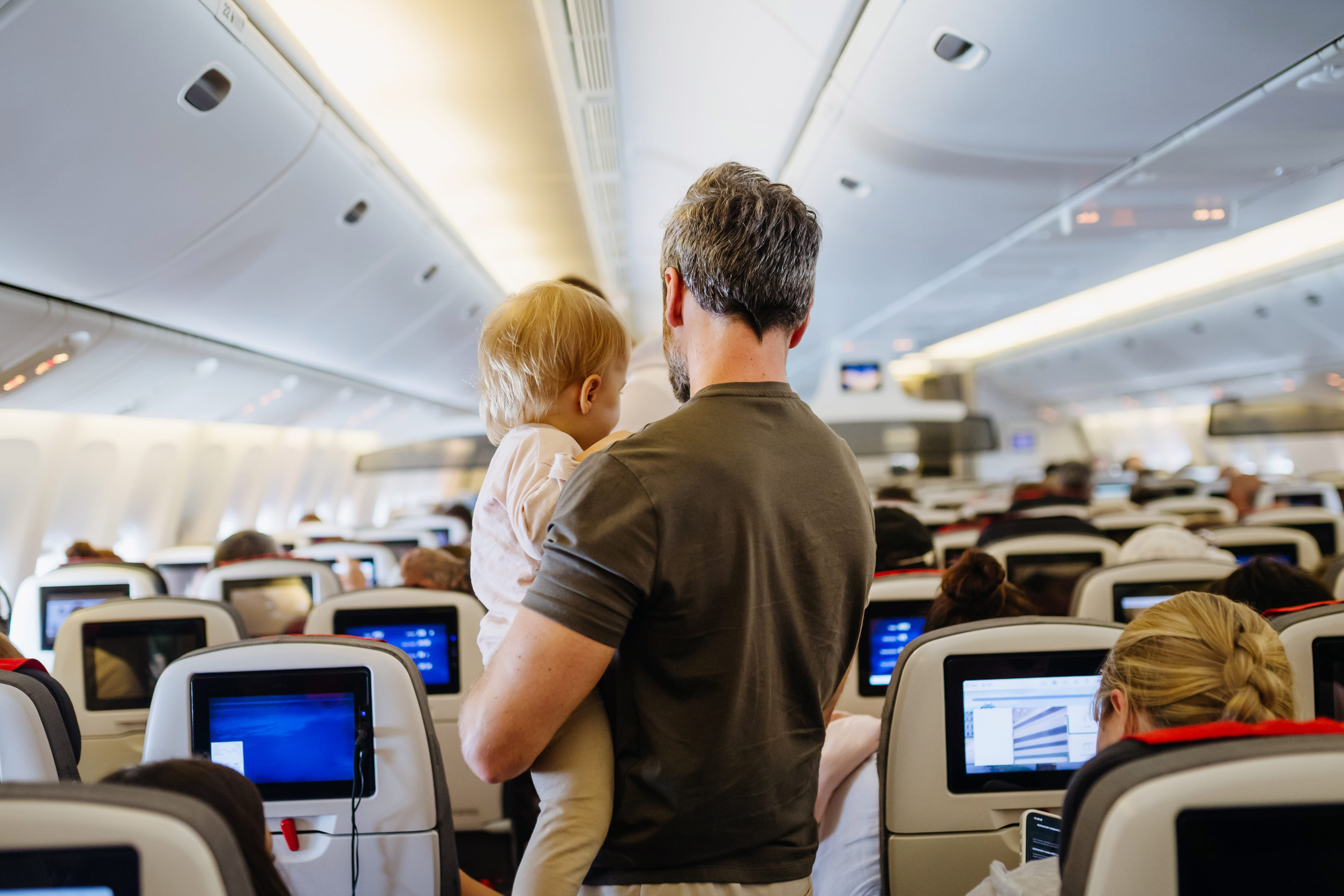
After the aircraft returned to the gate, passengers had to leave the plane while airline staff handled the situation. The process of removing the family, dealing with luggage, and completing the required procedures took valuable time.
By the time everything was resolved, the delay had pushed the flight beyond the airport’s operating window. Victoria International Airport’s runway closure time arrived, meaning the flight could no longer depart that night.
Passengers were then forced to wait until the following day for a replacement departure. Reports stated that the rescheduled flight eventually left Victoria and arrived in Toronto after nearly a full day of disruption.
For travelers already dealing with the stress of air travel, the unexpected cancellation became a major inconvenience. Some passengers expressed anger online, arguing that one child’s behavior should not have affected an entire plane full of people.
Others took a more understanding approach, noting that toddlers can be unpredictable and that parents sometimes face difficult situations in public places.
The Debate Over Parenting, Responsibility, and Airline Rules
The incident quickly became more than just a travel story. It turned into a wider conversation about parenting choices, passenger rights, and how airlines should respond when a child refuses to cooperate.
Some travelers argued that parents should have been able to control the situation before it escalated. They questioned why the entire flight had to suffer because one passenger, even a young child, could not follow basic safety instructions.
Others defended the parents, pointing out that toddlers do not always respond to commands the way older children or adults do. A child having a difficult moment does not necessarily mean parents are irresponsible.
The airline’s decision also drew attention. Some passengers questioned why the family could not simply be removed earlier, allowing the aircraft to continue. However, aviation procedures involving passengers, luggage, and security requirements can make these situations more complicated than they appear from the outside.
Airlines Face Growing Pressure Over Passenger Disruptions
The Porter Airlines incident is part of a larger conversation about disruptive behavior during flights. Airlines around the world have dealt with situations involving passengers refusing safety instructions, arguments with crew members, and conflicts that force planes to return to gates.
Flight crews are trained to prioritize safety over schedules. Even when a delay frustrates hundreds of passengers, airlines must follow procedures designed to prevent dangerous situations.
For many travelers, the biggest frustration is not the safety decision itself but how quickly a small issue can affect an entire flight. A delay of a few minutes can become hours when airports, crews, and operating restrictions are involved.
This case shows how modern air travel depends on every passenger following basic rules. A single unresolved problem at the beginning of a flight can create consequences that reach far beyond one seat.
A Flight Delay That Started a Bigger Conversation
The toddler at the center of the incident was not publicly identified, and the family’s side of the story has not been released. Porter Airlines apologized to affected passengers and emphasized that the decision was made because of safety concerns.
The incident remains a reminder that flying involves shared responsibility. Passengers depend on each other, flight crews, and airline policies to keep journeys safe and predictable.
For those stranded overnight, the experience became a frustrating memory. For airlines and travelers watching the story unfold, it became another example of how quickly a small moment inside an aircraft can become a major travel disruption.