We trust the microwave because it feels harmless. A plate goes in cold, a button gets pressed, and dinner comes out warm in minutes. That convenience is exactly why we forget one uncomfortable truth about this appliance: it does not heat every food evenly, gently, or safely.
Some foods can explode. Some can trap steam until pressure bursts through the skin, shell, or surface. Others can heat unevenly, leaving one bite scorching hot and another still cold enough to raise food-safety concerns.
That does not mean the microwave is bad. It means we need to stop treating it like a magic box that can handle anything safely. The foods you should never microwave usually share one problem: they trap steam, heat unevenly, release irritating vapor, or react badly to microwave energy.
Below are the foods we should think twice about before pressing “start,” plus safer ways to warm, cook, or reheat them without turning a quick snack into a mess.
Eggs in the shell can explode without warning.

Eggs in the shell belong near the top of any list of foods you should never microwave. The shell traps moisture, which turns into steam as the egg heats. Once pressure builds inside, the egg can burst inside the microwave or explode after it is removed.
The dangerous part is the delayed reaction. A hard-boiled egg may look calm on the plate, then rupture when cut, touched, or bitten. That can send hot egg pieces and steam toward the face, hands, or eyes.
We should never microwave eggs whole in their shells. If we want microwave eggs, we need to crack them into a microwave-safe bowl, pierce the yolk, stir or scramble them, and cover the dish loosely so steam can escape. Even then, short bursts of heat work better than a single long blast.
The stovetop remains the safer choice for boiling eggs. It gives heat more time to move through the egg evenly, and it avoids the trapped-pressure problem that makes microwaved shell eggs so unpredictable.
Grapes can spark, smoke, and create plasma.
Grapes look too innocent to be dangerous, which is exactly why they became a viral microwave experiment. When placed close together, grapes can concentrate microwave energy and create sparks or tiny bursts of plasma. That is a fire risk, not a kitchen trick worth repeating.
The issue comes from the grape’s size, water content, and shape. Microwave energy can focus between grape halves or nearby grapes, creating an intense hot spot. That hot spot can become bright, fiery, and destructive fast.
We should not microwave grapes for fun, curiosity, or recipes. The result may damage the appliance, scorch the fruit, or create smoke. The risk is especially unnecessary because grapes taste better cold, roasted slowly, or simmered into a sauce.
If we want warm grapes for a dish, the oven is the smarter choice. A low-temperature roast brings out sweetness without turning the microwave into a science experiment.
Whole potatoes can burst under pressure.
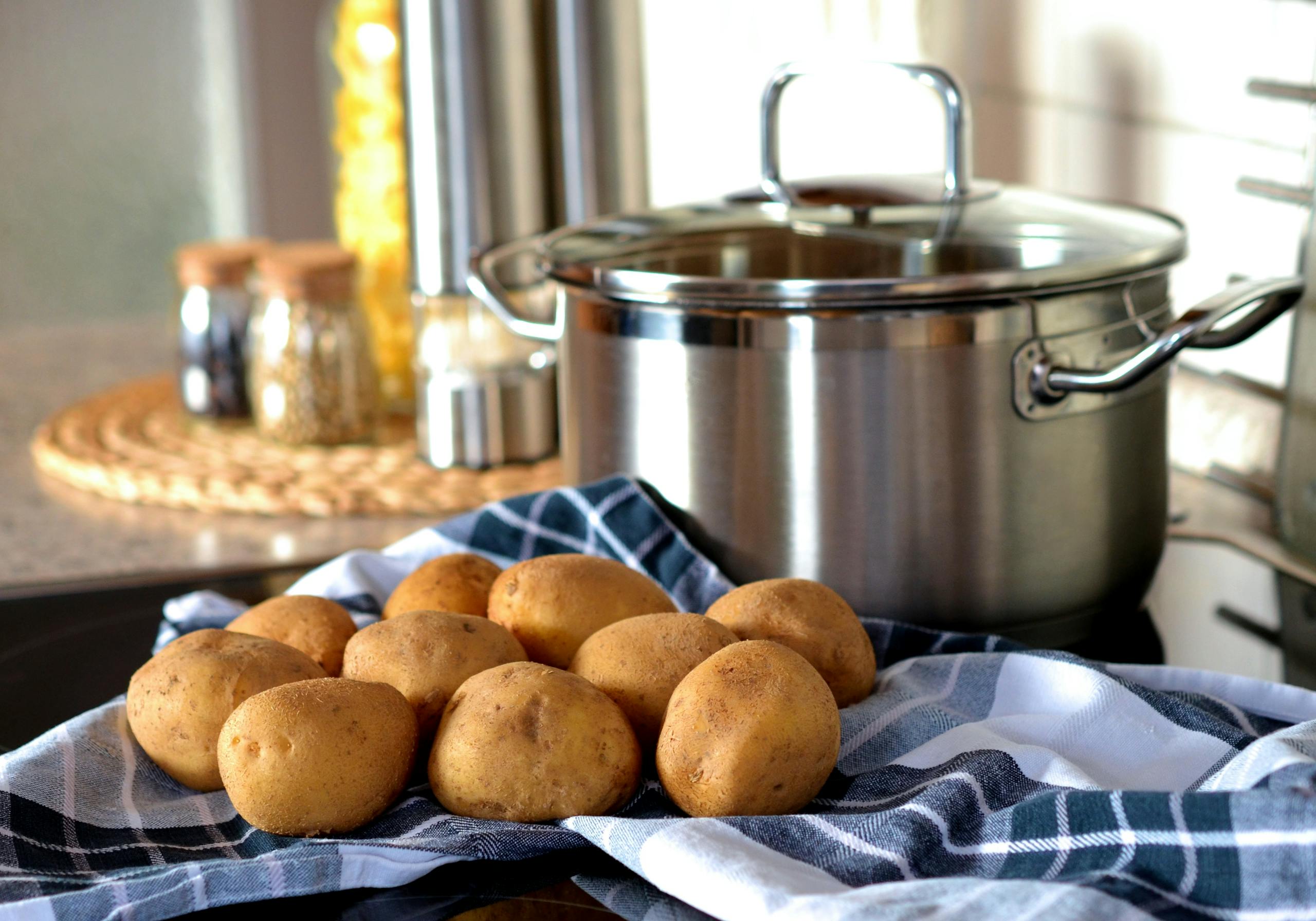
Potatoes are one of the most common microwave foods, but whole potatoes become risky when we skip one small step. Their thick skin can trap steam inside as the interior heats. When pressure has nowhere to go, the potato can split, pop, or burst.
A potato explosion may sound funny until hot starch sprays across the microwave. The mess is annoying, but the bigger issue is burns. Dense foods like potatoes can hold heat longer than we expect.
We do not have to avoid microwaving potatoes completely. We simply need to treat them properly. Pierce the skin several times with a fork, place the potato on a microwave-safe plate, and let it stand after cooking so the heat can finish moving through the center.
For better texture, the oven or air fryer wins. Microwaves soften potatoes quickly, but dry heat gives the skin that crisp, satisfying finish most people actually want.
Raw hot peppers can release painful vapor.
Hot peppers are not just spicy on the tongue. Their heat comes from capsaicin, the same irritating compound that makes pepper spray so intense. When raw hot peppers are heated in a microwave, that compound can become part of the steam and vapor trapped inside the appliance.
The problem often appears when we open the door. A sharp cloud can hit the eyes, nose, and throat. Anyone who has accidentally breathed in pepper fumes knows how fast coughing, tearing, and burning can begin.
We should avoid microwaving raw hot peppers, especially strong peppers like habaneros, Scotch bonnets, ghost peppers, or Carolina Reapers. The stronger the pepper, the more punishing the vapor can feel.
Roasting, grilling, or sautéing peppers is safer because ventilation is easier to control. If we cook hot peppers on the stovetop, the vent hood should be running, windows should be open when needed, and hands should be washed carefully after handling them.
Large frozen meat can heat unevenly and stay unsafe inside
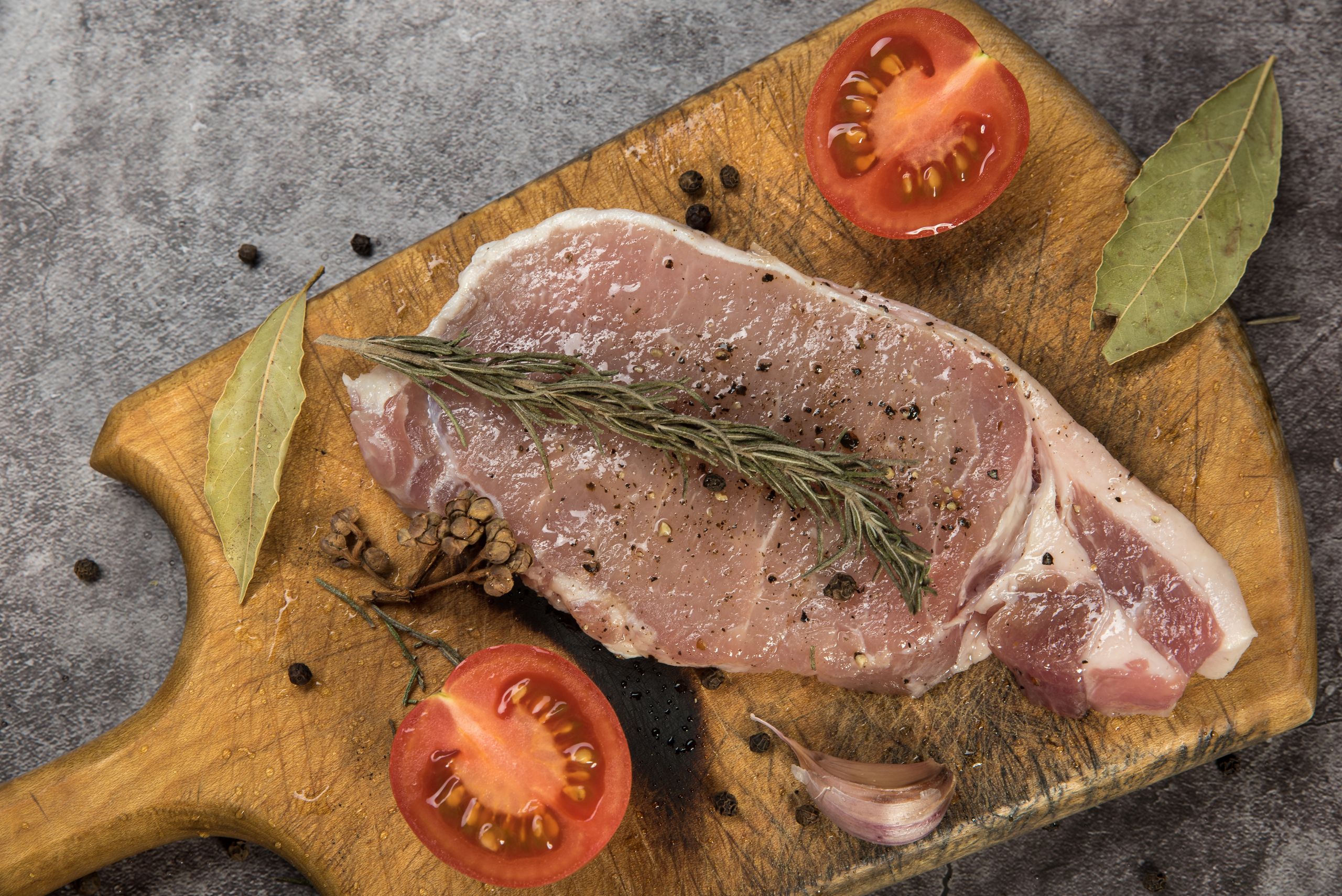
Microwaves are convenient for thawing, but large frozen meat cuts are a problem. The outside can start cooking while the center remains icy. That uneven pattern creates a frustrating mix of rubbery edges, cold middle sections, and uncertain food safety.
This matters most with poultry, ground meat, roasts, and thick cuts. Meat needs to reach a safe internal temperature, and microwaves do not always deliver steady heat through dense frozen food. The thicker the item, the more likely the center will lag behind.
We can use the defrost setting for smaller portions, but we should cook the meat immediately afterward. Waiting after microwave thawing gives bacteria more opportunity to grow in areas that have warmed above refrigerator temperature.
The refrigerator is still the best thawing method. Cold water thawing also works when done correctly in a sealed bag with frequent water changes. Both methods take more planning, but they protect texture and safety better than blasting a frozen block of meat in the microwave.
Stuffed poultry is too dense for microwave guesswork.
Stuffed poultry deserves its own warning because the stuffing creates a second safety problem inside the bird. The meat may heat at one rate, but the stuffing can remain cooler in the center. That is risky because juices from raw poultry can soak into the stuffing during cooking.
A microwave may cook some sections quickly and leave other areas underheated. With stuffed chicken, turkey, or game birds, we cannot rely on appearance alone. Browned edges do not prove that the center is safe.
We should not use the microwave as the main cooking method for whole stuffed poultry. The oven gives more consistent heat, and a food thermometer gives the real answer. The stuffing and the thickest part of the meat need to reach safe temperatures before serving.
For safer meals, cook stuffing separately. That one choice removes much of the risk and gives us better control over texture, moisture, and doneness.
Breast milk and infant formula can develop dangerous hot spots.
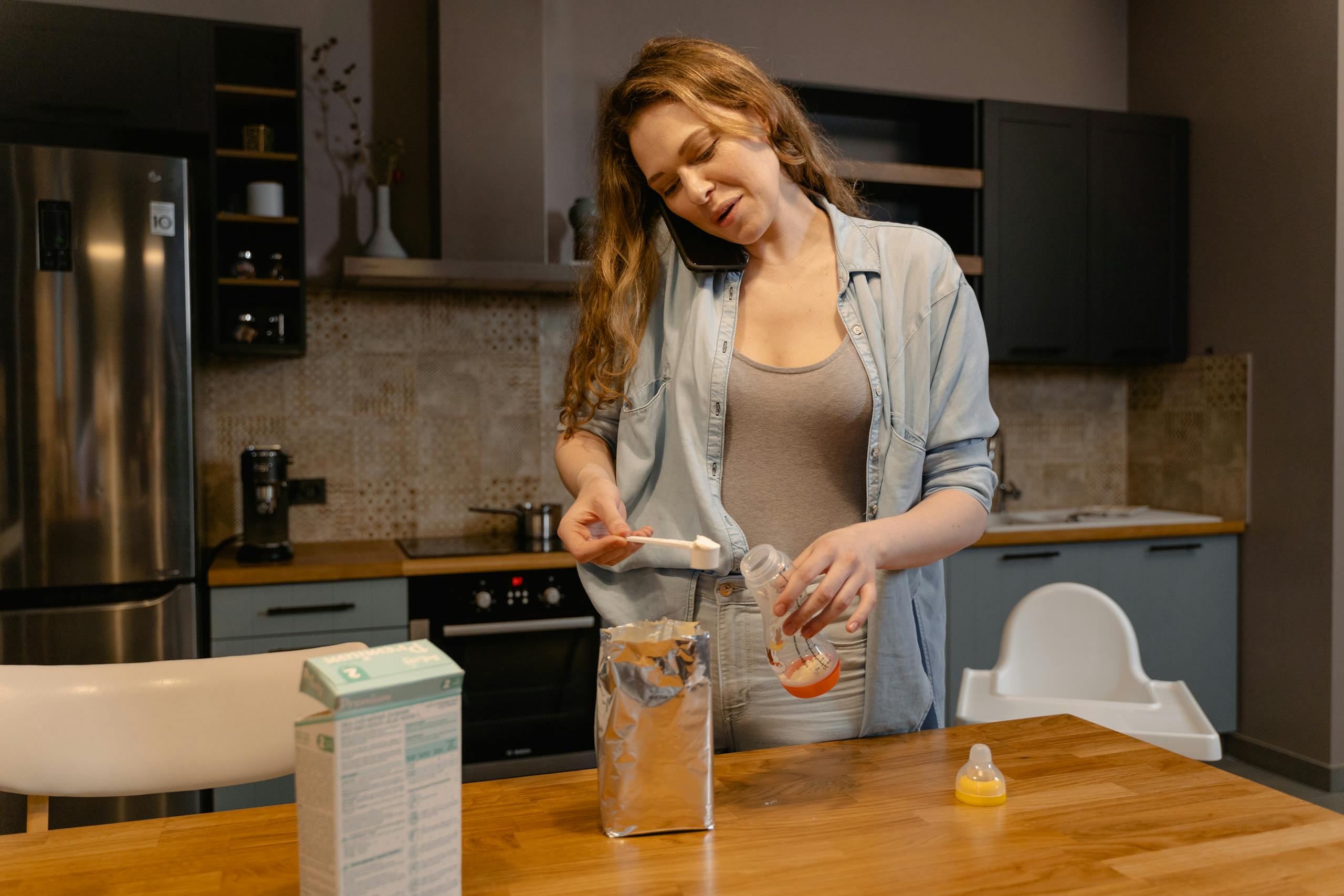
Breast milk and infant formula should not be microwaved because babies are vulnerable to burns from uneven heating. The bottle may feel lukewarm from the outside, but hot spots can form inside the liquid. Those hot spots can burn a baby’s mouth or throat.
This is one of the clearest microwave safety rules. We should warm infant milk gently, not quickly. A bowl of warm water, running warm water, or a proper bottle warmer gives better control. Breast milk has another concern. High or uneven heat can affect its quality, so gentle warming is the safer habit. The formula also does not need to be warmed at all unless the baby prefers it.
Before feeding, we should swirl the bottle and test a few drops on the hand or wrist. The goal is lukewarm, not hot. Fast heating is not worth the risk when a baby cannot warn us before a burn happens.
Plain water can superheat and erupt.
A cup of water seems like the safest thing in the world to microwave, but plain water can become dangerous when it superheats. That means the water can rise above boiling temperature without bubbling. It may look still, then erupt when moved or when coffee, tea, or a spoon is added.
This usually happens in very clean, smooth containers where bubbles have fewer places to form. The cup may appear calm, but a small disturbance can trigger a sudden burst of boiling water. Burns to the hands and face can happen fast.
We do not need to panic over every mug of tea. We simply need better habits. Avoid heating plain water for too long, follow the appliance manual, and let the cup stand before touching it.Adding coffee, tea, sugar, or another ingredient before heating can reduce the risk. A kettle is still the better tool for boiling water because it is designed for that job.
Alcohol-heavy drinks and sauces can become risky fast.
Alcohol does not behave like plain broth or soup. It is volatile, meaning it evaporates easily and can produce fumes when heated. In a microwave, alcohol-heavy drinks and sauces can heat unevenly and too aggressively.
This matters for mulled wine, boozy dessert sauces, flambé-style mixtures, and cocktails that someone thinks they can “warm up quickly.” A microwave offers less control than a stovetop, and closed containers make the risk even greater.
We should warm alcohol-based mixtures slowly on low heat instead. The stovetop allows stirring, venting, and quick removal from heat if the mixture starts steaming too hard.If the sauce contains only a small splash of alcohol cooked into a larger dish, the concern is lower. The bigger warning applies to drinks or sauces where alcohol is a major ingredient and heat control matters.
Fried and breaded leftovers turn soggy and disappointing.
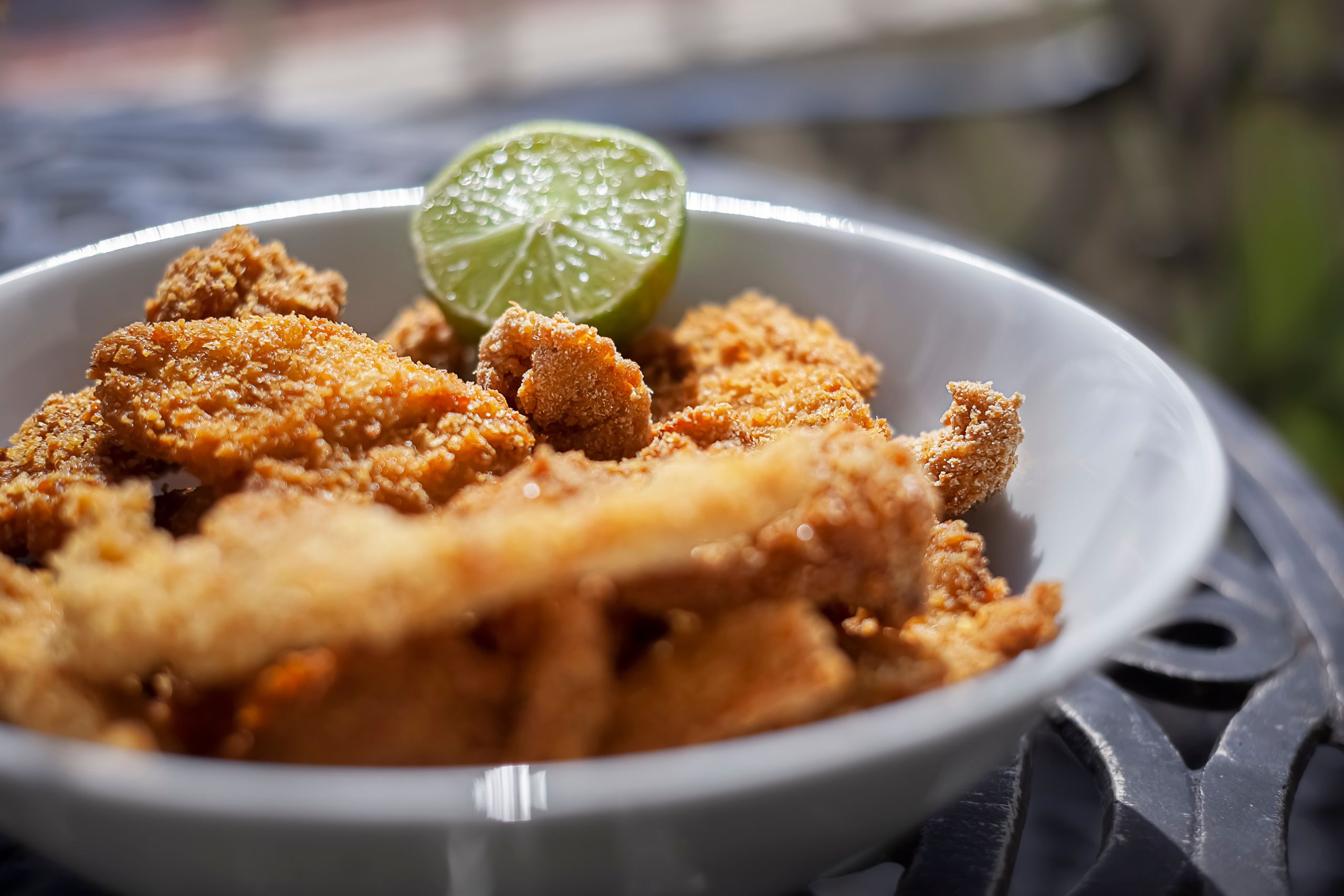
Fried chicken, fries, onion rings, mozzarella sticks, and breaded cutlets are not always dangerous in the microwave, but they usually come out worse. The microwave heats water inside the food, and that steam softens the crisp coating. What went in crunchy often comes out limp.
This is why fried leftovers feel sad after microwaving. The breading separates, the crust loses structure, and the inside may turn chewy. We get warmth, but we lose the reason the food tasted good in the first place.We should reheat fried foods with dry heat. An air fryer, toaster oven, or regular oven helps drive off moisture and revive the crust. A few extra minutes make a major difference.
If the microwave is the only option, use it briefly just to warm the center, then finish the food in a hot pan or toaster oven. That two-step method saves more texture than microwaving alone.
Thick sauces can splatter like lava.
Tomato sauce, gravy, cheese sauce, curry, and thick soups can bubble unevenly in the microwave. Heat builds in pockets under the surface, then bursts upward through the sauce. That is how we end up with red dots across the microwave ceiling and hot splatter on our hands.
The thicker the sauce, the worse this can get. Dense sauces trap steam under the surface, and the surface may not move until pressure breaks through. A bowl can look calm one second and spit the next.
We can microwave sauces more safely with short intervals, stirring between each round. A vented microwave cover also helps contain splatter without sealing in too much steam. The keyword is vented, because trapped steam still needs somewhere to go.
For large amounts of sauce, the stovetop gives better control. Stirring over low heat prevents scorching, reduces splatter, and warms the sauce more evenly.
The safer microwave rule we should remember.
Microwaves are useful, but they rquire caution.n. We should use microwave-safe containers, vent covers, stir food often, allow standing time, and check internal temperatures when reheating meat, poultry, seafood, and egg dishes.
The real lesson is simple: speed should never outrank safety. A few extra minutes with the right heating method can prevent burns, mess, wasted food, and the kind of kitchen surprise nobody wants at the end of a long day.