Eight hours in a slow cooker can turn a tough piece of meat into a tender, flavorful dinner. But give the wrong cut those same eight hours, and you might lift the lid to find something dry, stringy, and nothing like the meal you anticipated.
According to Crock-Pot’s cooking guide, boneless chicken breast typically needs just two to three hours on low, while chuck roast may require nine to ten. That’s quite a difference for two ingredients sharing the same appliance.
In September 2026, Food Network also warned that naturally tender, lean cuts can suffer when cooked all day. The secret isn’t abandoning your slow cooker. It’s knowing which meats benefit from patience and which ones deserve a shorter stay.
Here are nine cuts worth handling differently.
Boneless Chicken Breast: The Easy Dinner That Can Turn Dry
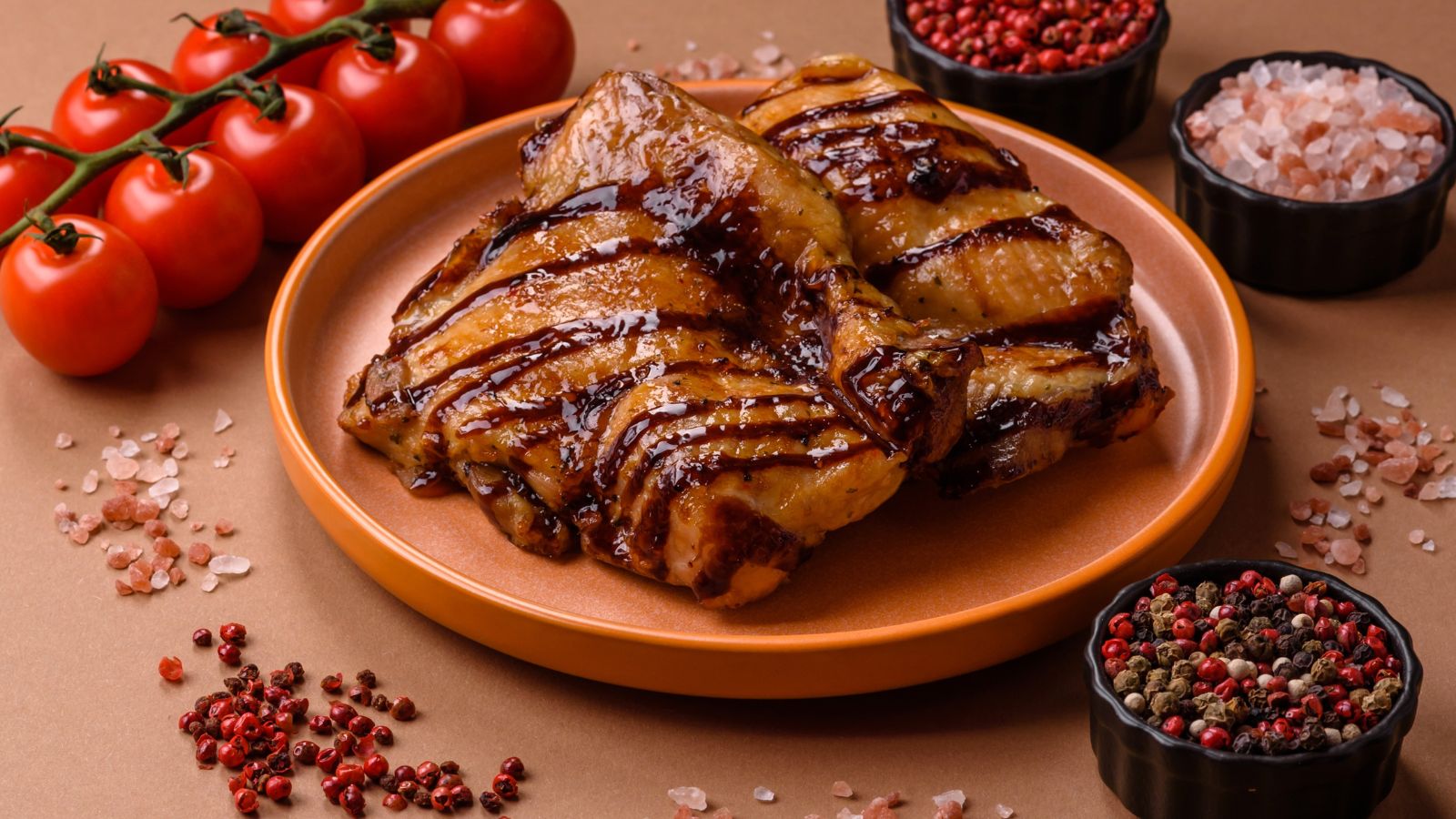
Boneless, skinless chicken breast seems perfect for a busy weekday. Add your ingredients in the morning, switch on the slow cooker, and forget about dinner until evening. Unfortunately, chicken breast doesn’t always appreciate that arrangement.
According to Crock-Pot’s cooking guidelines, boneless breasts typically require two to three hours on low or one to two hours on high.
Food Network warns that leaving them cooking all day can produce dry, stringy meat.
For longer recipes, chicken thighs can be more forgiving because of their fat and connective tissue. If you’re using breasts, follow a recipe developed specifically for them and check the internal temperature rather than relying on the clock alone.
Turkey Breast: The Holiday Favorite That Needs Careful Timing
Turkey breast brings familiar holiday flavors to the table, but it doesn’t necessarily need an entire workday in the slow cooker.
Crock-Pot’s published guide estimates five to six hours on low or three to four hours on high for turkey breast. Actual cooking time depends on the cut’s weight, whether it’s bone-in, and the recipe.
Trouble begins when a relatively lean turkey breast gets the same treatment as a large, connective-tissue-rich roast.
The USDA recommends an internal temperature of 165°F for poultry.
Choose a recipe that matches the size and type of turkey breast you’re preparing. A carefully timed turkey dinner is much more inviting than one that has spent unnecessary hours cooking.
Pork Tenderloin: The Tender Cut That Doesn’t Need Eight Hours
Pork tenderloin practically tells you the greatest quality in its name. It’s already tender, so an eight-hour cooking marathon is an unnecessary gamble.
The National Pork Board describes tenderloin as a lean cut typically weighing between three-quarters of a pound and one-and-a-half pounds.
Unlike pork shoulder, it doesn’t contain the same amount of connective tissue that benefits from extended cooking.
Food Network’s slow-cooker guidance specifically warns against leaving tenderloin to cook all day.
The USDA recommends cooking whole pork cuts to 145°F, then resting for 3 minutes. Follow a tenderloin-specific recipe rather than substituting it into an overnight pulled-pork dish.
Pork Loin Roast: The Cut That Looks Like Shoulder but Cooks Differently
A pork loin roast might look substantial enough for an all-day slow-cooker recipe. But appearance can be misleading.
Pork loin is a different cut from pork shoulder, with less connective tissue to break down during prolonged cooking.
Crock-Pot suggests approximately four to six hours on low or two to three hours on high for loin roast, depending on the recipe and size.
That doesn’t mean pork loin has no place in a slow cooker. The National Pork Board publishes recipes using the appliance.
The mistake is assuming that because a cut is large, it automatically needs eight hours. Sometimes the best roast is the one you stop cooking at the right moment.
Thin Loin Pork Chops: Small Cuts With Little Room for Error
Thin pork chops can be wonderfully convenient, but treating them like a large roast asks a lot of a relatively small piece of meat.
The National Pork Board explains that pork chops vary in thickness, with cooking time depending heavily on their dimensions.
For chops thinner than three-quarters of an inch, the organization recommends inserting a thermometer through the side to check doneness.
The USDA’s recommended endpoint for whole pork chops is 145°F, followed by a three-minute rest.
Instead of dropping thin loin chops into a recipe meant for slow-cooked shoulder, choose a preparation that fits their size. Not every pork chop needs hours of gentle heat to become dinner.
Beef Tenderloin: A Delicate Roast That Needs No Tenderizing Marathon
Beef tenderloin has already done much of the hard work before it reaches your kitchen. It’s naturally tender, so there’s little reason to treat it like stubborn stew meat.
According to the beef industry’s official cut guide, tenderloin comes from one of the least-exercised muscles and is among the most tender beef cuts. The guide recommends methods including oven roasting, grilling, broiling, and sous vide.
Serious Eats’ beef tenderloin cooking analysis also explains that overcooking can leave this lean cut dry and cottony.
Slow oven roasting can work beautifully, but it isn’t the same as leaving tenderloin in a countertop slow cooker for eight hours. Gentle cooking still needs a carefully controlled finish.
Top Sirloin Steak: The Steak That Deserves a Different Approach
Top sirloin is the kind of cut that can make a weekday dinner feel a little special. But those beautiful steak slices can lose their appeal when given the wrong cooking treatment.
The beef checkoff describes top sirloin as a lean, flavorful cut suited to grilling, skillet cooking, stir-frying, broiling, and sous vide.
Those methods emphasize preparing steak to a desired internal temperature rather than cooking it until it falls apart.
Crock-Pot’s general guidance warns that lean meats may dry out during prolonged cooking.
So before cutting top sirloin into cubes for an eight-hour stew, consider whether the recipe was actually designed for that particular cut. Chuck and top sirloin aren’t interchangeable simply because both come from beef.
Strip Steak: The Cut That Can Lose Its Beautiful Texture
A New York strip steak has a certain elegance. Its tender texture and familiar steakhouse character make it appealing.
According to the Beef Checkoff’s strip steak guide, this lean cut is recommended for grilling, skillet cooking, broiling, and sous vide.
An all-day slow-cooker treatment doesn’t provide the same browning or controlled finish as those methods.
Food Network explains that most slow cookers don’t generate the intense heat needed for deep browning.
That doesn’t mean you can’t cook strip steak gently. It simply means eight hours in a covered cooker may sacrifice the qualities you wanted in the first place.
Duck Breast: A Special Cut With Its Own Cooking Rules
Duck breast deserves a little individuality. Treating it exactly like duck legs can produce disappointing results.
In a Ducks Unlimited interview, chef Scott Leysath explains that duck breasts and legs benefit from different preparations.
The legs contain connective tissue that responds well to extended braising, while the breast meat can overcook before the legs reach their desired tenderness.
Leysath recommends separating the bird into individual parts rather than cooking everything for the same length of time.
For general home cooking, USDA guidance recommends reaching 165°F for poultry.
The lesson is simple: even two cuts from the same bird don’t necessarily deserve the same cooking schedule.
The Secret to Better Slow-Cooked Meat
The slow cooker isn’t the villain in these kitchen disappointments. More often, the problem is treating every cut as though time works the same magic on all meat.
Crock-Pot’s cooking guidance estimates two to three hours on low for boneless chicken breast, compared with nine to ten hours for chuck roast. That difference tells an important story.
Connective-tissue-rich cuts generally benefit more from long, gentle cooking, while naturally tender cuts require closer attention to timing and temperature.
And remember that USDA guidance recommends thawing meat before slow cooking.
The next time dinner calls for an eight-hour simmer, check the cut before turning the dial. Sometimes patience creates a masterpiece. Other times, knowing when to stop is the real secret.