A viral dining complaint has ignited fresh debate over restaurant pricing, portion transparency, and consumer expectations in the U.S. food service industry after a customer claimed that a 6-ounce steak did not resemble what he was served. The post, which quickly spread online, has drawn attention to how chain restaurants communicate portion sizes and how customers interpret value in an era of rising food costs. While no official violation has been confirmed, the discussion has grown beyond a single meal, touching on broader questions about restaurant accountability, pricing clarity, and consumer trust. Here are the key developments shaping the conversation.
Customer Raises Concerns Over 6-Ounce Steak Presentation and Value.
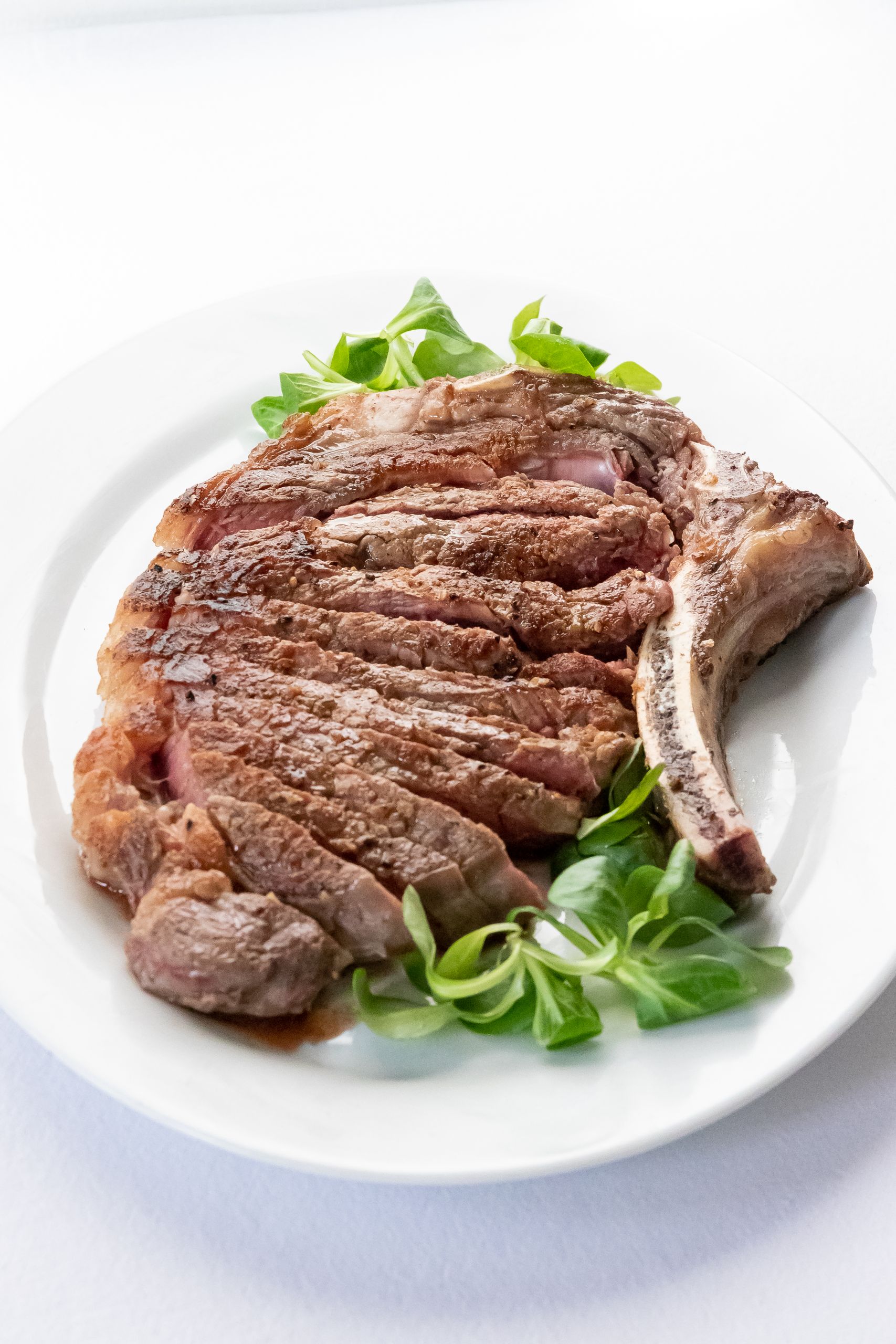
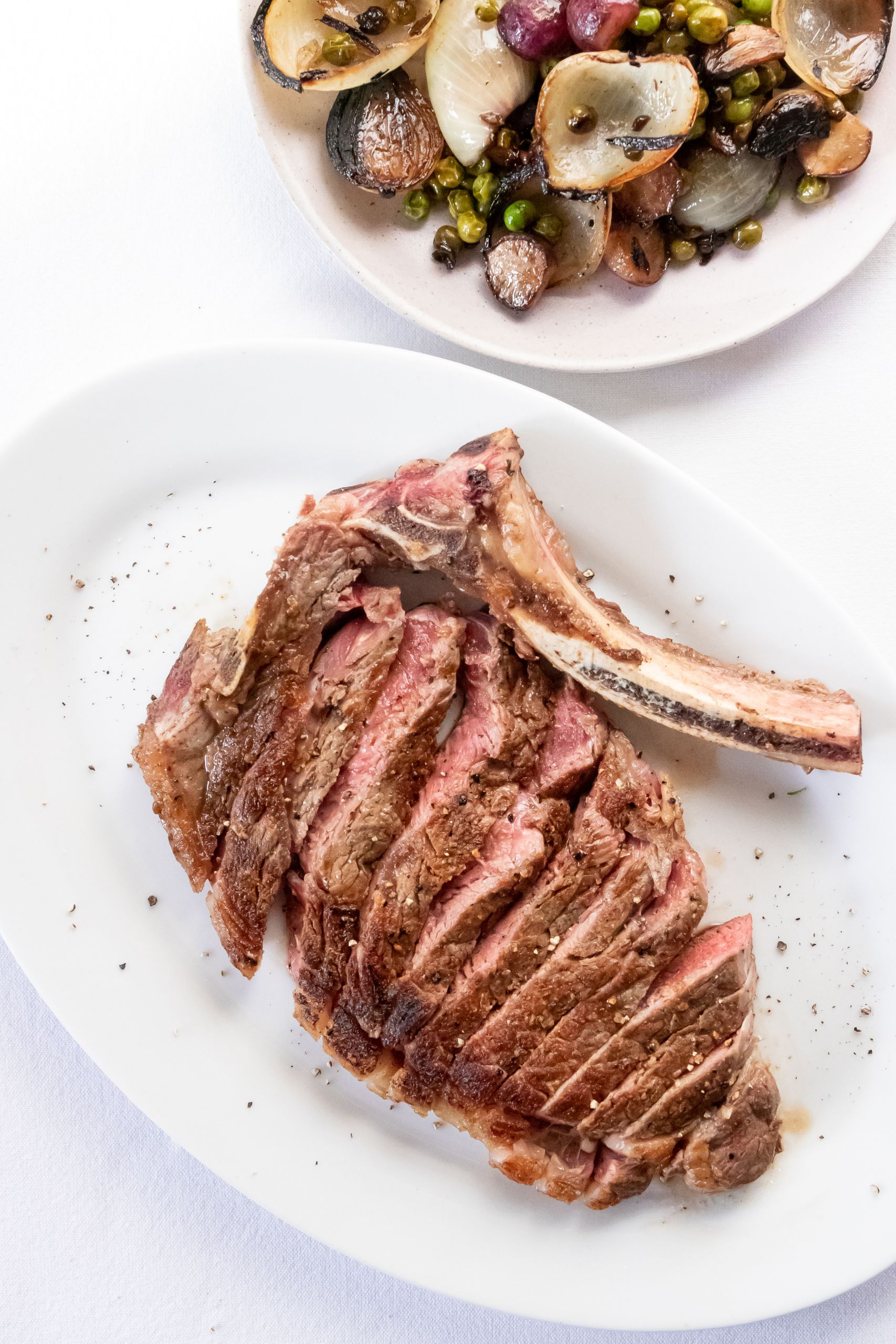
A restaurant customer has gone viral after claiming that a 6-ounce steak he ordered appeared significantly different from what he expected when it arrived at his table. According to his account, the portion size felt smaller than advertised and did not visually match the menu description. The complaint quickly gained traction online as users debated whether the issue involved miscommunication, plating style, or consumer misunderstanding of cooked versus raw weight. In the U.S. restaurant industry, steak portions are typically measured before cooking, a practice that often results in visible shrinkage after grilling. However, the incident has reignited questions about whether menu descriptions are clear enough for average diners. Consumer advocates note that disputes like this often highlight gaps in food labeling clarity rather than outright wrongdoing, but they can still damage trust between customers and chain restaurants.

Viral Spread Amplifies Restaurant Portion Size Debate Nationwide
The complaint escalated rapidly once it was shared across social media platforms, turning a single dining experience into a broader discussion about portion expectations in American restaurants. Users across multiple states began posting comparisons of their own steakhouse meals, with some agreeing that portion sizes appear inconsistent over time. Others argued that viral food posts often exaggerate normal variations in presentation and lighting. The rapid spread of the story demonstrates how digital platforms now influence public perception of restaurant quality within hours. Industry analysts say this type of viral attention can pressure brands to respond publicly, even when no official complaint or regulatory investigation exists. The discussion also reflects growing consumer sensitivity toward value perception in casual dining, especially as menu prices continue to rise across the United States.
Industry Standards on Steak Weight Fuel Confusion Among Consumers
A key issue emerging from the debate is how restaurants define steak portion sizes. In most U.S. food service operations, meat is weighed in its raw state before cooking begins, meaning the final plated product can appear smaller due to moisture loss and fat rendering. While this is standard practice across the industry, many customers assume the listed weight refers to the cooked portion. This misunderstanding often leads to dissatisfaction, even when restaurants follow established guidelines. Food service experts suggest that clearer menu explanations could reduce confusion, particularly in chain restaurants serving high-volume customers. The lack of standardized consumer education on portion measurement remains a recurring point of friction in restaurant transparency discussions, especially in cases that gain online attention.
Rising Menu Prices Intensify Public Sensitivity to Portion Perception
The timing of the complaint comes amid ongoing concerns about rising restaurant prices across the United States. Many consumers report that menu costs have increased faster than portion sizes, even though industry data show that pricing adjustments are largely driven by labor and supply chain expenses. This perception gap has become a major factor in how diners evaluate value. Even small inconsistencies in presentation or size can trigger stronger reactions when customers feel they are paying more for less. Economists note that inflation-related frustration often manifests in consumer-facing industries such as dining, where expectations are highly visible and immediate. As a result, individual complaints are more likely to gain traction online and contribute to broader narratives about affordability and fairness in the restaurant sector.
Social Media Reaction Divides Opinion on Restaurant Accountability
Public reaction to the steak claim has been sharply divided, reflecting a broader cultural split in how consumers interpret restaurant service standards. Some users argue that customers have a right to question any perceived mismatch between price and presentation, especially in an era of higher dining costs. Others believe the criticism reflects unrealistic expectations shaped by marketing images and social media comparisons. The comment sections reveal a pattern common in viral consumer disputes, where personal experiences become generalized debates about industry standards. While no regulatory complaint has been confirmed, the online discussion has effectively put informal pressure on restaurants to ensure consistency in portioning and presentation to avoid similar controversies.
Restaurant Chains Face Growing Scrutiny Over Consistency and Value
The incident highlights a broader challenge facing U.S. restaurant chains: maintaining consistency across thousands of locations while meeting rising customer expectations. Industry observers note that even minor variations in plating or portion perception can lead to reputational risk when amplified online. This is particularly relevant in competitive casual dining markets, where customers compare experiences in real time. While regulatory oversight of portion size is limited, consumer protection laws do require that advertised descriptions not be misleading. However, enforcement typically depends on clear evidence of deception rather than subjective dissatisfaction. As a result, most disputes remain in the court of public opinion rather than formal legal channels, though repeated viral incidents can still influence brand trust and long-term customer behavior.
Transparency in Food Labeling Becomes a Growing Consumer Demand
Beyond the specific steak complaint, the situation reflects a larger shift in consumer expectations around transparency in food labeling and pricing. Diners increasingly expect clearer explanations of portion weights, preparation methods, and pricing structures. Some industry experts suggest that restaurants may need to modernize menu descriptions to better align with how customers interpret value in a digital-first environment. Without clearer communication, standard practices such as pre-cooked weight measurement can continue to cause misunderstanding. The discussion also highlights how quickly everyday dining experiences can evolve into broader conversations about fairness, trust, and consumer rights within the U.S. food industry.
A Single Meal Sparks a Wider Debate on Value and Trust
What began as one customer’s restaurant experience has now grown into a wider conversation about how Americans perceive value in dining. While no official wrongdoing has been established, the viral reaction underscores how sensitive consumers have become to pricing and portion clarity. The case also demonstrates how quickly restaurant experiences can shift from personal dissatisfaction to national discussion in the age of social media. As the debate continues, it reflects a larger reality facing the U.S. restaurant industry: maintaining trust is no longer just about food quality, but also about managing expectations in an increasingly transparent and digitally connected marketplace.