Attraction in a long marriage rarely disappears overnight. More often, it fades slowly as couples stop noticing each other, stop communicating with curiosity, and begin treating the relationship like a routine rather than a partnership.
This isn’t about blaming one spouse or suggesting anyone must look or act a certain way to be loved. Attraction after 50 is deeply connected to emotional safety, respect, affection, shared experiences, and feeling seen. Research on long-term marriages finds that companionship, empathy, communication, and positive emotional behavior are central to lasting satisfaction.
Here are six habits that can quietly weaken attraction in a marriage, along with healthier ways to respond.
Treating your spouse like a roommate
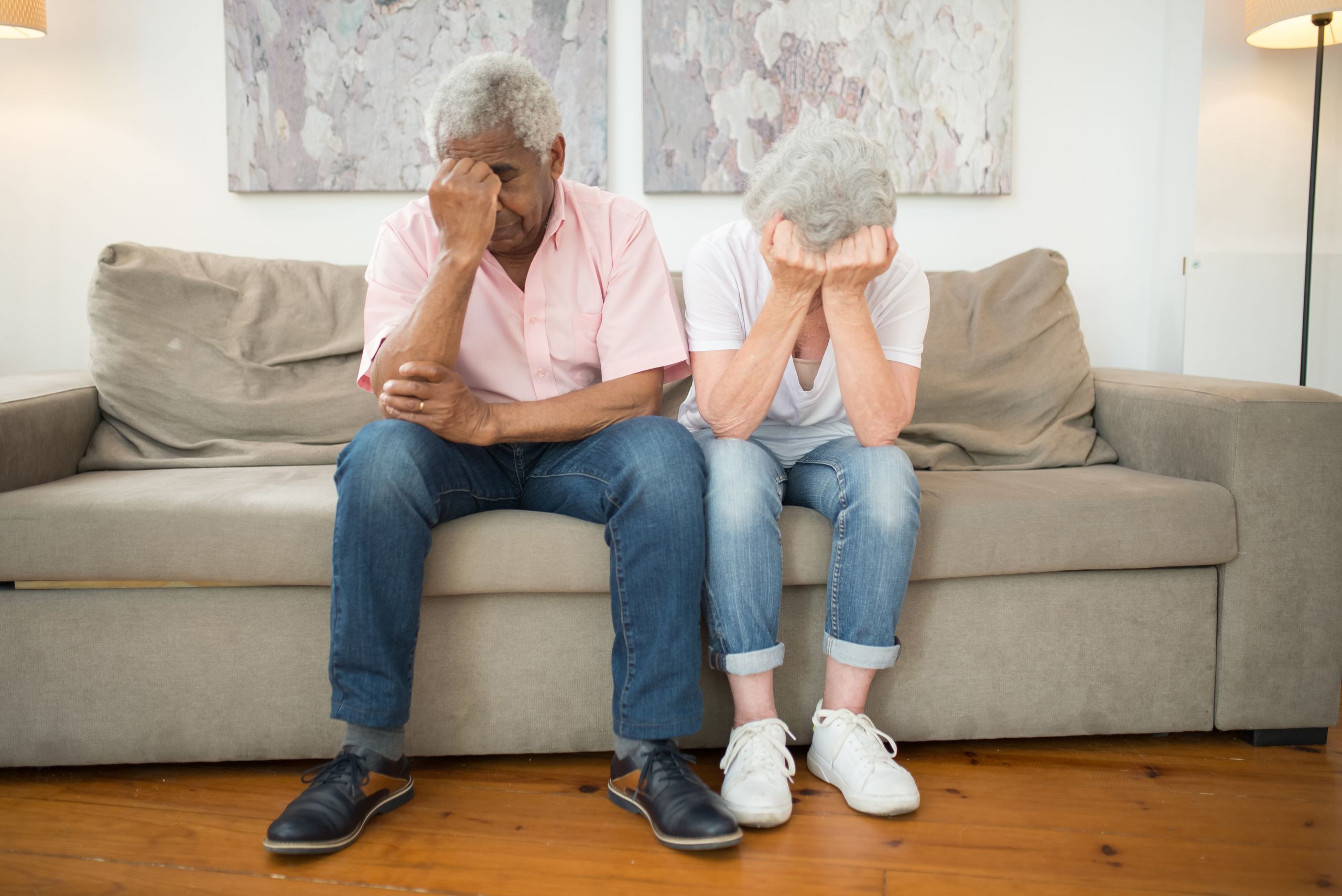
Living together can make couples forget that they are also romantic partners. Conversations may become limited to bills, chores, appointments, and household logistics.
Over time, a marriage can start to feel more like a business arrangement than a relationship. Make space for conversations that have nothing to do with responsibilities: memories, dreams, humor, opinions, and small daily moments.
Criticizing more than appreciating

Everyone notices flaws eventually. But when criticism becomes the relationship’s default language, it can make a partner feel judged rather than loved.
Research on long-term couples highlights the importance of humor, enthusiasm, validation, and acceptance. Positive emotional behavior strengthens bonds, while persistent negativity weakens them.
Try replacing “You never…” with “I would appreciate it if…” or “Can we find a better way to handle this?”
Letting resentment build silently
Unspoken hurt does not disappear. It often turns into coldness, sarcasm, withdrawal, or sudden arguments over small issues.
Instead of storing resentment, address concerns early. Use “I” statements, describe the specific behavior, and explain the impact it had on you. This makes it easier to solve the problem without turning it into an attack.
Ignoring physical affection
Affection does not always have to lead to sex. A hug, hand-holding, a kiss goodbye, or sitting close while watching television can help couples feel connected.
Physical affection often fades when couples become busy, stressed, or emotionally distant. Bringing back small, consistent gestures can rebuild warmth without pressure.
Stopping shared experiences

Couples can drift apart when life becomes all obligations and no novelty. Long-term satisfaction often comes from shared activities, mutual interests, and continued curiosity about one another.
Try something new together: a class, a day trip, a new restaurant, a volunteer project, or even a different walking route. Novelty does not have to be expensive to be meaningful.
Giving up on the relationship
Perhaps the most damaging habit is assuming that distance is permanent. Marriage is not maintained by one grand gesture; it is maintained by repeated small choices.
Couples who flourish often practice compassion, make time together, do small acts of kindness, and maintain the relationship regularly. Attraction can return when partners begin treating each other with the same curiosity, warmth, and effort they once did.
The bottom line
After 50, attraction is less about recreating the past and more about building a relationship that fits who you are now. It grows through respect, affection, communication, shared joy, and emotional safety.
No marriage is perfect. But when both partners stay willing to notice, appreciate, and choose each other, connection doesn’t have to fade with age.