Becoming a father is one of life’s most exciting experiences. But let’s be honest: holding a tiny newborn for the first time can also feel intimidating.
One minute, you’re celebrating your baby’s arrival. The next, you’re wondering how to change a diaper, prepare a bottle, or calm a crying child who seems determined to wake up the entire neighborhood.
And what happens when Mom needs a shower, a bathroom break, or simply a few minutes to herself?
That’s when Dad takes over.
Caring for a newborn isn’t just about giving Mom a break. It’s an important responsibility that requires patience, gentleness, and an understanding of what babies need.
Newborns are delicate, especially during their first few weeks. Knowing how to handle them safely can make an enormous difference.
Here are seven important things every father should understand before caring for a newborn alone.
Always Support Your Baby’s Head and Neck
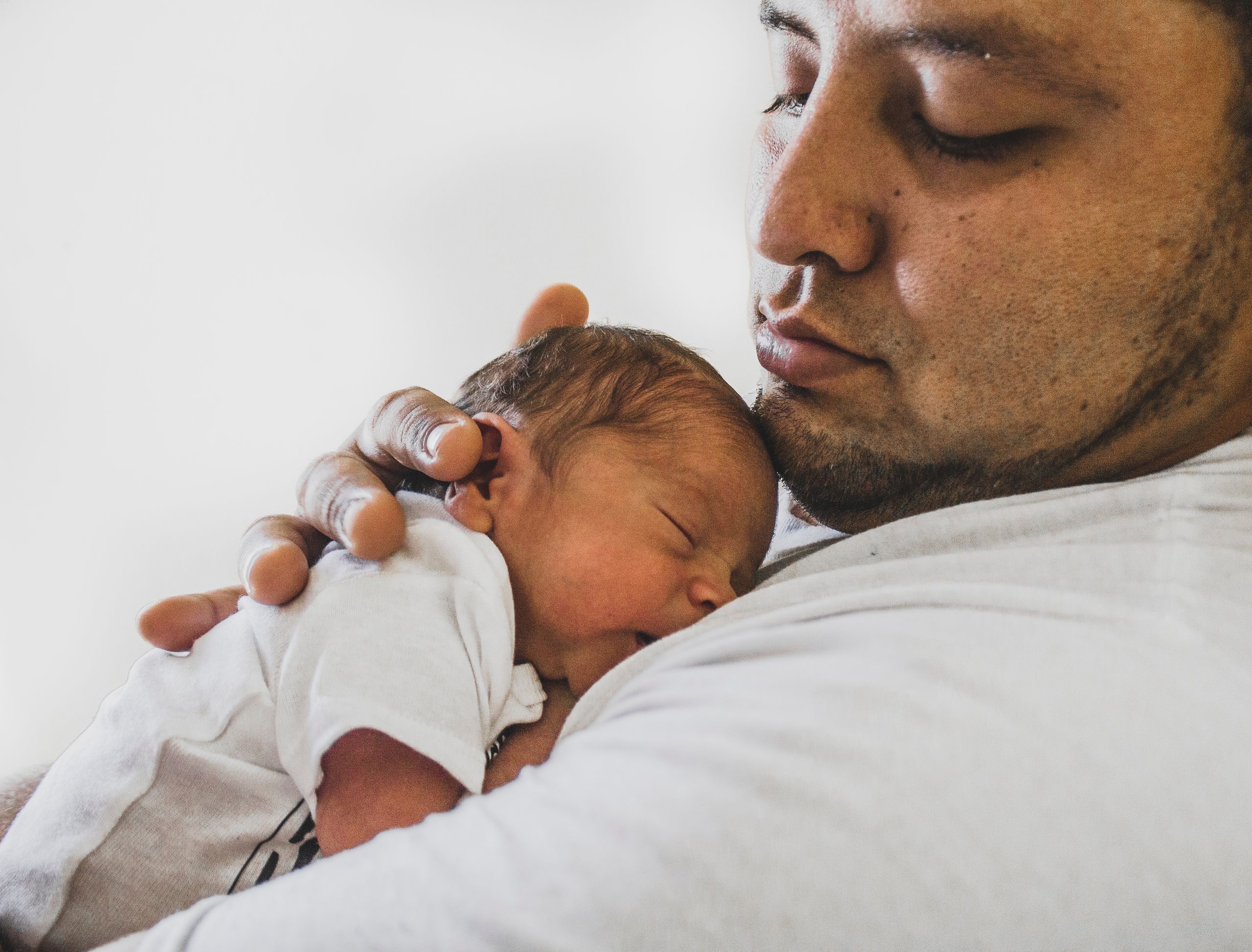
A newborn might look strong when stretching those tiny arms and legs, but their neck muscles are still developing.
Unlike older babies, newborns cannot reliably support their own heads.
That’s why fathers should always support the baby’s head and neck when picking them up, carrying them, or changing positions.
Use one hand to support the head and neck while the other supports the baby’s back and bottom.
When lifting a newborn, move slowly and keep the baby’s body supported.
Avoid pulling babies up by their arms, lifting them abruptly, or allowing their heads to fall backward.
And remember, there’s no need to squeeze a baby tightly to feel secure. Gentle, steady support is what matters.
If you’re unsure how to hold your newborn properly, ask a pediatrician or maternity nurse to demonstrate.
Never Let Frustration Decide How You Handle a Crying Baby
Here’s something every new father should understand: babies cry, sometimes for reasons adults cannot immediately identify.
They cry when hungry, uncomfortable, tired, overstimulated, or simply needing reassurance.
Sometimes, they keep crying even after you’ve checked everything.
That can be frustrating, particularly when you’re exhausted after a long day.
But crying is never a reason to handle a baby roughly.
The American Academy of Pediatrics warns that shaking an infant can cause devastating injuries, including permanent brain damage or death.
If the crying becomes overwhelming, place the baby on their back in an empty, safety-approved crib and take a short break. Call a trusted adult for help if needed.
A few minutes of crying in a safe place is far safer than being held by someone who is losing control.
Never shake, hit, throw, or handle a baby roughly, even for a moment.
Learn What Your Baby Is Trying to Tell You
Imagine being hungry, tired, or uncomfortable but having absolutely no way to explain what’s wrong.
That’s everyday life for a newborn.
Crying is one of the few ways babies communicate their needs.
Instead of panicking whenever the baby cries, fathers can learn to check the most common causes.
Perhaps the baby needs feeding. Maybe the diaper is wet. Sometimes, trapped gas causes discomfort, and gentle burping may help.
Other times, the baby wants to be held.
The American Academy of Pediatrics recommends soothing techniques such as gentle rocking, singing, soft talking, and walking while holding the baby securely.
Over time, fathers may begin noticing patterns in their baby’s behavior.
That familiarity doesn’t happen overnight. It develops through regular interaction and attentive care.
Understand That Feeding Is More Than Just Giving a Bottle

Feeding a newborn might appear simple, especially when you’ve watched someone else do it dozens of times.
But fathers should learn a few important details.
If a baby receives expressed breast milk or formula, Dad should understand the baby’s feeding instructions, how to prepare and store milk safely, and when to expect the next feeding.
During bottle-feeding, hold the baby in a supported, slightly upright position and keep the bottle in your hand.
Never prop a bottle against a pillow or leave a newborn unattended while feeding.
Watch for signs that the baby needs a pause or has had enough.
And don’t forget burping.
Some babies swallow air while feeding, which can make them uncomfortable.
Learning these basic skills helps fathers become confident caregivers rather than feeling helpless whenever Mom isn’t available.
Make Safe Sleep a Priority Every Single Time
Newborns spend a lot of time sleeping, so understanding safe sleep practices is essential.
The Centers for Disease Control and Prevention recommends placing babies on their backs for every sleep, including daytime naps.
Babies should sleep on a firm, flat mattress in a safety-approved crib or bassinet, covered only with a fitted sheet.
That means no loose blankets, pillows, stuffed animals, or soft bedding inside the sleeping space.
Although falling asleep with a baby on your chest may feel comforting, it can become dangerous if you doze off, especially on a couch or armchair.
Move a baby who falls asleep in your arms to their own safe sleeping space when you’re ready to rest.
These precautions help reduce the risk of sleep-related infant deaths.
Pay Attention to Unusual Crying or Signs of Injury
Not every cry means something serious is wrong.
However, fathers should never ignore unusual symptoms or assume that every problem can be solved with feeding or rocking.
A baby who suddenly screams in pain, cries when a particular arm or leg is touched, or has noticeable swelling may need urgent medical evaluation.
Other warning signs include difficulty breathing, unusual limpness, seizures, or difficulty waking.
A temperature of 100.4°F (38°C) or higher in a baby younger than three months also requires immediate medical advice.
If you suspect an injury, avoid repeatedly moving or testing the affected body part. Seek emergency medical care.
Fathers don’t need to diagnose every childhood condition.
They need to recognize when something seems wrong and act promptly.
Trusting your observations and seeking professional help can make an important difference.
Being a Good Father Means Taking Responsibility, Not Just Helping Mom

One of the biggest misconceptions about fatherhood is that caring for a baby is primarily the mother’s responsibility.
Dad changes a diaper, holds the baby for a few minutes, and everyone congratulates him for helping.
But parenting isn’t babysitting.
Fathers are parents, too.
Learning to bathe, feed, dress, comfort, and safely carry a newborn helps fathers share responsibilities more equally.
It also gives mothers opportunities to rest, recover, and manage their personal needs without constantly worrying.
Spending time with a newborn can help fathers recognize feeding cues, understand sleep routines, and build familiarity with their baby’s behavior.
And here’s something worth remembering: you don’t have to do everything perfectly at first.
You need to be willing to learn, ask questions, follow safety guidance, and respond gently when things become difficult.
Fatherhood is built through everyday actions, not occasional grand gestures.
The Most Important Lesson Every New Father Should Remember
A newborn cannot explain what’s hurting, protect themselves from danger, or understand why an adult is frustrated.
They depend entirely on their caregivers.
That responsibility can feel overwhelming, especially for first-time fathers, but nobody is expected to know everything right away.
Parenting skills develop through practice, guidance, and patience.
Whether you’re holding your baby for four minutes while Mom uses the bathroom or caring for them throughout the night, the same safety rules apply.
Support their head, handle them gently, respond to their needs, and never allow anger or exhaustion to turn into rough behavior.
Most importantly, remember that asking for help doesn’t make someone a less capable father.
It shows that they understand how important their baby’s safety is.
A father’s strength isn’t measured by how firmly he holds his baby, but by how carefully he protects someone who depends entirely on him.
What advice would you give a first-time father who is nervous about caring for a newborn alone? Share your thoughts in the comments.