Car depreciation can quietly become the most expensive part of vehicle ownership. A buyer may negotiate a strong purchase price, choose a sensible loan, and maintain the vehicle carefully, yet still lose tens of thousands of dollars when the resale market turns against that model. That is why vehicles with the highest depreciation deserve a closer look before we sign the papers for a new car.
The latest five-year depreciation numbers reveal a clear pattern. Electric vehicles, luxury SUVs, flagship sedans, and expensive tech-heavy models lose value faster than many mainstream cars, trucks, and hybrids. Some vehicles on this list lose more than 60% of their original value in five years, turning a dream purchase into a costly ownership lesson.
Nissan LEAF Loses Value Faster Than Any Other Vehicle
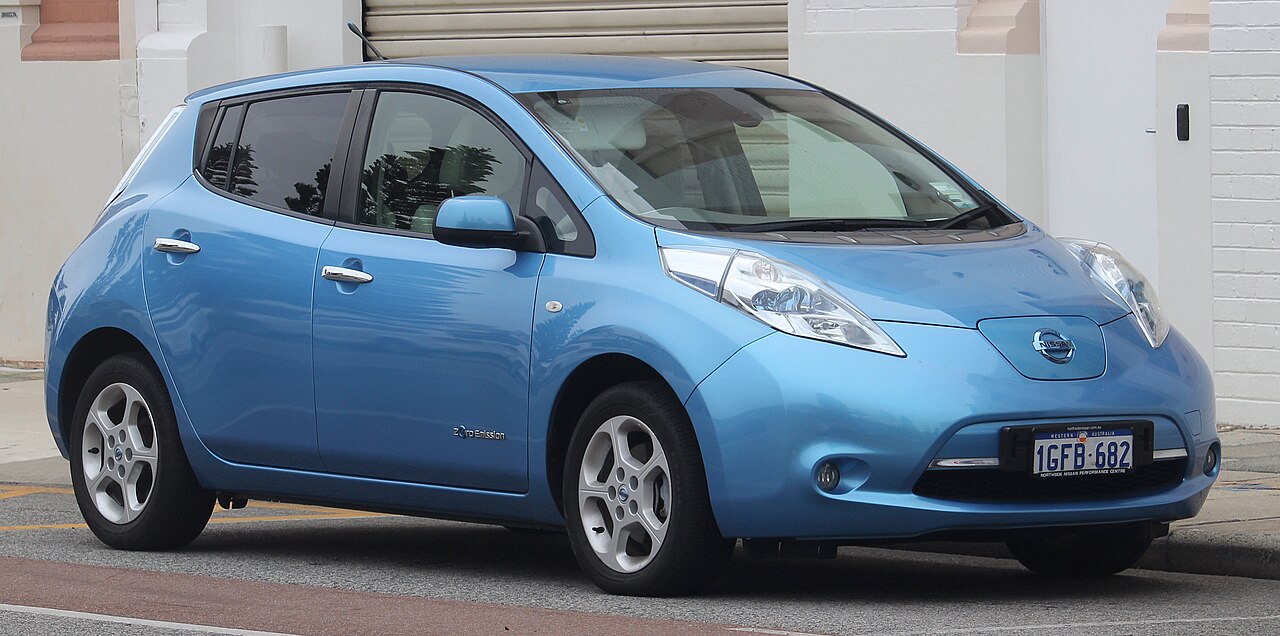
The Nissan LEAF tops the highest-depreciation list, with an average five-year value loss of 63.1%. That figure is painful, especially because the LEAF has long been known as one of the more affordable entry points into electric driving. Its average dollar loss of $17,743 is lower than that of the luxury models on this list, but the percentage loss tells a sharper story about used-market demand.
The LEAF’s biggest challenge is perception. Older models can feel dated compared to newer EVs with longer range, faster charging, fresher interiors, and more advanced battery technology. Buyers looking at a five-year-old EV often prioritize range and charging convenience first, which puts earlier LEAF models at a disadvantage.
For used-car shoppers, though, that same weakness can become an opportunity because a heavily depreciated LEAF may offer low-cost electric commuting for drivers with short daily routes.
INFINITI QX80 Turns Luxury Size Into a Costly Value Drop
The INFINITI QX80 loses an average of 62.8% of its value over five years, with an average dollar loss of $52,631. That is a serious financial hit for a large luxury SUV that already carries high ownership costs. Full-size SUVs can appeal to families who need space, power, towing capacity, and road presence, but the used market tends to punish models that feel expensive to fuel, insure, maintain, and repair.
The QX80 also faces pressure from newer competitors with more modern cabins, sharper technology, and stronger fuel-efficiency stories. Large luxury SUVs often depreciate heavily because buyers love them new but become cautious when they age. A second owner may see the size and comfort, yet also see premium fuel bills, big tires, costly service, and outdated infotainment. That combination can push resale values down fast.
Volkswagen ID.4 Shows the Risk of Buying a New EV Too Early
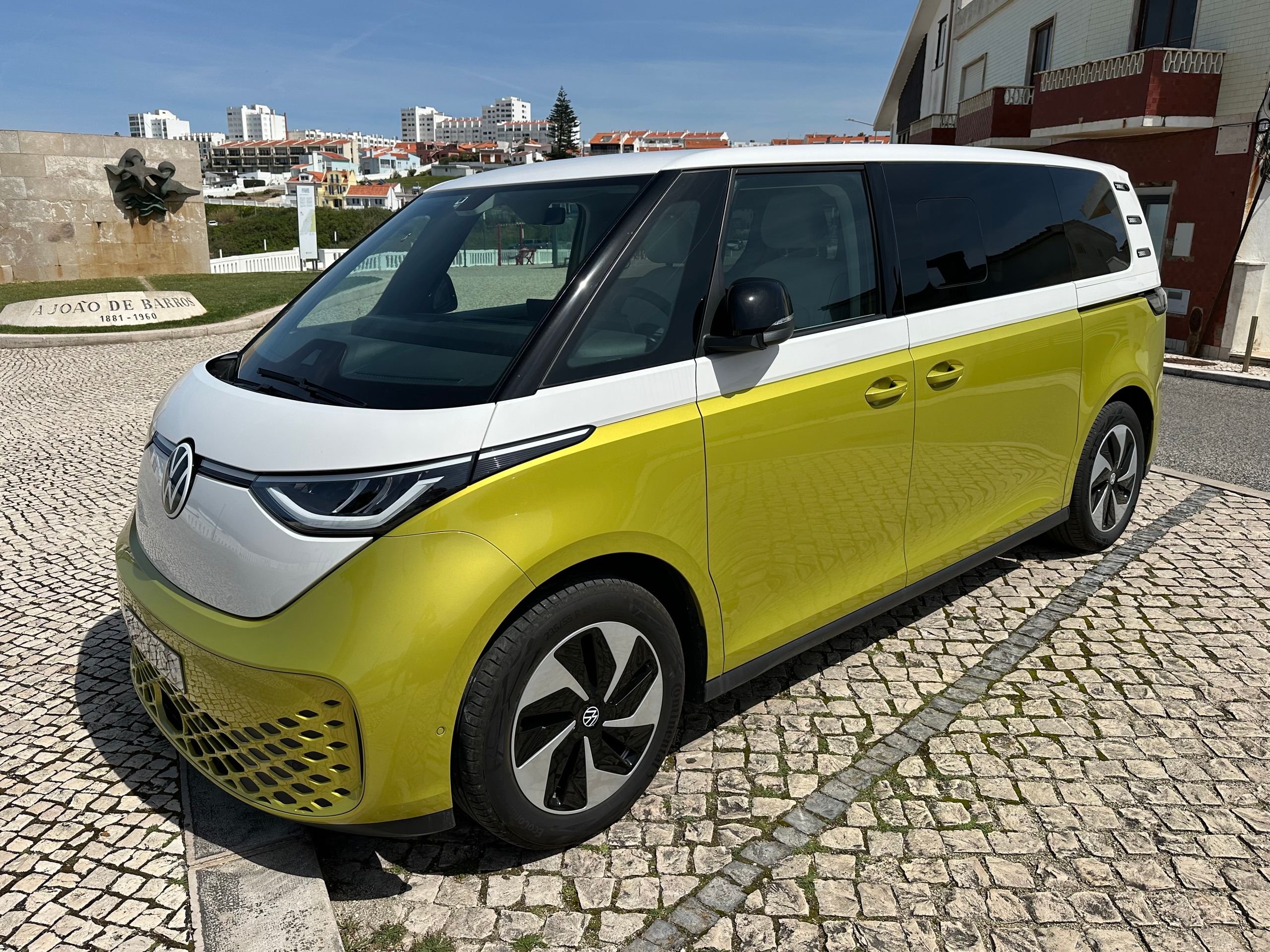
The Volkswagen ID.4 loses an average of 62.1% after five years, making it one of the hardest-hit electric vehicles in the study. The ID.4 entered the market as a mainstream electric SUV with practical appeal, but the EV market has become crowded and highly competitive. Newer models now offer better range, stronger charging networks, improved software, and more aggressive pricing.
Depreciation for the ID.4 also reflects the uncertainty many used buyers still feel about electric SUVs. Range anxiety, charging access, battery health questions, and shifting incentives can weaken demand for older EVs. Even a solid vehicle can lose value when the category it belongs to keeps moving. For buyers who want a used EV, the ID.4 may offer strong value after depreciation has already done much of the damage.
Tesla Model S Proves Prestige Does Not Protect Resale Value
The Tesla Model S loses an average of 62.0% of its original value after five years, with an average dollar loss of $58,907. That is striking because the Model S helped define the modern premium EV market. It brought long-range, dramatic acceleration, minimalist design, and over-the-air updates into the mainstream luxury conversation.
The problem is that Tesla’s pricing has shifted over time, and used Model S values respond quickly to changes in new-model pricing. A vehicle that once felt rare and futuristic can seem less special when newer Teslas offer improved efficiency, faster charging, updated interiors, and lower entry prices.
Luxury EV buyers also tend to chase the newest technology, which leaves older premium models exposed to steep resale drops.
Land Rover Range Rover Delivers Status but Bleeds Resale Value

The Land Rover Range Rover loses an average of 61.7% after five years, with the largest dollar loss in the top 10 at $69,856. Few SUVs carry the same mix of prestige, comfort, off-road heritage, and celebrity appeal. Yet that glamour does not stop the used market from pricing in high maintenance costs, reliability concerns, and expensive repairs.
A new Range Rover feels like a rolling statement. A five-year-old Range Rover can feel like a financial question mark. Used buyers may love the design and luxury, but they also know that air suspension, complex electronics, premium parts, and dealer service can become expensive quickly. That fear reduces demand and pushes prices down.
For patient shoppers with a strong repair budget, depreciation can make a used Range Rover tempting, but the purchase should never be casual.
BMW 7 Series Suffers From Flagship Sedan Depreciation
The BMW 7 Series loses an average of 61.6% over five years, with an average dollar loss of $61,141. Flagship luxury sedans often depreciate hard because they start with very high prices and compete in a segment where buyers value newness. A large executive sedan may feel advanced when new, but its technology, screens, driver-assistance systems, and cabin features can age quickly.
The 7 Series also carries the classic luxury sedan burden. The first owner pays heavily for status, comfort, performance, and premium engineering. The second owner pays a lower purchase price but also incurs higher maintenance costs, premium tires, complex electronics, and higher insurance premiums. That gap between new-car desirability and used-car caution creates severe depreciation.
Tesla Model X Loses Big Despite Its Distinctive Design
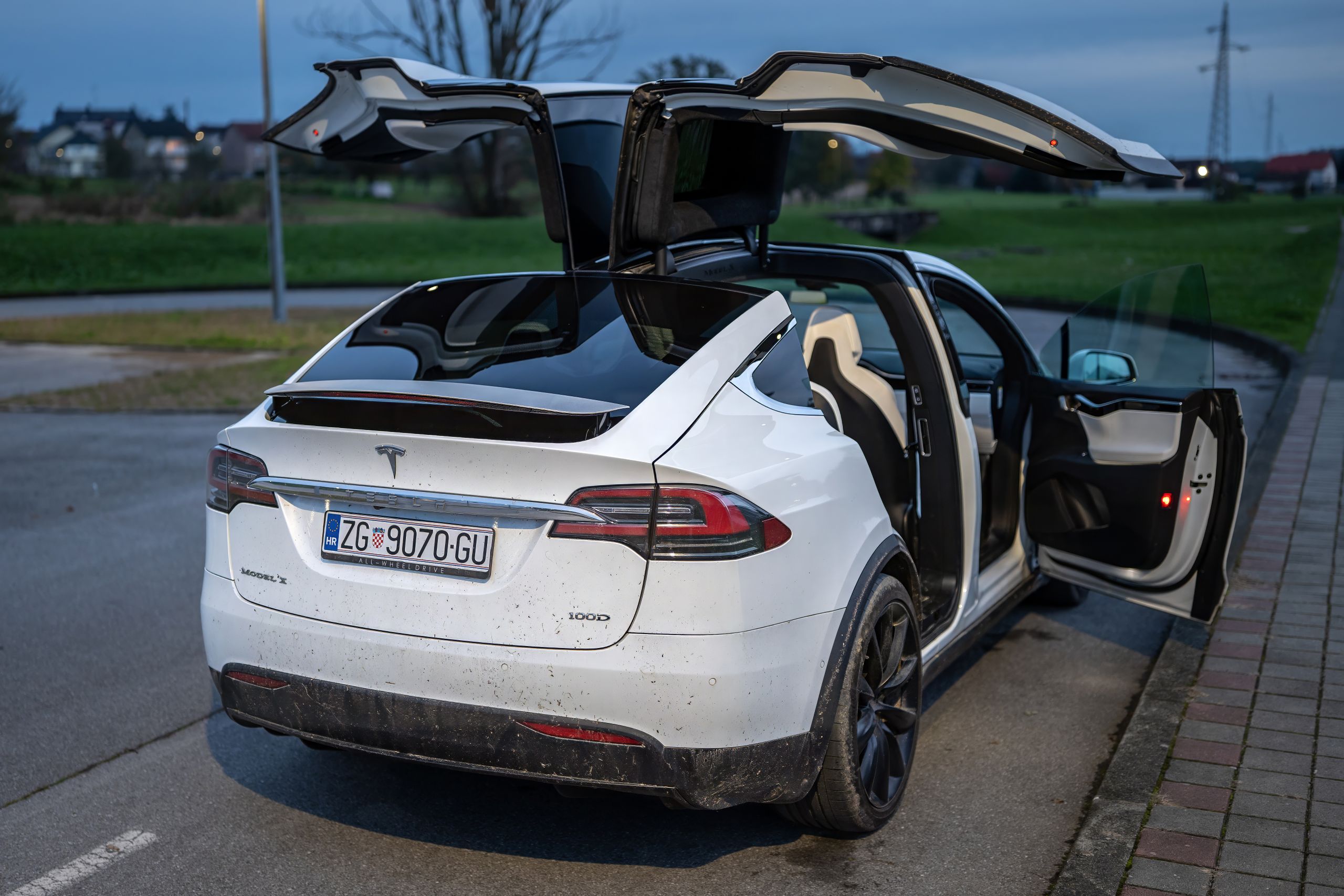
The Tesla Model X loses an average of 61.2% in five years, with an average dollar loss of $61,216. The Model X stands out for its dramatic doors, spacious cabin, strong acceleration, and family-friendly electric SUV layout. Even so, their resale value falls sharply because expensive EVs face pressure from both technological updates and shifting market prices.
Used buyers may admire the Model X, but they often compare it against newer electric SUVs with fresher designs, better build quality, longer range, or more conventional layouts. The Model X also has unique components that can worry secondhand shoppers. When a vehicle is both expensive and complicated, depreciation can become severe, especially as warranty coverage ages and repair concerns grow.
Ford Mustang Mach-E Shows How Fast EV Hype Can Cool
The Ford Mustang Mach-E loses an average of 60.8% after five years, with an average dollar loss of $22,976. When it launched, the Mach-E drew attention because Ford attached the Mustang name to an electric crossover. It offered style, performance, and a recognizable badge, giving buyers a bridge between traditional car culture and electric driving.
The resale market has been less forgiving. EV shoppers now compare the Mach-E against newer models, Tesla’s price changes, charging network access, and updated battery ranges. The Mustang name may help with awareness, but it does not fully protect the vehicle from EV depreciation. Buyers considering a new Mach-E should understand that the badge’s emotional appeal may fade faster than their loan balance.
BMW 5 Series Hybrid Loses Value Despite Fuel-Saving Appeal
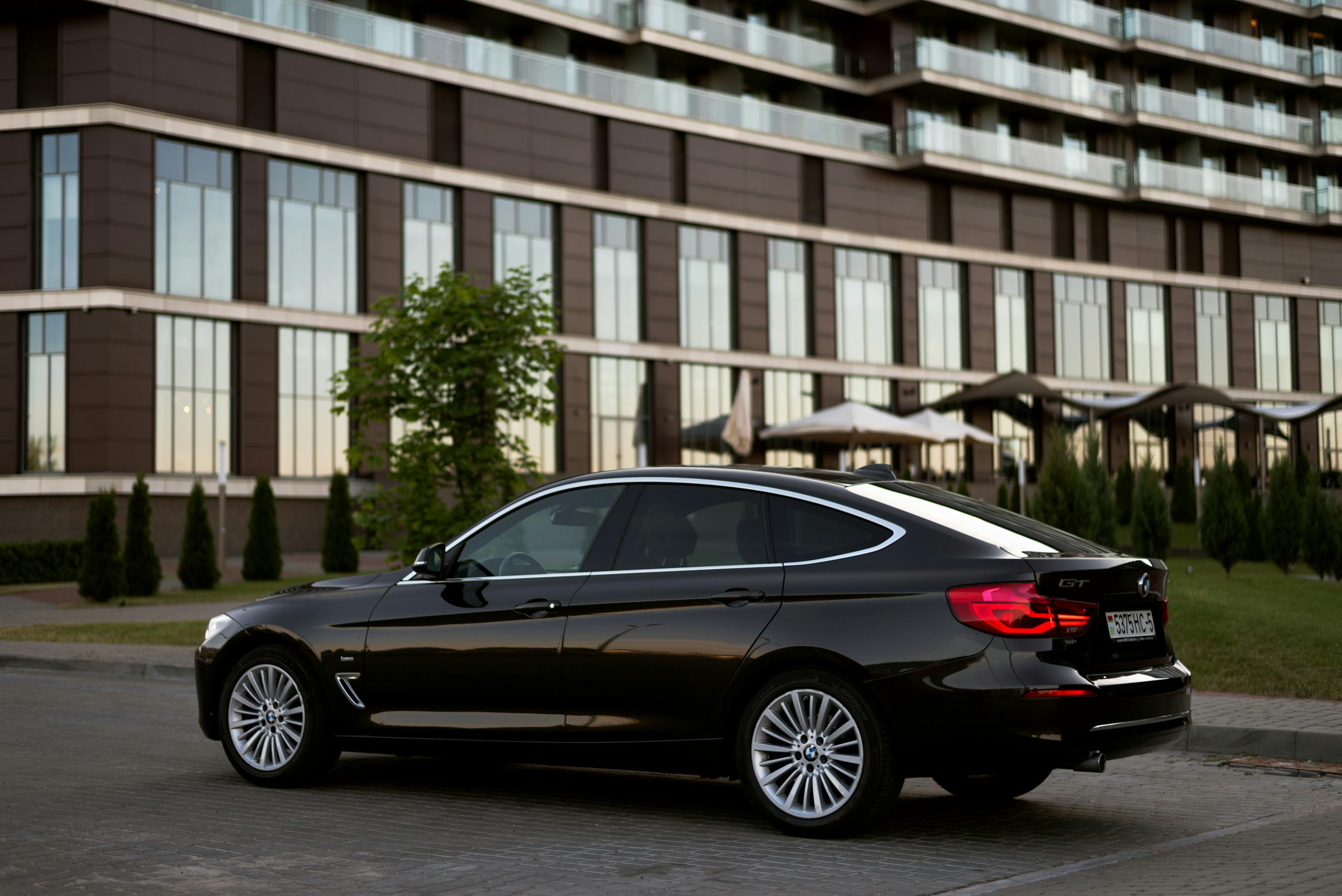
The BMW 5 Series Hybrid loses an average of 59.5% in five years, with an average dollar loss of $44,921. On paper, a luxury hybrid should hold strong appeal because it combines premium comfort with better fuel efficiency. In the used market, though, hybrid luxury cars can create hesitation because buyers may worry about battery components, repair costs, and long-term complexity.
The 5 Series Hybrid also sits between two buyer groups. Some shoppers want a traditional luxury sedan with simple familiarity, and others want a full EV with modern appeal. A plug-in or hybrid luxury sedan can get squeezed in the middle, especially when newer models offer better electric range and updated technology. That makes depreciation a serious factor for anyone buying a new one.
Conclusion
The vehicles with the highest depreciation are not automatically bad vehicles. Many are comfortable, stylish, powerful, advanced, and enjoyable to drive. The problem is that the used market does not reward every feature equally. Buyers may admire luxury, speed, and technology, but they discount heavily when maintenance, battery life, repair costs, or outdated features come into play.
For new-car shoppers, depreciation should act like a warning light on the dashboard. A beautiful vehicle can still be a weak financial choice if it loses more than half its value in five years. For used buyers, the same list can point toward serious bargains, as long as the lower price does not hide higher ownership costs. The smartest move is simple: buy with resale value in mind before depreciation makes the decision for us.