A cheating husband rarely wakes up one random Tuesday and becomes a completely different man by lunch. Most affairs grow quietly, through small secrets, emotional distance, private complaints, harmless-looking messages, and choices he keeps explaining away until the truth finally walks into the room wearing work perfume and a guilty face.
That does not excuse cheating. It explains the pattern. Married men cheat for different reasons, but the same themes keep showing up: ego, opportunity, emotional hunger, weak boundaries, resentment, sexual dissatisfaction, and the dangerous belief that secrecy can protect a marriage from the truth.
Relationship polling found that half report being cheated, while one-third admit cheating, so this is not a rare marriage problem hiding in the shadows.
Emotional neglect makes attention feel dangerous.

One major reason why married men cheat is emotional neglect, real or perceived. Some men feel unseen, unappreciated, or pushed to the edge of their own marriage, then confuse outside attention for rescue. The problem begins when he stops bringing his loneliness to his wife and starts giving that private emotional space to someone else.
This is how the office friend, gym friend, church friend, or “she just understands me” friend becomes dangerous. Emotional cheating often starts with conversation, not a hotel room. A national sample found that 76% viewed secret emotional relationships as cheating, which shows how seriously Americans now treat hidden intimacy.
Some men want validation more than partnership.
Marriage can make daily life feel ordinary. Bills arrive. Kids need attention. Work drains energy. Nobody claps when the trash goes out or when another mortgage payment clears. Some married men cheat because they want to feel admired again, even if that admiration comes from someone who only sees the polished version.
This is not about love as much as ego. The affair becomes a mirror that says, “You are still desirable. You are still interesting. You still have it.” Research on cheating motivations identifies esteem as one factor, which helps explain why some affairs are less about the other woman and more about the man’s hunger to feel powerful, wanted, or impressive again.
Sexual dissatisfaction can become an excuse.
Sexual dissatisfaction is one of the most common explanations men give for cheating. A husband may feel rejected, bored, undesired, or frustrated, then use that frustration to justify betrayal. The painful truth is that sexual disconnection can hurt a marriage, but cheating turns a marriage problem into a trust disaster.
Healthy couples talk about desire before resentment hardens. Unhealthy couples avoid the conversation until someone starts looking outside the marriage for excitement. Researchers studying infidelity found sexual desire among motives, but desire does not remove responsibility. It only explains one door some men choose to open.
Opportunity makes weak boundaries collapse.

Some married men cheat because the opportunity appears, and their boundaries are weaker than their wedding vows. Business trips, late work nights, alcohol, social media, private messaging, and casual flirting can create situations where temptation gets easier to hide. The man may tell himself nothing is happening until something has already happened.
Opportunity alone does not cause cheating. Many married men face temptation and still choose loyalty. The difference is boundaries. When a man hides conversations, deletes messages, protects a “friendship,” or starts living a private life his wife would not recognize, the marriage is already under threat.
Cheating research includes situations as a motive, especially when people act outside their normal judgment.
Resentment turns into revenge.
Some married men cheat because resentment has been sitting in the relationship for too long. They feel disrespected, controlled, ignored, criticized, or wounded, then choose betrayal as a private form of payback. This is one of the ugliest reasons: the affair becomes a weapon rather than a mistake.
A man in this mindset may not even want a new relationship. He wants to feel even. He wants to prove he still has options. He wants to hurt without saying he is hurt. Infidelity research identifies anger as a motive, which explains why some affairs feel less romantic and more like punishment.
Low commitment hides behind the word “Married.”
A man can be legally married and still emotionally uncommitted. That is harsh, but true. Some married men enjoy the comfort of marriage without fully embracing its discipline. They like the home, support, reputation, family structure, and stability, but they still behave like someone keeping a side door open.
This is why low commitment is one of the most dangerous reasons why married men cheat. It hides behind routine. He may wear the ring, attend family events, and post anniversary photos, yet privately act like loyalty is flexible. Researchers list low commitment as a motivation, which suggests that marriage status alone does not guarantee marital discipline.
Some men confuse boredom with a broken marriage.
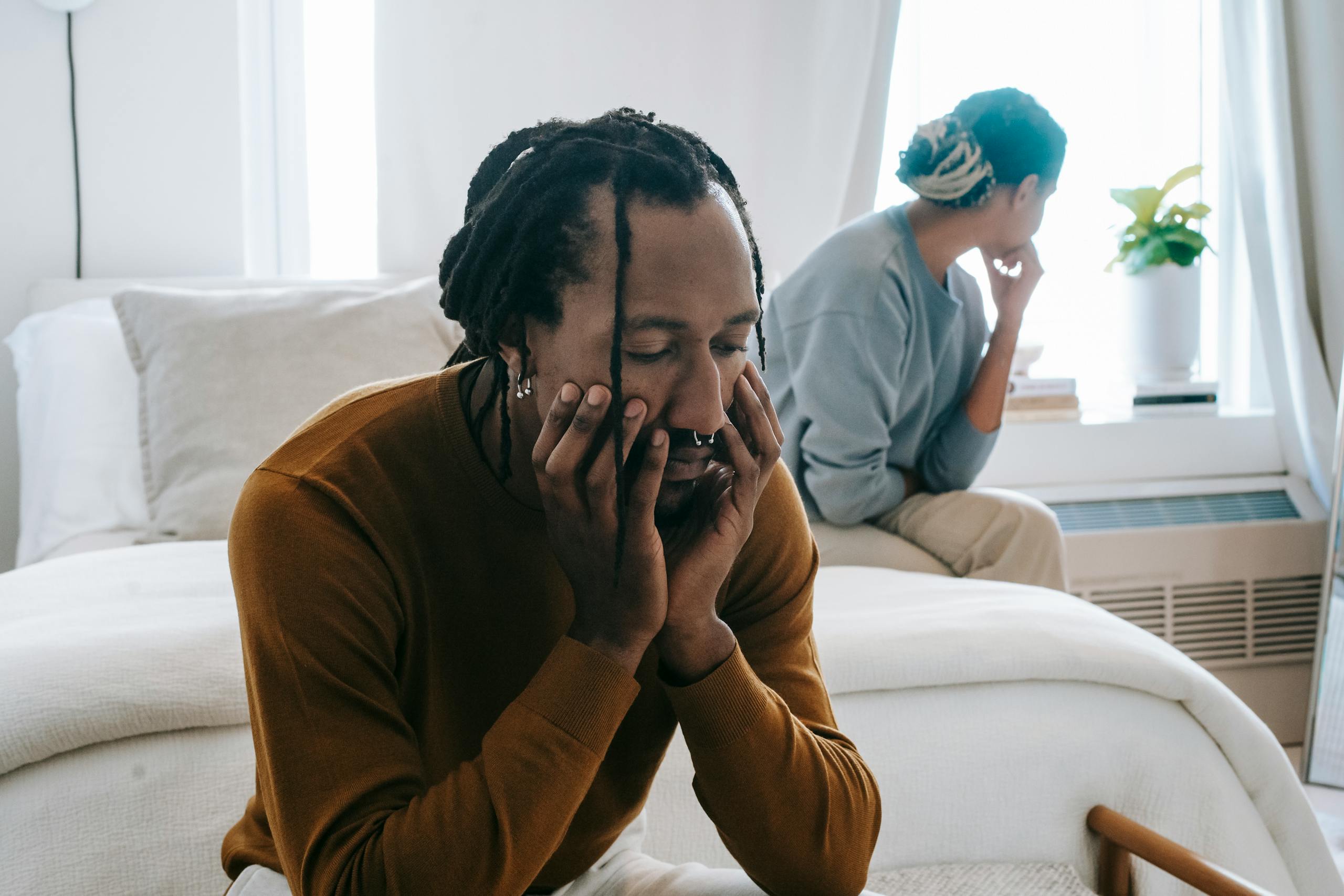
Long-term marriage can become repetitive if both partners stop feeding it. The same schedules, same arguments, same meals, same bills, and same exhausted conversations can make a man crave novelty. Instead of rebuilding excitement with his wife, he may chase the easier thrill of someone new.
The affair feels exciting because it avoids real life. There are no school forms, leaking faucets, medical bills, or boring Tuesday errands inside the fantasy. That is the trap. Cleveland Clinic notes that emotional cheating can grow when someone seeks excitement because the relationship has become routine, especially when needs are not met.
Digital secrecy makes cheating easier to start.
A lot of modern cheating begins on a phone. It starts with a like, then a reply, then a private joke, then a deleted thread, then a conversation that somehow becomes too important to mention. Social media gives married men access to old flames, coworkers, strangers, and fantasy versions of people who never have to deal with real marriage.
Digital cheating can feel harmless because there is a screen in the middle. That screen does not make it innocent. Emotional secrecy online is still secrecy, and many Americans agree. In the same national sample, 72% viewed online secrecy as infidelity when it involved a hidden emotional relationship.
Power, status, and ego can create risk.
Some married men cheat because success inflates their sense of entitlement. Promotion, money, attention, popularity, or social status can make a man believe that normal rules no longer apply to him. He may start acting like loyalty is for ordinary men, not for someone with options.
This does not mean successful men automatically cheat. It means power can test character. When admiration increases and accountability decreases, temptation gets louder. Demographic research found that 20% of married men reported sex outside marriage, compared with 13% of married women, which shows that male infidelity remains a serious marital issue in U.S. data.
Some men never learned honest conflict.

Some married men cheat because they do not know how to confront pain directly. They avoid hard talks, suppress frustration, dodge counseling, and pretend everything is fine until they build an escape route. The affair becomes a cowardly conversation they refused to have at home.
This type of cheating is especially damaging because the wife often feels blindsided. She thought the marriage was tired, not broken. He knew more was wrong, but chose secrecy over honesty. Infidelity is linked with serious emotional fallout, and research reviews describe how betrayal can damage romantic relationships to the point of collapse.
Conclusion
The reasons why married men cheat usually come down to emotional disconnection, weak boundaries, ego, resentment, opportunity, low commitment, sexual frustration, boredom, and secrecy. None of these reasons excuses betrayal.
They only explain the roads some men take when they choose escape over honesty. Since extramarital rates stayed stable, the issue is not new, but social media has made cheating stories louder, faster, and harder to ignore.
A marriage does not usually collapse because of a missed conversation. It collapses when small, dishonest choices stack up until trust can no longer breathe.
Cheating begins where honesty ends, and every marriage that wants to survive needs the same basic protection: clear boundaries, emotional courage, sexual honesty, and the willingness to say the hard thing before someone else becomes the easy escape.