America loves a strange habit story. Someone chews ice like it is popcorn at an AMC theater. Someone keeps buying things from Target that they never use. Someone tans until their skin begs for a ceasefire. At first, these behaviors sound odd, harmless, or even funny in a “you won’t believe this” kind of way.
But some habits are not just quirky. They can become compulsive, damaging, expensive, painful, or tied to a deeper health issue. The strange part is not that people struggle with them. The strange part is how normal they can look from the outside until the habit takes over.
Pica Can Make People Eat Things That Are Not Food

Pica is one of those conditions that sounds made up until you realize how serious it can become. People with pica may eat dirt, chalk, clay, paper, soap, hair, paint chips, or other items that have no nutritional value. This is not the same as trying a weird food trend on TikTok. It can involve a real urge to compulsively swallow non-food items, even when those items could harm the body.
The danger depends on what the person eats. Dirt can carry parasites. Paint chips can contain toxins. Sharp or hard objects can damage the digestive system. Pica can appear in children, pregnant people, and people with certain developmental or mental health conditions. That is why it deserves medical attention, not jokes.
Ice Chewing Can Signal Something Bigger
Chewing ice sounds innocent. Plenty of people crunch the last cubes from a drive-thru soda like they are finishing the final scene of a summer movie. But when someone constantly craves ice, plans around it, or feels uncomfortable without it, the habit may be more than a preference.
This condition is called pagophagia. It is often associated with iron deficiency because craving and chewing ice can be linked to low iron levels, with or without anemia. That makes the habit worth taking seriously. Ice chewing can also damage teeth over time, so the “funny little habit” can become a dental bill with sound effects.
Hair Pulling Can Become A Private Battle
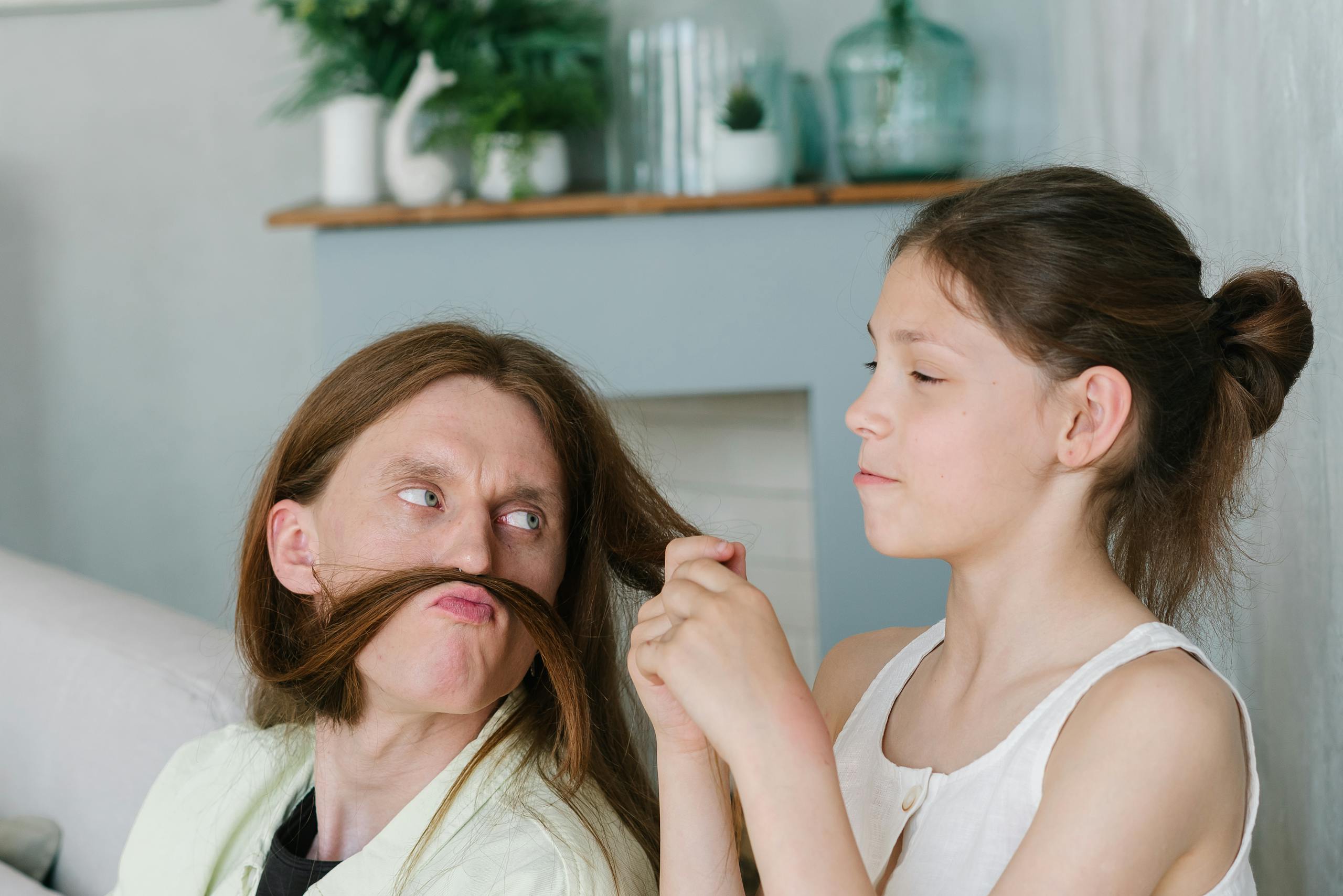
Some people twist their hair when nervous. Others tug at a strand during a stressful meeting or while watching Netflix. Trichotillomania goes further than that. It involves recurrent urges to pull hair from the scalp, eyebrows, eyelashes, beard, or other body areas.
This condition can create bald patches, shame, hiding behavior, and emotional distress. It is not simply “bad self-control.” It involves recurrent, irresistible urges that can be difficult to resist, even when the person wants to stop.
The habit may bring a moment of relief, then guilt arrives right behind it. That cycle can be lonely, especially when the person feels too embarrassed to explain what is happening.
Skin Picking Can Turn Into A Harmful Cycle
Almost everyone has picked at a scab, squeezed a pimple, or scratched dry skin. Skin picking disorder is different. It can become repetitive, intense, and damaging enough to cause wounds, scars, infections, or deep embarrassment.
This condition is also known as dermatillomania or excoriation disorder. It can involve a person who compulsively picks or scratches their skin, even when the damage becomes visible. The behavior may happen while watching TV, lying in bed, scrolling on a phone, or sitting in traffic. Outsiders may see marks. The person living with it may feel trapped between relief and shame.
Tanning Can Become More Than A Beauty Habit

Tanning addiction sounds strange until you think about American beauty culture. Spring break photos, beach vacations, pool parties, influencer skin trends, and “healthy glow” language have all helped make tanned skin feel like a form of color confidence. For some people, tanning becomes less about appearance and more about mood.
Research has explored indoor tanning as a possible behavioral addiction, with studies looking at tanning addiction symptoms and how tanning may connect to reward pathways. That matters because a person may continue tanning despite burns, concerns about aging, health warnings, or fear of skin cancer. The glow may look glamorous online, but the compulsion behind it can be risky.
Exercise Can Become Too Much Of A Good Thing
Exercise is usually praised, and for good reason. It can improve mood, strength, heart health, sleep, and confidence. In America’s hustle culture, someone who wakes up before sunrise to work out may look disciplined, focused, and inspiring.
But exercise can become unhealthy when rest feels impossible. Compulsive exercise may involve being driven to exercise excessively, even in the face of injury, illness, exhaustion, or social isolation. The person may feel guilty, anxious, or panicked after missing a workout. That is where fitness stops serving the body and starts controlling it.
Shopping Addiction Can Hide Behind “Retail Therapy”

Retail therapy is almost a national pastime. A rough day can turn into an Amazon order. A stressful week can become a Target run. A breakup can somehow lead to new shoes, scented candles, and a kitchen gadget nobody needed. One small purchase can feel like a tiny emotional reset.
The problem begins when shopping becomes a coping mechanism that creates more problems than it solves. Warning signs can include lying about purchases, hiding bags, buying things that never get used, or building debt while chasing the next emotional boost.
Compulsive buying has also been described as excessive shopping behavior that leads to distress or impairment. The purchase may feel good for ten minutes, but the guilt and bill can last much longer.
Why These Weird Addictions Are Easy To Miss
These habits are easy to overlook because their small versions seem normal. Chewing ice after a drink is normal. Buying something nice is normal. Exercising regularly is normal. Wanting clear skin or a summer glow is normal. The warning sign appears when a person loses control, keeps going despite the risk of harm, or feels unable to stop.
That is why these weird addictions are not as funny as they sound. The behavior may look odd from the outside, but the person experiencing it may be dealing with anxiety, shame, cravings, body image pressure, stress, or medical issues. Humor can make a headline clickable, but compassion makes the topic human.
Conclusion
Weird addictions often start with something small, familiar, or easy to dismiss. Ice chewing can look harmless until it signals an iron deficiency. Shopping can look fun until debt and secrecy take over. Tanning can look glamorous until risk becomes part of the routine. Skin picking, hair pulling, pica, and compulsive exercise can all hide behind private shame.
The real lesson is simple. Strange does not mean fake, and funny does not mean harmless. When a habit starts damaging health, money, relationships, confidence, or peace of mind, it deserves attention. The smartest response is not mockery. It is support, treatment, and the courage to take an unusual struggle seriously.