Watching dirt disappear from a sliding door track is satisfying. The grooves collect dust, sand, pet hair, and grime. A quick swipe with a sponge can reveal a clean surface.
It’s the kind of transformation that makes you want to grab your cleaning supplies immediately.
Sliding door cleaning hacks are popular online, showing cardboard vacuum attachments and cut sponges. However, not every trick works or is safe for every door.
Fortunately, some of the most practical cleaning methods are also the simplest. According to Andersen Windows’ official maintenance guidance, a soft-bristled brush, mild soapy water, and proper drying can help keep sliding patio door tracks clean.
Here are 11 popular cleaning tricks, with notes on which work and which to approach with caution.
Related: Cleaning Hacks To Restore Order In Your Home Fully
Related: Pet Hair Everywhere? Shark vs Bissell Vacuums to Get the House Guest-Ready
Turn an Empty Toilet Paper Roll Into a Vacuum Attachment
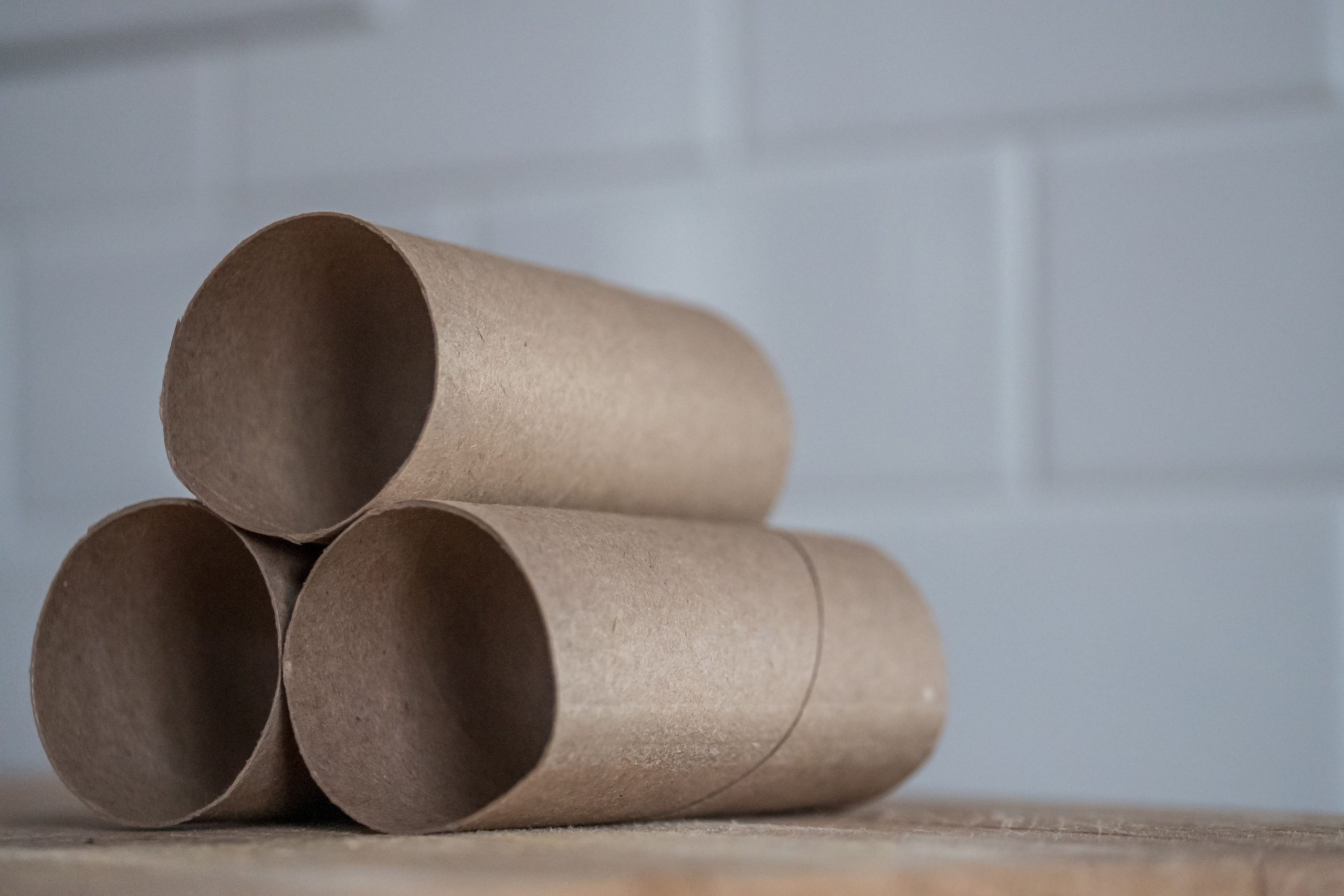
An empty cardboard tube can be a useful cleaning tool.
One popular social media trick involves attaching an empty toilet paper roll to a vacuum hose and flattening the opposite end.
The flattened cardboard creates a narrow opening that can reach into sliding door grooves where ordinary vacuum attachments struggle.
Cleaning creator Carolina McCauley helped popularize the technique, which was also featured by Better Homes & Gardens.
You don’t need to buy a special attachment, and the cardboard fits different track widths.
The trick is particularly useful for removing loose dust, crumbs, and pet hair.
However, the cardboard should fit securely and not block the vacuum hose. Avoid using a damaged tube that could break apart during cleaning.
Related: 8 Important Toilet Cleaning Hacks: Transform Your Bathroom Routine
Vacuum the Track Before Adding Water
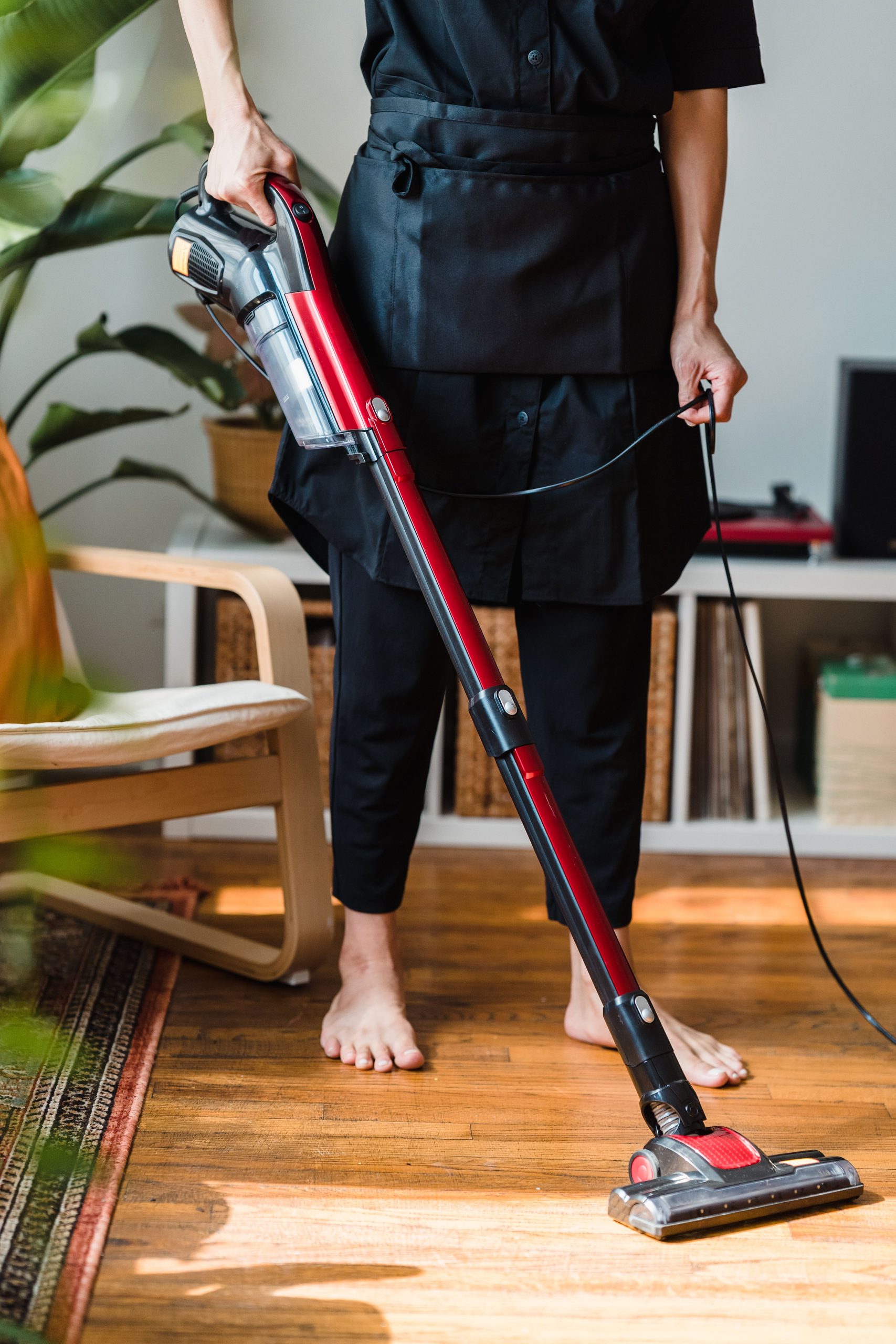
Basic cleaning steps often make the biggest difference.
Before spraying anything onto a dirty sliding door track, remove as much loose debris as possible.
Sand, dust, leaves, and pet hair can build up in the grooves, especially around doors that open onto patios, gardens, or balconies.
A vacuum with a narrow crevice attachment can reach into these spaces and remove debris before scrubbing begins.
Adding water to a dirty track can create muddy residue.
Rather than immediately reaching for a cleaning solution, start with a few careful passes of the vacuum.
It’s simple, inexpensive, and aligns with standard door maintenance.
Related: 8 Places Dust Hides in Your Home Even When Everything Looks Clean
Cut a Sponge to Match the Track’s Grooves
This cleaning hack looks clever and effective.
The idea is to take a soft sponge, mark where the sliding door rails sit, and cut shallow grooves into the sponge.
When the sponge is pressed onto the track, the cut sections fit around the raised rails, allowing several surfaces to be wiped at once.
The technique has appeared in viral cleaning videos covered by Nine’s collection of sliding door cleaning tricks.
Use a non-scratch sponge on coated or painted metal.
For example, a three-pack of Scotch-Brite Zero Scratch Scrub Sponges has been listed at approximately $3.49 at Target, although prices vary.
The method works best if the sponge fits the track closely.
Make any cuts on a stable surface away from the door, and test the sponge gently before scrubbing.
Use an Old Toothbrush for Stubborn Dirt
Try using an old toothbrush before buying specialized cleaning tools.
A soft-bristled toothbrush can reach narrow corners and grooves that ordinary cloths cannot clean easily.
Mix a small amount of mild dish soap with warm water, dip the brush into the solution, and gently scrub the dirty areas.
The bristles help loosen grime without requiring excessive force.
This method closely follows Andersen’s recommendation to use mild soapy water and a soft-bristled brush when cleaning compatible gliding door tracks.
Avoid aggressive scrubbing or harsh chemicals that could damage protective finishes.
A toothbrush often suffices after you vacuum up loose debris.
Try a Small Crevice Brush for Tight Corners
A regular toothbrush may not reach every space around a sliding door.
That’s where a small detailing brush can help.
The OXO Good Grips Deep Clean Brush Set, for example, contains two brushes with nylon bristles and non-slip handles.
The smaller brush also includes a wiper blade designed for reaching narrow crevices.
According to OXO’s product listing, the set is priced at about $9.99.
A reusable detailing brush is useful for regularly cleaning tight spaces like sliding doors and window frames.
However, there’s no need to purchase one if an existing soft toothbrush does the job.
Use any built-in wiper or scraping edge carefully to avoid marking delicate surfaces.
Related: Sonicare vs Oral-B vs Aquasonic vs Made by Dentists: Which Electric Toothbrush Fits Your Routine?
Wrap a Microfiber Cloth Around a Toothbrush
Scrubbing loosens dirt, but removing it from the track can be challenging.
One clever solution is to wrap a thin microfiber cloth around a toothbrush head.
The brush provides a narrow shape, while the cloth absorbs moisture and collects loosened grime.
You can guide it along the grooves, paying particular attention to corners where residue tends to remain.
This technique appears in Carolina McCauley’s cleaning demonstrations.
It’s especially useful after using soapy water, as it helps remove remaining dirt rather than spreading it.
Make sure the cloth is securely wrapped so loose fabric doesn’t catch on the door hardware.
Use a Damp Cloth Instead of Flooding the Track
More water doesn’t automatically mean a cleaner sliding door.
Pouring too much cleaning solution into the grooves can cause problems instead of washing away dirt.
But excess moisture can linger around hardware and in hard-to-dry spots.
A lightly dampened microfiber cloth is often a more controlled option.
After scrubbing, wipe away the dirty water and soap residue. Follow with a clean, slightly damp cloth when rinsing is needed, then dry the area thoroughly.
Andersen’s maintenance instructions emphasize rinsing and allowing the track to dry before closing the door.
The goal is to remove grime, not leave puddles.
Clean Tiny Corners With Cotton Swabs
Some sliding door tracks have narrow corners that even a toothbrush struggles to reach.
Cotton swabs offer a simple solution for these small areas.
Lightly dampen a swab with mild soapy water and use it to lift dirt from the corner. Follow with a clean swab or cloth to remove moisture and residue.
This method is best for small touch-ups rather than cleaning the entire track.
This is a practical extension of the manufacturer-recommended soft-tool cleaning approach.
However, cotton swabs aren’t suitable for every opening.
Avoid pushing them into drainage holes or mechanical parts where fibers could become trapped.
The best cleaning tool is the one that fits without causing damage.
Check the Drainage Openings Before They Become Clogged
Not every dirty sliding door problem involves dust that can be wiped away.
Some patio door systems have small drainage openings, often called weep holes, that let water escape outside.
When debris blocks these openings, water may collect where it shouldn’t.
During cleaning, inspect the visible drainage areas and remove accessible loose debris according to the manufacturer’s instructions.
Avoid poking sharp metal objects into the openings or using high-pressure water if you don’t know how the drainage system works.
Different door designs have different requirements, so what works for one model may not be appropriate for another.
This may not be flashy, but it’s important for maintaining sliding doors.
Move the Door to Reach Hidden Sections
You might spend several minutes scrubbing the visible part of a sliding door track, only to discover another dirty section when the door moves.
The sliding panel covers parts of the track, depending on its position.
Instead of cleaning only the exposed area, carefully slide the door to access additional sections.
Vacuum and wipe the newly exposed areas before returning the door to its original position.
This method requires no special products or tools.
Just remember that heavy sliding doors should never be forced, particularly if the rollers are damaged or the door is sticking badly.
Keep fingers away from pinch points, and don’t try to remove a heavy glass panel without following the proper instructions.
Don’t Spray Lubricant Everywhere
One viral shortcut that deserves caution involves spraying lubricant along an entire sliding door track.
It might seem logical to add lubricant if the door is hard to move.
Unfortunately, that isn’t always how sliding door systems are designed to work.
Andersen specifically advises against applying WD-40 or oil-based lubricants to its gliding patio door systems.
For applicable models, the company recommends an appropriate dry lubricant on the rollers rather than lubricating the track itself.
Rollers should roll on the track, not slide on lubricant.
The wrong product can attract dirt or affect operation.
If the door remains difficult to open after cleaning, consult the manufacturer’s maintenance guidance. Worn or misaligned rollers may require adjustment or repair.
Are Viral Cleaning Hacks Worth Trying?
Sliding door cleaning videos show how satisfying it is to clean a neglected space.
But the most entertaining method isn’t necessarily the safest one.
Some online demonstrations involve bleach-soaked paper towels, strong chemicals, abrasive tools, or combinations of baking soda and vinegar.
While these approaches may produce dramatic footage, they aren’t automatically suitable for every door material or finish.
Manufacturer-approved cleaning methods offer a more reliable starting point.
For many homeowners, a vacuum, mild dish soap, a soft brush, and a microfiber cloth may be enough.
Andersen recommends cleaning its patio door tracks and rollers at least once a year, or more often in dusty environments.
The cleaning schedule depends on the door model and local conditions.
The best cleaning hack removes dirt without damaging the door, not the one with the most dramatic video.
So, here’s a question worth asking: Would you trust a cleaning hack because millions of people watched it, or would you rather stick to the simple cleaning methods recommended by the people who made your door?
Often, the best household trick is using the supplies you already have.