Forty years of marriage means thousands of mornings, countless ordinary dinners, difficult conversations, and disagreements that probably seemed much bigger at the time. Yet when couples celebrate their 40th, 50th, or even 60th wedding anniversary, people often ask the same question: What’s the secret? Perhaps the answer isn’t found in the wedding photographs or the grand anniversary celebrations. It’s hidden in the smaller moments that rarely get noticed. The conversation after a difficult day. The familiar joke that still makes someone smile. The quiet decision to reach for each other after an argument.
Cornell sociologist Karl Pillemer explored this question through his Marriage Advice Project, gathering wisdom from more than 700 individuals. In a 2015 Cornell account, the marriages represented averaged 44 years. Their experiences offer a revealing perspective on lasting relationships. Although these accounts cannot prove what makes a marriage endure, they highlight eight everyday habits worth appreciating.
They Kept Having Conversations That Actually Mattered

After decades together, conversations can easily become practical. Who’s picking up groceries? What’s happening this weekend? Did someone remember to pay the electricity bill? But sharing a household isn’t necessarily the same as sharing your inner world. According to Cornell University’s Marriage Advice Project, communication emerged as one of the leading lessons from people with decades of marriage experience.
The meaningful conversations weren’t limited to cheerful subjects. They also involved expressing worries, discussing difficult decisions, and addressing concerns rather than leaving them unspoken. The lesson is less about talking constantly and more about remaining genuinely interested in what the other person thinks and feels. Even after 40 years, there can still be something important to discover about the person sitting across the dinner table.
They Kept Listening, Even When They Disagreed
There’s a difference between hearing someone’s words and making them feel heard. Long marriages don’t necessarily eliminate disagreements, but some couples become more thoughtful about how they handle them. Grace Lewis, who had been married for 54 years when CBS New York interviewed her, offered straightforward advice: “If you want the relationship to last you have to listen carefully.”
Her observation parallels research from Berkeley and Northwestern. Researchers studying 87 long-married couples observed their interactions during disagreements over approximately 13 years. They found that validation, including attentive listening, increased over time. That doesn’t mean every disagreement ended peacefully. It suggests something more realistic: Couples can disagree while still acknowledging that their partner’s perspective deserves attention. Sometimes, feeling understood matters more than winning the argument.
They Kept Laughing Without Expecting Every Day to Be Happy
There’s something comforting about couples who can still make each other laugh after decades together. They know each other’s familiar stories, predictable reactions, and occasionally ridiculous habits. But that doesn’t mean their marriage has been one continuous romantic comedy. Joy Walters, married to Gary for 54 years when interviewed by BBC News, emphasized the importance of humor while acknowledging, “Don’t get me wrong, we haven’t been laughing every day.”
That distinction matters. The Berkeley and Northwestern longitudinal study also found that humor increased over time among participating couples. Keeping a sense of humor doesn’t require pretending everything is wonderful. Sometimes, it simply means preserving the ability to share a lighthearted moment when life becomes complicated.
They Kept Appreciating the Little Things
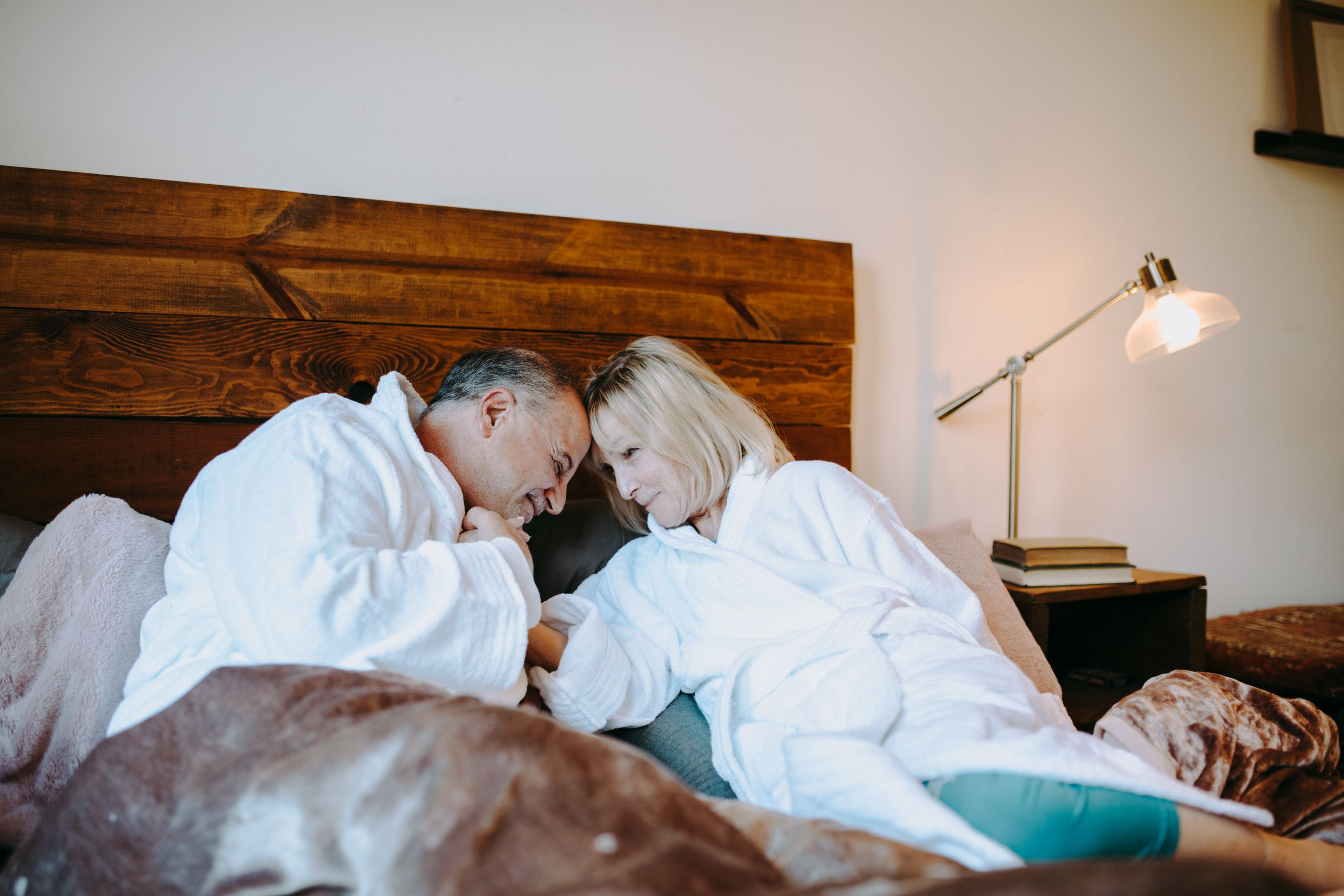
Grand romantic gestures tend to attract attention. Flowers, surprise trips, and elaborate anniversary dinners are memorable, but everyday appreciation often happens without an audience. It might be noticing that someone handled an unpleasant chore, remembering their partner’s preferences, or acknowledging an effort that could easily have gone unnoticed.
A 2010 study by Sara Algoe, Shelly Gable, and Natalya Maisel found that everyday gratitude predicted greater relationship connection and satisfaction the following day. Importantly, the researchers studied cohabiting romantic couples, not specifically people married for more than 40 years. Still, the finding offers a useful perspective: Appreciation doesn’t have to wait for a special occasion. Sometimes, recognizing an ordinary kindness gives an otherwise forgettable day a little more meaning.
They Kept Finding Their Way Back After Arguments
Even couples who deeply love each other can say the wrong thing, misunderstand intentions, or become frustrated over familiar problems. What makes some long-married couples’ stories especially compelling isn’t the absence of conflict. It’s their willingness to reconnect afterward.
The Gottman Institute describes repair attempts as words or actions that interrupt escalating negativity during disagreements. Marion Glassaroe, married for 63 years when interviewed by CBS New York, captured that persistence beautifully: “And you have to pick yourself up and start over again. And you do that on a pretty regular basis.” No one suggests every argument must disappear immediately. The more meaningful idea is that a difficult conversation doesn’t always have to become a lasting division.
They Kept Treating Marriage Like a Partnership
Marriage involves countless shared decisions, from everyday household responsibilities to major changes in family life. When those decisions become competitions, it’s easy to lose sight of the fact that both people are navigating the same circumstances. Teamwork was another major lesson identified through Pillemer’s Marriage Advice Project.
John Ferrari, married to Norma for 70 years when interviewed by Saga, explained their approach: “The secret is always working together, sharing our worries and respecting each other.” His words suggest a partnership built around cooperation rather than keeping score. Being teammates doesn’t mean always agreeing or contributing in the same way. It means recognizing that a challenge facing one partner can become something both people approach with consideration and shared responsibility.
They Kept Making Ordinary Time Together Count

Not every meaningful memory comes from a holiday, expensive outing, or carefully organized celebration. Sometimes, the most familiar activities become the ones that define a life together. Henry Baker, who had been married to Molly for 64 years when interviewed by Saga, described shared experiences involving choir, bowls, and church.
Broader research also supports the value of everyday interactions. In a study of 49 newlywed couples, researchers Janice Driver and John Gottman found an association between playful, enthusiastic everyday interactions and positive emotion during conflict. The study wasn’t conducted among couples married for four decades, but it helps explain why ordinary shared moments deserve attention. A marriage isn’t lived only during major milestones. Most of it unfolds between them.
They Kept Their Small Rituals of Affection
After decades together, affection doesn’t always need an elaborate announcement. For some couples, it becomes part of the daily rhythm, expressed through familiar words or gestures that might seem unremarkable to anyone else. Valerie Harris, who had been married to Ray for 58 years when Saga interviewed her, described their bedtime tradition: “At bedtime, it’s always: ‘Night night, God bless, I love you’.”
It’s a simple ritual, yet deeply personal. Those familiar words didn’t need to be original or dramatic to remain meaningful. They belonged to the couple and the life they had created together. And perhaps that’s the most touching thread running through these long-marriage stories: Love doesn’t always become more complicated with time. Sometimes, its most recognizable expressions become beautifully simple.
The experiences of couples married for 40 years or longer aren’t a guaranteed formula for marital success. They represent relationships that endured, with all the individual circumstances those stories cannot fully capture. Still, they offer something worth considering. A lasting marriage may be remembered through the anniversaries. Still, much of its story is written in ordinary moments: listening, laughing, appreciating, reconnecting, and continuing to choose companionship as the years pass.