Dawn dish soap has earned a permanent spot beside countless kitchen sinks, and for good reason. It cuts through greasy dishes, tackles stubborn messes, and comes in handy for plenty of household chores. But just because it works wonders on dirty plates doesn’t mean it belongs everywhere in your home. Some popular cleaning tricks can leave behind sticky residue, damage protective finishes, or create a bigger mess than the one you started with. Before you grab that familiar blue bottle for your next cleaning project, here are ten mistakes worth avoiding.
Never Pour Dawn Into Your Dishwasher
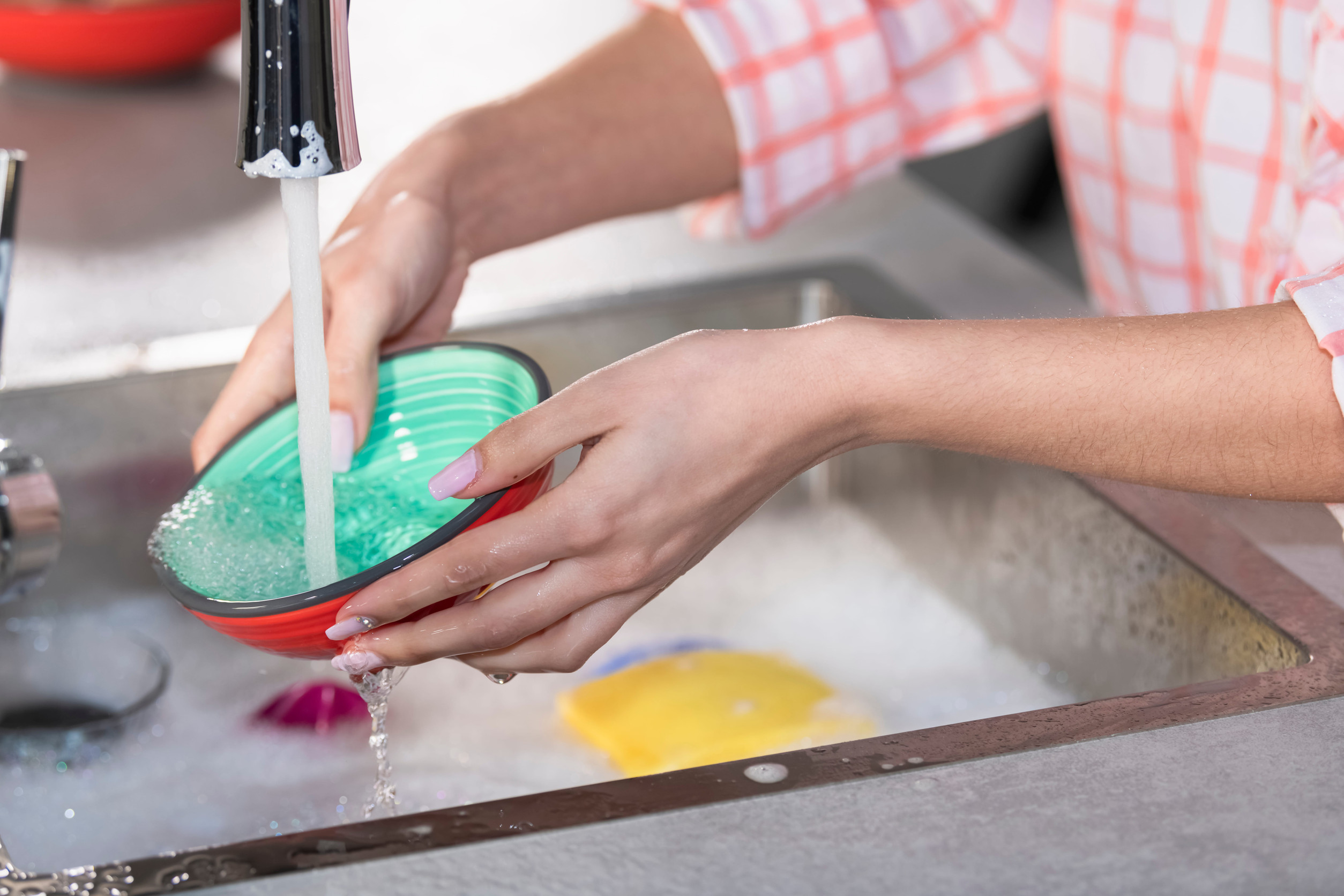
Running out of dishwasher detergent is frustrating, especially when the sink is already overflowing with dirty dishes. Reaching for Dawn might seem like an easy solution, but it’s one shortcut you could regret.
Regular dish soap produces far more suds than automatic dishwashers are designed to handle. According to Whirlpool, using it can cause excessive foaming, leaks, and poor cleaning performance.
Even dishes covered in leftover handwashing soap can create problems during a wash cycle.
The smarter move? Wash your dishes by hand until you can get proper dishwasher detergent. Your kitchen floor will thank you.
Don’t Use Dawn as Laundry Detergent
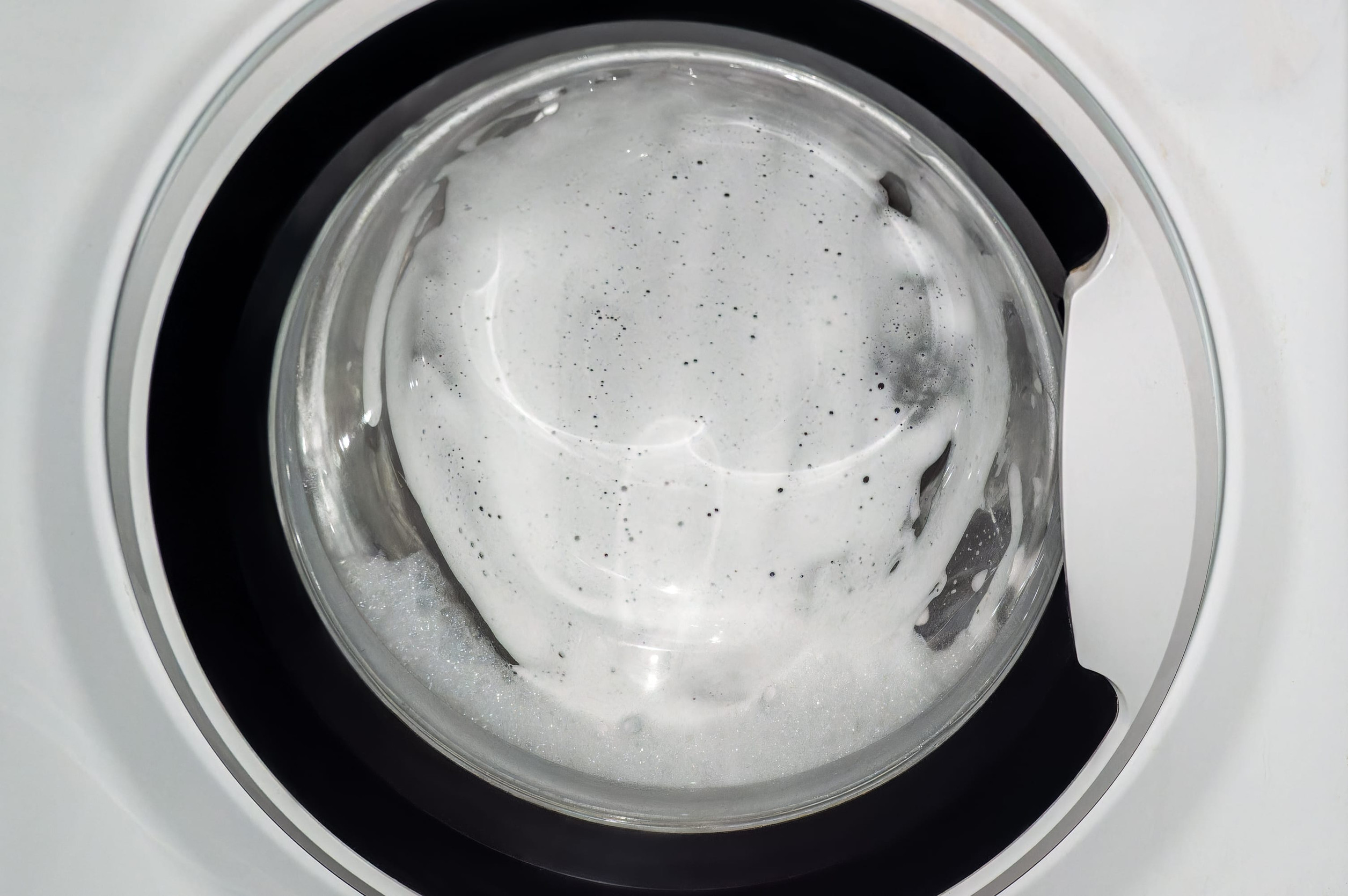
That grease-fighting power might make Dawn look like a budget-friendly laundry solution. Unfortunately, washing machines aren’t designed for large amounts of regular dish soap.
Too much foam can interfere with rinsing and leave you dealing with an unnecessarily messy wash cycle. High-efficiency machines are particularly sensitive to excess suds.
There’s an important difference between treating a greasy stain and replacing your regular detergent.
Dawn’s laundry guidance allows limited stain pretreatment with certain products under specific conditions. That doesn’t mean you should fill your machine’s detergent dispenser with blue Dawn Ultra.
Stick with laundry detergent formulated for your washer, and follow the product instructions when treating stains.
Don’t Make Dawn Your Regular Car Wash
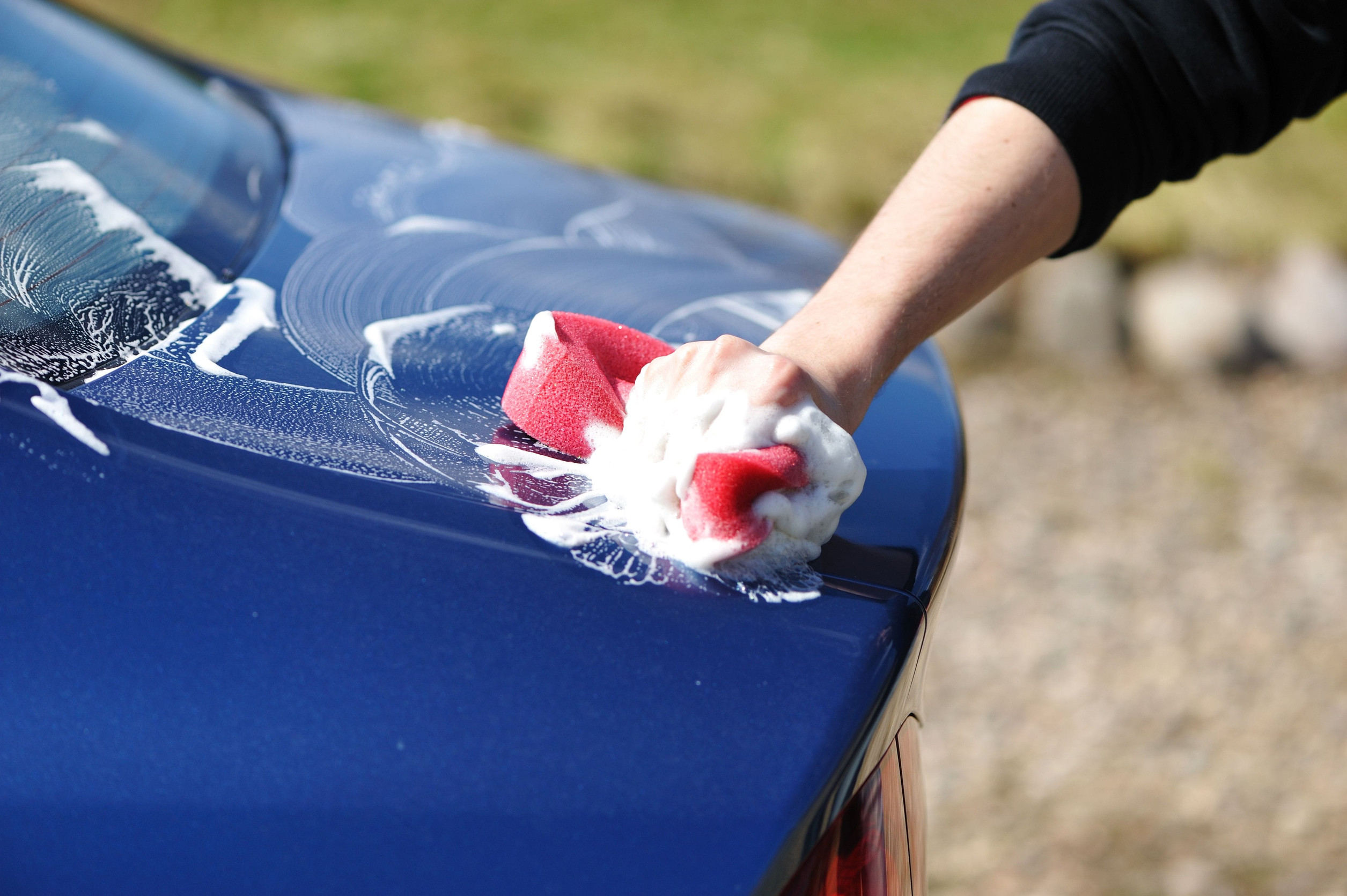
Your car is covered in dirt, and you’ve already got a bottle of Dawn sitting in the garage. Why spend money on car shampoo?
Here’s the catch: your car’s finish may have protective wax or another coating that ordinary dish soap isn’t designed to preserve.
According to Meguiar’s, dishwashing detergents can strip wax protection.
That doesn’t mean one wash will automatically destroy your paint. The bigger issue is gradually undermining the protection you’ve worked to maintain.
Choose an automotive shampoo compatible with your vehicle’s finish and existing coating. A clean-looking car isn’t necessarily a properly protected one.
Never Soak Hardwood Floors With a Strong Dawn Mixture
A bucket of warm water and a generous squeeze of Dawn might sound like a simple way to clean hardwood floors.
However, hardwood flooring requires more careful handling than kitchen tiles.
The National Wood Flooring Association recommends avoiding wet mops and using cleaning products appropriate for the floor’s finish.
Excess moisture can create problems for wood flooring, and a concentrated soap solution may require additional rinsing to remove leftover film.
Different finishes also require different care. What works on one sealed floor might be unsuitable for another.
Instead of experimenting with homemade mixtures, use a manufacturer-approved floor cleaner and keep moisture to a minimum.
Don’t Scrub Your TV or Laptop Screen With Dawn
Fingerprints on your television or laptop screen can be annoying, especially when sunlight makes every smudge visible.
But treating your expensive screen like an ordinary glass window isn’t a great idea.
Many electronic displays have specialized coatings that require gentle cleaning. Samsung warns against soap on certain television screens, and Apple recommends a soft, lint-free cloth dampened with water for Mac screens.
Cleaning instructions vary by device, so check your specific model before using any liquid.
Never spray a homemade soap mixture directly onto a screen. Liquid entering the device can create a much bigger problem than fingerprints.
Never Mix Dawn With Household Bleach
Some homemade cleaning recipes suggest combining dish soap with bleach for extra cleaning power.
It might sound clever, but experimenting with cleaning chemicals is a bad idea.
The Centers for Disease Control and Prevention advises against mixing household bleach with other cleaners or disinfectants because dangerous vapors can result.
It’s also important to avoid the internet myth that Dawn necessarily contains ammonia and produces a particular toxic gas when mixed with bleach. That specific claim hasn’t been established for every Dawn formulation.
The safer approach is simple: use products separately, follow their labels, and never assume two effective cleaners will work better together.
Don’t Pour Concentrated Dawn Directly Onto Carpet
Spilled something greasy on your carpet? Your first instinct might be to squirt Dawn directly onto the stain.
Unfortunately, more soap doesn’t always mean better cleaning.
Concentrated detergent can be difficult to remove completely from carpet fibers. Leftover residue may attract more dirt, leaving the cleaned spot looking dirty again sooner than expected.
The Carpet and Rug Institute permits carefully diluted liquid dishwashing detergent for certain spots but strongly warns against excessive concentrations.
That means diluted dish soap isn’t automatically off-limits. The real mistakes are using too much, oversaturating the carpet, and failing to rinse properly.
Always check your carpet’s care instructions before trying a homemade cleaning solution.
Never Ignore Upholstery Cleaning Codes
Your sofa gets a mysterious stain, and suddenly that bottle of Dawn looks like the answer to everything.
Before grabbing a sponge, check the furniture’s cleaning label.
Those little letters actually matter.
For example, La-Z-Boy’s upholstery instructions explain that Code S fabrics require water-free cleaning solvents, and Code X fabrics should only be vacuumed or lightly brushed.
A Dawn-and-water mixture would conflict with both instructions.
Other upholstery codes permit certain water-based cleaning methods, but that doesn’t mean every dish soap is automatically suitable.
The takeaway? Your sofa’s cleaning tag knows more about its fabric than a random cleaning hack online.
Don’t Assume Dawn Is a Safe Homemade Plant Pesticide
Garden pests can turn a beautiful plant into a frustrating project almost overnight.
That’s why homemade dish-soap sprays are so tempting. They’re cheap, easy to mix, and frequently recommended in gardening discussions.
However, household dish detergents aren’t necessarily interchangeable with insecticidal soaps formulated for plants.
Colorado State University Extension warns that homemade household-cleaner pesticides can injure plants and aren’t consistently tested for such applications.
Some plants may tolerate certain diluted soap treatments, but that doesn’t make every recipe safe for every leaf.
Start by identifying the pest. Then choose a treatment labeled for the affected plant and follow the application instructions.
Never Wash Fruits and Vegetables With Dawn
If Dawn cleans plates and cutting boards, wouldn’t it make sense to wash apples, tomatoes, and cucumbers with it?
Not quite.
The U.S. Food and Drug Administration advises against washing fresh produce with household soap or detergent.
Fruits and vegetables can be porous, meaning detergent may be absorbed even after rinsing.
Instead, the FDA recommends gently rubbing produce under running water and using a clean vegetable brush for firm items such as melons and cucumbers.
Remember, cleaning the tools that touch your food is different from washing the food itself with dish soap.
The Bottom Line
Dawn deserves its reputation as a useful household cleaner, but even reliable products have limits. The biggest mistakes usually come from using too much, choosing the wrong surface, skipping care instructions, or treating every Dawn formula as interchangeable.
You don’t need an expensive specialty cleaner for every little mess, either. Sometimes properly diluted dish soap works perfectly well, provided the surface manufacturer allows it and you rinse thoroughly.
The smartest cleaning habit is knowing when to use that blue bottle and when to put it back beside the sink.