America has no shortage of regional foods that locals proudly defend, but outsiders struggle to understand. From sweet salads made with cookies and pasta to burgers served between ramen noodles, some beloved specialties have earned surprisingly poor ratings from food enthusiasts.
A regional dish can be a treasured family tradition in one state and a culinary nightmare for someone visiting from another. Sometimes, the disagreement comes down to unusual ingredients, unexpected textures, or combinations that sound better on paper than they taste on a plate.
According to TasteAtlas’ updated ranking, published October 17, 2026, several traditional and inventive American dishes are among the country’s lowest-rated foods. The ranking is based on audience reviews, with the platform recognizing 66,429 ratings as legitimate.
However, these rankings reflect personal opinions rather than an objective judgment of culinary quality. Here are 10 American regional dishes that have struggled to win over reviewers, even though many have devoted fans.
Ramen Burger, New York
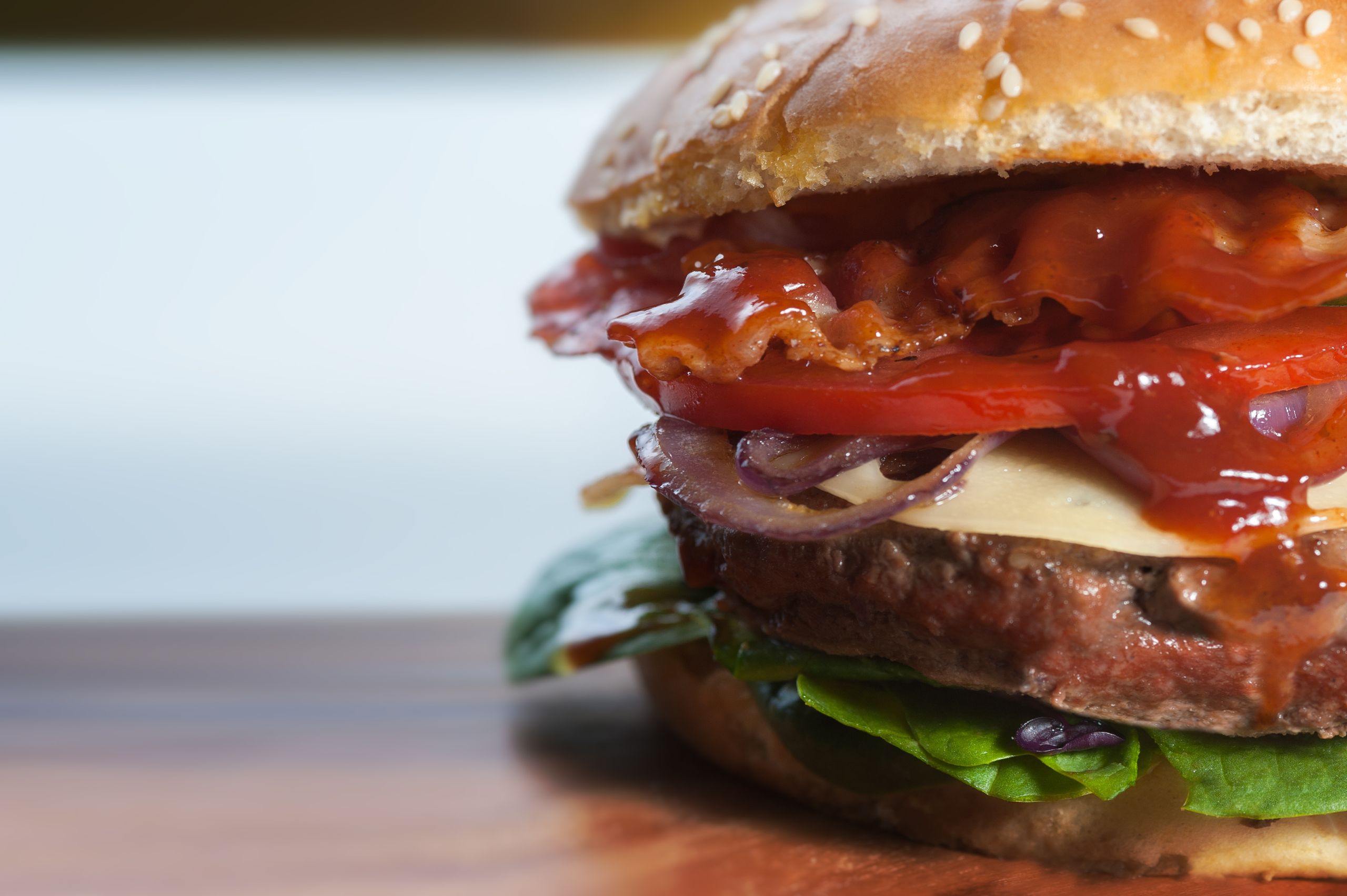
New York is famous for experimenting with food, but the ramen burger takes that creativity in an unusual direction. Instead of traditional bread buns, this burger sandwiches a beef patty between two compressed, fried ramen-noodle cakes. The combination creates a completely different eating experience from an ordinary hamburger.
The dish was introduced by Keizo Shimamoto in Brooklyn in 2013. It typically features a beef patty seasoned with shoyu sauce, topped with scallions and arugula. The unusual creation initially attracted considerable attention because it combined two popular comfort foods.
Despite its novelty, the ramen burger rates just 2.1 out of 5 on TasteAtlas, making it the lowest-rated item on the October 2026 American food list. Its unusual bun texture and unconventional construction may not appeal to everyone. Still, adventurous eaters might consider it an interesting example of New York’s experimental food culture.
Cookie Salad, Minnesota
Most people expect a salad to contain vegetables, but Minnesota’s cookie salad follows an entirely different set of rules. This dessert combines fudge-striped cookies, vanilla pudding, buttermilk, whipped cream, and mandarin oranges. The result is a creamy, sweet mixture that looks nothing like a conventional green salad.
Cookie salad is closely associated with Minnesota and its tradition of sweet dishes served at gatherings. The mix of soft pudding, fruit, and cookie pieces makes it more like a layered dessert than a typical side dish. Its name alone can leave newcomers wondering what they have ordered.
TasteAtlas rates cookie salad 2.2 out of 5. Some diners may find the combination of cookies and citrus fruit unusual, particularly when it is presented as a salad. For others, however, the dish represents the familiar flavors of family celebrations and Midwestern hospitality.
Glorified Rice, Minnesota
Minnesota also appears with glorified rice, a dessert that combines cooked rice, pineapple, and whipped cream. Traditionally, the mixture is decorated with maraschino cherries, giving it a colorful appearance. Some variations also add fruit, nuts, or gelatin.
The dish was especially popular from the 1930s through the 1950s and remains tied to Midwestern gatherings. It reflects an era when families frequently transformed basic pantry ingredients into inexpensive desserts. For people who grew up eating it, glorified rice can bring back memories of church suppers and holiday tables.
However, rice mixed with whipped cream and canned fruit is not everyone’s idea of dessert. TasteAtlas gives glorified rice a 2.2 rating, placing it alongside cookie salad as one of the lowest-rated American specialties. Whether it deserves that reputation depends largely on how much someone enjoys soft, creamy desserts.
Frog Eye Salad, Utah
Few American dishes have names quite as alarming as frog eye salad. Fortunately, the recipe contains no actual frog eyes. The unusual name comes from the small, round pasta called acini di pepe, which gives the dish its distinctive look.
Frog eye salad typically combines tiny pasta pieces with a sweet, creamy mixture and ingredients such as pineapple, mandarin oranges, coconut, or marshmallows. It is particularly associated with Utah, where it frequently appears at potlucks and family gatherings. Although called a salad, the finished dish resembles a sweet pasta dessert.
With a TasteAtlas rating of 2.3, frog eye salad is among the country’s lowest-rated regional foods. Mixing pasta with fruit and whipped topping may sound strange to diners unfamiliar with it. Nevertheless, the recipe remains a recognizable part of Utah’s regional food traditions.
Baked Bean Sandwich, Massachusetts
Americans enjoy countless sandwich combinations, but Massachusetts has an old-fashioned favorite that some modern diners might find unusual. The baked bean sandwich typically features Boston-style baked beans placed between slices of buttered brown bread. The beans often taste sweet from ingredients like molasses.
This simple sandwich is connected to New England’s long history of baked bean meals. According to TasteAtlas, published recipes for baked bean sandwiches date back to at least 1909. The combination offered a straightforward way to turn familiar ingredients into another meal.
The sandwich has a 2.3 rating on TasteAtlas, making it one of the platform’s least-favored dishes. Its soft filling and sweet-savory character differ considerably from the meat-heavy sandwiches many Americans recognize. Yet for fans of traditional New England cooking, the simplicity is precisely what makes it appealing.
New Jersey Sloppy Joe, New Jersey
Ask for a sloppy Joe in many parts of America, and you will probably receive ground beef in a tomato-based sauce. In parts of New Jersey, however, you may be handed an entirely different sandwich. The Garden State’s version is a layered deli creation made with rye bread, sliced meats, Swiss cheese, coleslaw, and Russian dressing.
The sandwich is associated with Town Hall Delicatessen in South Orange, New Jersey. Unlike the saucy ground-beef version, this regional specialty resembles an elaborate, multi-layered deli sandwich. Its ingredients combine to create a creamy, tangy, savory flavor.
TasteAtlas gives the New Jersey sloppy Joe a 2.3 rating. That may surprise people who love classic deli sandwiches, especially since the ingredients are individually familiar. The biggest challenge for newcomers might simply be accepting that a sloppy Joe can look completely different depending on where it is ordered.
Related:Fast-Food Chains Are Bringing the Human Touch Back, and Customers Are Noticing
Poi, Hawaii
Poi is among Hawaii’s most culturally significant traditional foods, but its unfamiliar texture can challenge first-time visitors. People prepare the dish by pounding cooked taro and mixing it with water to create a smooth, thick paste. Depending on how it is prepared and stored, poi can have different consistencies and flavors.
Unlike many of the other foods on this list, poi has deep roots in Native Hawaiian culture and carries cultural meaning beyond its taste. It has been part of Hawaiian food traditions for generations and is commonly served alongside other traditional dishes. Its significance cannot be measured by an online food rating.
TasteAtlas lists poi at 2.6 out of 5, indicating that it has not appealed to every reviewer. Those unfamiliar with its texture or gently fermented flavor may need time to appreciate it. However, a low online score should not overshadow the dish’s importance to Hawaiian identity and culinary heritage.
Chocolate-Covered Bacon, American State Fairs
Bacon and chocolate are popular foods on their own, but together they make a snack that can divide a crowd. Chocolate-covered bacon consists of cooked strips of bacon coated in melted chocolate, which is then allowed to harden. The finished treat combines smoky, salty bacon with a sweet chocolate shell.
The novelty snack gained attention during the 2000s and became associated with American state fairs and specialty candy shops. Its exact origins are disputed, with different businesses and locations linked to its early popularity. The combination reflects the American fairground tradition of experimenting with unexpected ingredients.
TasteAtlas gives chocolate-covered bacon a 2.7 rating, suggesting the novelty does not win over every diner. Some people enjoy sweet-and-salty flavor combinations, while others may find bacon and chocolate an odd pairing. It is the kind of food that inspires curiosity even among people who have no intention of eating it twice.
Spaghetti Pie, Colorado
Spaghetti is usually served in a bowl or on a plate, but spaghetti pie transforms the pasta into a sliceable casserole. The dish commonly combines cooked spaghetti with eggs, cheese, tomato sauce, and ground beef. Everything is assembled and baked until the ingredients hold together.
TasteAtlas associates spaghetti pie with Colorado, although baked spaghetti dishes are also prepared in many other parts of the country. The pie-style presentation gives an ordinary pasta dinner a different appearance and texture. It can also serve spaghetti in convenient portions.
Despite featuring familiar ingredients, spaghetti pie receives a relatively low 2.6 rating on TasteAtlas. Some diners may prefer spaghetti served traditionally rather than baked into a firm casserole. Others appreciate the crispy edges, melted cheese, and home-style practicality of this dish.
Quad City-Style Pizza, Iowa and Illinois
Pizza lovers are accustomed to debates over New York thin crust, Chicago deep dish, and Detroit-style pizza. However, the Quad Cities region of Iowa and Illinois has its own distinctive style that often surprises outsiders. Rather than conventional triangular slices, the pizza is typically cut into long, narrow strips.
Quad City-style pizza also features a crust traditionally made with malt and a tomato sauce seasoned with spices such as chili and cayenne pepper. Sausage is a popular topping, and the finished pizza has a recognizable appearance. This combination sets this regional version apart from the styles many national pizza chains serve.
TasteAtlas rates Quad City-style pizza at 2.7, placing it among the lower-rated American regional foods. Visitors accustomed to familiar pizza flavors and shapes might need to adjust to the strips and seasoned crust. Local enthusiasts, however, have good reason to defend a style that reflects their region’s own pizza-making identity.
Are These Really America’s Worst Foods?
Calling a regional dish the worst will always start an argument, especially when generations of families have enjoyed it. A dessert that seems strange in one state might be essential to holiday celebrations in another. Even something as simple as a sandwich can carry traditions outsiders don’t immediately recognize.
TasteAtlas cautions that its rankings aren’t definitive judgments of food quality. They collect audience opinions, and ratings may reflect individual preferences, unfamiliarity, or differences in preparation. A low score does not necessarily mean a dish is poorly made or that its local fans are wrong to enjoy it.
Perhaps the most interesting thing about America’s worst-rated foods is how much they reveal about the country’s culinary diversity. Every region has dishes shaped by its history, ingredients, family traditions, and changing tastes.
Which of these dishes would you refuse to try, and which one do you think deserves a much better reputation? Share your opinion in the comments, especially if your hometown favorite made the list.