For generations, Americans were told the same story: rent is wasted money, buying is the goal, and owning a home means you have finally made it. That story is starting to feel much more complicated.
Across the country, many renters are looking at home prices, mortgage rates, insurance bills, property taxes, and repair costs and asking a quieter question: What if buying right now does not feel like freedom? What if it feels like walking into a very expensive cage?
Buying a home can still be a smart long term move. But in today’s market, it is no longer an automatic win. For many Americans, the dream has become heavier, riskier, and harder to justify without serious math. Here are nine reasons buying a home feels like a financial trap for many households right now.
The Monthly Payment Can Crush the Dream Before It Starts
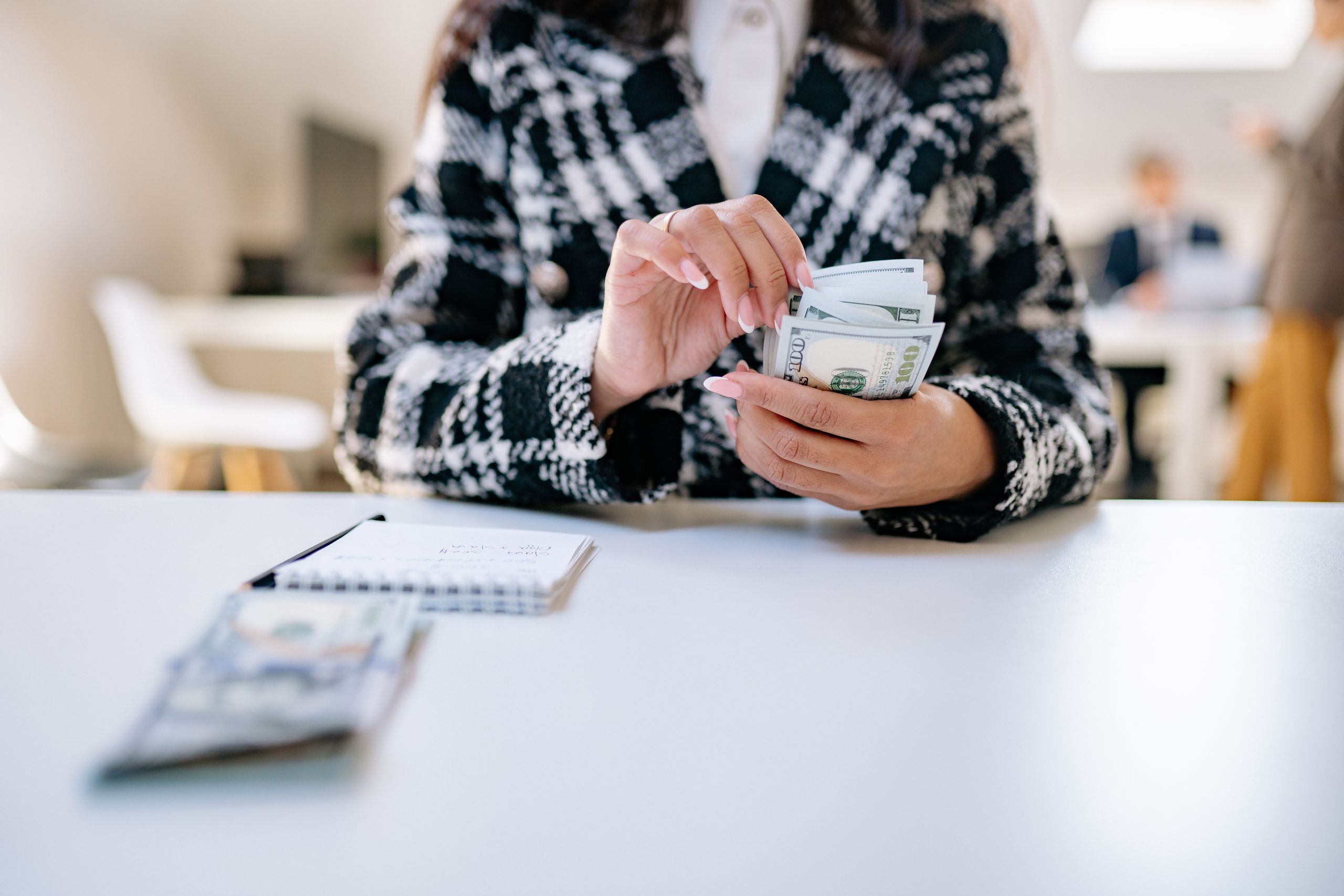
The first shock is usually the mortgage estimate. A home may look affordable online until the full monthly payment appears. Principal and interest are only the beginning. Taxes, insurance, mortgage insurance, HOA dues, utilities, and maintenance can turn a “maybe” into a hard no.
Many buyers are not comparing rent to a simple mortgage payment. They are comparing rent to a full ownership bill that may be hundreds or even thousands of dollars higher.
That is why the dream can sour fast. A family may finally find a house they like, only to realize the payment would swallow their grocery budget, travel plans, emergency savings, and peace of mind. Owning a home should not mean living inside a beautiful financial panic.
Mortgage Rates Have Made Average Homes Feel Luxury Priced
The house did not need to become a mansion to feel unaffordable. The interest rate did that. When mortgage rates sit above 6%, buyers pay much more for the same home than they would have paid during the low rate years. The listing price may be high, but the borrowing cost makes it feel even worse.
This is the part that frustrates Americans most. Many are not asking for dream kitchens, lake views, or giant backyards. They are just trying to buy a normal home in a normal neighborhood without becoming house poor.
But higher rates punish monthly affordability. They also shrink buying power. A buyer who could afford one price range a few years ago may now be forced to look at smaller homes, older homes, longer commutes, or neighborhoods they never considered. That does not feel like progress. It feels like paying more to get less.
The break even timeline is longer than many people expect.
Buying does not usually pay off immediately. A homeowner has to overcome closing costs, moving costs, interest payments, repairs, taxes, insurance, and future selling costs before ownership clearly beats renting.
That is why the break even point matters so much. Nationally, buying may take around six years to beat renting. In some cities, the timeline is shorter. In others, it can stretch so long that renting remains the better financial deal for decades.
This creates a painful problem for real Americans. Many people do not know where they will be in six years. Jobs change. Families grow. Parents’ age. Relationships shift. School districts matter. Remote work policies change. Cities get more expensive. If someone buys and needs to sell too soon, the house may not build wealth. It may become an expensive lesson.
Homeowners Are Getting Hit by Costs Renters Never See
Renters see the rent. Homeowners see everything. A broken water heater. A leaking roof. A cracked driveway. A dead air conditioner in July. A surprise plumbing bill. A tree removal bill after a storm. A higher insurance renewal. A property tax increase. A special HOA assessment. These costs do not arrive politely. They show up when they want.
That is what makes ownership scary for buyers with limited savings. A renter may dislike calling the landlord, but the landlord usually carries the repair bill. A homeowner gets control, but control comes with receipts. Many Americans want the stability of ownership. They just do not want to buy a house and then spend every weekend afraid of what might break next.
Insurance Has Become a Silent Budget Killer
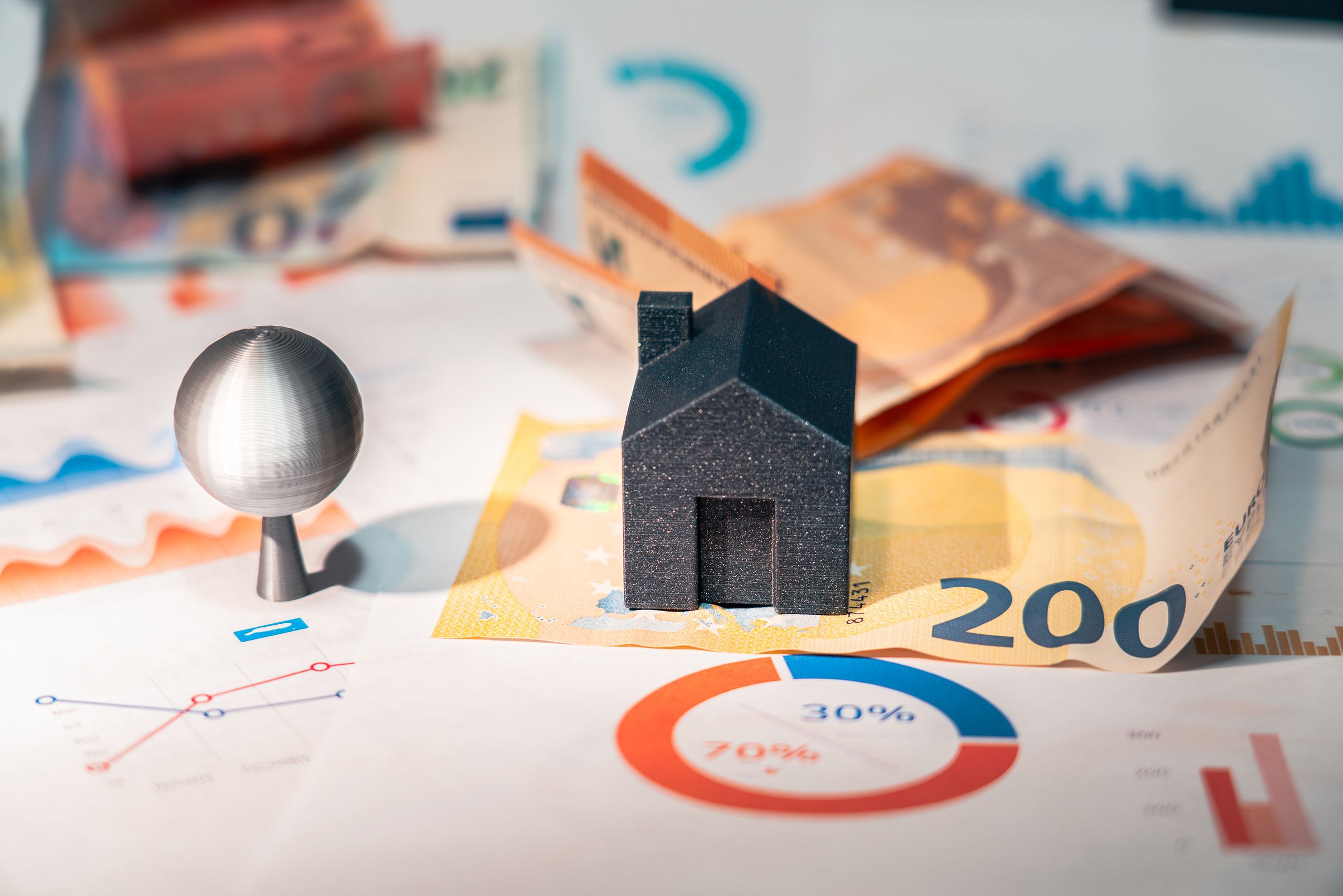
Home insurance used to be one of those costs people barely discussed during the buying process. Now it can change the entire deal.
In states facing storms, floods, wildfires, hail, or other severe weather risks, insurance bills have become a major affordability problem. Some homeowners are seeing sharp premium increases. Others are struggling to find coverage at all.
This is especially hard because buyers often focus on the mortgage rate and home price first. But the insurance quote can arrive later and punch a hole in the budget.
A fixed rate mortgage does not protect homeowners from rising insurance premiums. It also does not protect them from rising taxes. That means a buyer can do everything “right” and still watch the monthly payment climb. For many families, that feels like buying stability and then discovering it came with fine print.
Renting No Longer Feels Cheap, but Buying Feels Worse
This is the ugly middle. Rent is expensive. Buying is expensive. Moving is expensive. Staying put is expensive. The whole housing market can feel like a trap with two doors. Many renters are paying far more than they paid before the pandemic. They may be tired of rent hikes, tired of noisy neighbors, tired of strict leases, tired of parking fees, and tired of building someone else’s equity.
But when they look at buying, the numbers can feel even harsher. That is why so many Americans feel stuck. Renting may not feel good, but buying may feel dangerous. The choice is no longer between “bad” and “good.” It is often between “expensive but flexible” and “more expensive but permanent.” That is not the American dream that people were promised.
The Down Payment Can Drain the Safety Net
Saving for a down payment is hard enough. Keeping money left over after closing is even harder. A buyer may spend years saving, only to watch the money vanish into the down payment, closing costs, inspections, appraisal fees, moving costs, repairs, furniture, and utility setup. The dangerous part is not just buying the house. It is buying the house and having nothing left.
That turns every small problem into a crisis. A flat tire feels bigger. A medical bill feels heavier. A job scare feels terrifying. A broken appliance becomes a credit card problem. A home should build stability, not erase it. If buying requires draining every dollar, the buyer may technically own a home but live on a financial cliff.
Local Markets Can Make National Advice Completely Useless
A person in Ohio and a person in California are not having the same rent versus buy conversation. In some Midwest and Southern markets, buying can still make sense faster because prices are more balanced against rents. In high cost coastal cities, the gap can be brutal. A renter may need many more years before buying becomes the better financial move. This is why national advice can mislead people.
“Buy now before prices rise” might make sense in one metro and be terrible in another. “Renting is wasting money” may sound powerful online, but it ignores local prices, taxes, insurance, job markets, school districts, and future resale risk. Real estate is local. Financial stress is personal. The right answer depends on the ZIP code, not a slogan.
The Fear of Missing Out Can Push People Into the Wrong House
One of the most dangerous forces in housing is panic. Buyers hear that prices may rise. They hear rates may not fall soon. They see friends closing on homes. They see landlords raising rent. They start to feel behind. That pressure can make a bad house look acceptable.
A long commute starts to seem fine. An old roof gets ignored. A stretched payment feels normal. A weak inspection gets explained away. A neighborhood that does not fit suddenly becomes “up and coming.” This is how people buy homes they cannot truly afford or do not really want. The fear of missing out can become the costliest part of the deal.
The Real Question Is Not Rent or Buy; It Is Risk or Relief
The rent versus buy debate is not only about money. It is about pressure. Renting can feel unstable, but it protects flexibility. Buying can build wealth, but it adds responsibility. Renting can keep cash available. Buying can create equity. Renting limits control. Buying limits easy exits. The smart move is not always the move that looks impressive from the outside.
For some Americans, buying now will be the right decision. They have a stable income, strong savings, a realistic budget, and a plan to stay long enough. For others, renting is not a failure. It is a defensive move in a market that has become unusually expensive and unforgiving.
The old rule said buying was always better. The new rule is colder, clearer, and more honest: buying only wins when the numbers do not quietly wreck your life.